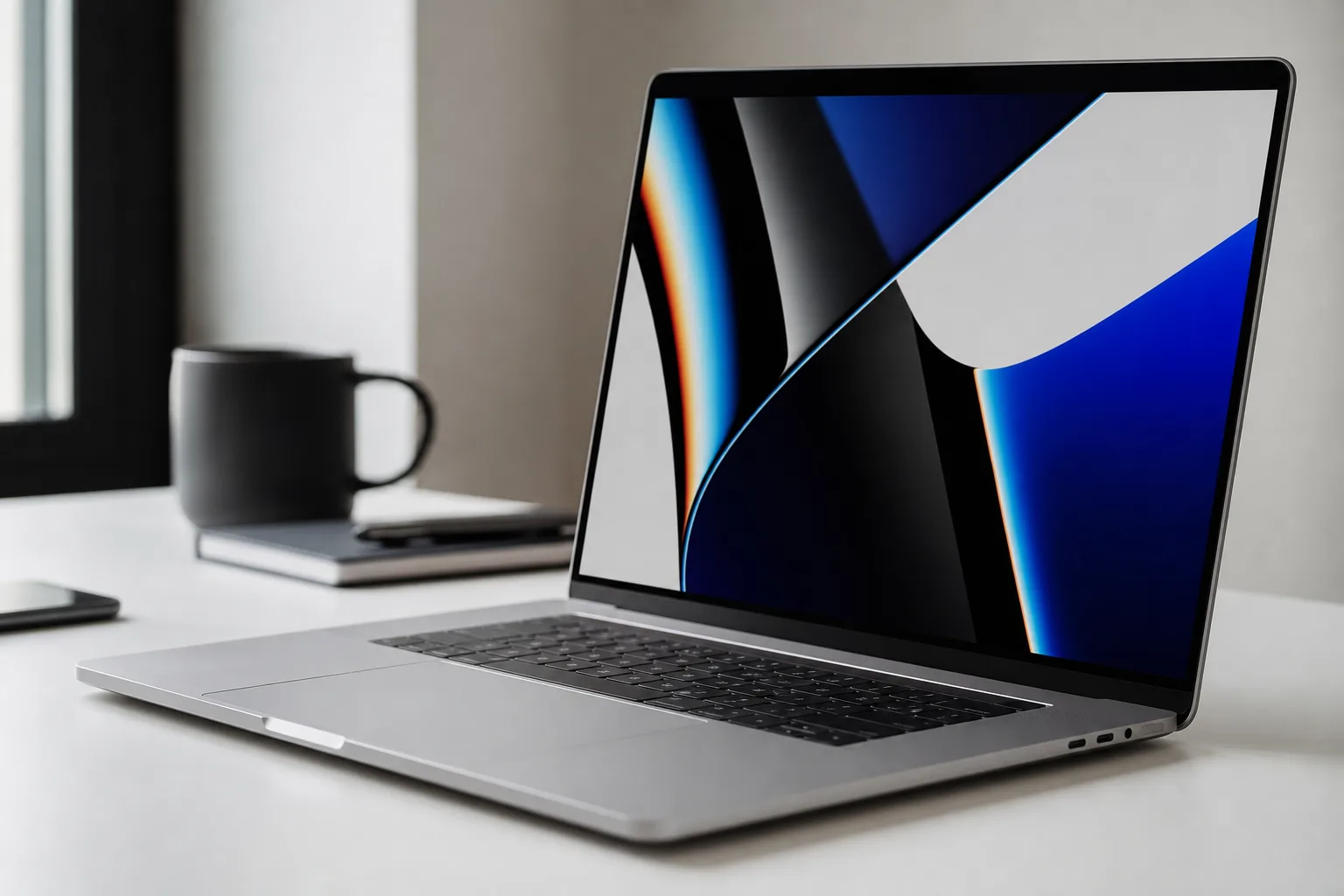
The MacBook Pro 16-inch has always been expensive. That’s the deal you make with Apple — premium silicon, a gorgeous display, and a price tag that makes your accountant nervous. But with the M5 generation, Apple has pushed things into genuinely new territory. Fully specced out, the MacBook Pro 16-inch now costs $10,149. That’s not a typo, and it’s not a custom enterprise quote. That’s what Apple charges, right there on its website.
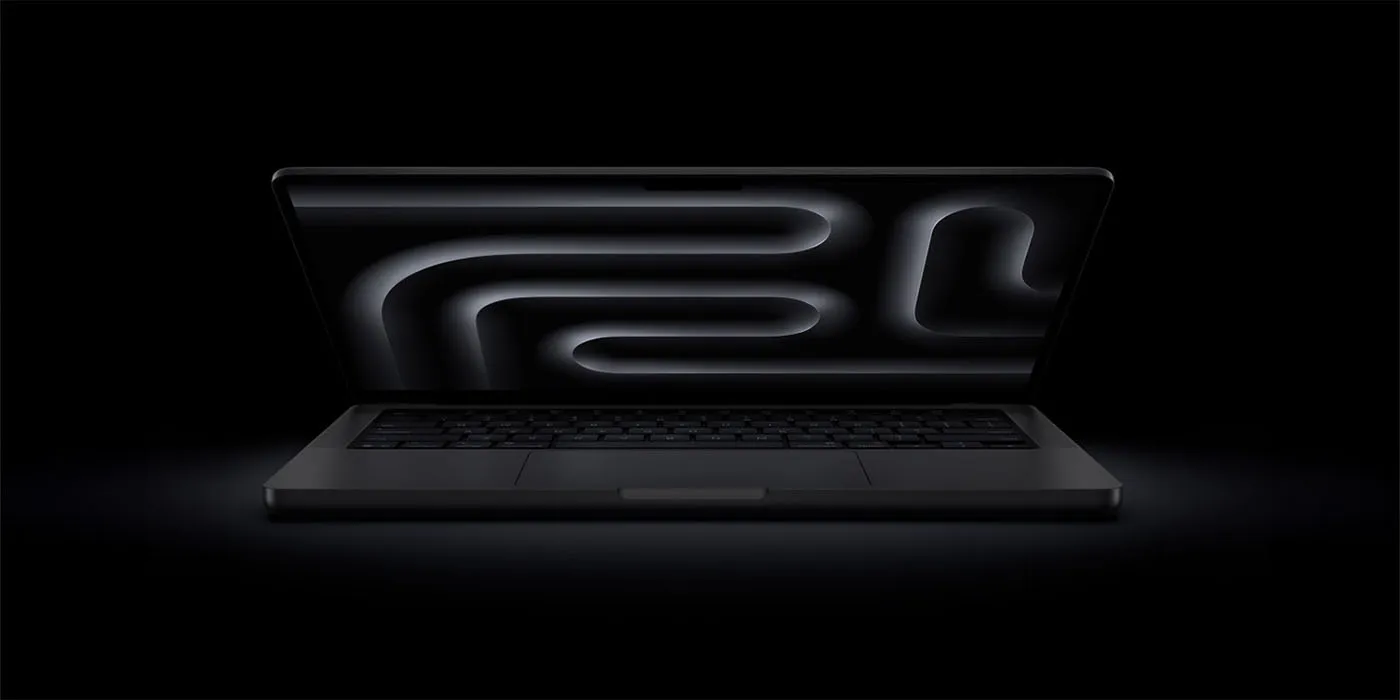
- The MacBook Pro 16-inch now costs $10,149 at maximum specs, crossing the five-figure threshold for the first time.
- Apple’s MacBook Pro 16-inch RAM upgrades rose by as much as 100%, far outpacing the 13–15% base price increases.
- The maxed-out config includes an M5 Max chip, 128GB memory, 8TB SSD, and a nano-texture display.
- Apple’s pricing strategy hits power users hardest, as upgrade costs grow disproportionately to the base model price.
Table of Contents
How Apple Got the MacBook Pro 16-inch to Five Figures
The headline number is eye-catching, but the more revealing story is how Apple got there. John Gruber of Daring Fireball ran a detailed breakdown comparing M4-era and M5-era pricing across the entire MacBook Pro lineup, and the picture that emerges isn’t flattering. Base model prices rose by a fairly digestible 13–15% — annoying, but roughly in line with what inflation and tariff pressures might justify. The upgrade pricing is where things get genuinely hard to defend.
RAM upgrades — Apple calls it ‘unified memory’ — increased by 50–67% across most configurations. The 64GB and 128GB options for the M5 Max? Those doubled in price. Not a rounding error, not a modest adjustment. Doubled. That single pricing decision is doing the heavy lifting in getting the MacBook Pro 16-inch to a five-figure total.
SSD upgrade costs followed a similar, if slightly less dramatic, trajectory. Combine a doubled RAM upgrade with a significantly more expensive storage tier, throw in the nano-texture display option, and suddenly $10,149 starts to make a horrible kind of sense — even if it shouldn’t.
What You Actually Get for $10,149
To be clear about what this configuration actually includes: the MacBook Pro 16-inch at maximum spec gives you an M5 Max chip with an 18-core CPU and a 40-core GPU, 128GB of unified memory, 8TB of SSD storage, and Apple’s nano-texture display — the anti-glare glass option that adds hundreds of dollars on its own. This isn’t a machine you’d buy to browse the web or write emails. This is a workstation that happens to fit in a backpack.
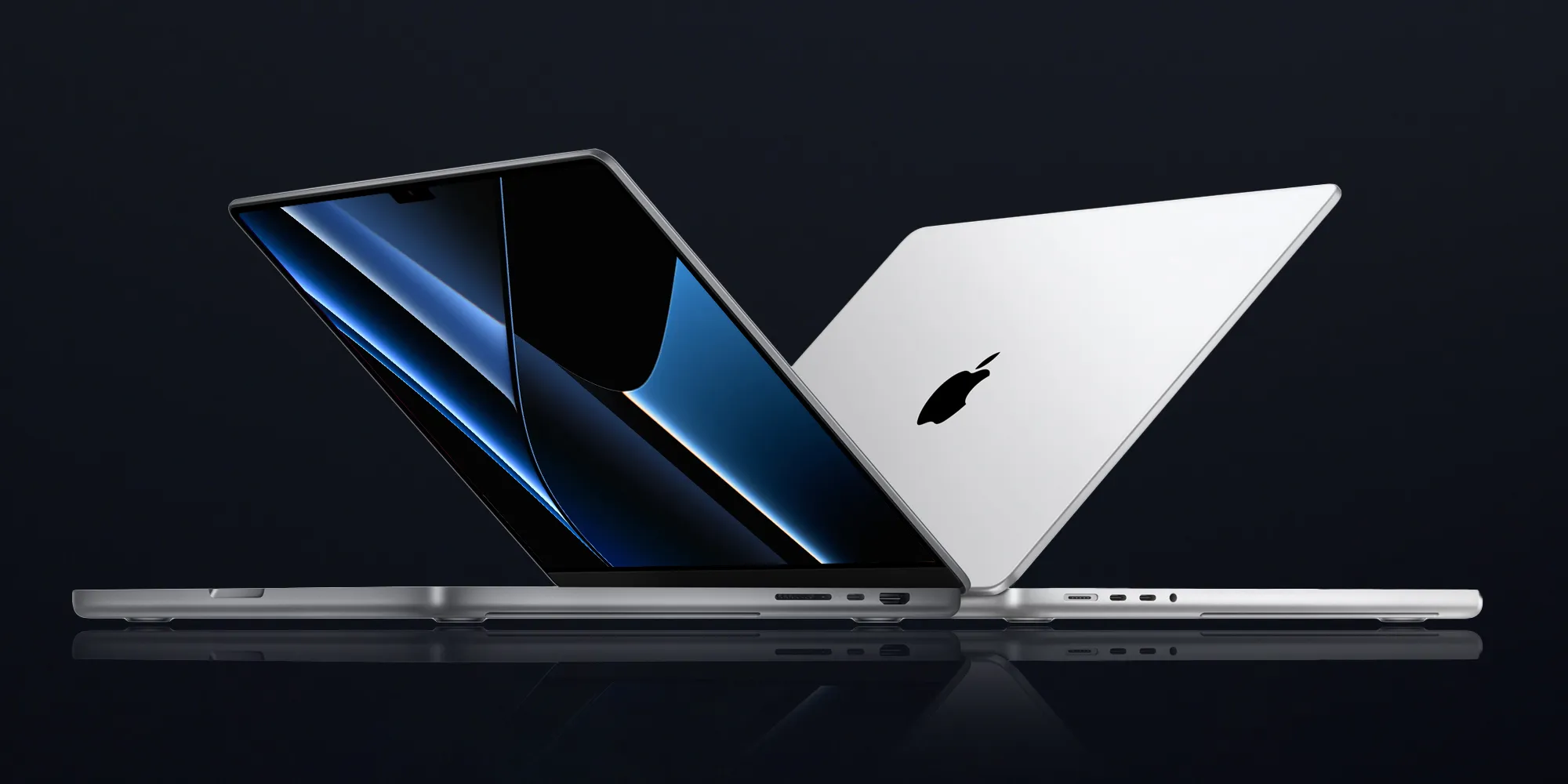
The target user — if there is one — is probably a high-end video editor working in 8K RAW, a machine learning researcher who needs to run large models locally, or a 3D artist whose scenes are too complex for anything less than 128GB of fast, unified memory. These people exist. There aren’t very many of them. And historically, they’ve had to look at a Mac Pro tower if they wanted this kind of headroom. The fact that a laptop can now genuinely compete at this tier is impressive. The fact that it now costs as much as a decent used car is worth interrogating.
Apple’s Upgrade Pricing Has Always Been a Tax — Now It’s a Heavier One
Apple’s strategy of keeping base prices relatively accessible while extracting significant margin on upgrades is nothing new. It’s been the model for years, and it works because the base configurations are genuinely capable machines for most users. You buy the base, you’re happy. You want more RAM or storage, you pay a premium that bears little relationship to what those components actually cost.
But the M5 generation represents a meaningful escalation of that approach. A 100% increase on the highest RAM tiers isn’t Apple passing along higher component costs — or at least, not entirely. DRAM prices haven’t doubled in the past year. What’s happened is that Apple has recalibrated what it thinks the market will bear at the top end of its product line, and the answer, apparently, is quite a lot more than before.
Tariffs are part of the conversation here. Apple has been navigating a complicated import cost environment, and some of that pain is inevitably passed to consumers. The company also shifted some production to India, which helped insulate certain products from the worst of the tariff exposure. But the upgrade pricing increases on the MacBook Pro 16-inch are too specific and too steep to be explained by input costs alone. This looks like a deliberate margin decision.
What This Means for the Professional Mac Market
There’s a broader question lurking behind the $10,149 sticker price: what does Apple actually want its professional Mac lineup to look like? The Mac Pro tower currently starts at $6,999 and goes considerably higher, but it offers expansion, user-upgradeable memory, and PCIe slots — things a laptop fundamentally can’t. The maxed-out MacBook Pro 16-inch is now priced within striking distance of a mid-configured Mac Pro, and that’s a strange place to be.
For professionals who genuinely need mobility, the calculation is straightforward — pay the premium, get the portability. For those who work at a desk most of the time, the Mac Pro or a maxed-out Mac Studio starts looking like a smarter investment, particularly given that the Mac Studio’s M4 Max configuration with 128GB costs considerably less than the equivalent MacBook Pro 16-inch upgrade path.
Apple’s professional Mac ecosystem has never been tidier or more capable than it is right now. The M5 chips are genuinely impressive, unified memory architecture continues to outperform traditional RAM-plus-VRAM setups for many workloads, and the MacBook Pro remains arguably the best professional laptop on the market regardless of operating system. But ‘best’ and ‘worth it at any price’ aren’t the same thing, and at $10,149, Apple is testing exactly where that line sits.
The fact that a laptop now carries a five-figure price tag without blinking suggests Apple is comfortable pushing the MacBook Pro 16-inch upmarket — perhaps deliberately creating more distance between it and the MacBook Air, and reinforcing the Mac Pro’s position at the absolute top. Whether the professionals who’ve made the MacBook Pro their daily workhorse are willing to follow Apple this far up the pricing ladder is a question the company’s next quarterly earnings report may start to answer.