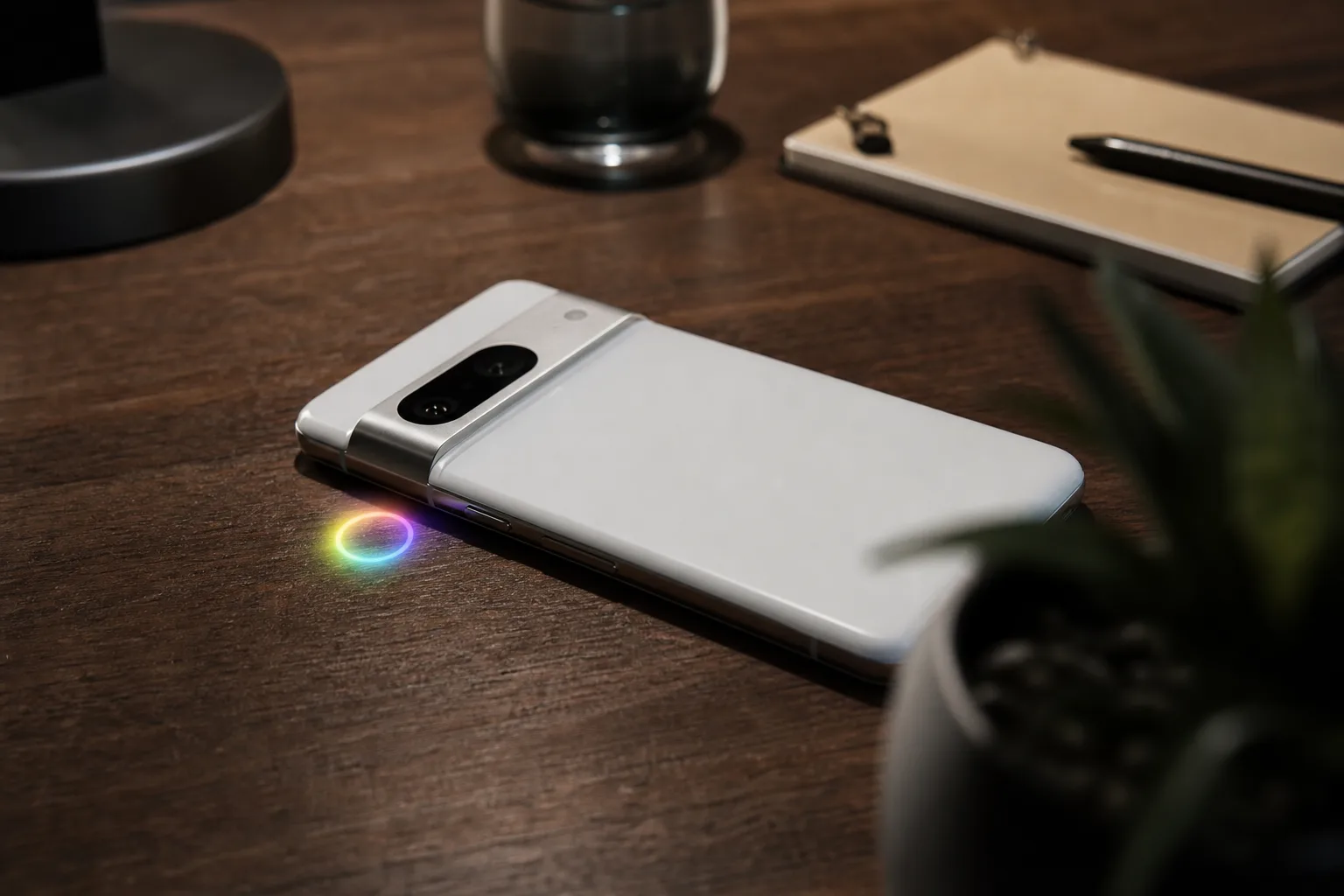
- Pixel Glow could give the Pixel 11 Pro a discreet, color-based way to surface calls, alerts, and Gemini activity.
- Google’s Pixel Glow appears less theatrical than Nothing’s Glyph system, but its usefulness will depend on meaningful user controls.
- Notification LEDs once made Android phones easier to check without unlocking them, a behavior modern phones have largely forgotten.
- The Pixel 11 Pro needs hardware character, because yearly processor gains matter less when older flagship phones remain fast.
Table of Contents
Pixel Glow brings back a forgotten Android habit
For years, smartphones have trained us to wake the screen for absolutely everything. A message arrives, a delivery is delayed, a call comes in from somebody important: tap, glance, scroll, get distracted, lose five minutes. Pixel Glow, the color-changing light system expected for Google’s Pixel 11 Pro, could offer a surprisingly sensible alternative.
Google recently showed an animation of the feature after months of clues in software code and reporting around the Pixel 11 line. The visual is small and controlled: a circular light element near the rear camera hardware, apparently around the spot occupied by the temperature sensor on recent Pro Pixels. It may be tied to the flash assembly. Whatever the component’s final role, it looks far more deliberate than a glowing gimmick pasted onto the phone’s back.
The basic concept will be familiar to anyone who used Android before always-on displays took over. HTC, LG, Samsung, Sony and plenty of smaller brands used tiny notification LEDs to signal charging status, messages, missed calls and app alerts. Some phones even let owners assign colors by app or contact. Green could mean a message, blue an email, red a missed call. Primitive? Maybe. Also genuinely useful.
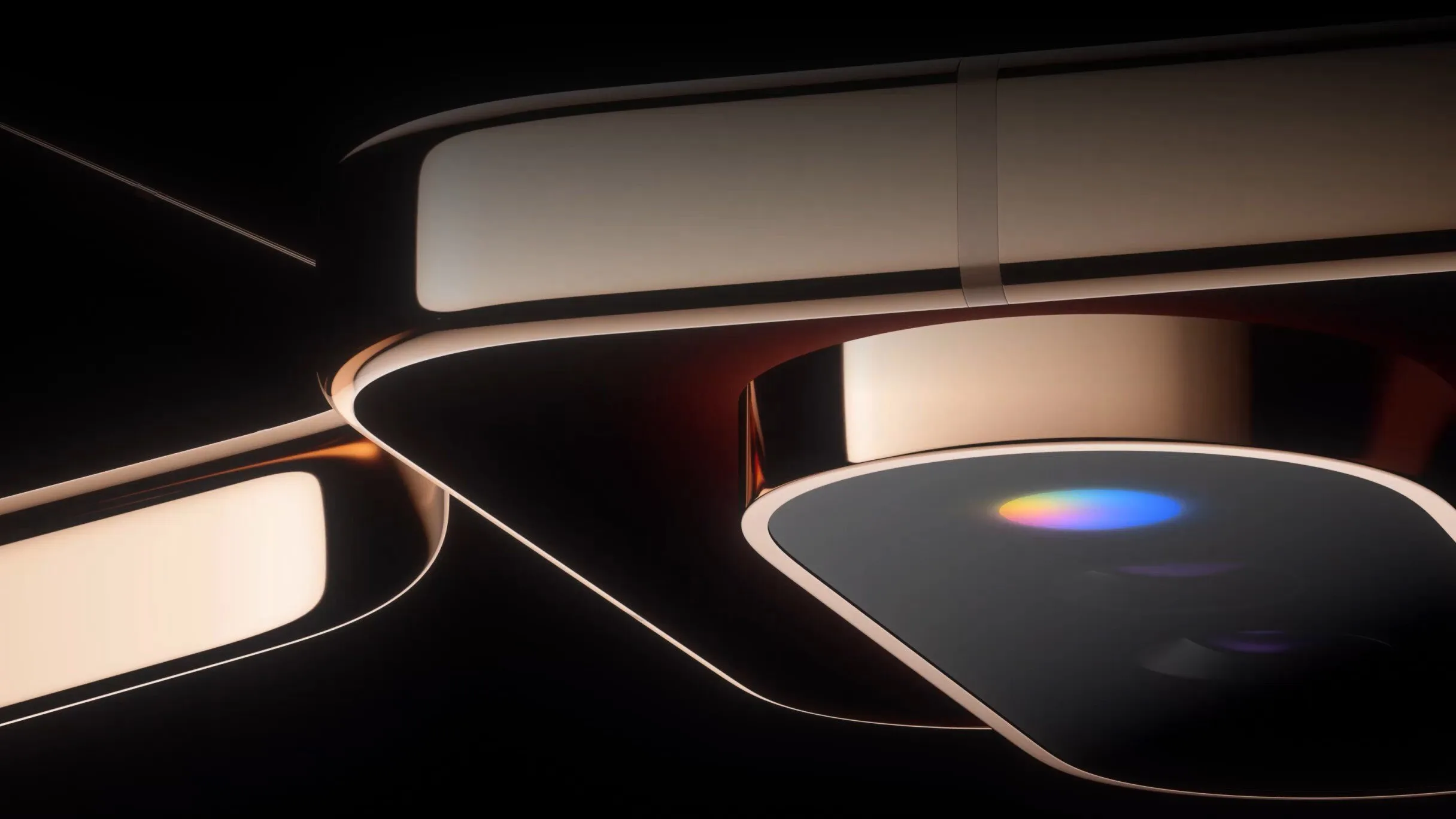
Pixel Glow seems positioned as that old idea updated for a phone that spends plenty of time face down on a desk. Google’s early material suggests it can produce several colors and animated patterns, while references found in software reportedly include calls from favorite contacts. If your phone can tell you that your partner is calling without demanding a full screen check, that is a small quality-of-life win. Smartphones rarely chase those anymore.
Google’s restraint could be the point
The obvious comparison is Nothing. Since the 2022 Nothing Phone 1, the company has made illuminated rear panels its visual calling card. The Glyph interface started as segmented LED strips, became increasingly elaborate, and now exists alongside dot-matrix-style experiments on newer hardware. Nothing deserves credit for making phones visually distinctive in an era of glass rectangles, though I’ve never been convinced that a flashing light show is a durable reason to buy a handset.
Google appears to be taking the opposite route. Rather than turning the Pixel 11 Pro into a miniature airport runway, Pixel Glow looks like a single, compact status light. That restraint matters. A notification system works best when it conveys information in a glance, like the colored flag on a dishwasher or the light on a charging dock. Once it demands interpretation, it has become another screen.
There is a catch, and it is a familiar Google catch: the company could make the hardware clever while keeping the software fenced in. Early signs point to Gemini integration, which makes sense on paper. A visual cue for an active assistant interaction, an incoming priority call or a completed request could be handy. But Google has a history of introducing attractive hardware hooks and then defining their purpose narrowly. The old Active Edge squeeze gesture on Pixel phones comes to mind.

The best version of Pixel Glow would let users decide what it means. Give people per-app colors, priority contact patterns, Do Not Disturb indicators, charging states and an off switch. Make those controls easy to find. Android’s strength has always been its willingness to let people tune the device around their habits, not merely accept a manufacturer’s preferred workflow.
The notification LED solved a real problem
There is a slightly funny irony in the return of ambient lights. The industry spent the past decade replacing notification LEDs with richer displays, then added always-on displays to show clocks, icons and notifications without a full wake-up. Yet an always-on display still requires you to pick up or look directly at the front of the phone. A rear indicator can communicate while the device is sitting face down, which is exactly how many people place it when they are trying to focus.
That makes Pixel Glow potentially more relevant than its tiny footprint suggests. The feature could support healthier phone behavior if it lets owners distinguish an urgent interruption from the endless sludge of low-priority notifications. We have all opened a phone to check one thing and emerged 20 minutes later wondering why we are watching a stranger explain a kitchen renovation.
A thoughtfully configurable light is more aligned with healthier phone behavior than another lock-screen prompt screaming for attention. Of course, the opposite outcome is possible: Google could turn Pixel Glow into a colorful signal that Gemini wants us to interact with it more often. That would be missing the point by a mile.
Pixel 11 needs a visible reason to exist
Hardware differentiation is getting harder. The Pixel 11 family is expected to arrive after the Pixel 9 and Pixel 10 generations, all within Google’s current camera-bar design era. Its Tensor G6 chip may deliver a meaningful performance lift, but practical gains are increasingly difficult to feel. A recent flagship already opens apps quickly, takes excellent photos and handles everyday multitasking without complaint. Faster is nice. It is not always memorable.
That is why Pixel Glow is more interesting than another benchmark claim. It is tangible. It gives the Pixel 11 Pro an identifiable behavior rather than merely a specification-sheet advantage. Apple has used the Dynamic Island as a similar kind of visual signature, even if its utility varies wildly by app. Nothing made lights its whole identity. Google may be searching for a quieter signature of its own.
I would argue that revisiting discarded phone ideas is a better direction than pretending every annual upgrade must invent a new category of intelligence. Bring back useful conveniences, not nostalgia for nostalgia’s sake. Nobody needs a Pixel with a removable battery simply because 2012 was fun. But a small configurable light that helps us leave the screen alone? That has a real job to do.
The final implementation, the settings and third-party access still matter. If Pixel Glow launches as a fixed set of Gemini animations, it will be a pretty demo with a short shelf life. If Google treats it as a flexible notification tool, though, the Pixel 11 Pro may remind the industry that progress sometimes looks less like adding another screen and more like needing to look at one less often.