

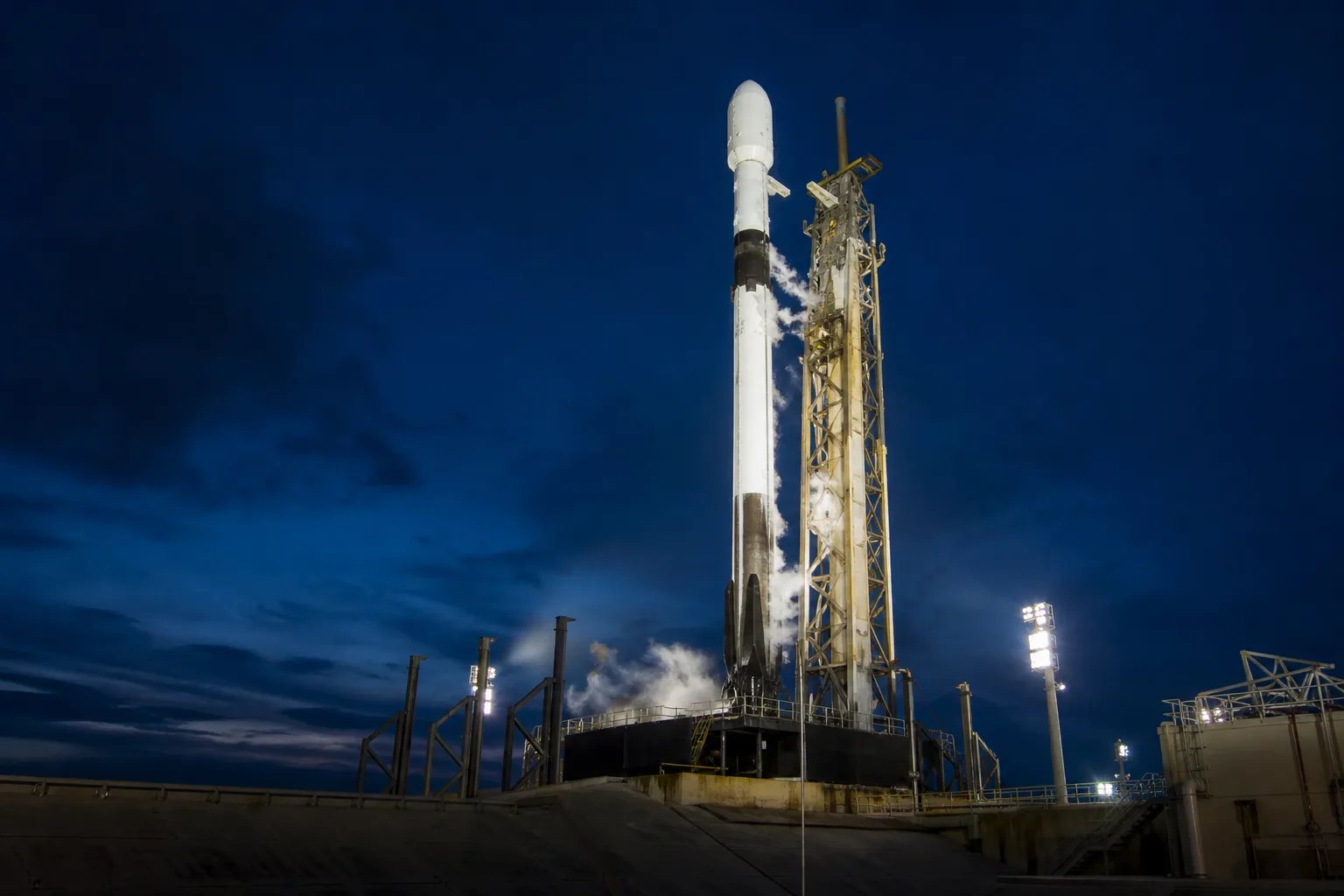
Two contracts. Nearly $6.5 billion. Both going to the same company within days of each other. The SpaceX Pentagon contracts announced in late May have landed SpaceX at the centre of the U.S. military’s most ambitious space network build-out in decades — and ignited a genuine debate about whether the Pentagon is quietly abandoning its own competition principles in the race to dominate low Earth orbit.
- SpaceX Pentagon contracts worth $6.5B cover a missile-tracking constellation and a new space-based data backbone.
- The SpaceX Pentagon contracts raise serious questions about whether the U.S. military is undermining its own competition goals.
- Golden Dome, Trump’s January 2025 missile defense order, directly accelerated the shift away from multi-vendor satellite programs.
- SDA’s original multi-supplier PWSA model is being replaced by a centralized architecture that critics warn could harm the space industrial base.
Table of Contents
What SpaceX Just Won
The first contract, valued at $4.16 billion, funds a constellation called AMTI — airborne moving target indicator. Think of it as a replacement for traditional surveillance aircraft, but in orbit. The Pentagon has wanted a persistent, space-based capability to track moving objects on the ground and in the air without depending on manned or unmanned aircraft that can be shot down, jammed, or simply aren’t in the right place at the right time. The SpaceX Pentagon contracts fill exactly that gap with a constellation designed for sustained, orbital surveillance at scale.
The second award, worth $2.29 billion, is for the Space Data Network — a high-capacity communications backbone designed to shuttle targeting data between sensors, command systems, and interceptor weapons at speed. If AMTI is the eye, the Space Data Network is the nervous system connecting that eye to the trigger finger. Together, the SpaceX Pentagon contracts cover both the sensing and the data transport sides of the military’s next-generation kill chain.

Both contracts were awarded within days of each other in late May 2025. The timing wasn’t subtle. Taken together, the SpaceX Pentagon contracts position the company as the primary architect of the military’s next-generation orbital infrastructure — a role that was, until very recently, explicitly shared across a diverse mix of suppliers.
The Original Vision: Competition by Design
To understand why these awards are generating friction, you need to go back to 2020, when the Space Development Agency launched the Proliferated Warfighter Space Architecture, or PWSA. It was genuinely ambitious. Rather than ordering a handful of the massive, expensive, one-of-a-kind satellites that defined Cold War-era military space, the PWSA called for hundreds of smaller satellites in low Earth orbit, built by multiple vendors, refreshed regularly.
The architecture had two primary layers. The Transport Layer would function as a military data network in orbit, moving information via optical communications terminals between satellites and users on the ground. The Tracking Layer would carry infrared sensors specifically designed to detect and track ballistic missiles, hypersonic glide vehicles, and similar threats. Both layers were deliberately parcelled out across a range of companies — Lockheed Martin, Northrop Grumman, L3Harris Technologies, York Space Systems, Sierra Space, and Rocket Lab all won pieces of the work across multiple tranches.
The logic was sound: spread the contracts, attract private investment into satellite manufacturing, encourage companies to build out production capacity, and avoid the dangerous dependency that comes with a single dominant supplier. It was the Pentagon trying to build a market rather than just buy hardware. The scale and consolidation represented by the SpaceX Pentagon contracts today stands in stark contrast to that original philosophy.

But running a distributed, multi-supplier satellite network at scale turned out to be considerably harder than awarding the contracts. After an initial demonstration tranche, SDA moved into Tranche 1 deployment with satellites built by York Space and Lockheed Martin. Integration quickly became the bottleneck. Software interoperability, optical communications handshakes between satellites from different manufacturers, checkout timelines — all of it took longer than projected. Building the spacecraft, it turned out, was the easy part. Getting them to work together was another problem entirely.
Golden Dome Changed the Calculus
Then came January 2025, and President Trump’s executive order establishing Golden Dome for America. The initiative reimagined missile defense at a national scale, with space-based tracking and battle management systems at its core. Pentagon planners suddenly needed a high-throughput orbital data transport network that could handle targeting information fast enough to be operationally useful — not a research demonstration, not a future capability, but something deployable on an accelerated timeline. The SpaceX Pentagon contracts are the direct product of that urgency.
The fiscal year 2027 budget request tells the story clearly. Funding for SDA’s Transport Layer effectively evaporated and was replaced by roughly $3 billion for the new Space Data Network. The original multi-vendor Transport Layer — designed for tactical military communications like Link 16 and UHF connectivity — simply wasn’t built to serve as a high-capacity strategic backbone. Industry sources, speaking anonymously, have confirmed it was never intended to be a Starlink-class data pipe. The Pentagon needed something that was, and SpaceX already had it.
That’s the uncomfortable reality behind the SpaceX Pentagon contracts: they aren’t purely the result of SpaceX lobbying or favoritism. They reflect a genuine operational gap and a company that has spent years building the industrial-scale manufacturing infrastructure to fill it. SpaceX launches Starlink satellites by the hundreds. It operates the largest commercial satellite constellation in history. When the Pentagon needed to move fast, SpaceX was simply the only player capable of delivering at that volume and velocity.
SpaceX Pentagon Contracts Draw Congressional Fire
That explanation doesn’t fully satisfy lawmakers. Senator Chris Coons, the top Democrat on the Senate Appropriations subcommittee on defense, put it directly during a recent Department of the Air Force budget hearing: “We’re lucky to have a dynamic space industrial base, but it is still fragile, and continuing to sole source big contracts to one vendor might profoundly harm that competition and be a serious mistake for our long-term interest.”
Coons said he’d be watching for evidence that the Pentagon is genuinely committing to competition — through open architectures, multiple providers, and entry points for newer companies. His concern isn’t abstract. Defense industrial base fragility is a real and documented problem. The U.S. has spent decades watching consolidation gut competition in aerospace and defense, and the lesson has generally been that costs rise and innovation slows when suppliers don’t have to fight for business. Critics argue the SpaceX Pentagon contracts are the latest and largest example of that consolidation trend.
The worry, in practical terms, is a ratchet effect: each time the Pentagon awards a massive sole-source contract to SpaceX, the other players in the market lose revenue, lose engineers, lose the production capacity that takes years to rebuild. By the time the government wants competition again, it may no longer have a realistic choice.
What Happens to the Space Industrial Base Now?
The situation is genuinely complicated by the transition from the Transport Layer to the Space Data Network, which has created significant confusion across the industry. The Space Force has not publicly explained how the new architecture divides responsibilities — what the backbone handles, what tactical communications layers will sit on top of it, and who gets to build them. Sources familiar with the program say the current priority is deploying the backbone first and building tactical enclaves on top of it later. That’s a reasonable sequencing decision, but it leaves companies like York Space, Rocket Lab, and Sierra Space without clear visibility into where they fit in the new picture. The SpaceX Pentagon contracts have accelerated that uncertainty considerably.
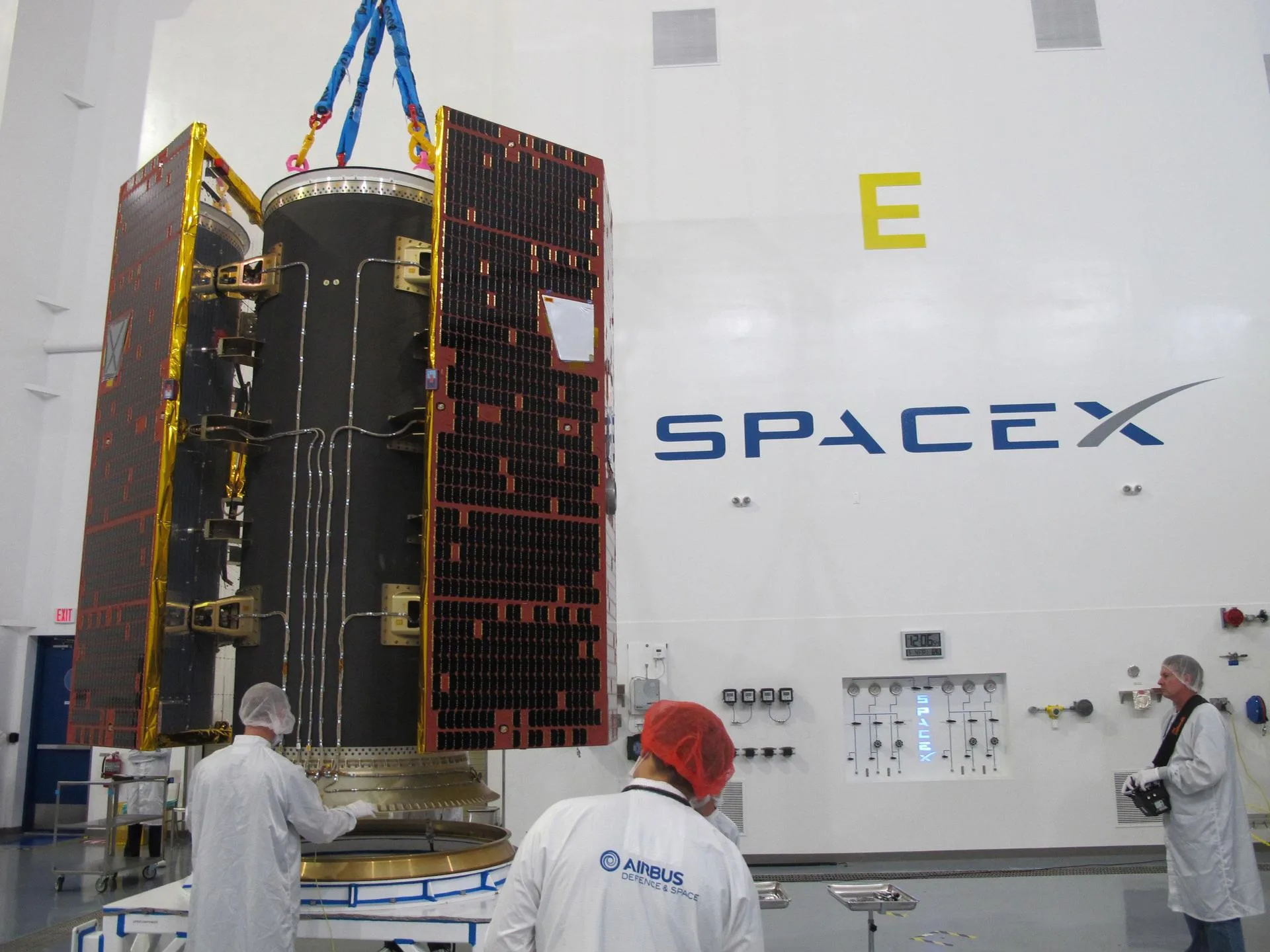
Open architecture, if genuinely implemented, could be the pressure valve here. If the Space Data Network is built with open interfaces, smaller vendors could theoretically compete for subsystems, terminals, ground software, and future tactical layers rather than being locked out entirely. Senator Coons specifically called out open architectures as one metric he’d be watching. The question is whether the Pentagon’s stated commitment to competition survives contact with the operational urgency that Golden Dome demands.
The SpaceX Pentagon contracts are a clear signal of where the balance currently sits. Speed and scale are winning over structural competition — at least for now. That might be the right call for 2025 and 2026. The real risk is what it does to the companies that were building toward a future where they had a meaningful role. If the industrial base thins out over the next few years, no executive order will rebuild it quickly. The Pentagon should be thinking about that tradeoff just as hard as it’s thinking about missile intercept timelines.
Frequently Asked Questions
What are the SpaceX Pentagon contracts announced in May 2025?
SpaceX was awarded two contracts totalling nearly $6.5 billion. The first, worth $4.16 billion, funds the AMTI satellite constellation for airborne surveillance. The second, worth $2.29 billion, covers the Space Data Network, a communications backbone for missile defense data routing.
How does Golden Dome connect to these satellite awards?
President Trump’s January 2025 executive order establishing Golden Dome for America elevated the urgency of space-based missile tracking and battle management. That pushed the Pentagon to deprioritise the existing Transport Layer and fund a new, higher-capacity Space Data Network instead.
What happened to the Space Development Agency’s multi-vendor approach?
SDA’s Proliferated Warfighter Space Architecture deliberately spread contracts across multiple companies, including Lockheed Martin, York Space, and Rocket Lab. But integration challenges and Golden Dome urgency have pushed funding toward a single-vendor model centred on SpaceX’s industrial-scale production capacity.
Why are lawmakers concerned about sole-source satellite contracts?
Senator Chris Coons warned that repeatedly awarding large contracts to a single vendor could ‘profoundly harm’ competition and represent ‘a serious mistake’ for long-term national interests. Lawmakers want open architectures, multiple providers, and opportunities for new entrants to control costs and preserve manufacturing capacity.

