

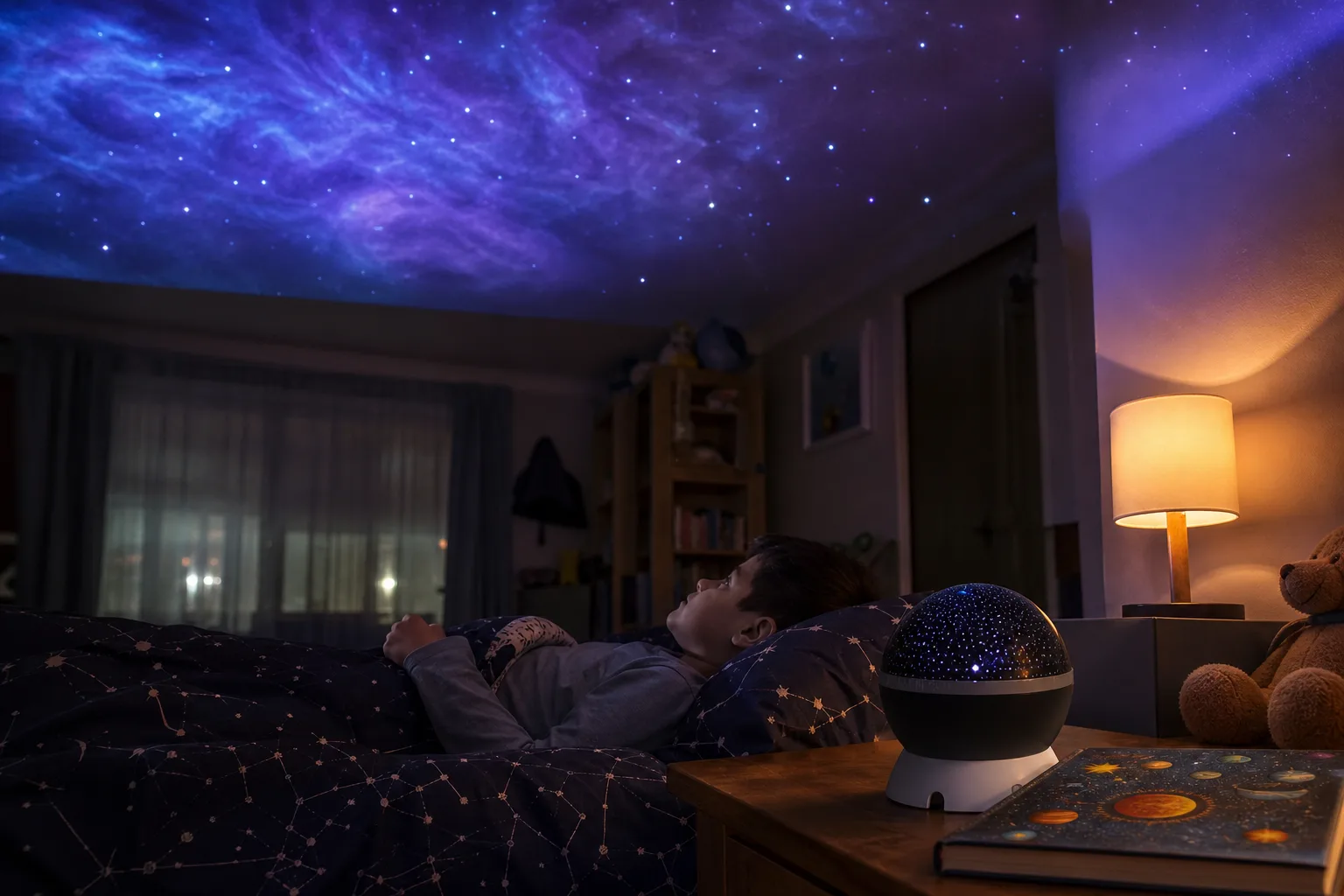
- Star projector deals range from sub-$10 novelty lights to disc-based home planetariums designed around real astronomical imagery.
- The best star projector deals depend on whether buyers want accurate constellations, animated spectacle, sleep-friendly lighting, or a gift for children.
- Laser-style galaxy lights can create a dramatic room effect, but their dots and nebulae generally do not represent the real night sky.
- Timers, brightness controls and replaceable image discs matter more than a large advertised discount for long-term usefulness.
Table of Contents
Star projector deals are really about choosing the right kind of fake sky
The appeal of star projector deals is obvious: when weather, city glow or apartment living makes proper stargazing unrealistic, a small gadget can turn a ceiling into something more interesting than drywall. But shoppers should resist treating every galaxy lamp as the same product. Some are essentially mood lighting with a space theme. Others are compact home planetariums built to show recognizable stars, constellations and astronomical photographs.
That split explains the seasonal discounts flagged by Space. Its roundup separates cheap novelty machines from higher-priced projectors such as the Pococo Galaxy Star Projector, which uses physical image discs, and the Rossetta 3D Galaxy Star Projector, which favors animated cosmic scenes. Those are different propositions, and frankly, retailers often make them look far more alike than they are.
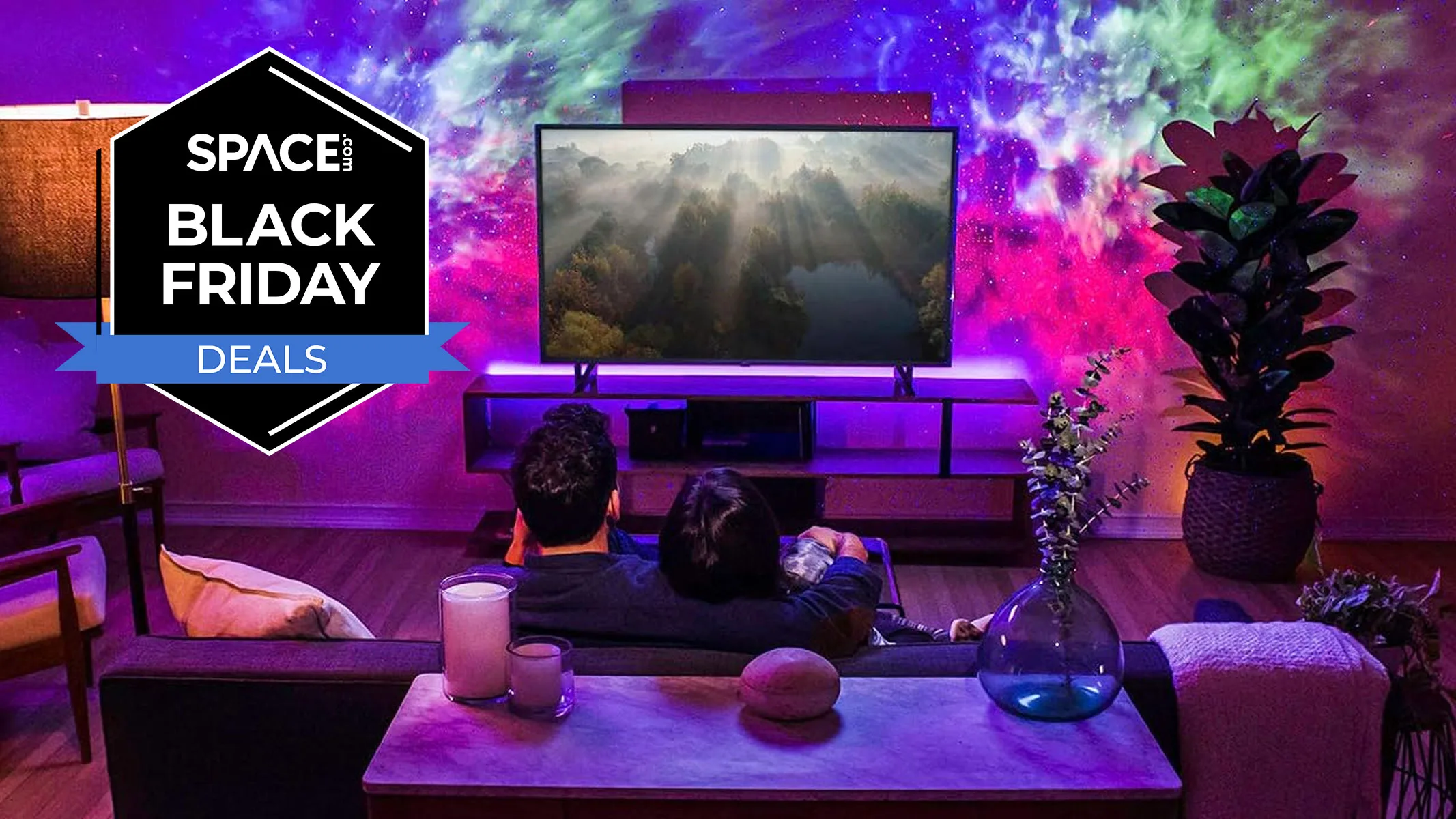
For a parent shopping for a child, or someone trying to make a bedroom less bland, that may not matter. A $8 dinosaur-egg-shaped projector with a Bluetooth speaker and a one-, two- or four-hour timer can be a perfectly good stocking stuffer. It does not need to teach astronomy to justify its existence. But calling a wall of green dots and purple fog a planetarium is a bit like calling a screensaver a documentary.
Accuracy costs more, but it changes the point of the purchase
There are two broad camps in star projector deals. The first is the ambient projector: LEDs, lasers, colored clouds, optional music and a remote control or app. Products in this class are designed to create atmosphere. They can be great for parties, gaming rooms and bedtime routines, particularly if they offer brightness adjustments and a timer. Govee’s Star Light Projector sits in this camp, according to the deal coverage, emphasizing a large, colorful cosmic display rather than a map of the heavens.
The second camp is the optical, disc-based projector. Models such as Pococo use slides or discs that project astronomical scenes and night-sky views. The tradeoff is familiar to anyone who has bought a camera or a decent pair of binoculars: the product may be less flashy at first glance, but it has a clearer purpose and room to grow. Additional discs can add new subject matter, turning the device from a one-week novelty into an ongoing educational tool.
A guide to stars is a useful reminder of why accuracy has value here. The actual sky is not a fixed wallpaper. Stars move across the night, seasonal constellations change, and the objects visible from one hemisphere may be absent from another. No consumer ceiling projector replaces going outside under a genuinely dark sky, but a faithful image can at least spark the right questions: What is that cluster? Why do planets follow a different path? What are we actually looking at?

Space’s deal report describes Pococo as suitable for both education and relaxation, and that seems like the sensible middle ground. A realistic projector can be calming without pretending that astronomy has to be solemn. Still, buyers should check exactly what is included. A low entry price sometimes means a limited disc selection, while the cost of add-ons quietly becomes part of the real purchase price.
The spectacle machines have their own case
Not everyone wants to identify Cassiopeia before bed. The Rossetta 3D Galaxy Star Projector is the more theatrical option in the reported star projector deals, with animated sequences including planets, black holes, spacewalks, science-fiction spacecraft and seasonal imagery. That is much closer to a miniature visual entertainment system than a conventional planetarium.
There is nothing wrong with that. In fact, I’d argue animated projectors are likely the better purchase for households wanting a shared experience rather than an astronomy lesson. Static projections can fade into the background. Motion grabs attention, especially for younger children who may not care that a particular pinpoint corresponds to a real star several light-years away.
Still, marketing copy around space gadgets has a predictable bad habit: it blurs science and sci-fi into one colorful slurry. A rotating Moon animation can be rooted in reality; a computer-rendered wormhole with neon planets obviously is not. Buyers should decide whether they are paying for atmosphere or accuracy, because the answer should shape which of these star projector deals makes sense.
What to check before the discount timer runs out
Black Friday pricing creates artificial urgency by design. Retailers want shoppers to see a percentage, not ask whether the product will still be useful by January. The discount matters less than a few practical details.
- Projection method: Disc projectors are generally the safer route for celestial imagery. Laser and LED galaxy lights are usually built for color and mood.
- Room size and placement: A projector advertised for a bedroom may look weak across a large living room, particularly with lamps or daylight spilling in.
- Brightness and timers: Adjustable output and auto shutoff are more than convenience features if the device will be used around sleep.
- Controls and apps: App-connected lights can offer useful scheduling and customization, but a physical remote remains handy when Wi-Fi or an app update misbehaves.
- Ongoing costs: Check the price and availability of extra discs before choosing a system marketed as expandable.
The cheapest star projector deals can still be good buys if expectations are set correctly. A sub-$10 dinosaur projector should be judged as a fun, disposable-feeling gift with a timer and speaker, not as precision optical equipment. Conversely, spending more on a disc projector is hard to justify if the recipient mainly wants colorful moving light during movie night.
A small category that exposes a bigger tech habit
Star projectors occupy a curious corner of consumer technology. They package space into an inexpensive domestic accessory, somewhere between a smart bulb and a science museum gift-shop souvenir. That may sound trivial, but there is a real demand underneath it. Light pollution continues to keep the Milky Way out of view for huge numbers of people, and screen-based entertainment has made passive visual ambience a category in its own right.
Star projector deals will keep returning every holiday season because the hardware is simple, the gift appeal is broad, and a cosmic ceiling is easier to sell than another charging dock. The better question for shoppers is not whether the display looks impressive in a product photo. It is whether they want a little bit of astronomy, a bedroom light show, or both — because those are no longer the same thing.
Frequently Asked Questions
Are star projector deals worth buying during Black Friday?
They can be, provided the discounted model suits the intended use. Low-cost models are generally ambient lights or novelty gifts, while disc-based projectors cost more but can offer recognizable celestial imagery and an expandable library of scenes.
Which star projectors show the real night sky?
Disc-based home planetariums are the better choice for astronomical accuracy. Space highlighted the Pococo Galaxy Star Projector as a model that uses interchangeable discs featuring actual space imagery, rather than generic laser dots and colorful nebula effects.
Do star projectors help with sleep?
A projector may make a bedroom more relaxing, especially when it has a timer and adjustable brightness. But bright blue or shifting light late at night can work against sleep for some people, so a dim setting and automatic shutoff are sensible priorities.