

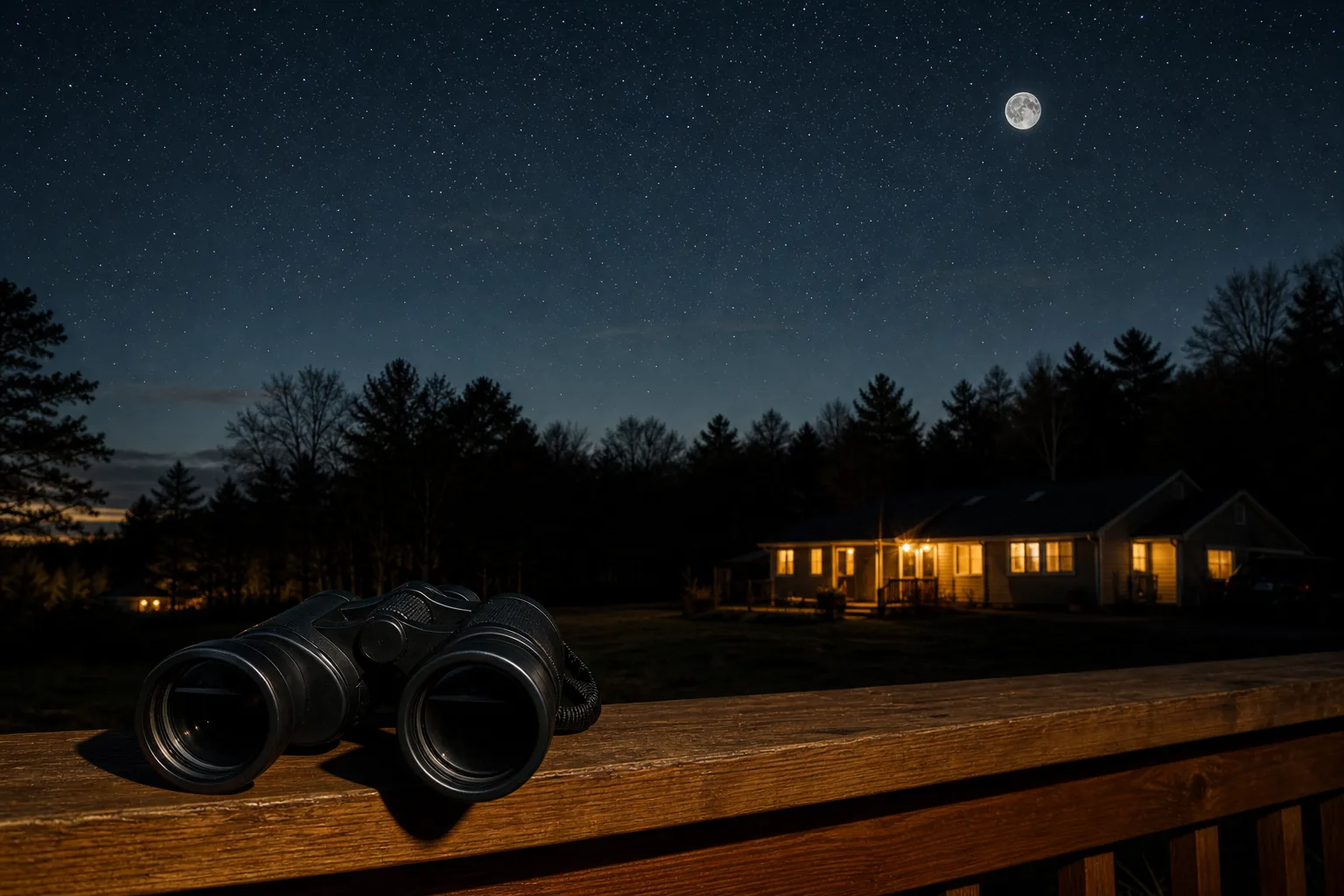
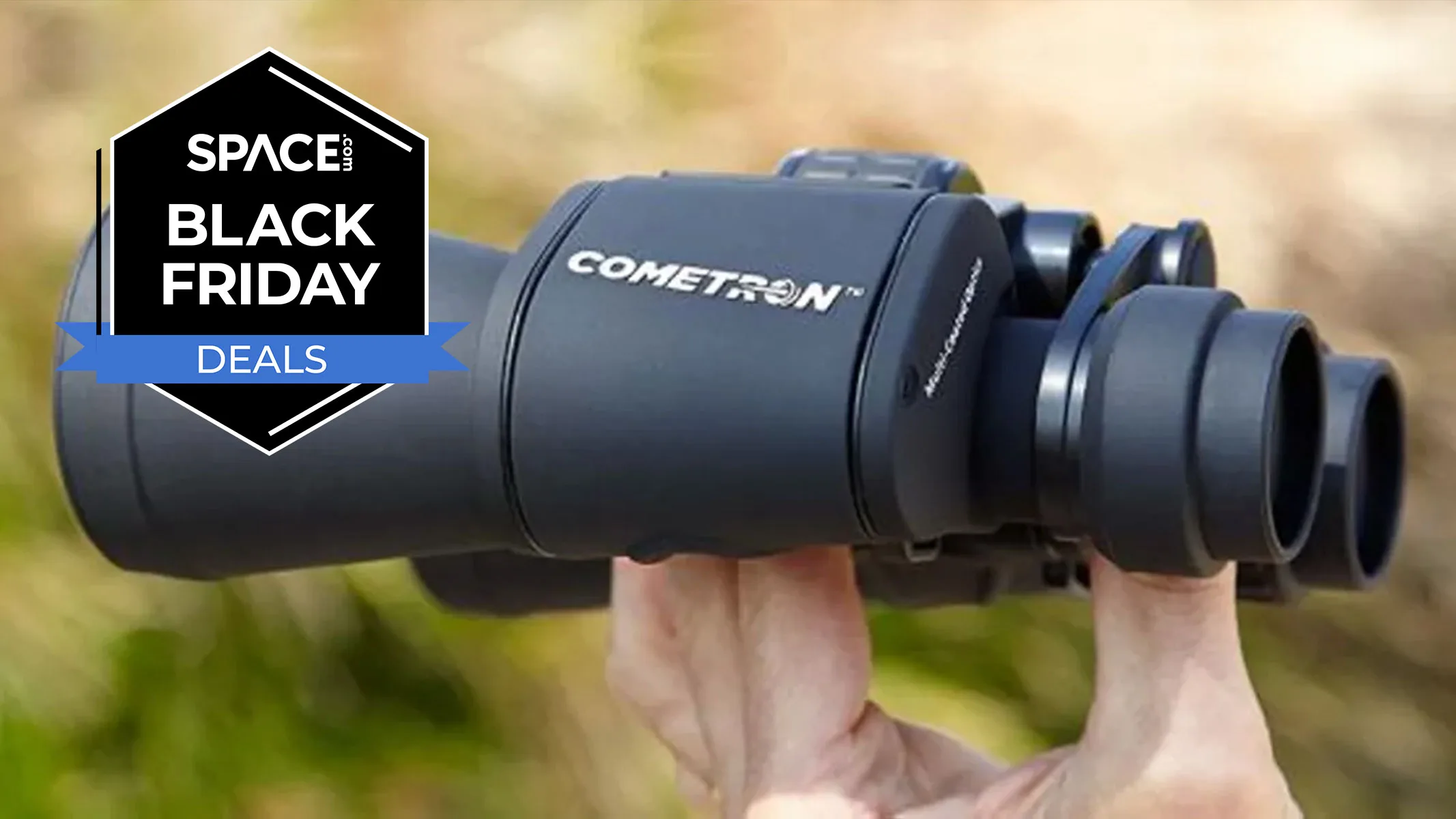
The Celestron Cometron 7×50 is the kind of cheap astronomy buy that actually earns its place. At $36 on Amazon, down from a usual $48, these binoculars cost less than many phone cases while offering a genuinely useful way to look past the streetlights and into the night sky.
As Space reported, the 25% discount puts Celestron’s beginner-oriented 7×50 model at its lowest listed price since a $34 dip in June 2026. The publication gave the binoculars four out of five stars in its review, praising their affordability and broad-field usefulness for newcomers.
That deal matters less because $12 has vanished from the price tag, frankly, than because binoculars remain the most overlooked on-ramp to astronomy. A first telescope can be thrilling right up until someone has to collimate it, carry it outside, find a target and explain why Saturn is not immediately filling the eyepiece. Binoculars skip most of that ceremony.
- The Celestron Cometron 7×50 is selling for $36, a 25% reduction from its typical $48 list price.
- The Celestron Cometron 7×50 pairs modest 7x magnification with 50mm lenses, a sensible formula for beginner skywatching.
- Binoculars offer a wider, easier-to-find view than a telescope, especially for the Moon, star fields and bright clusters.
- The low price comes with limits: BK-7 optics and water resistance are not substitutes for premium weatherproof binoculars.
Table of Contents
Why the Celestron Cometron 7×50 works for beginners
The model name tells most of the story. The 7x figure means objects appear seven times closer, while the 50 refers to the diameter, in millimetres, of each front lens. That combination favors a wide, bright view rather than huge magnification. For a beginner trying to sweep across Orion, trace the Pleiades or find a comet, that is the right compromise.
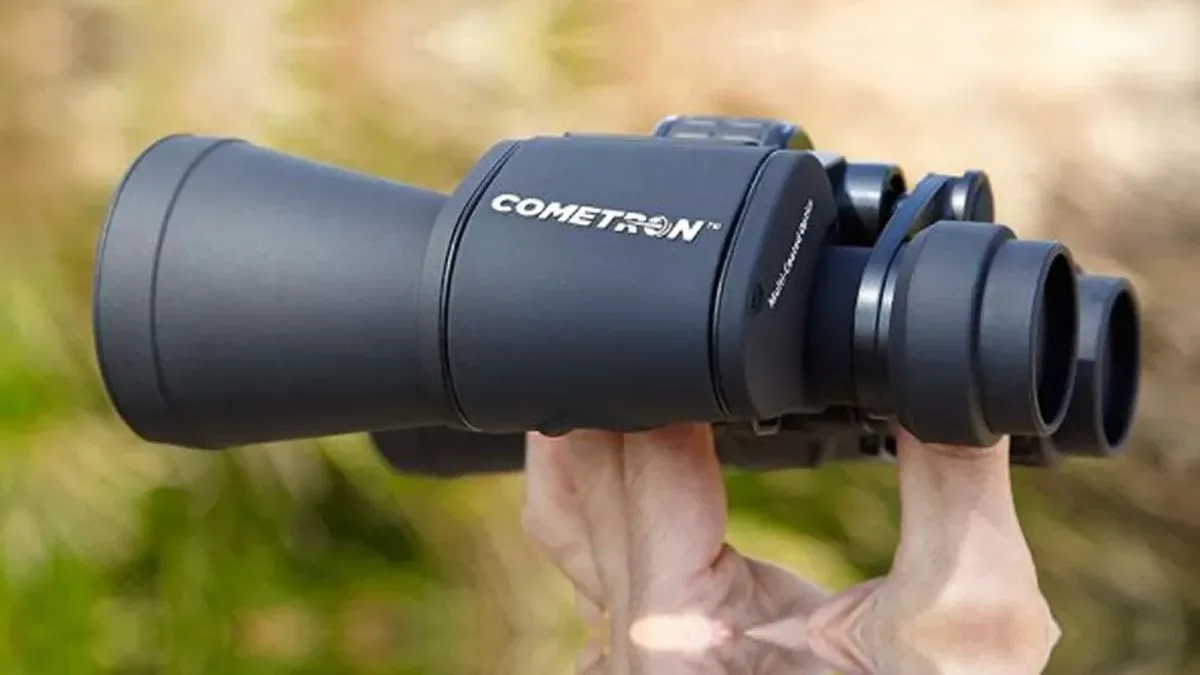
Celestron lists a 6.8-degree angular field of view, 13mm of eye relief, multi-coated optics and BK-7 porro prisms for the Celestron Cometron 7×50. In plainer English: it should show a generous piece of sky at once, though it is not built around the premium optical glass or sealed construction found in much pricier birding and astronomy binoculars.
Seven-power magnification also avoids a common rookie mistake. Higher magnification sounds better in a product listing, but it magnifies handshake too. Ten-power binoculars can be perfectly viable, yet many people will get steadier views at 7x without a tripod. That matters after a few minutes outside, when cold hands and an awkward viewing angle start turning astronomy into an arm workout.
The 50mm objectives are the other half of the bargain. Large lenses admit more light than compact 25mm or 32mm pairs, which helps stars stand apart from a dark background. But they do not repeal physics: suburban skyglow will still drown out faint galaxies and nebulae. A dark park or campsite remains a better upgrade than simply buying bigger optics.
A $36 deal, with sensible caveats
At 27 ounces, or roughly 777 grams, the Celestron Cometron 7×50 is not featherweight. That is manageable for short observing sessions and likely workable for older children, but it is worth remembering that 50mm binoculars are a noticeably different proposition from a tiny travel pair. A neck strap is not a luxury here.
The specification sheet also calls them water-resistant, not waterproof. That distinction is easy to ignore until dew settles on everything during a late-night meteor shower. These are not the pair to casually leave exposed in rain or toss into a wet hiking pack. Nor should buyers expect the edge-to-edge sharpness, high-end coatings or rugged sealing of premium alternatives from Nikon, Canon or Celestron’s own higher-tier lines.
Still, the Celestron Cometron 7×50 gets the big decisions right for its audience. Its low magnification and broad field make targets easier to locate; its large objectives prioritize brightness; and its price removes the pressure to turn a casual interest into a four-figure hobby. That is more useful than a spec-sheet arms race.
What binocular astronomy can actually show you
Set expectations properly and binocular astronomy is far from a consolation prize. The Moon becomes an obvious first stop, with major maria and the terminator line offering changing shadows from night to night. Jupiter can reveal its four brightest Galilean moons as pinpoints. The Pleiades look better in a wide field than they do crammed into the narrow view of many telescopes.
The real payoff arrives under darker skies. The Celestron Cometron 7×50 can help observers follow the cloudy texture of the Milky Way, explore star clusters and catch bright comets when one is conveniently passing through the inner solar system. It will not resolve the rings of Saturn or deliver magazine-cover nebula photos. That requires more aperture, a mount, or both.

For anyone buying a first pair, the unglamorous advice is to use them in daylight before aiming at the sky. Adjust the interpupillary distance, focus each side if needed, and learn how the central focus wheel responds. Then start with an obvious target. The Moon is the astronomy equivalent of learning to cook an egg: not flashy, but it tells you quickly whether the fundamentals are working.
Black Friday is becoming a better time for entry-level space gear
Black Friday deal coverage tends to make every price drop sound urgent. Most of it is noise. But astronomy equipment is one category where a modest discount can change the recommendation because beginners are often choosing between taking a chance and doing nothing at all. At $36, the Celestron Cometron 7×50 occupies a sensible middle ground between toy-store optics and serious, expensive glass.
The bigger question is whether companies such as Celestron can keep making entry-level gear that builds curiosity rather than frustration. A cheap telescope with a wobbly tripod has probably sent more people back indoors than cloudy weather ever did. A straightforward binocular set, by contrast, meets people where they are: on a balcony, in a backyard, or standing outside after dinner wondering what that bright point near the Moon might be.
If the price holds through the Black Friday period, the Celestron Cometron 7×50 is an easy recommendation for a curious beginner, a family gift or a backup wide-field pair. The next clear night is still not included, sadly. Nobody has managed to discount that yet.