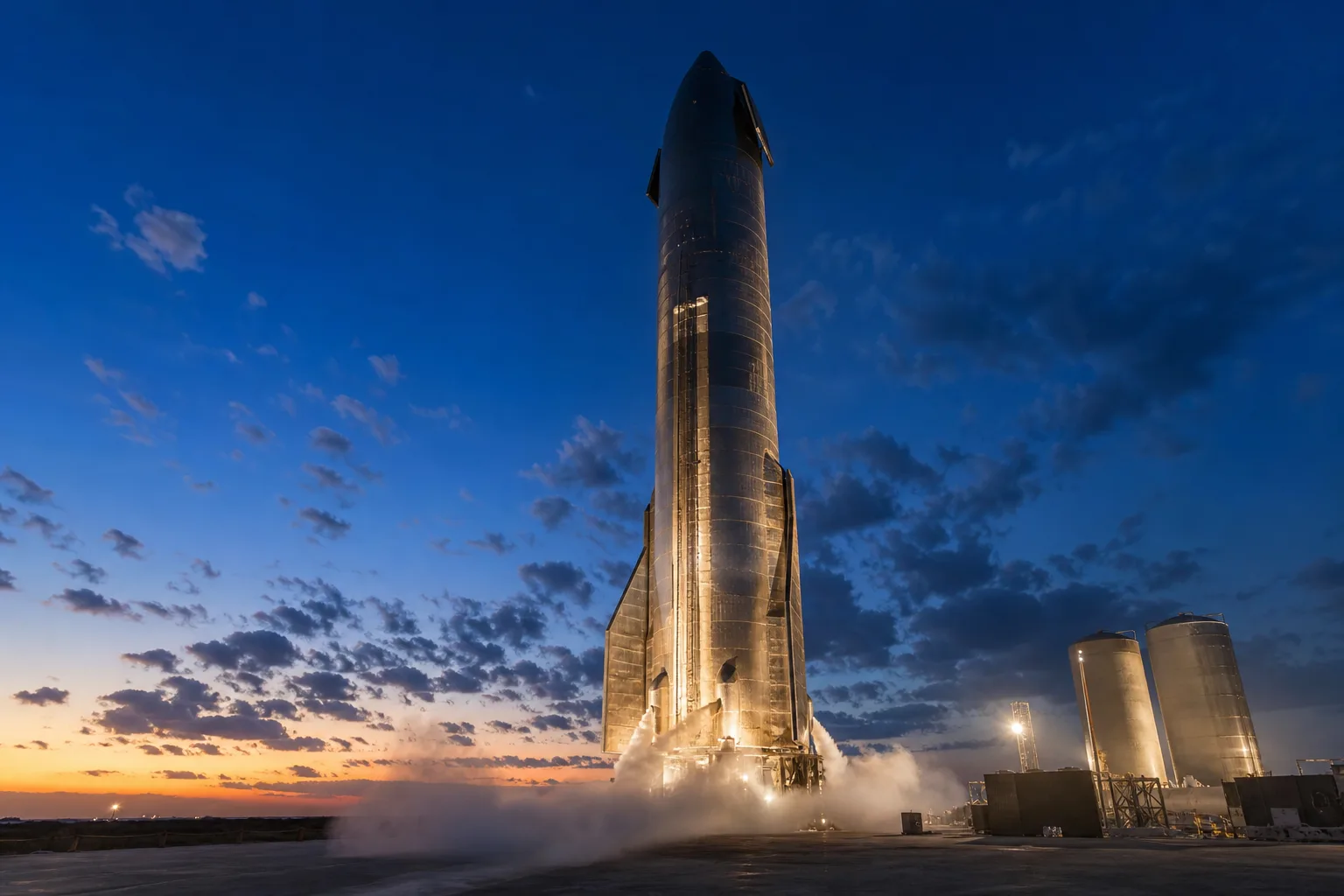
For most of modern spaceflight history, rockets followed satellites. Engineers would survey what the industry needed, size their vehicles accordingly, and compete for contracts on the margins. That dynamic is now breaking down — and Starship launch capacity is the single biggest reason why. SpaceX’s towering two-stage rocket, capable of hauling more than 100 metric tons to low-Earth orbit, isn’t just a bigger rocket. It’s forcing an entire industry to ask a question it’s never seriously had to ask before: what do you build when the rocket stops being the limiting factor?
- Starship launch capacity of over 100 metric tons to LEO is rewriting how satellites are designed and built.
- For decades, rockets were engineered around satellites — Starship launch capacity is inverting that relationship entirely.
- NASA, the US military, and scientists are all exploring how to exploit Starship’s enormous volume and payload headroom.
- China is actively developing its own super-heavy-lift vehicle in response to SpaceX’s growing dominance in orbital launch.
Table of Contents
The Old Rules of Rocket Design
To understand why this moment matters, it helps to know how the launch industry used to work. Rocket developers were, in essence, infrastructure builders. They didn’t get to dictate terms. Satellite operators — whether commercial telecoms, government agencies, or scientific institutions — had specific needs, and rockets were built to serve those needs. A communication satellite going to geostationary orbit needed a certain throw weight and a specific fairing diameter. Rocket engineers designed around those specs.
The logic was brutally simple: small satellites got small rockets, large payloads got heavy lifters. The market was orderly, if not especially exciting. Companies like Arianespace, United Launch Alliance, and eventually SpaceX competed fiercely for the same pool of established satellite contracts. Innovation happened, but it was largely incremental. Fairing sizes grew. Propellant efficiency improved. Reusability — led by SpaceX’s Falcon 9 — cut prices dramatically. But the fundamental relationship between rocket and payload stayed intact: the payload was in charge.
Starship Launch Capacity Changes the Equation
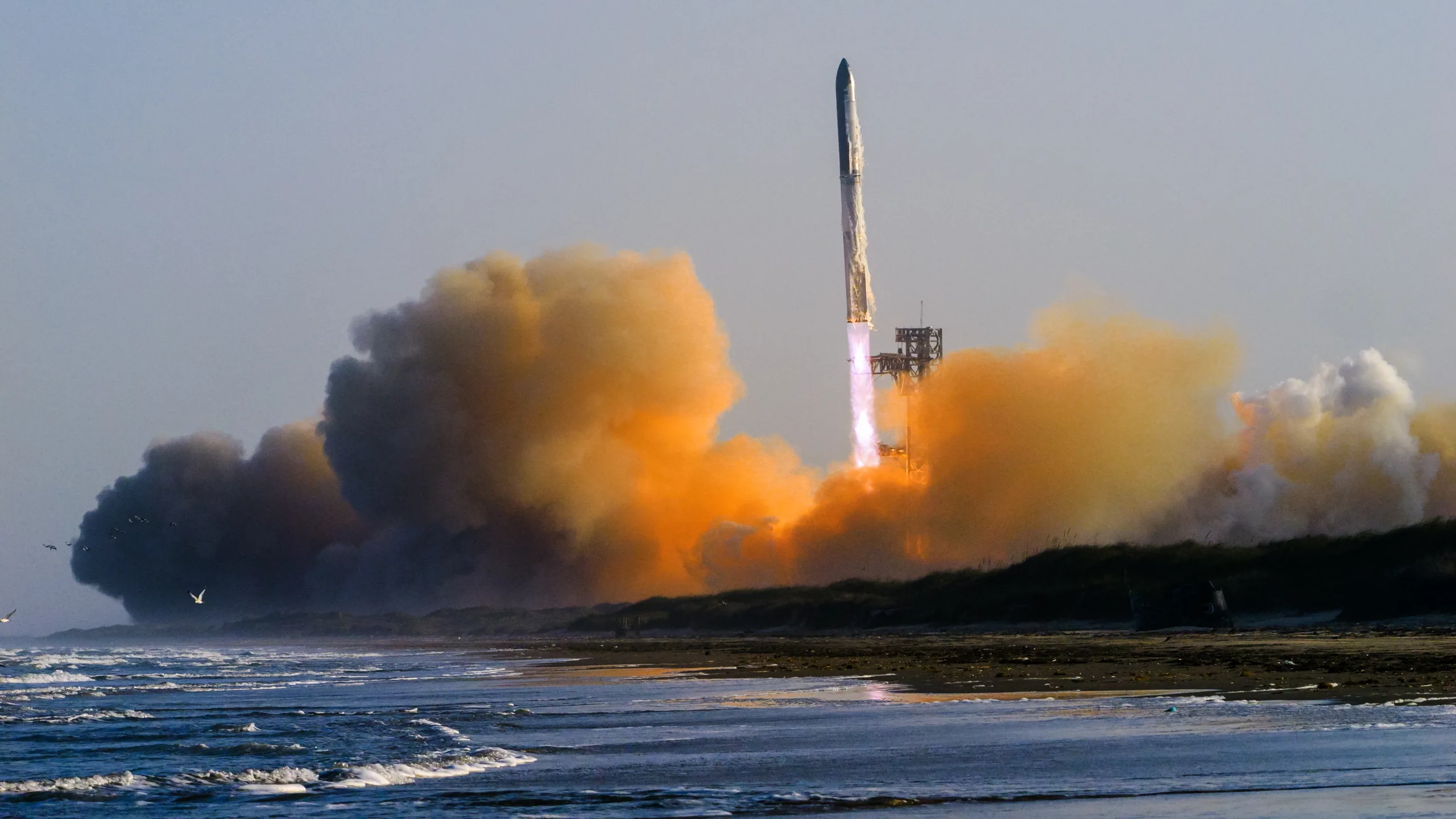
Starship launch capacity blows that model apart. More than 100 metric tons to LEO puts it in a class by itself — no operational rocket comes close. NASA’s legendary Saturn V Moon rocket held that distinction for decades, and Starship is the first vehicle to genuinely challenge that benchmark in the modern era. Unlike Saturn V, it’s designed to be fully and rapidly reusable. SpaceX’s ambition is to fly it like an aircraft, not like an expendable missile.
What makes that genuinely significant — beyond the headline number — is the possibility of in-orbit refueling. Tanker Starships could replenish a fully loaded vehicle after it reaches orbit, effectively extending its range without sacrificing payload mass. In theory, that means Starship launch capacity doesn’t just apply to LEO. It could, if SpaceX’s refueling plans work out, deliver those same 100-plus tonnes to the Moon, to Mars, or to highly elliptical orbits used by science missions. That’s a profound change in what’s possible — provided SpaceX can actually make it work. The refueling concept is still unproven at operational scale, and Starship itself remains very much in its experimental phase as of 2026.
Who’s Paying Attention — and Why
The list of institutions rethinking their plans around Starship launch capacity is striking in its breadth. NASA is perhaps the most prominent. The agency has already contracted SpaceX to use a Starship variant as its Human Landing System for the Artemis Moon program — a deal that alone signals how seriously the establishment space community is taking the vehicle’s potential. Beyond that, NASA scientists are eyeing Starship’s cavernous payload volume as a way to fly space telescopes that would otherwise be impossible. Current telescope design is fundamentally constrained by fairing dimensions. When your ride to orbit has a fairing roughly nine meters in diameter, you can build instruments that don’t fit on anything flying today.
The US military is also in the picture. There’s been open discussion inside defense circles about using Starship to move large amounts of military cargo rapidly across the globe — essentially a ballistic freight service. Whether that proves operationally practical or financially sensible is another question, but the fact that military planners are even running the numbers reflects how dramatically Starship launch capacity has expanded the imagination of potential users.
Satellite Makers Are Starting to Adapt
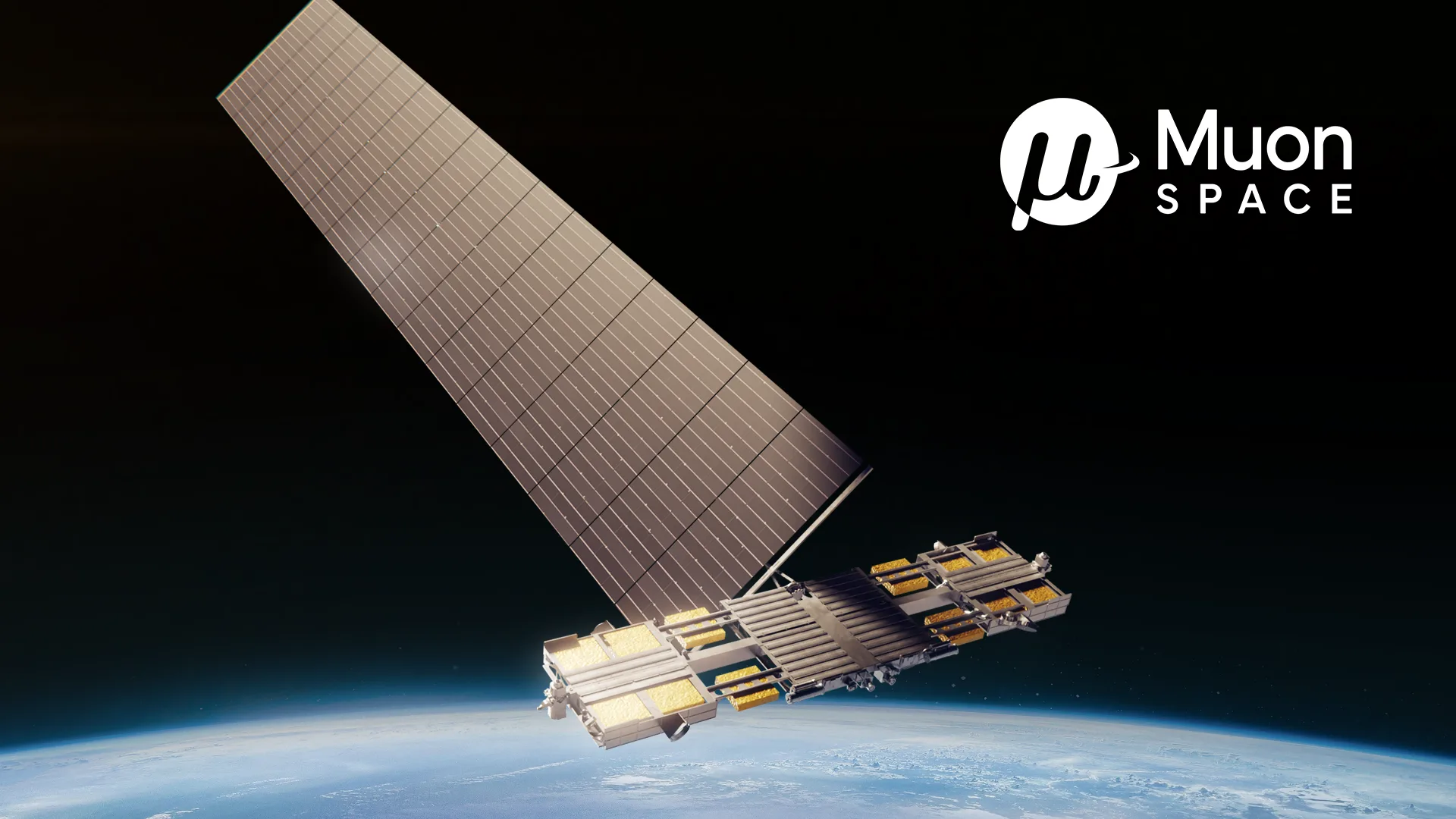
The most telling sign of the shift, though, is what’s happening among satellite manufacturers themselves. For the first time in a meaningful way, some US satellite companies are designing hardware with Starship launch capacity explicitly in mind — not retrofitting existing designs, but starting from the assumption that they’ll have access to an enormous rocket with generous mass margins and a huge fairing. That’s a reversal of the traditional flow. Instead of the satellite dictating the rocket’s specs, the rocket is shaping what satellites get built.
One concrete example: flat-panel satellite designs that previously had to fold and compress to fit inside conventional fairings can now be reconceived as much larger, more capable platforms. More antenna area means stronger signals. More solar panel real estate means more onboard power. More mass budget means better instruments or longer operational lifetimes. These aren’t incremental improvements — they’re the kind of step-change that only happens when a fundamental constraint disappears.
China Is Watching — and Building
No serious analysis of Starship’s implications is complete without acknowledging China’s response. Beijing has made no secret of its ambitions to match, and eventually surpass, the United States in launch capability. American officials have reportedly described China as the strongest strategic adversary the US has ever faced — a framing that has intensified since SpaceX began demonstrating Starship’s potential. China is now actively developing its own super-heavy-lift vehicle, with state-backed launch providers working toward capabilities that would rival, at least on paper, what Starship promises. The timeline is uncertain and the technical hurdles are real, but the intent is unmistakable.
This competitive dynamic matters beyond national pride. If China fields a credible super-heavy-lift rocket of its own, it fundamentally changes the geopolitics of who can build what kind of space infrastructure and at what cost. The race isn’t just about Mars — it’s about who controls the high ground of orbital logistics for the coming decades.
A New Era for the Launch Market
What we’re watching in 2026 is the early shape of something genuinely new: an era where Starship launch capacity — and the super-heavy-lift class it represents — defines the ceiling rather than the constraint. For decades, satellite operators built within limits. Now some of those limits are dissolving, and the industry is still figuring out what to do with that freedom.
There’s plenty of caution warranted. Starship hasn’t yet proven out its commercial reliability, and SpaceX’s most ambitious claims about refueling and rapid reusability remain to be demonstrated at scale. But the psychological shift is already real. Engineers who once started a satellite program by asking ‘what rocket can we afford?’ are now starting to ask ‘what’s the biggest, most capable thing we could build if mass and volume weren’t the problem?’ That’s a different conversation entirely — and wherever it leads, the launch market will look very different on the other side.
Frequently Asked Questions
What makes Starship launch capacity different from other rockets?
Starship can carry more than 100 metric tons to low-Earth orbit. With in-orbit refueling, that same capacity could potentially extend to higher orbits, the Moon, or Mars, though these benefits remain unrealized.
Is Starship actually ready for commercial satellite launches?
Not yet. Starship is still very much in its experimental phase and is far from proving its loftiest claimed capabilities. Significant development remains before operators can depend on it for routine missions.
Why are satellite manufacturers changing their designs because of Starship?
Historically, rockets were designed to match trends in the satellite industry and customer needs. Starship’s enormous capacity is reversing this dynamic, with some satellite manufacturers now adapting their designs to take advantage of the world’s most powerful rocket’s substantial capabilities.
How is China responding to Starship’s capabilities?
China, described as the strongest strategic adversary America has ever faced, is looking to develop its own equivalent to Starship. This reflects how Starship’s capabilities are being noticed by competitors and shaping broader space competition.