

Table of Contents
TikTok Users’ Move to RedNote Faces Major Challenges
Concerns over TikTok’s potential ban in the U.S. have pushed many users to look beyond the app they know. For creators, that search is not merely about finding another place to scroll. It is about preserving an audience, maintaining a posting routine and, in many cases, protecting the work that made their online presence valuable in the first place.
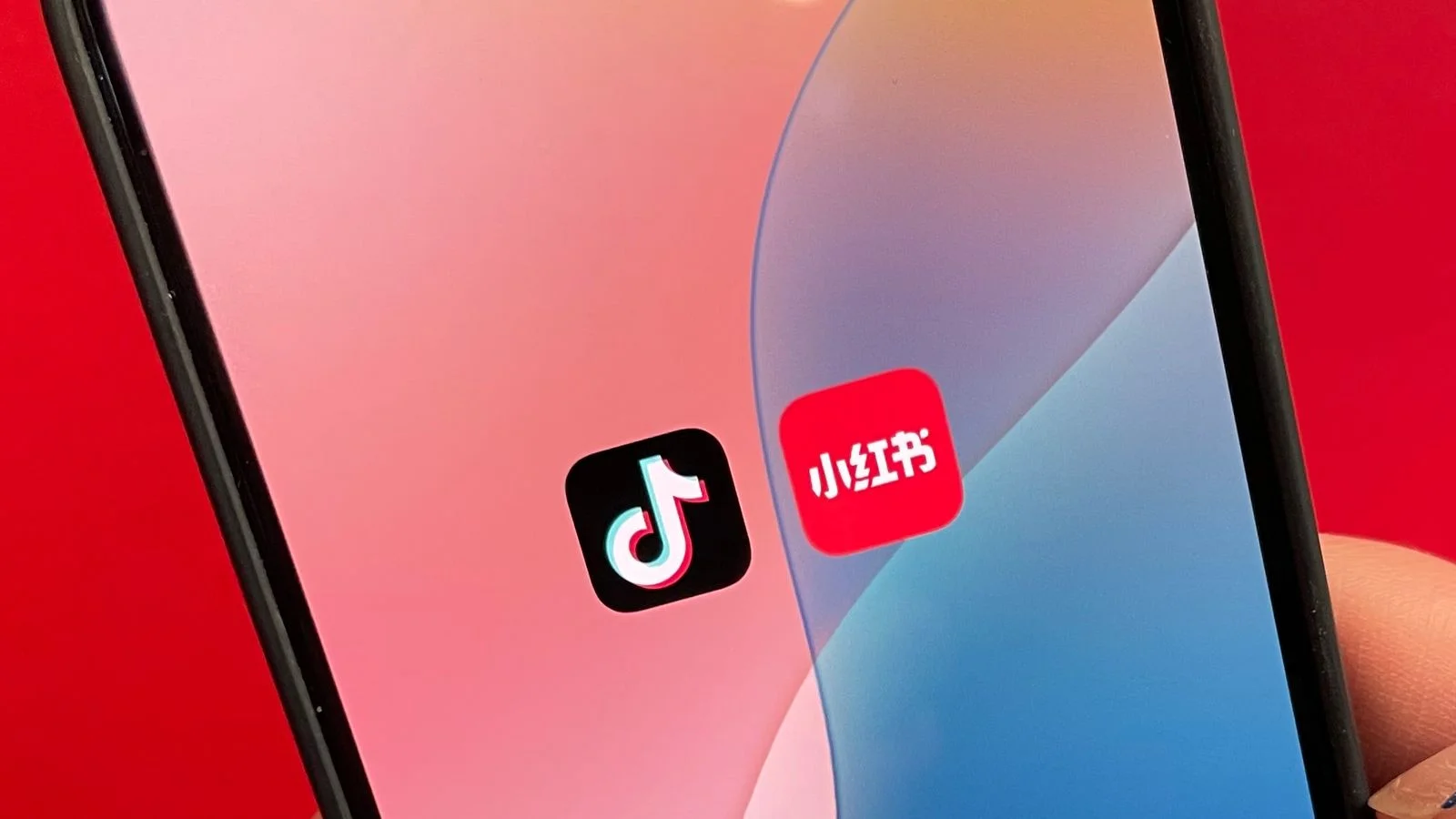
RedNote, also known as Xiaohongshu, emerged as one of the most visible alternatives. The app quickly climbed to the top of the U.S. App Store, helped by its apparent similarities to TikTok: short-form video feeds, creator-focused content and a format that feels familiar to people accustomed to discovering videos through an endless stream of recommendations.
But familiarity in the feed is not the same thing as a workable migration path. TikTok users arriving on RedNote have reported account suspensions, verification problems and rules that are difficult to interpret. Those issues have cast doubt on whether RedNote can serve as a viable replacement, particularly for creators who cannot afford to lose access to a newly built account without warning.
Related reading: US Government Faces Legal Challenge from TikTok Over App Ban Law, published on May 9, 2024 by SquaredTech.
Why RedNote Looked Like a Natural TikTok Alternative
RedNote’s initial appeal is easy to understand. It offers short-form video feeds and creator-focused content, two features that matter most to users trying to recreate a TikTok-style experience. The app also functions as a place for local recommendations, making it somewhat like Yelp or Google as well as a social platform. That mix gives it a purpose beyond entertainment: users can watch content, follow creators and look for ideas tied to places, products or everyday decisions.
For influencers and creators, the appeal was not only the interface. A move to a new platform can offer a chance to reach fresh viewers before the space becomes crowded. If a large group of TikTok users arrives at once, early adopters may have a better shot at rebuilding visibility than they would on older platforms where competition for attention is already intense.
Prominent figures joined the rush, including TikToker and entrepreneur Bethenny Frankel. Yet enthusiasm faded quickly for some users once account-related problems appeared. The complaints were not confined to professional creators. Casual users also encountered friction, an important distinction because a social platform cannot become a meaningful destination if ordinary viewers struggle to establish accounts and participate normally.
Account Bans Turn a Migration Into a Risk
Several TikTok users reported sudden account suspensions on RedNote. The reported reasons point to a difficult adjustment between a platform’s existing moderation systems and a wave of people bringing habits, content formats and expectations from elsewhere.
- TikTok watermarks
Users uploading videos with TikTok watermarks faced penalties. RedNote appears to discourage content tied to competing platforms, leading to account restrictions. That may make sense from a platform-control perspective: an app does not necessarily want its feed to become an archive of material branded by a rival. For users, though, watermarked clips are often simply the videos they already have ready to post. A penalty turns a seemingly practical shortcut into a possible account risk. - Verification issues
Many U.S.-based users struggled with account verification. The app offers phone number-based verification, but some users did not receive their codes. Repeated attempts flagged their accounts as potential bots, resulting in suspensions. This is especially damaging because verification is the front door to the service. A creator can adapt to a new feed or learn unfamiliar posting tools; they cannot build an audience if they are blocked before their account is fully usable. - Unclear policies
Some bans lacked clear explanations. Reports ranged from accounts frozen after uploading benign posts, such as pictures of food, to suspensions for seemingly normal interactions, including liking too many videos. Whether each case reflects automated enforcement, a misunderstanding or a policy users did not recognize, the practical outcome is the same: people do not know which actions are safe.
That uncertainty is the central problem. Platforms need moderation rules, and large online communities inevitably rely on systems designed to detect spam, bots and behavior that may violate policy. But users are more likely to accept enforcement when they can understand what happened, what rule applied and whether there is a way to correct the problem. When an account is frozen after a food photo or after liking too many videos, the line between normal use and suspicious activity can appear arbitrary.
RedNote’s reported issues suggest a lack of clarity in its community guidelines and enforcement policies for this new audience. That matters more during a migration than it might during ordinary growth. People arriving from TikTok are often testing the app under pressure. They may be reposting existing work, moving quickly to follow friends and creators, or trying to establish a presence before an uncertain U.S. TikTok situation affects them. Those are precisely the actions that can collide with systems watching for unusual activity.
Audience Portability Has Limits
The broader lesson is that audiences do not move as cleanly as creators hope. A creator can tell followers where to go, but followers must choose to install another app, learn its culture and decide that it is worth opening regularly. Even then, the creator has to find an audience again through a new recommendation system and a different set of platform norms.
RedNote’s local-recommendation function may help distinguish it from a pure short-video destination, but that difference also means TikTok users cannot assume they are entering an exact copy of the platform they left. The feature set may overlap, yet the social expectations, moderation practices and ways users find content can still feel different. A platform becomes a replacement only when people can use it predictably, not simply when it offers similar videos.
This is why account restrictions have an outsized effect. For a casual user, a suspension can be frustrating. For someone whose work depends on frequent posting and audience continuity, it can make the platform too uncertain to prioritize. The issue is not only whether RedNote can attract downloads; it is whether it can keep users confident that the effort they put into posting will remain accessible.
Instagram and YouTube Have a Clear Advantage
As RedNote’s challenges grow, competitors such as Instagram and YouTube are positioned as more reliable options for creators. These platforms already have established user bases and monetization tools, which gives them an advantage for people trying to rebuild or expand an audience. They may not replicate TikTok exactly, but creators generally understand the trade-off: they are entering familiar ecosystems with existing pathways for publishing, discovery and earning.
That familiarity can matter more than novelty during a period of uncertainty. Creators deciding where to invest their time are likely to weigh not only reach but also account stability, clarity around rules and the likelihood that followers are already present. Meta and Google platforms have a practical appeal on those terms, especially when RedNote users are reporting bans with unclear explanations.
The migration from TikTok to RedNote shows why switching platforms is harder than choosing the next app in a list of downloads. RedNote drew attention because it offered familiar short-form video features alongside local recommendations, and its rise to the top of the U.S. App Store showed the scale of interest. Yet interest can fade quickly if verification fails, posts trigger unexplained restrictions or users fear that ordinary activity may result in suspension.
For now, TikTok users considering RedNote need to weigh its appeal against the reported problems surrounding watermarks, phone-based verification and unclear enforcement. Creators may still experiment with the app, but relying on a single destination is a risk when access itself feels uncertain. That uncertainty may send more users back toward Instagram and YouTube, where established audiences and monetization tools offer a clearer foundation.
Stay Updated: Tech News

