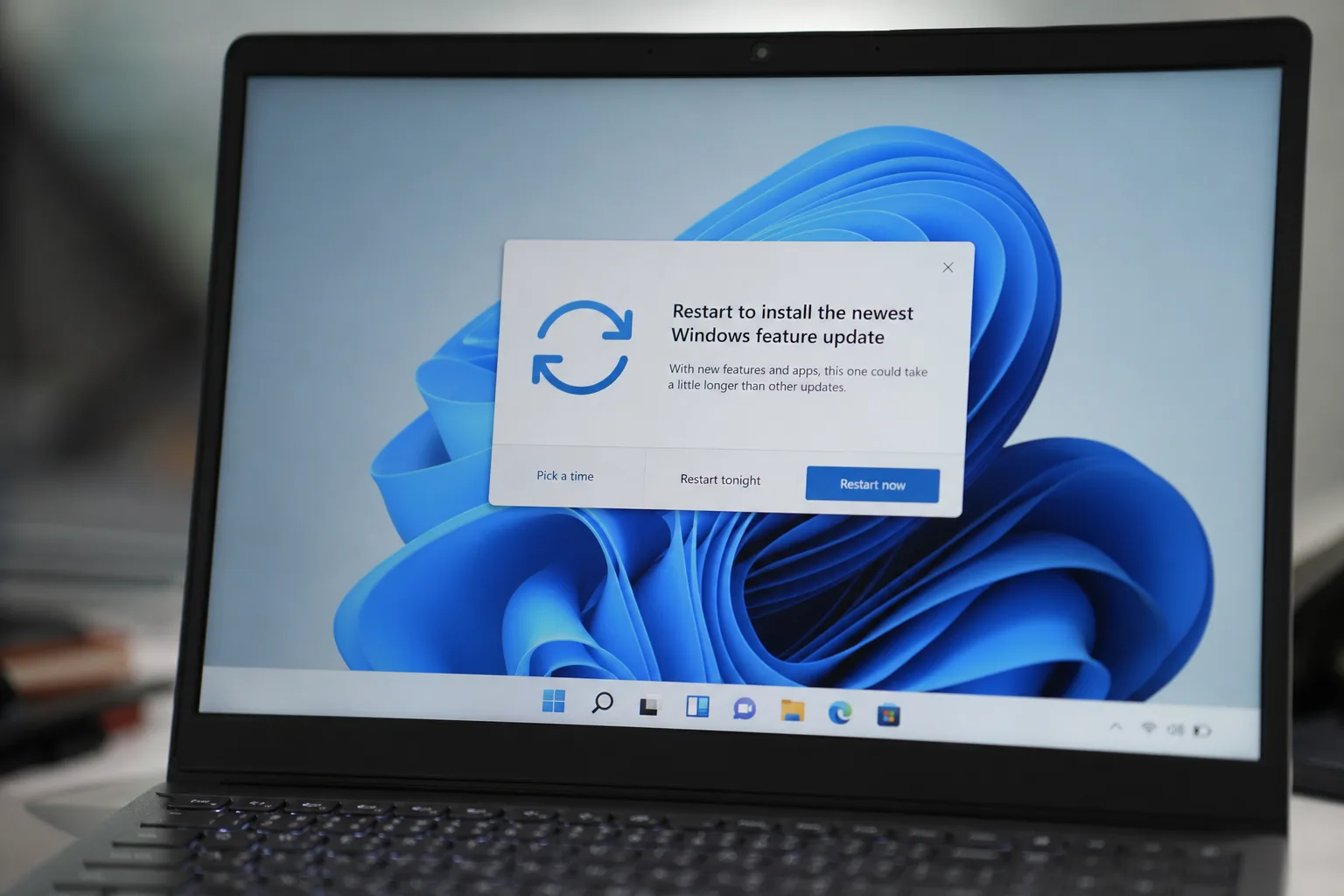
Microsoft has quietly extended its Windows 10 extended support deadline by another year, pushing the end of the Extended Security Updates program from October 12, 2026 to October 12, 2027. There was no press conference, no blog fanfare — just a date change on a support page and a small editor’s note buried in an existing post. That low-key approach tells you almost everything about how Microsoft feels about this situation.
- Microsoft has pushed Windows 10 extended support to October 12, 2027, a full extra year beyond the original deadline.
- Windows 10 extended support was already a free concession — Microsoft blinked first when Windows 11 adoption stalled.
- Windows 11 had only barely overtaken Windows 10 in usage share when official support ended in October 2025.
- Microsoft quietly updated its ESU page and added an editor’s note to its blog post with no formal announcement.
Table of Contents
What Changed and Why It Matters
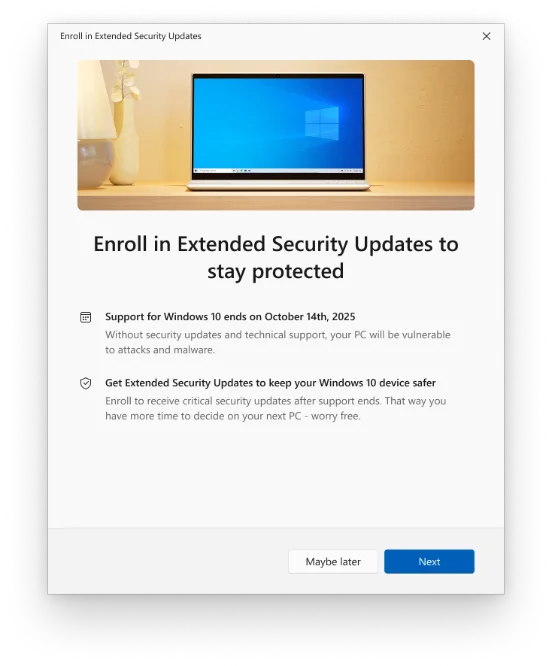
When Microsoft officially ended mainstream support for Windows 10 in October 2025, it handed every user on the old OS a free year of Windows 10 extended support through its Extended Security Updates program. That was already a significant concession — historically, ESU access has been a paid enterprise perk, not a gift to consumers. The message at the time was clear: here’s a safety net, now please upgrade to Windows 11.
Except people didn’t. Not fast enough, anyway. According to Statcounter’s desktop OS data, Windows 11 had only barely edged past Windows 10 in global usage share by the time the support cutoff arrived. That’s a remarkable fact when you consider Windows 11 launched in October 2021 — nearly five years of availability, and it couldn’t decisively take the crown. Microsoft found itself in a bind: let hundreds of millions of unpatched Windows machines roam the internet, or blink first. It blinked.
Windows 10 Extended Support: The Details
The mechanics of the ESU program are straightforward. After the regular update pipeline stops, Microsoft continues pushing security patches — no new features, no UI changes, just fixes for the vulnerabilities that keep appearing whether Microsoft wants them to or not. For the average home user still on Windows 10, nothing changes in practice. Updates keep arriving, the machine stays protected, and the pressure to buy a new PC or upgrade to Windows 11 eases for another twelve months.
The updated deadline of October 12, 2027 now gives Windows 10 extended support users two full years of post-mainstream-support security coverage at no charge. Whether Microsoft extends the program a third time remains to be seen, but the pattern is already forming. Every extension makes the next one easier to justify — and harder to stop.
The Ghost of Windows XP
If you want a preview of how this could play out, look at Windows XP. Microsoft’s extension of XP support became a running industry joke — and then a serious security crisis. Microsoft extended the support window for Windows XP numerous times throughout the 2010s, largely because governments, hospitals, and ATM networks were still running it. Even after the final cutoff, Microsoft reportedly issued additional patches for XP to address critical vulnerabilities that continued to plague legacy infrastructure.
Windows 10 isn’t XP. It’s a vastly more secure operating system, it runs on far more capable hardware, and it doesn’t have quite the same grip on critical infrastructure. But the dynamic is familiar: an operating system becomes so embedded in daily life that Microsoft can’t afford to simply abandon it, no matter how much it wants to accelerate adoption of the next thing. The company’s scale — Windows runs on millions of PCs and so many devices and form factors — is both its greatest asset and its biggest operational headache.
Why Windows 11 Adoption Has Been So Slow
The honest answer is that Microsoft made Windows 11 deliberately harder to reach. The operating system’s hardware requirements — specifically the mandatory TPM 2.0 chip and the restriction to 8th-generation Intel processors or newer AMD equivalents — drew an artificial line in the sand that excluded hundreds of millions of machines that are, by any practical measure, still perfectly functional. A 2018 laptop running an i7-7700HQ can handle everything Windows 11 does. Microsoft says no anyway.
The stated rationale is security: TPM chips enable features like Windows Hello and hardware-backed encryption that Microsoft considers non-negotiable for a modern OS. That’s a defensible position. But from a user’s perspective, being told to spend $600–$1,000 on a new PC to run an operating system that looks almost identical to the one they already have is not a compelling pitch. Especially when Windows 10 extended support keeps arriving for free.
What This Means Going Forward
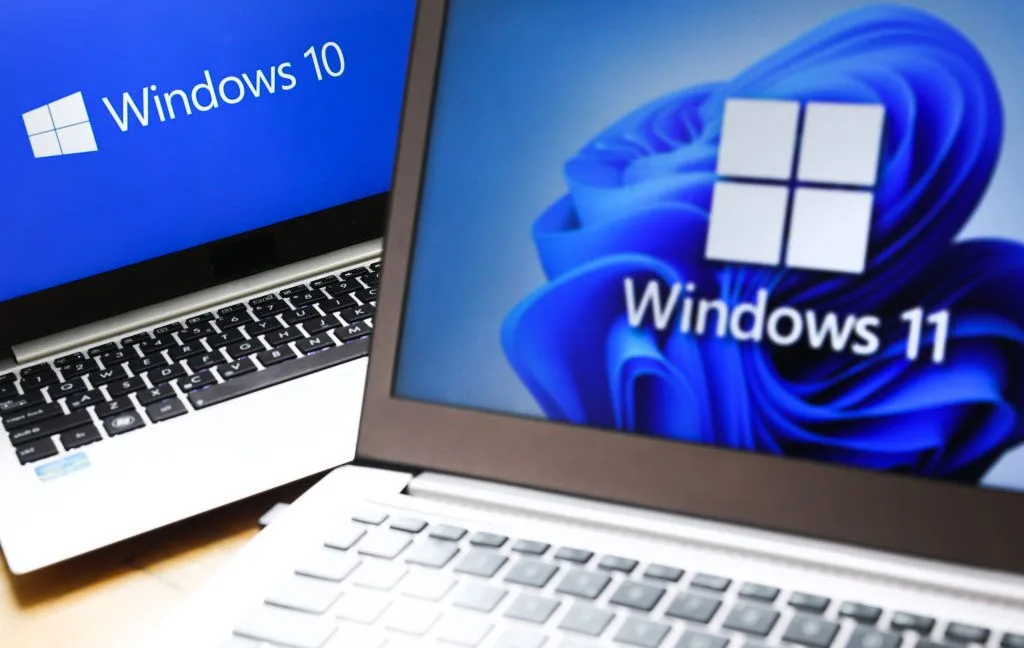
The practical implication of the 2027 deadline is that Windows 10 will remain a major presence on the internet for at least the next two years — and realistically well beyond that. Enterprise IT teams that have been procrastinating on bulk upgrades now have breathing room thanks to Windows 10 extended support covering security patches through October 2027. Small businesses running a mix of old and new hardware don’t face an immediate crisis. And the average home user who just doesn’t want to deal with the hassle of upgrading can defer that decision a little longer.
For Microsoft, the calculus is more complicated. Every day Windows 10 stays alive is a day Windows 11 adoption numbers look underwhelming. It also means resources — engineers, patch teams, QA infrastructure — have to keep servicing an aging codebase rather than being fully redirected toward whatever comes next. There are reports that Microsoft is working on a significant Windows update or successor beyond Windows 11, and carrying Windows 10 into 2027 and potentially beyond complicates that story considerably.
There’s also a commercial angle worth watching. Microsoft charges enterprises for ESU access beyond the free tiers, and a two-year extension window creates a revenue stream from large organizations that simply won’t upgrade on Microsoft’s preferred timeline. It’s not altruism — it’s pragmatic product management dressed up as customer accommodation.
The real question isn’t whether Microsoft will extend Windows 10 extended support again after 2027. It’s whether Windows 11 will have established enough of a foothold by then to make another extension genuinely unnecessary — or whether Microsoft will find itself in October 2027 updating another support page with barely a whisper, just like it did this time.