

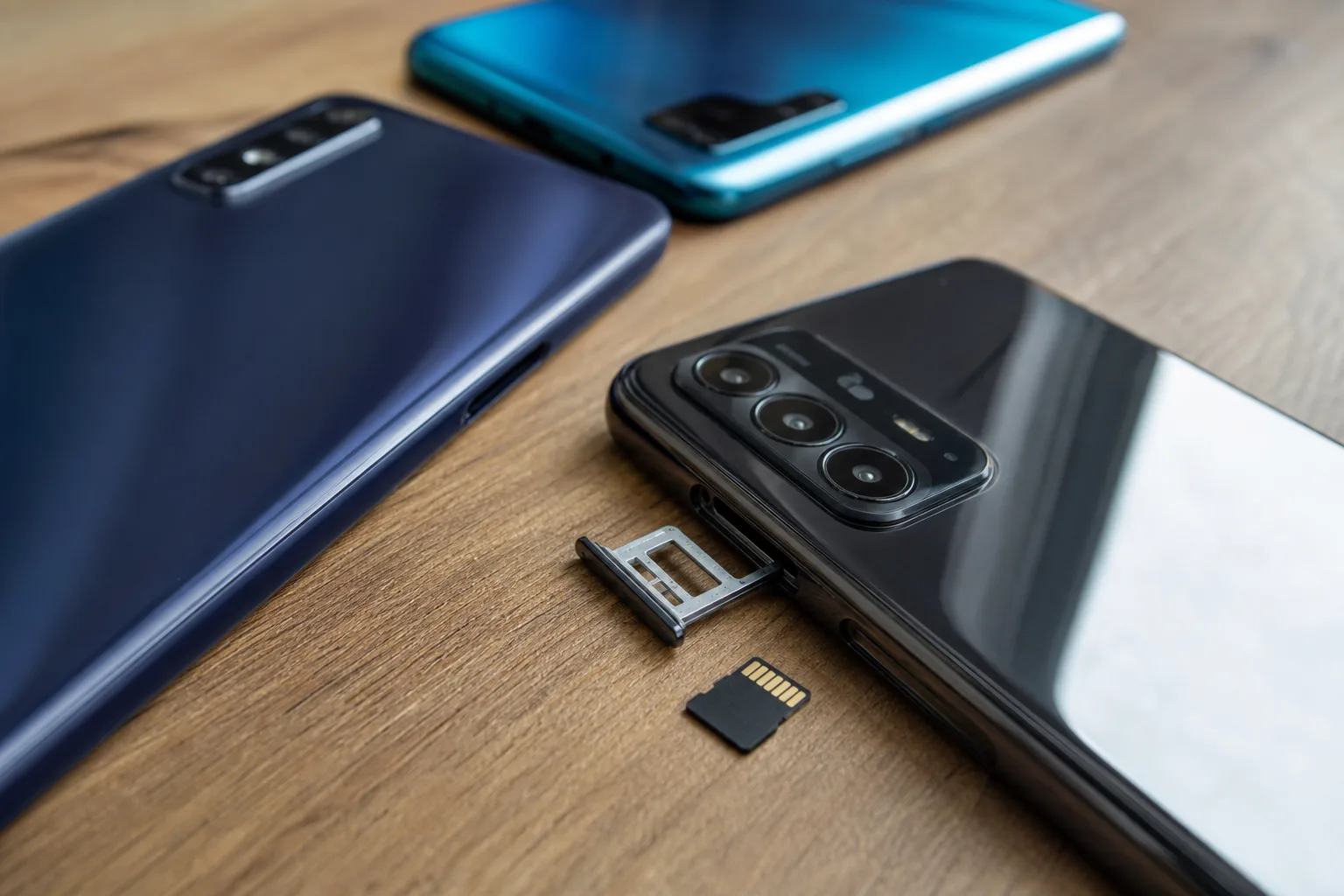
Buying a phone with more storage has become an oddly expensive exercise, which is why microSD Android phones deserve another look in 2026. The industry spent years treating the card slot as old-fashioned baggage. Now, with higher memory configurations carrying steeper markups, that little tray is starting to look less like nostalgia and more like a sensible escape hatch.
There is a catch: the selection is thin, and nearly every serious option sits below the flagship tier. Samsung’s Galaxy S phones, Google’s Pixels, and most premium Chinese flagships have long since moved on. But if your actual priority is keeping years of photos, downloaded shows, lossless music, or field files on your device without financing a 1TB handset, the survivors are more capable than their budget-friendly reputations suggest.
- microSD Android phones remain a sensible answer to rising storage prices, especially for buyers who keep large offline media libraries.
- The best microSD Android phones in 2026 cluster around Samsung, Motorola, and TCL rather than expensive flagship brands.
- Motorola offers the widest range, from a $200 rugged Moto G Power to a stylus-equipped mid-range model.
- Expandable storage is useful for photos and downloads, but app support and card speed still shape the real experience.
Table of Contents
Why microSD Android phones are back in the conversation
Internal storage pricing has always been one of the phone business’s tidier profit engines. Moving from 128GB to 256GB often costs a buyer far more than the underlying component difference would suggest. With memory costs reportedly putting more pressure on handset prices in 2026, the gap feels even harder to ignore. A good 512GB microSD card gives you a lot of room for media at a fraction of an upgrade tier’s cost.
That does not mean a card slot fixes every storage problem. Android has become more restrictive about moving apps to removable storage, partly for security and partly because a bargain-bin card can make an app feel glacial. Treat expandable storage as a garage, not a new kitchen: excellent for things you need nearby, less ideal for the stuff you use constantly. Buy a reputable, fast card, and keep your phone’s internal storage for apps, system files, and camera processing.
For buyers comparing microSD Android phones, the slot itself is only the starting point. Is the phone good enough to keep for several years? Does it have decent water resistance? Is its software commitment respectable? On that score, a handful of models stand apart.
The strongest picks, from practical to specialized
Samsung Galaxy A55 5G
The Galaxy A55 5G remains one of the more polished microSD Android phones, even if Samsung never formally brought it to the US market. Imported 128GB models have been sold around $430, and its hybrid SIM tray accepts either a second SIM or a microSD card up to 1TB. That compromise is annoying for frequent travelers, but it is manageable for most people.
Samsung gave the A55 a reassuringly premium physical package: an aluminum frame, Gorilla Glass on the rear, Victus Plus protection over the display, IP67 dust and water resistance, and a 120Hz AMOLED panel. Its Exynos 1480 chip is not a flagship performer, but it is capable enough for day-to-day multitasking and moderate gaming. The 5,000mAh battery and competent 50MP daylight camera make this a phone you could realistically live with rather than merely tolerate.
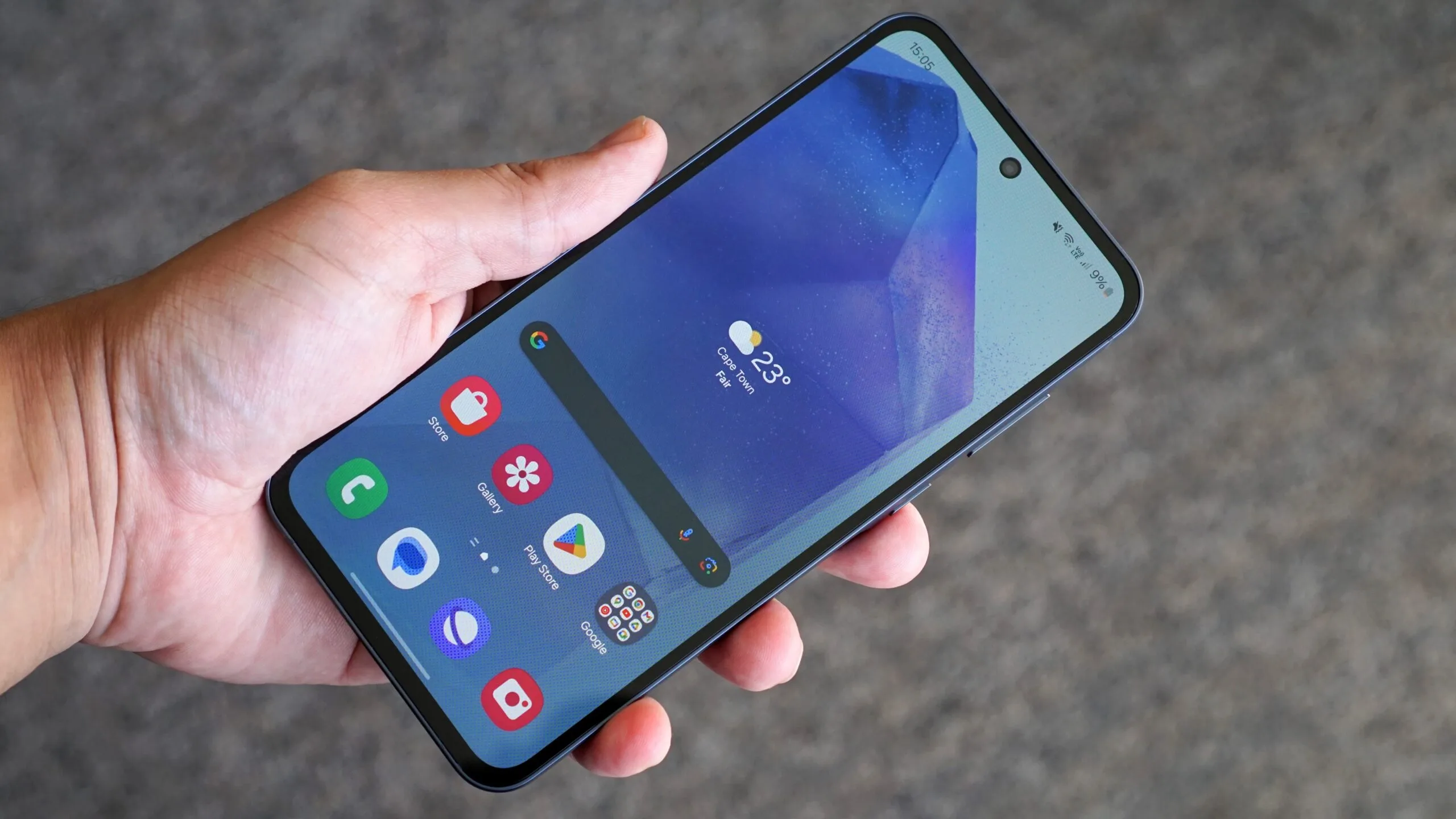
The weak spots are familiar mid-range Samsung territory. Low-light shots are less convincing, the extra cameras are not much to get excited about, and Samsung has packed in more software clutter than it needs to. Still, the A55 makes the strongest case for someone who wants expandable storage without feeling as if they have bought a bare-minimum device. Samsung’s current Galaxy A-series lineup also offers a useful reference point for regional availability, which can vary considerably for the A55.
Moto G Power 2025
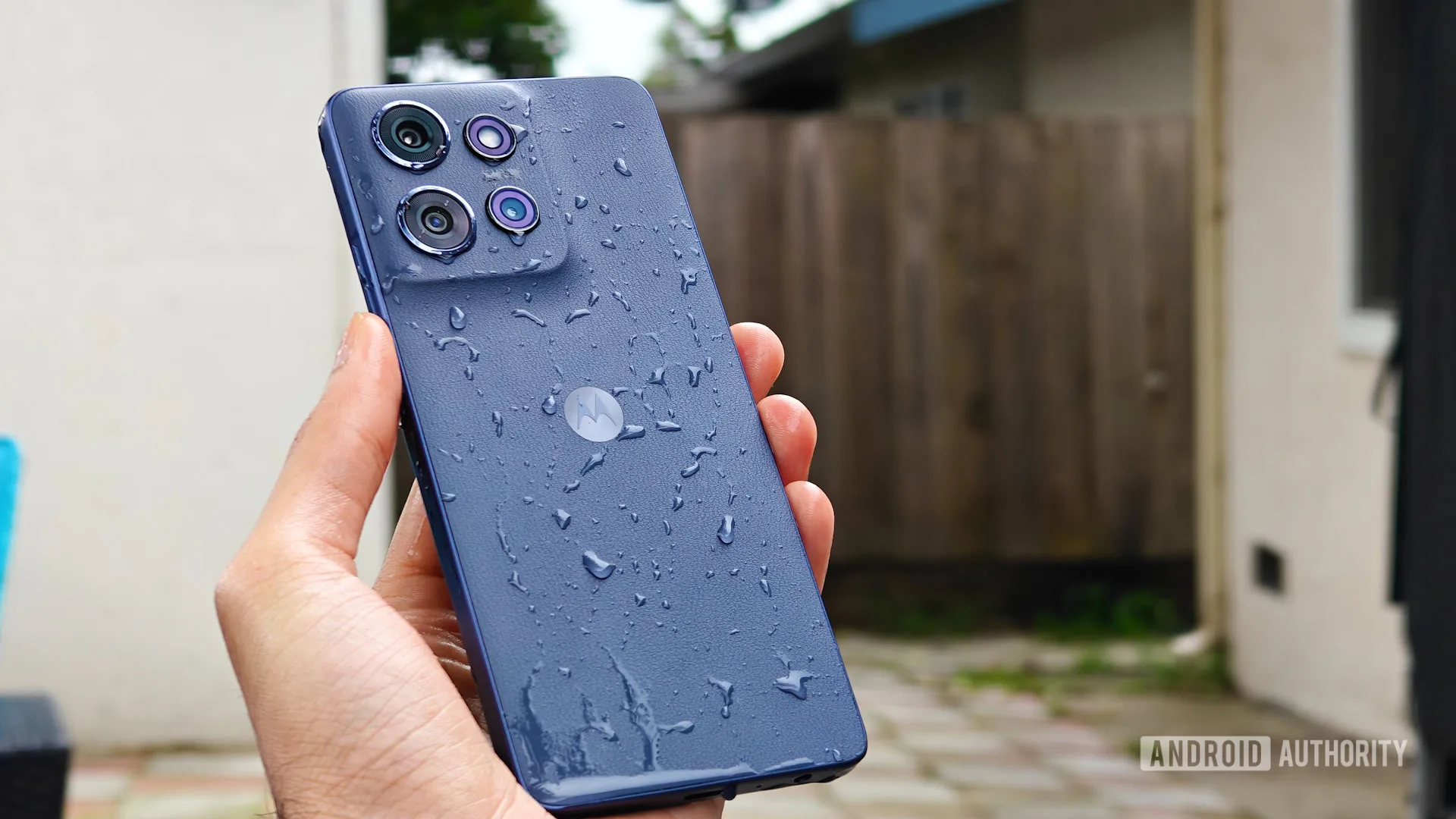
At roughly $200 with 8GB of RAM and 128GB of storage, Motorola’s Moto G Power 2025 is the value play among microSD Android phones. Its headline feature is not even the card slot: Motorola combines IP68 and IP69 protection with MIL-STD-810H testing, wireless charging, and a 5,000mAh battery. At this price, that is unusually well-rounded hardware.
Performance is where reality arrives. The MediaTek Dimensity 6300 is fine for messaging, navigation, streaming, web browsing, and the usual social apps. Push it into demanding games or heavy multitasking and it will show its limits. Frankly, that is acceptable if the job is a durable everyday phone with room for files. It is not acceptable if you expect a $200 device to age like a $700 one. Motorola promises two Android version upgrades, so buyers should plan accordingly.
Moto G Stylus 2026
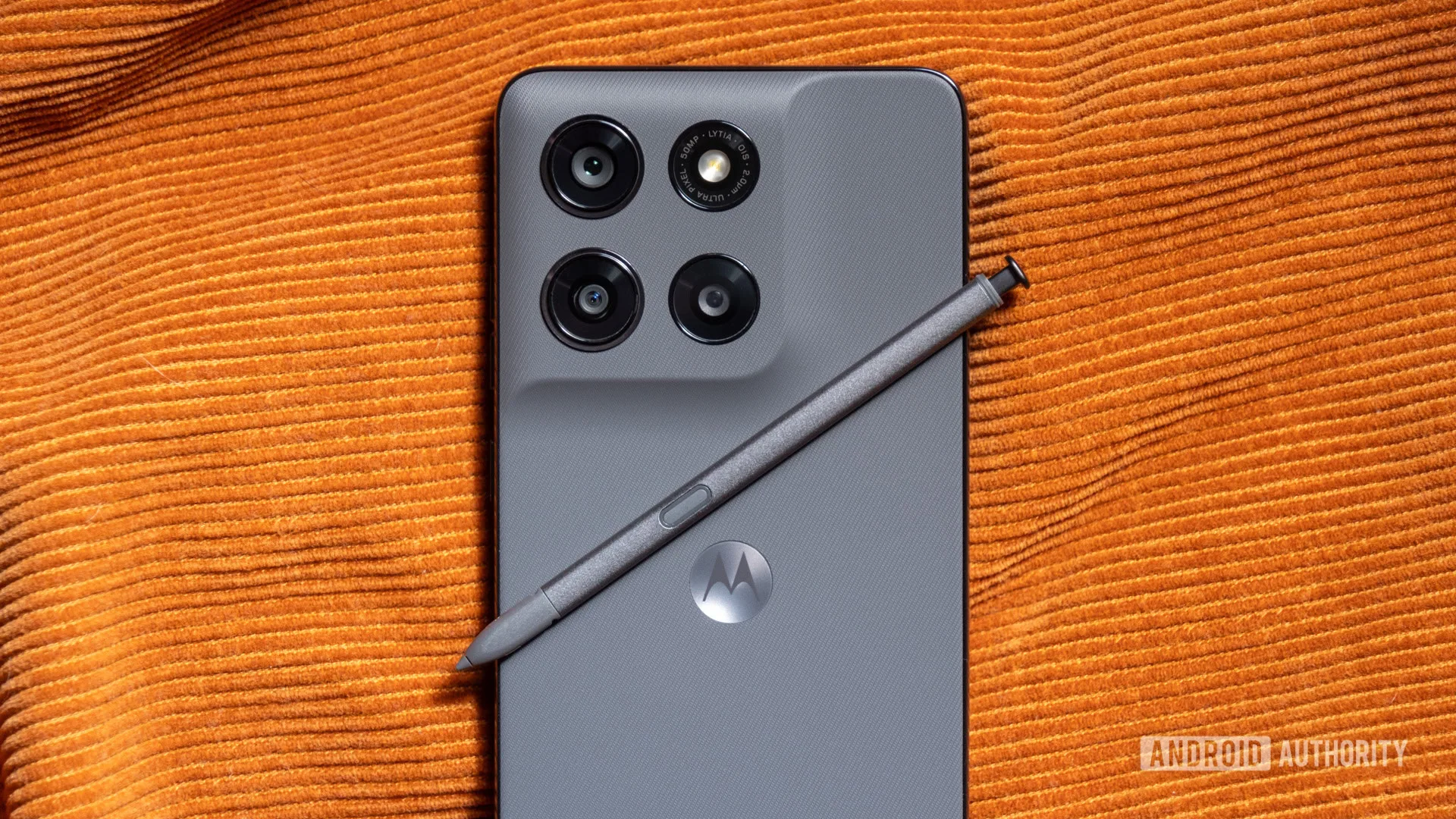
The $500 Moto G Stylus 2026 is the most distinctive of the bunch because its stylus has grown up. It now supports pressure and tilt detection, palm rejection, shortcut controls, and quick note-taking when pulled from the phone. That puts it much closer to a useful digital pen than the passive accessory found on cheaper models.
It also avoids the usual compromise where a niche feature masks mediocre basics. Qualcomm’s Snapdragon 6 Gen 3 should feel responsive, the AMOLED display is bright, and Motorola includes IP68 and IP69 resistance, 68W wired charging, wireless charging, and a large battery. As microSD Android phones go, it is arguably the most complete creative-tool option. But the price is a problem. Unless you will genuinely sketch, annotate, or take handwritten notes, the 2025 Moto G Stylus at about $350 looks like the smarter buy.
TCL NXTPAPER 70 Pro
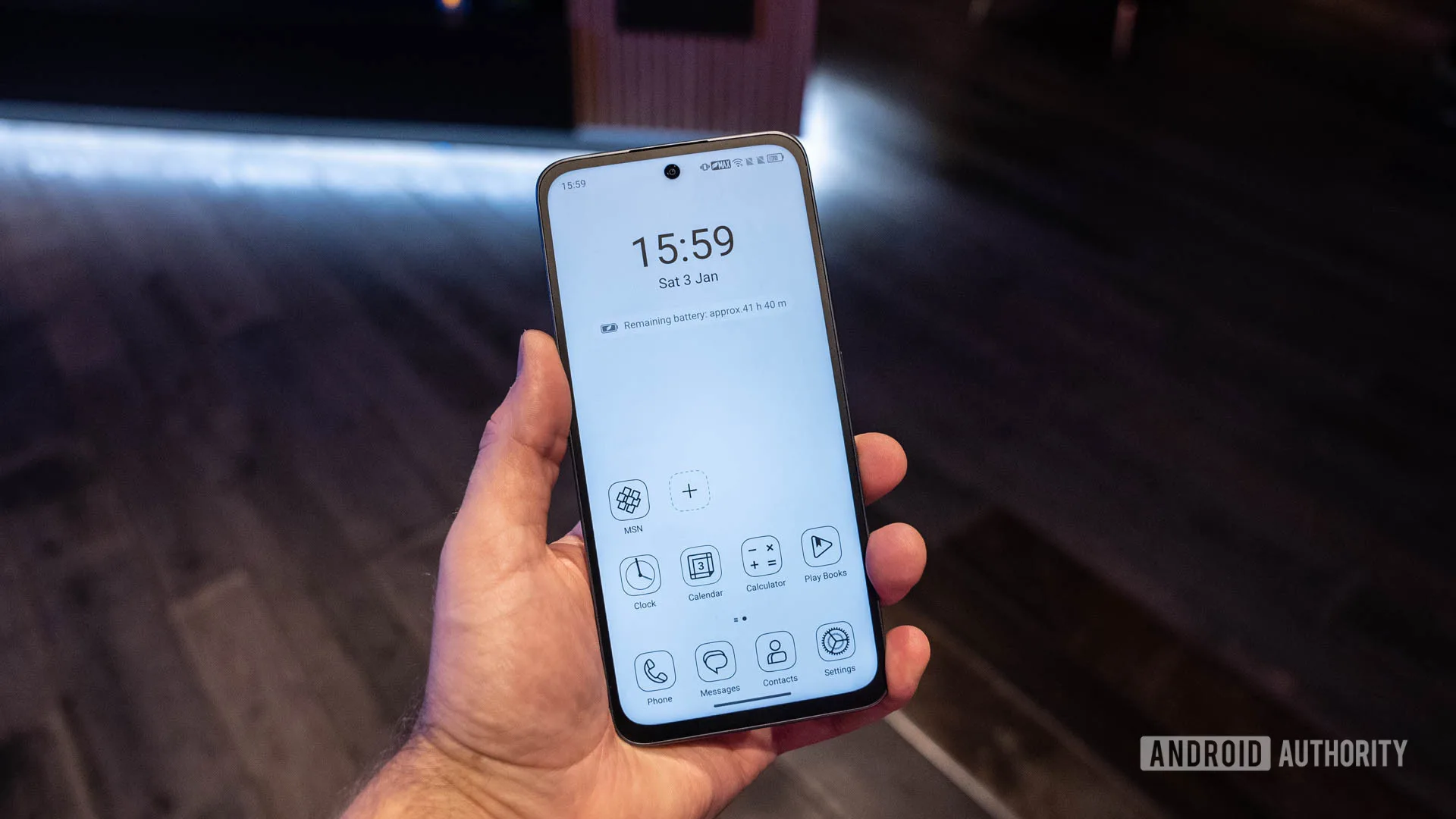
TCL’s NXTPAPER 70 Pro is the oddball I mean that as a compliment. At a $300 starting price, it supports up to 2TB of removable storage and pairs that capacity with TCL’s matte, paper-like NXTPAPER display treatment. The screen’s job is straightforward: cut reflections and ease the eye fatigue that comes from staring at a glossy slab all day. Anyone who reads long documents on a phone will understand the appeal immediately.
The rest of the spec sheet is sturdier than TCL’s price would suggest: a 6.9-inch, 120Hz display, Dimensity 7300 processor, Android 16, IP68 protection, 5,200mAh battery, 33W charging, and T-Pen compatibility. Mobile gamers will not find much to celebrate here, but this is one of the few microSD Android phones that seems designed around consumption and reading rather than spec-sheet one-upmanship.
Samsung Galaxy A17 5G
The Galaxy A17 5G takes a different route: make the upfront cost low, then make the phone last. At around $200, it is among the cheapest microSD Android phones worth considering, and Samsung’s six-year update commitment is the real story. A budget handset that remains supported into the early 2030s has a better environmental and financial case than a cheaper phone destined for a drawer after two years.
Expect modest hardware rather than miracles. This is for calls, messaging, video, web browsing, and light camera use, not high-end gaming or serious content creation. But a long support window plus expandable storage is a compelling combination for a student, a parent, or anyone who simply wants their phone to behave itself for a long time.
What to check before you commit
There are two easy mistakes with microSD Android phones. First, do not assume every dual-SIM phone offers dedicated storage. The Galaxy A55 uses a hybrid tray, so you choose between the second carrier line and the card. Second, do not treat capacity support as a reason to buy the biggest card available. A reputable 256GB or 512GB UHS-I card is plenty for most people and usually represents the sweet spot for price, reliability, and speed.
Also consider your camera habits. Removable storage is wonderful for archiving photos and video, but some phones default to saving camera files internally and may require a setting change. Apps such as Netflix and Spotify can often download media to a card, but the details vary. Check the app settings after setup rather than discovering your supposedly empty 128GB phone is full on a flight.
My read is that the card slot will remain a mid-range differentiator, not a flagship comeback story. Manufacturers prefer predictable internal storage, simpler designs, and lucrative upgrade ladders. Still, these microSD Android phones prove there is a real market for buyers who would rather expand storage with a card than pay for a higher storage tier. That is not a fringe demand. It is just one the premium phone market has decided to stop serving.
Frequently Asked Questions
Are microSD Android phones still worth buying in 2026?
Yes, they can be a worthwhile option if you need more local storage without paying a premium for higher-capacity phone models. Entry-level and some mid-range Android phones still offer microSD support.
Can a microSD card make a phone’s internal storage larger?
A microSD card can expand a phone’s local storage. Supported capacity varies by model.
What size microSD card should I buy for an Android phone?
Check the phone’s stated capacity limit before buying. The Galaxy A55 supports up to 1TB, while TCL’s NXTPAPER 70 Pro supports cards up to 2TB.

