Table of Contents
ASUS delivers the ZenBook A16 as a groundbreaking 16-inch ultraportable. This laptop weighs just 2.6 to 2.9 pounds and packs Snapdragon X2 Elite chips. Reviewers praise its speed after last year’s Snapdragon X disappointments. The ZenBook A16 competes with Intel, AMD, and Apple machines in performance and portability. Squaredtech.co editors see it as a win for ARM laptops in 2026.
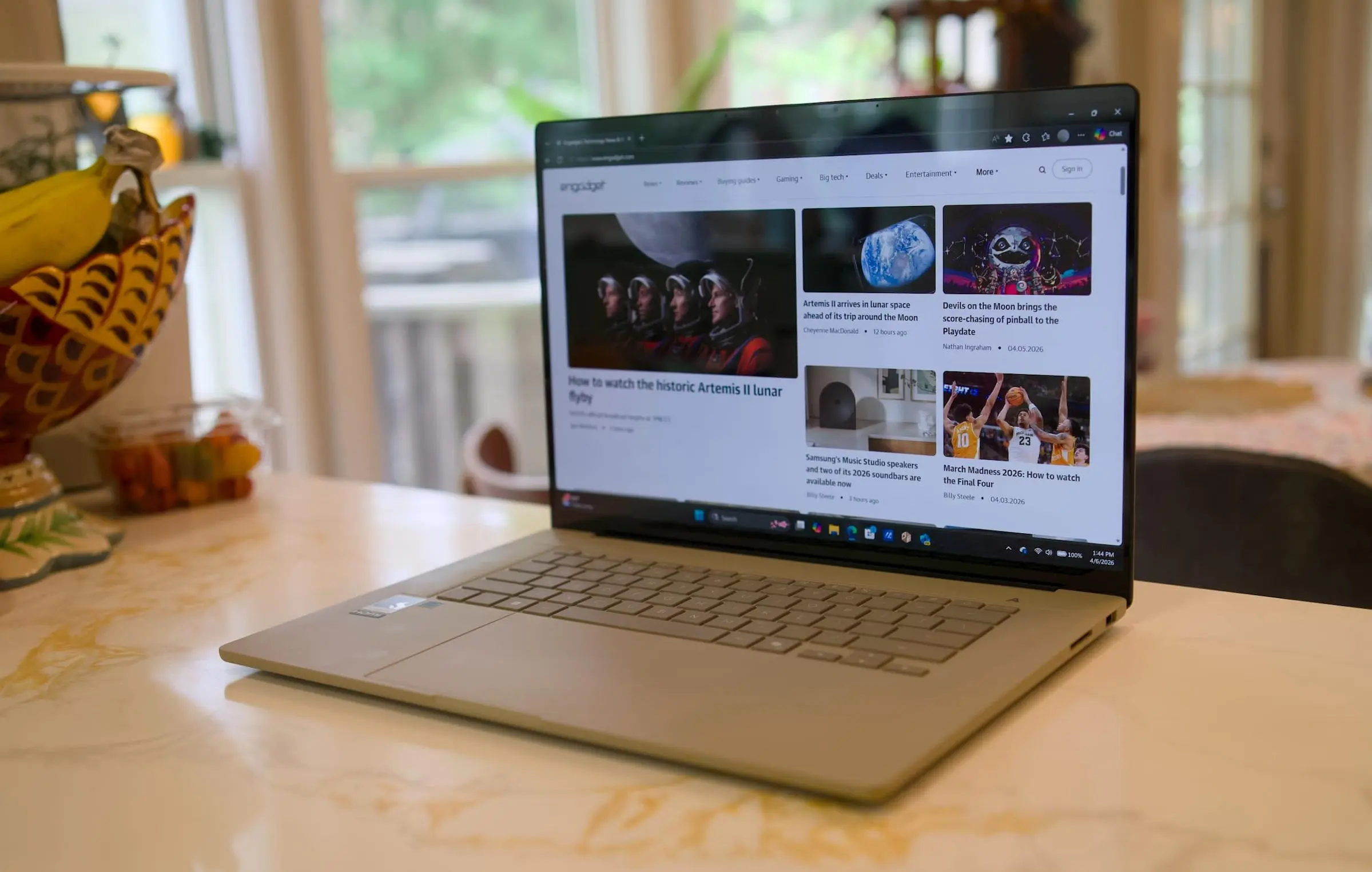
Qualcomm upgrades the Snapdragon X2 Elite Extreme to 18 cores with 4.7GHz boosts. This chip handles AI tasks at 80 TOPS and doubles prior X1 speeds. ASUS pairs it with 48GB RAM and 1TB SSD for seamless multitasking. The design echoes the ZenBook A14 but scales up the screen and ports. Users lift the ZenBook A16 effortlessly despite its size. Ceraluminum construction blends ceramic warmth with metal strength. The case resists scratches and fingerprints over weeks of use.
The ZenBook A16 stands out in crowded ultraportable markets. LG Gram Pro lags in power, while MacBooks exceed weights.
ZenBook A16 Design Excels in Weight and Build
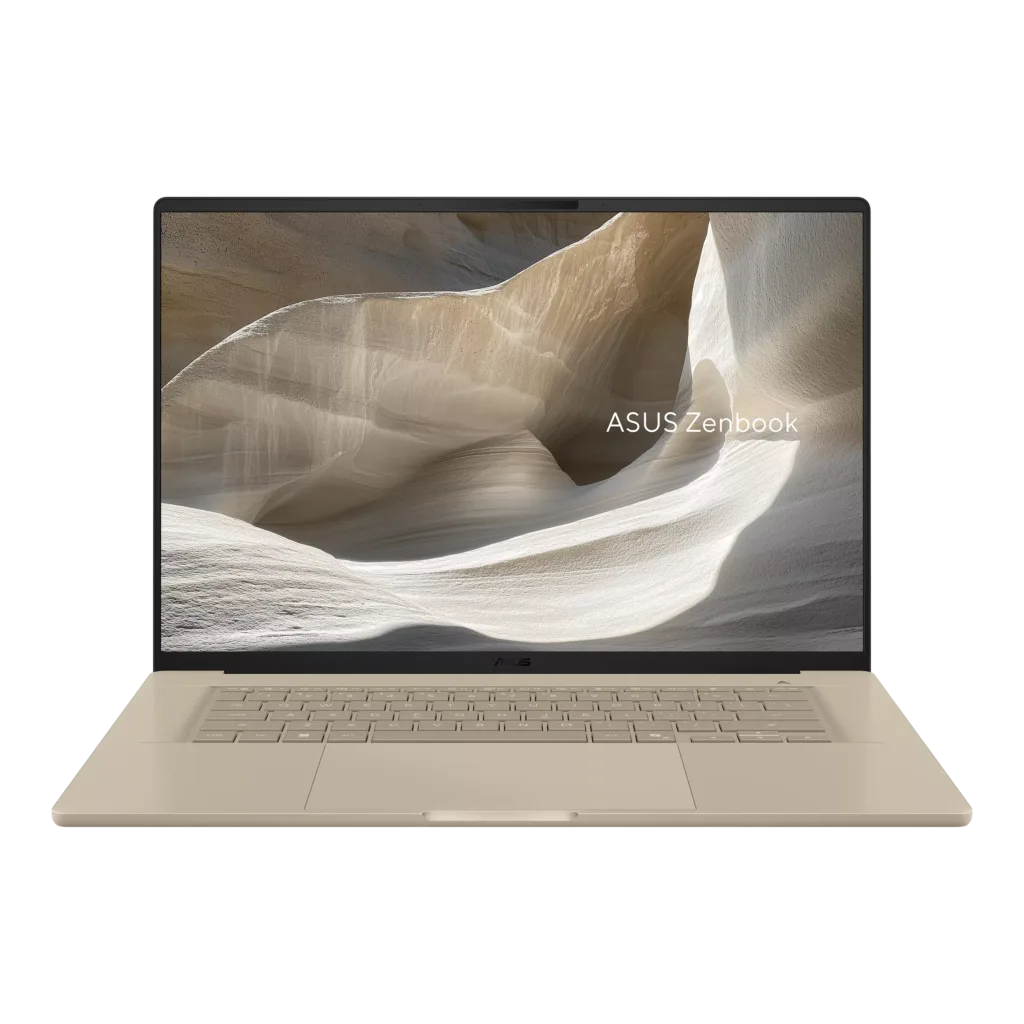
ASUS crafts the ZenBook A16 with Ceraluminum for premium feel. This material avoids cold metal shocks common in MacBook Pros. The chassis shows no flex or creaks under pressure. Weights hit 2.6 pounds without touchscreen or 2.9 pounds with glass cover. Buyers choose configurations accordingly.
A 16-inch 3K OLED screen defines the experience. It delivers bold colors, deep blacks, and sharp contrast beyond most LCDs. Text renders crisply for reading; videos immerse fully on the large panel. Refresh rates reach 120Hz in some configs for smooth scrolls.
Ports impress with full SD reader and HDMI, absent on A14. Two USB-C 4.0, USB-A 3.2, and headphone jack support productivity. Keyboard types comfortably, though key depth trails Surface Laptops. Trackpad responds well but clicks only on lower sections.
Battery lasts 21 hours 35 minutes in tests, topping A14’s 18 hours. ARM efficiency shines in mixed use like browsing and streaming. Real-world drains hit 80 percent after four hours of heavy work.
The ZenBook A16 prioritizes portability without sacrifices. Our team notes its edge over bulkier rivals like Dell XPS 16.
ZenBook A16 Snapdragon X2 Power Crushes Benchmarks
Snapdragon X2 Elite models like X2E94100 and X2E96100 boost to 4.7GHz on 18 cores. Geekbench 6 scores single-core at 3,262 and multi-core at 20,808. GPU hits 43,849; Cinebench 2024 reaches 98/1,238. These beat prior X1 by double in multi-core.
Comparisons favor the ZenBook A16. It tops Dell Premium 16 by 1,000 in PCMark 10 at 17,264. MacBook Air M5 scores close but lacks ports. Surface Laptop trails in GPU. Web browsing feels instant, unlike sluggish A14.
Multitasking handles dozens of tabs, 4K streams, and audio edits without lag. NPU accelerates AI for Copilot+ features. ARM apps run native; older x86 titles emulate with caveats.
Gaming improves post-Windows on Arm updates. Cyberpunk 2077 hits 80fps at 1080p medium with FSR. Fortnite and Roblox work; 90 percent compatibility claimed. Arc Raiders fails on anti-cheat, but casual play suffices.
Pricing starts at $1,600, up from A14’s $1,100 due to upgrades. Value shines for power users. Our team analyzes it as ARM’s maturity milestone. Compatibility remains the sole drawback for legacy software.
ASUS refines ZenBook A14 lessons into A16 perfection. Reviewers ditch prior heartbreaks for this responsive machine. It loads apps swiftly and sustains workloads. Ports enable external drives and monitors easily.
Screen quality elevates media consumption. OLED blacks enhance night viewing; brightness suits outdoors. Build quality matches premium peers without excess gaming flair.
Battery edges competitors in longevity. 21+ hours support full days unplugged. Chargers stay home often. Efficiency stems from 40W GPU peaks at high output. Ports solve common ultrabook gripes. SD cards transfer photos directly; HDMI drives TVs. USB variety fits peripherals.
Performance leap transforms daily use. Developers compile code faster; editors process 4K smoothly. AI tools leverage 80 TOPS for local processing.
Gaming viability grows. Qualcomm’s control panel speeds drivers. Titles like Cyberpunk prove capable hardware. Drawbacks exist. Mechanical trackpad limits clicks; haptic options preferred. Arm incompatibilities affect niche apps. ZenBook A16 targets creators and travelers. Its lightness pairs with power for on-the-go pros. ASUS claims lightest 16-inch title.
Market shifts with Snapdragon X2. It challenges Intel Core Ultra and AMD Ryzen in efficiency. Apple M4 faces stiff Windows ARM rivalry. Squaredtech.co recommends ZenBook A16 for screen lovers over smaller A14. It sets 2026 ultraportable standards.
Stay Updated: Gadgets