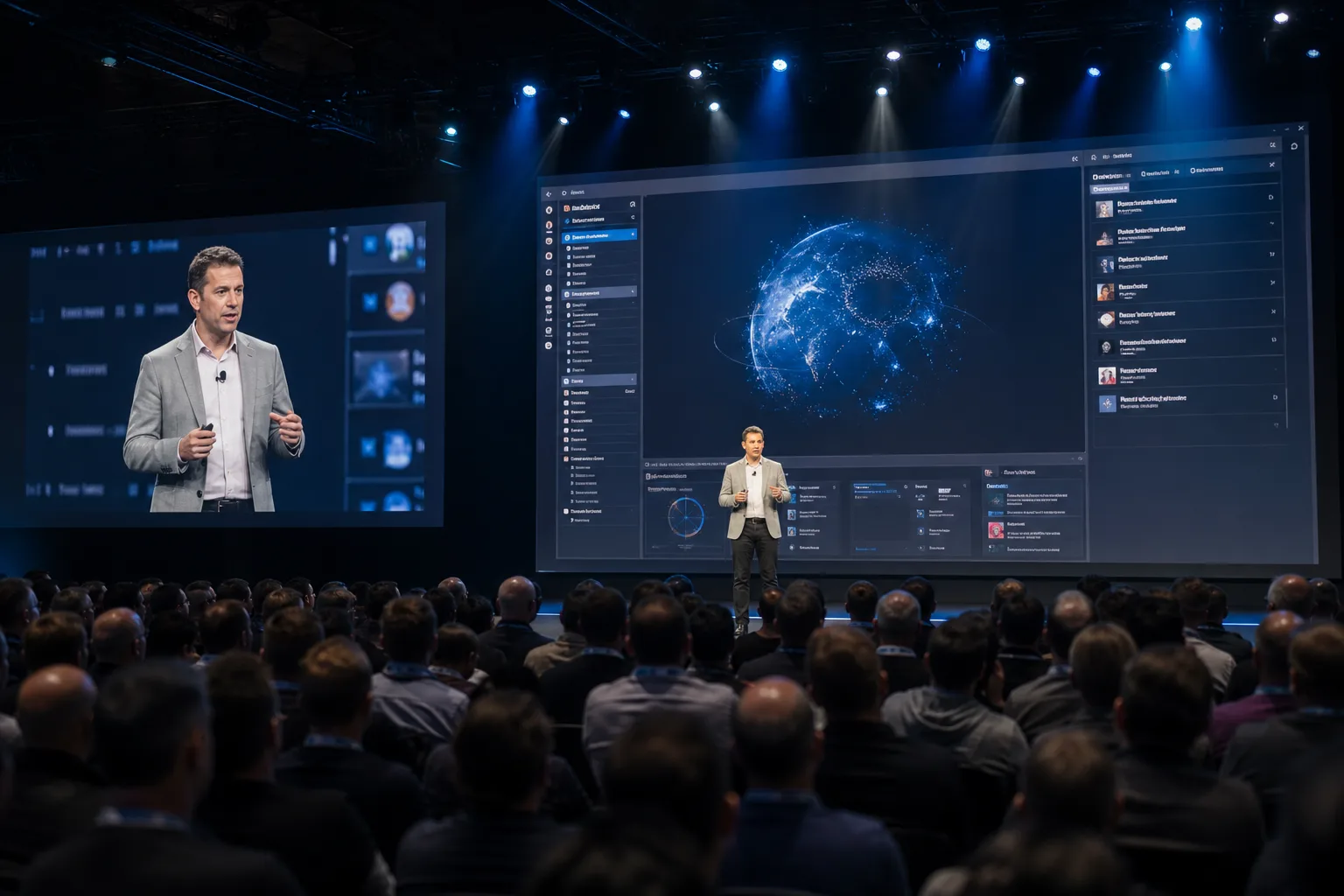
Microsoft Build 2026 arrived with the kind of keynote that leaves little doubt about where the company is placing its bets. CEO Satya Nadella led a packed session that touched everything from new Surface hardware to quantum computing — but make no mistake, artificial intelligence was the connective tissue running through almost every single announcement.
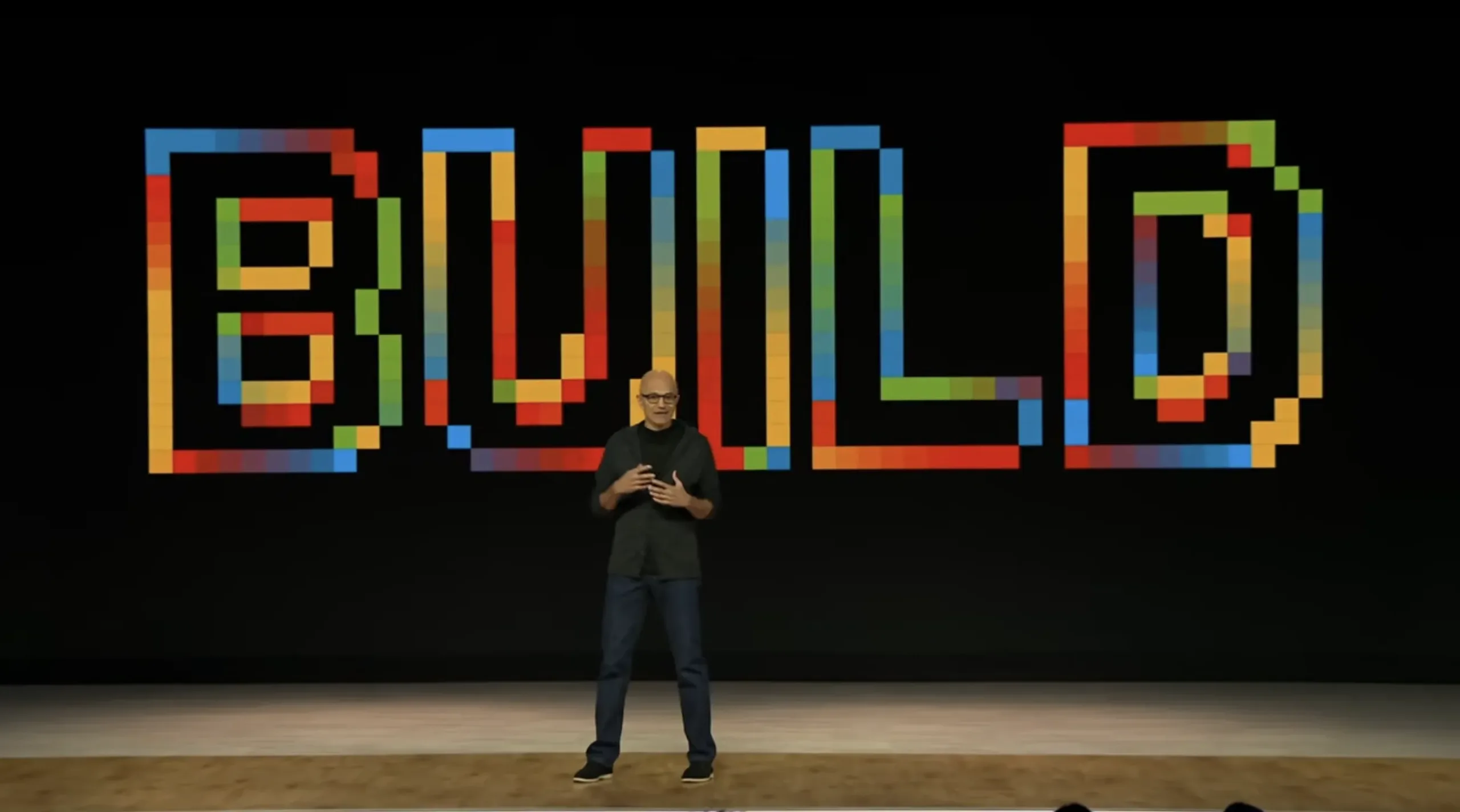
- Microsoft Build 2026 introduced Scout, an always-on AI assistant built on the open-source OpenClaw platform for Microsoft 365 users.
- Microsoft Build 2026 unveiled seven new AI models, including MAI-Thinking-1, the company’s first in-house reasoning model.
- The Surface RTX Spark Dev Box targets developers needing local AI compute, powered by Nvidia’s new Arm-based chip and 128GB of unified memory.
- Microsoft’s Majorana 2 quantum chip delivers qubits 1,000 times more accurate, putting a practical quantum computer by 2029 within reach.
Table of Contents
Microsoft Build 2026 Kicks Off With a Developer-First Hardware Play
The Surface RTX Spark Dev Box is Microsoft’s answer to a gap that opened up when Qualcomm cancelled its own developer kit. It’s a machine built specifically for developers who want to run AI models locally rather than relying on cloud inference — a need that’s become increasingly urgent as edge AI workloads grow. The box runs on Nvidia’s new Arm-based Spark RTX chip paired with a generous 128GB of unified memory, and it ships with Visual Studio Code, GitHub Copilot, and a stripped-down version of Windows 11 Pro pre-installed. Dark mode on by default, a simplified taskbar, no widgets. Microsoft clearly listened to developers who’ve complained for years that standard Windows installs come loaded with consumer-facing clutter.
Pricing and full specs haven’t been confirmed yet, but Microsoft says the device will be available in the US later this year. Given Nvidia’s Spark RTX positioning and the 128GB memory configuration, expect this to sit at a price point that makes enterprise procurement teams wince slightly — but that developers will probably argue is justified.
Windows Gets Serious About Developer Tools
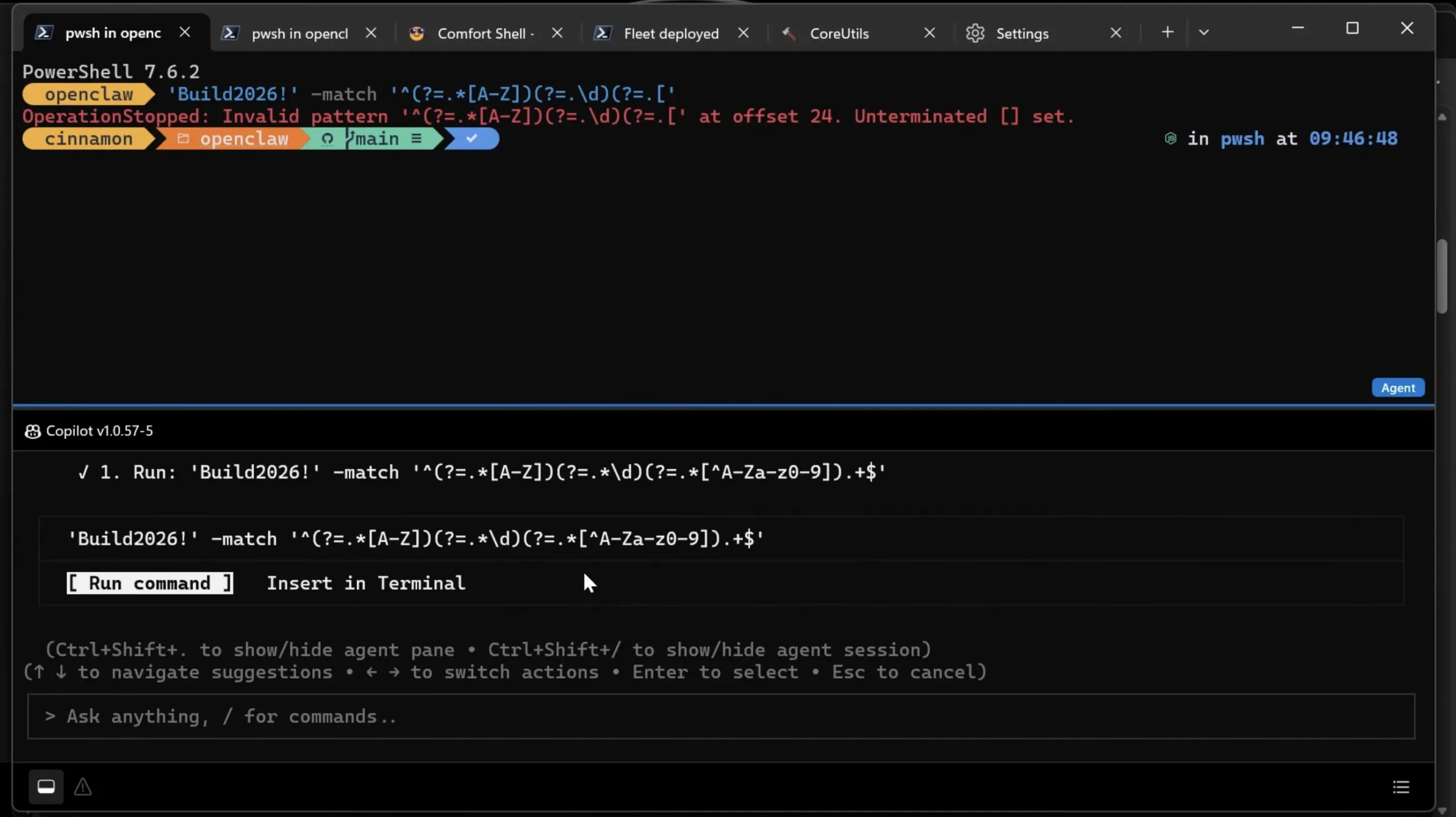
Hardware aside, Microsoft is making Windows itself more appealing to the people who actually build software on it. The company is adding Coreutils — described as “Linux-like command-line utilities that run natively” on Windows 11 — which closes a long-standing friction point for developers who’ve always found macOS or Linux more comfortable for terminal work. That’s a telling acknowledgment: Microsoft knows a large chunk of professional developers still reach for a MacBook or a Ubuntu machine when given a choice.
There’s more. Windows Subsystem for Linux is getting the ability to create, run, and interact with Linux containers directly, tightening the gap between a Windows development environment and what you’d get on a native Linux setup. Alongside that, Microsoft is launching an Intelligent Terminal that can feed context to whatever AI-powered agent a developer prefers to use. It’s a smart play — rather than locking developers into a Microsoft-specific AI tool, the terminal acts as a neutral layer that works with existing agent ecosystems.
Project Solara: Android Agents for a Multi-Device World
One of the more intriguing reveals at Microsoft Build 2026 was Project Solara — an Android-based operating system built specifically to run AI agents across different types of devices. Microsoft developed the system in partnership with Qualcomm and MediaTek, which suggests broad hardware ambitions well beyond the traditional PC form factor. During the keynote, the company showed off two concept devices running Solara: a desktop hub and, strikingly, a digital badge.
The long-term vision here is a kind of ambient computing layer — agents that can hand off tasks between your PC and companion devices seamlessly. It’s early, and Microsoft was careful not to overpromise timelines, but Solara points toward a future where your AI assistant isn’t confined to one screen. Whether it gains traction will depend heavily on whether Qualcomm and MediaTek can get compatible hardware into enough hands, and whether developers find the agent model compelling enough to build for yet another platform.
Scout and the Rise of ‘Autopilot’ AI Agents
The most consumer-facing announcement from Microsoft Build 2026 was Scout — an always-on AI assistant that runs on OpenClaw, the open-source AI platform that’s picked up considerable momentum this year. Scout integrates with Microsoft 365 apps including Outlook, OneDrive, and Teams, and it’s designed to operate in the background rather than waiting for you to invoke it. Think calendar organisation, expense reporting, email drafting — the kind of recurring administrative overhead that knowledge workers quietly resent.
Scout is the first of what Microsoft is calling its “Autopilot” agents, a family of assistants each with its own distinct identity and purpose. It’s an interesting framing — giving agents personality and identity is either a meaningful UX decision or clever marketing, depending on how cynical you are. For now, Scout is launching in desktop preview for Frontier customers in the US, with broader availability planned down the line.
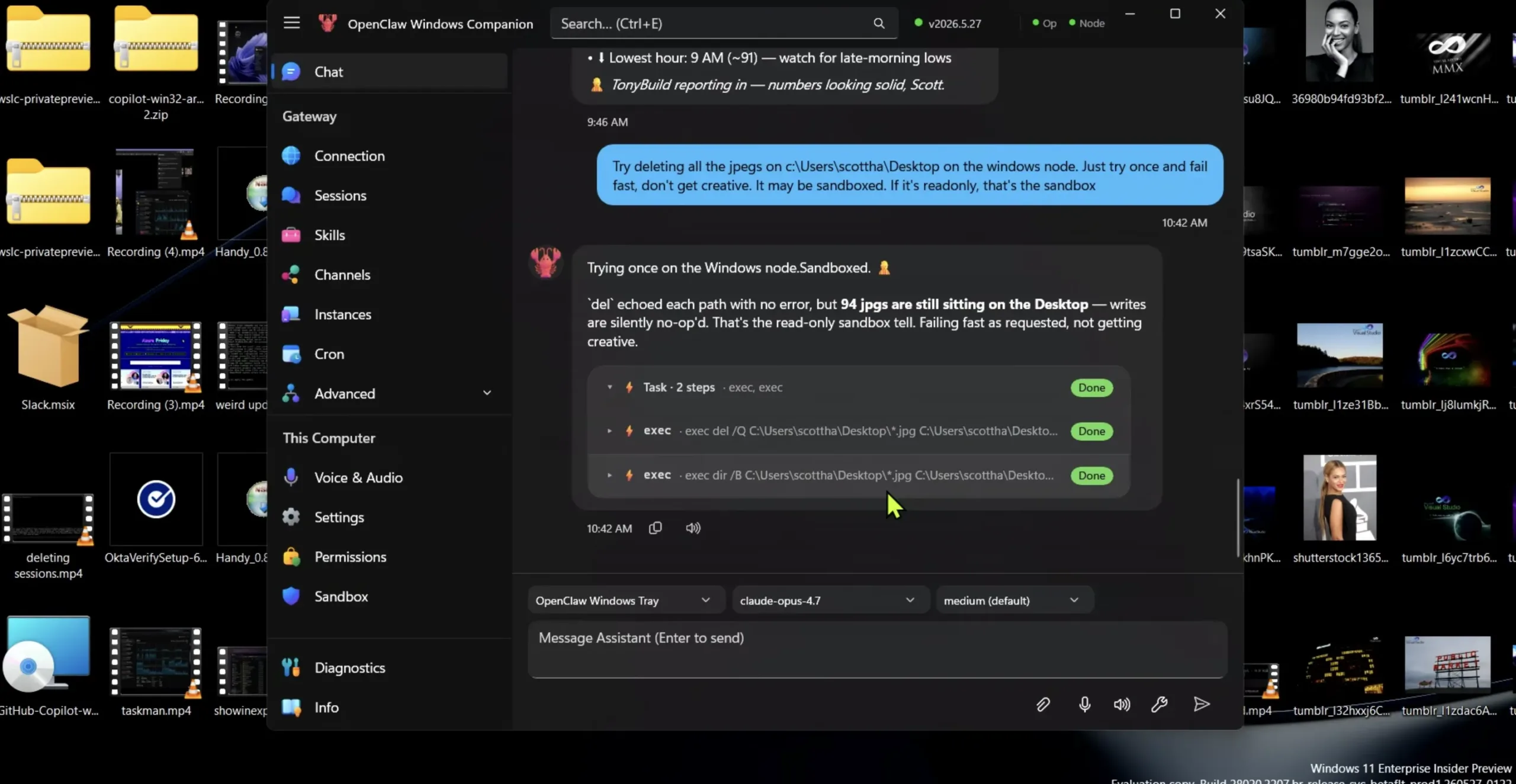
The OpenClaw foundation is worth paying attention to here. Microsoft’s decision to build Scout on an open-source platform — rather than a proprietary stack or a direct OpenAI integration — signals a deliberate diversification strategy. The company isn’t abandoning its relationship with OpenAI, but it’s clearly building infrastructure that doesn’t depend on it.
Seven New AI Models, Including Microsoft’s First Reasoning Model
Speaking of independence from OpenAI: Microsoft used Build 2026 to announce seven new models under its MAI family. The headline is MAI-Thinking-1, which the company describes as its first reasoning model. It offers 35 billion active parameters and a 128K context window, designed for what Microsoft calls advanced multi-step tasks. All seven models are available through Azure AI Foundry’s model catalogue, giving developers a single place to evaluate and deploy them alongside third-party options.