- Apple new products hidden in iOS 27 code confirm a foldable iPhone Ultra is coming this September.
- Three Apple new products — foldable iPhone, touchscreen MacBook Ultra, and a home camera — are expected this fall.
- macOS Golden Gate quietly adds touch-friendly gestures and UI spacing changes pointing to the MacBook Ultra.
- Apple’s Home app overhaul in iOS 27 prioritises HomeKit Secure Video, teasing the brand’s own security camera.
Table of Contents
Apple New Products Are Already Hiding in Plain Sight
Apple spent years perfecting the art of the secret. Elaborate NDAs, opaque supply chains, and a culture of absolute silence — the company treats unannounced products like state secrets. So it’s a little ironic that WWDC 2026 effectively handed a roadmap of Apple new products directly to anyone willing to dig through beta code. Between iOS 27 and macOS Golden Gate, the hints aren’t subtle. They’re practically a press release.
Three major hardware launches are taking shape for fall 2026: the iPhone Ultra — Apple’s long-rumoured first foldable — a touchscreen MacBook Ultra, and an in-home security camera built around HomeKit Secure Video. None of these have been officially confirmed, but the software breadcrumbs Apple has left behind are unusually explicit. Let’s go through each one of these Apple new products in detail.
iPhone Ultra: Apple’s First Foldable Finally Arrives
The foldable iPhone has been ‘just around the corner’ for so long that it became a running joke in tech circles. This time, though, the evidence is hard to dismiss. Buried inside the iOS 27 beta are code references to an iPhone’s fold state, screen angle, and the number of built-in displays — terminology that makes zero sense for any current iPhone model and every sense for a foldable one. Among all the Apple new products rumoured for fall, the foldable iPhone has the most compelling trail of software evidence.
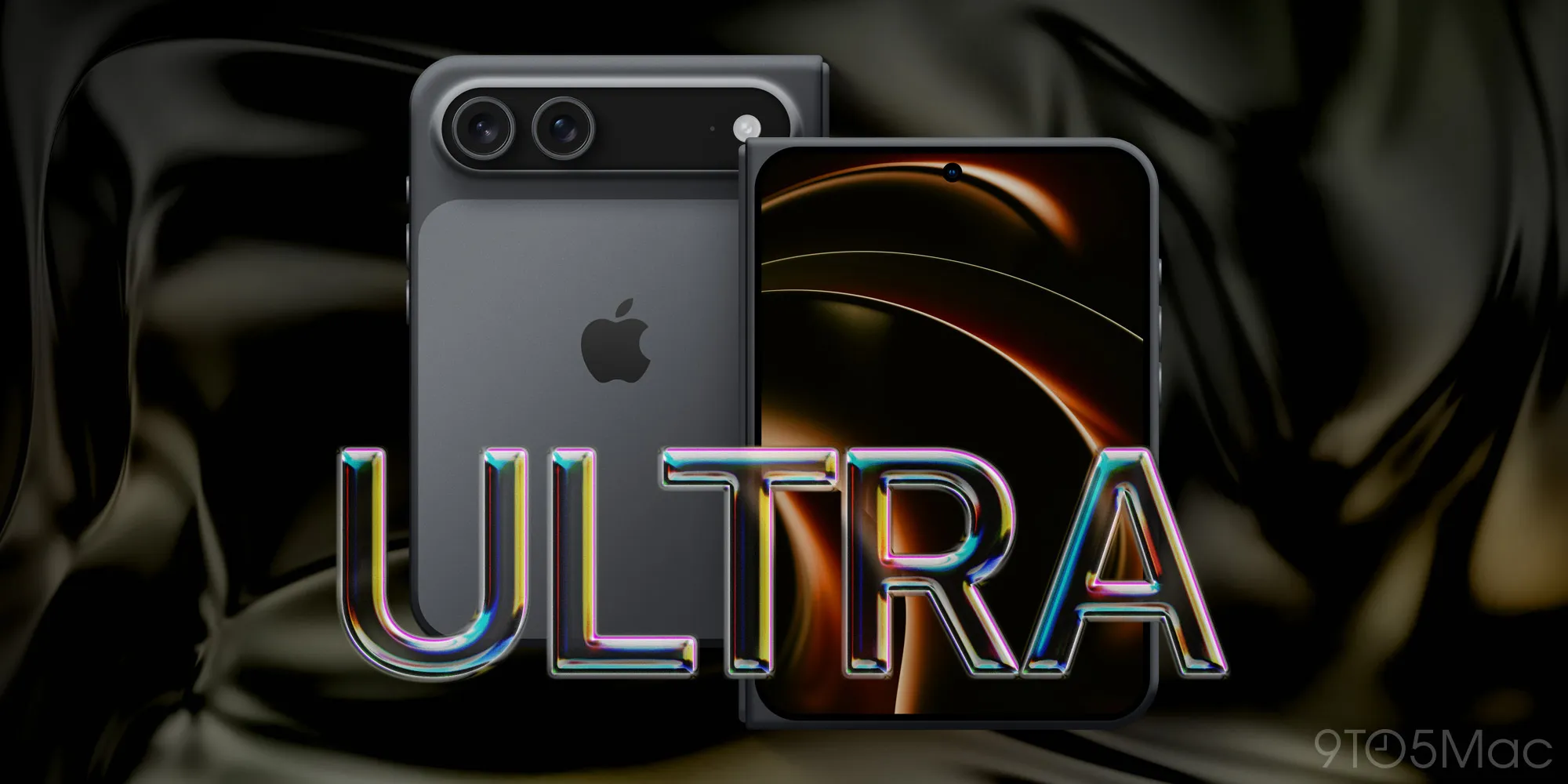
That’s not all. Apple has gone back through its own built-in app suite and quietly added landscape support to far more of them than before. It has briefed developers about new app resizing requirements. And in macOS Golden Gate, the iPhone Mirroring app — introduced last year to let Macs display and interact with a connected iPhone — now supports free resizing, something that would be essential if the mirrored device can appear in both folded and unfolded states with very different aspect ratios.
For a company that pulled the headphone jack with minimal warning and announced Vision Pro with zero leaks until the night before, the volume of foldable-related signals in iOS 27 is striking. Either Apple’s secrecy infrastructure had a rare failure, or — more likely — the company has reached the point where developer preparation simply can’t happen quietly anymore. When you’re asking third-party app makers to rethink resizing behaviour, the cat’s out of the bag.
The iPhone Ultra is expected to land in September 2026, fitting Apple’s traditional fall iPhone window. Pricing remains unconfirmed, but a foldable at the top of the lineup — carrying the ‘Ultra’ branding Apple reserves for its highest-tier chips and Apple Watch models — will almost certainly set a new ceiling for iPhone pricing. Samsung’s Galaxy Z Fold 6 currently starts at $1,899, and Apple rarely undercuts on premium positioning.
MacBook Ultra: The Mac Finally Gets Touch
The other major Apple new products story out of WWDC is arguably more historically significant. Apple resisted putting a touchscreen on the Mac for over a decade — famously, explicitly, repeatedly. The argument was always that reaching up to a vertical screen causes fatigue, and that macOS wasn’t designed for touch. Those arguments may still hold in some contexts, but the software in macOS Golden Gate tells a different story.
The changes are small individually, but collectively they read as deliberate preparation. Scroll-to-refresh — the pull-down gesture iPhone users have used for years — is now baked into macOS Golden Gate. Sidecar, the feature that turns an iPad into a secondary display, now accepts direct touch input rather than routing everything through the cursor. Messages has a new Drawing iMessage app. Markup tools have been extended to more Mac apps. And perhaps most tellingly, the spacing on UI elements like the menu bar has been visibly increased — a classic sign that Apple is engineering for larger, less precise touch targets rather than a cursor.
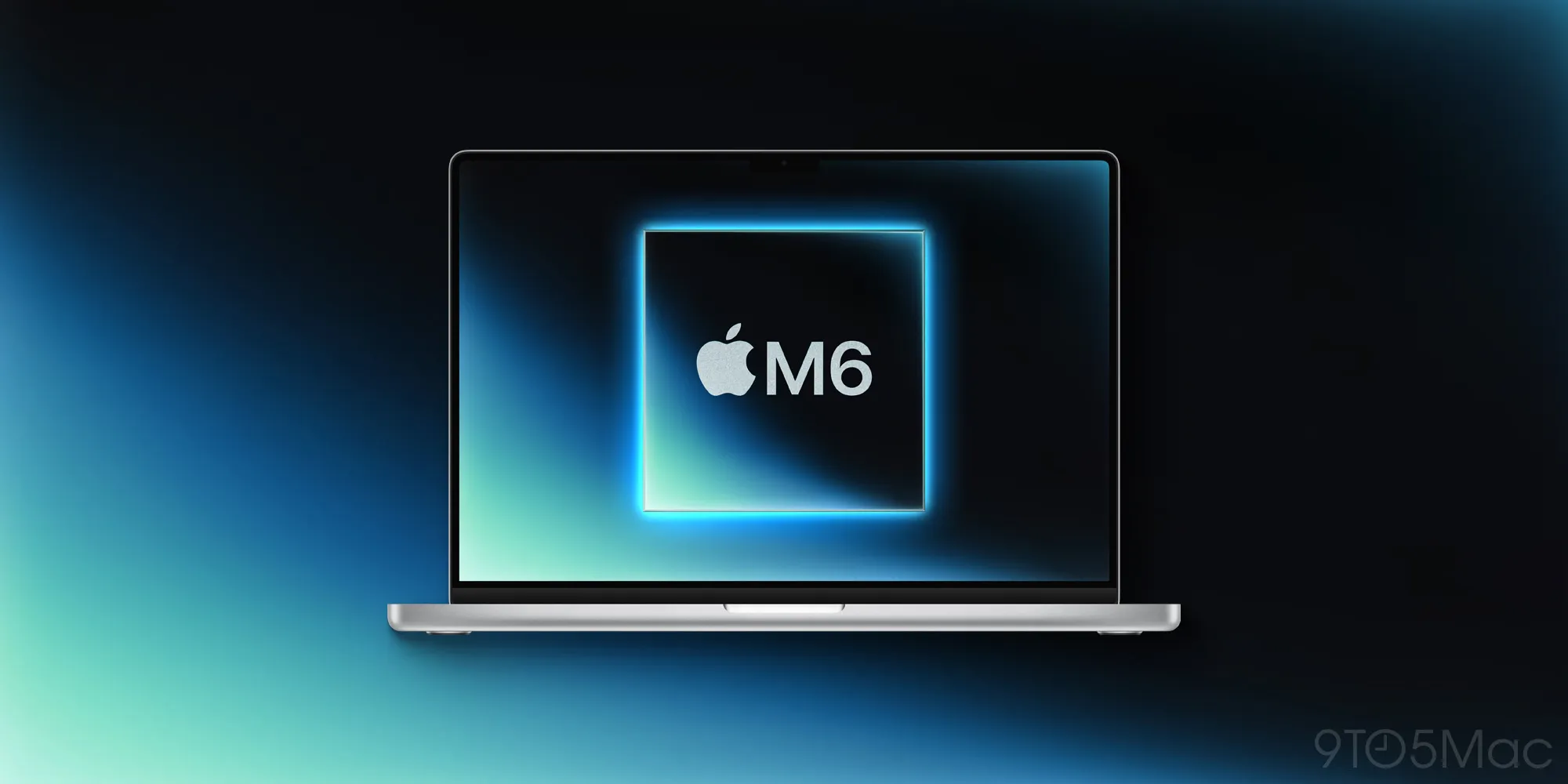
Put together, this looks like a systematic effort to make macOS touchable without fundamentally breaking its desktop paradigms. Apple appears to be threading a needle: adding touch as a supplementary input rather than a replacement for trackpad and keyboard. That’s a sensible approach, and it addresses the ‘gorilla arm’ fatigue problem without abandoning what makes the Mac the Mac.
The device expected to carry all this is the MacBook Ultra — a name that suggests a high-end, possibly Apple Silicon M-series-powered machine rather than an entry-level experiment. Apple wouldn’t test unproven input technology on a $999 MacBook Air; it would debut it on a premium product where buyers expect to pay for innovation. Of all the Apple new products expected this fall, a touchscreen Mac represents the boldest philosophical shift.
Apple’s Home Security Camera: A Crowded Market Gets a New Competitor
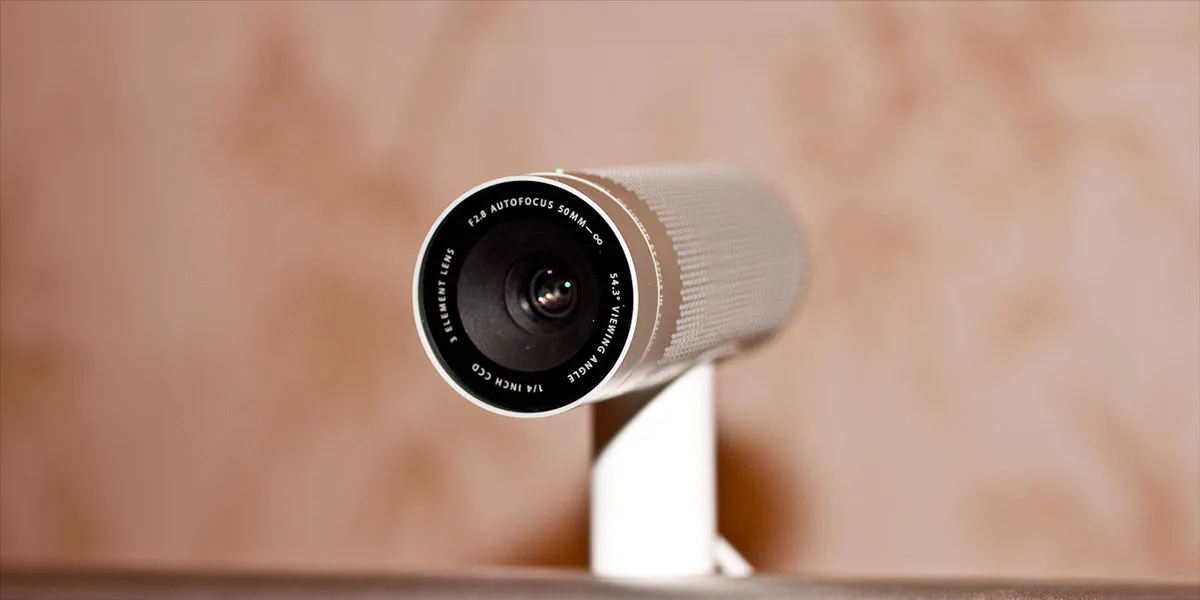
The third item in the fall lineup sits in a very different category. Apple is reportedly building its own home security camera — an ‘in-home, privacy-centric’ device that would compete directly with third-party HomeKit cameras from the likes of Logitech and Eufy. This is one of the Apple new products that has been hardest to predict, given how long the company relied on partners to fill the smart home hardware gap.
Bloomberg’s Mark Gurman, who has an exceptional track record on Apple hardware, has described the camera in detail. According to Gurman, it includes facial recognition and infrared sensors capable of detecting who is in a room, with Apple positioning it as an automation trigger as much as a surveillance device. The vision, apparently, is that cameras placed throughout the home could automatically turn off lights when a room empties, or cue up music tailored to whichever family member just walked in.
That framing is smart positioning. ‘Security camera’ carries connotations of paranoia and surveillance; ‘home awareness sensor that also records’ sounds like something people might actually want in every room. Whether buyers buy that framing is another question, but it gives Apple a differentiated pitch against Ring and Google Nest, whose products are unambiguously positioned around security.
The iOS 27 Home app updates make the camera launch feel imminent rather than speculative. Of the five new Home features announced at WWDC, four are directly tied to HomeKit Secure Video — including support for 4K video, something users have been requesting for years. Apple doesn’t typically rebuild a feature set this substantially for third-party hardware alone. These changes look like first-party product preparation, plain and simple.
Privacy will be the key battleground. Apple has the brand credibility to position on-device processing and end-to-end encryption as standard, not premium — exactly the argument that wins customers who are uncomfortable with cloud-connected cameras from companies whose business models involve data. Google and Amazon have had to work hard to rebuild trust in this space. Apple is walking in with that trust largely intact.
What This Fall Means for Apple’s Hardware Story
Looking at these three Apple new products together, a clearer picture of Apple’s hardware ambitions emerges. The iPhone Ultra is the company finally entering the foldable market — years after Samsung established it, but with the patience to do it properly rather than first. The MacBook Ultra is Apple acknowledging that touch on the Mac is no longer a philosophical debate, it’s a user expectation. And the home security camera is Apple planting a flag in the smart home in a way that HomeKit accessories from third parties never quite managed to do.
Apple rarely moves into a product category without a credible plan to dominate it. When it launched AirPods, it reshaped the wireless earbuds market within two years. When it launched the Apple Watch, it became the world’s best-selling watch within three. The question with all three of these Apple new products isn’t whether Apple can execute — it’s whether the timing is right and whether the market is ready to pay Apple prices for Apple-level fit and finish in categories where cheaper alternatives already exist.
Fall 2026 is shaping up to be one of Apple’s most hardware-dense launch seasons in recent memory. Across the board, these Apple new products reflect a company willing to enter categories on its own terms and timeline. And WWDC, whether intentionally or not, already told us most of what we needed to know.
Frequently Asked Questions
What Apple new products are expected to launch in fall 2026?
Three major Apple new products are expected: the iPhone Ultra — Apple’s first foldable iPhone — the MacBook Ultra with touchscreen support, and an in-home security camera with facial recognition that integrates with HomeKit Secure Video.
What is the iPhone Ultra and how does it differ from other iPhones?
The iPhone Ultra is Apple’s first foldable iPhone. iOS 27 beta code references a fold state, screen angle, and multiple built-in displays, confirming the form factor. It’s expected to arrive this fall alongside broader landscape app support.
Will the Apple home security camera work with existing HomeKit setups?
According to Bloomberg’s Mark Gurman, Apple’s security camera will support HomeKit Secure Video and will compete with third-party HomeKit cameras. It includes facial recognition and infrared sensors, and is designed to assist with home automation tasks.
Does the MacBook Ultra have a touchscreen?
Apple hasn’t officially confirmed it, but macOS Golden Gate contains strong signals: scroll-to-refresh, direct touch input in Sidecar, a new drawing tool in Messages, and updated UI element spacing designed for larger touch targets all point to a touchscreen Mac.