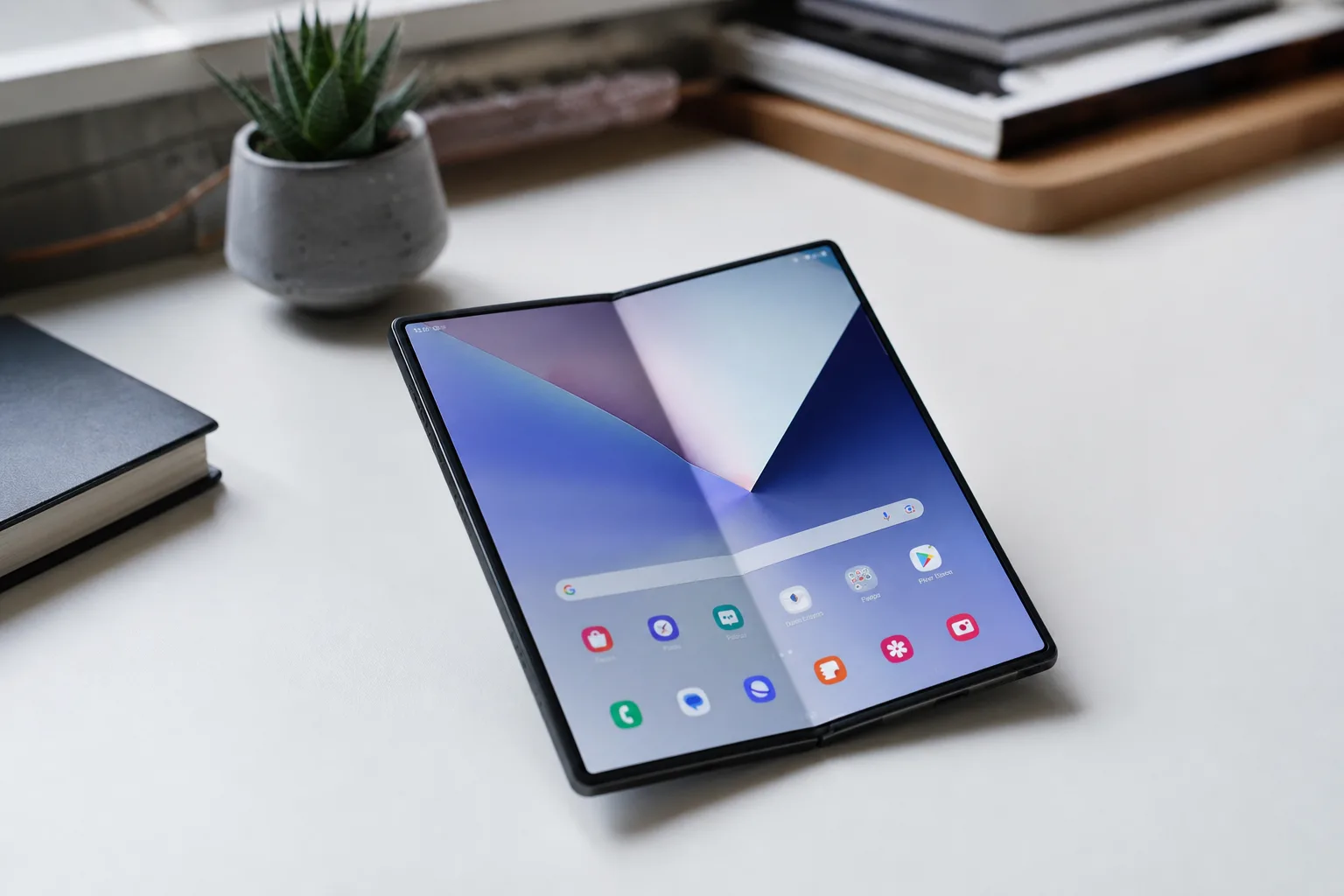
- iPhone Ultra is Apple’s first foldable iPhone, expected this fall with a crease-free inner display and titanium build.
- The iPhone Ultra will start at around $1,999, making it the most expensive iPhone Apple has ever sold.
- Touch ID replaces Face ID on the foldable due to space constraints from having two separate displays.
- An A20 Pro chip built on a 2-nanometer process and Apple’s own C2 cellular modem will power the device.
Table of Contents
iPhone Ultra Is Real — and It’s Coming This Fall
Apple’s first foldable iPhone has a name. The iPhone Ultra is expected to land this fall, and if the wave of credible leaks is anything to go by, it’s shaping up to be one of the most ambitious product launches Apple has attempted in years. This isn’t just a new size tier — it’s an entirely new form factor, a new price ceiling, and a fresh set of trade-offs that will test how far Apple’s loyal customer base is willing to follow the company.
The foldable phone market has been a fascinating slow burn. Samsung has been iterating on its Galaxy Z Fold series since 2019, and while the category has grown, it’s never quite cracked the mainstream. Google entered with the Pixel Fold in 2023. Motorola, OnePlus, and Huawei have all taken their shots. But none of them are Apple. When Apple enters a product category — think wireless earbuds, smartwatches, or even the tablet market — it tends to reset expectations. Whether the iPhone Ultra does that remains to be seen, but the specs and design decisions suggest Apple has been watching the competition very carefully.
A Design Unlike Any iPhone Before It
The iPhone Ultra won’t look like anything Apple has shipped before. It’ll fold like a book — horizontally rather than vertically — which puts it closer to Samsung’s Galaxy Z Fold than to a clamshell design like the Galaxy Z Flip or Motorola Razr. When unfolded, the device is reportedly wider than it is tall, which is a deliberate break from every iPhone that’s come before it.
The outer display is expected to measure between 5.3 and 5.5 inches with a wider-than-usual aspect ratio — somewhere between a current iPhone and something you’d normally see on a Galaxy Z Fold’s cover screen. When you open it up, you get an inner display in the 7.6 to 7.8-inch range, which puts it in iPad mini territory. That’s a meaningful size: big enough to genuinely change how you use the device, not just a slightly larger phone screen.
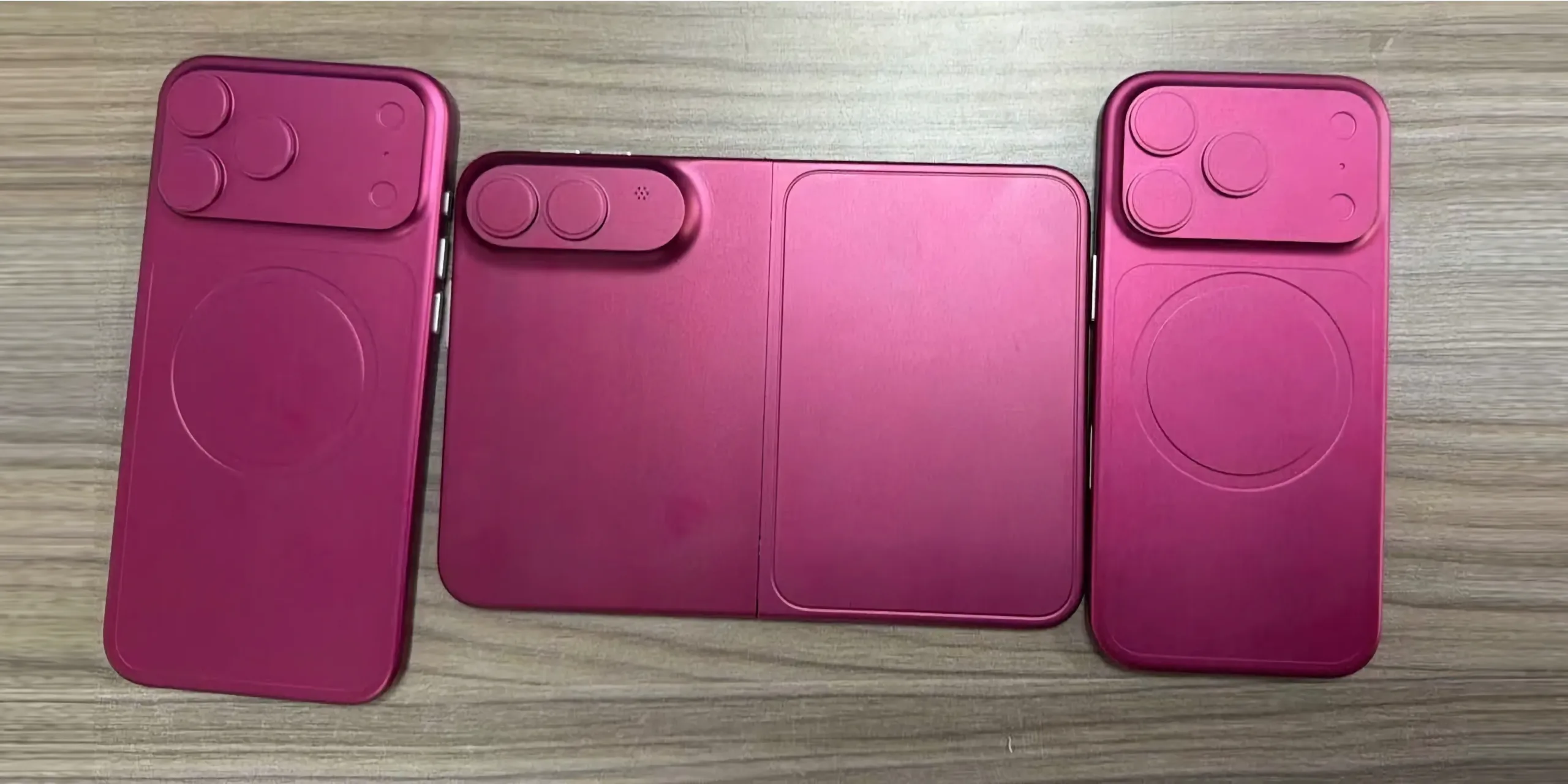
Perhaps the most technically impressive claim is the crease-free inner display. Every foldable on the market today has a visible crease where the screen folds — it’s one of the most persistent criticisms of the category. If Apple has genuinely solved this, or even significantly reduced it, that alone could be the thing that convinces fence-sitters. Reportedly, Apple is exploring advanced adhesive technologies to achieve a nearly invisible fold line — a detail that speaks to just how much engineering work has gone into this.
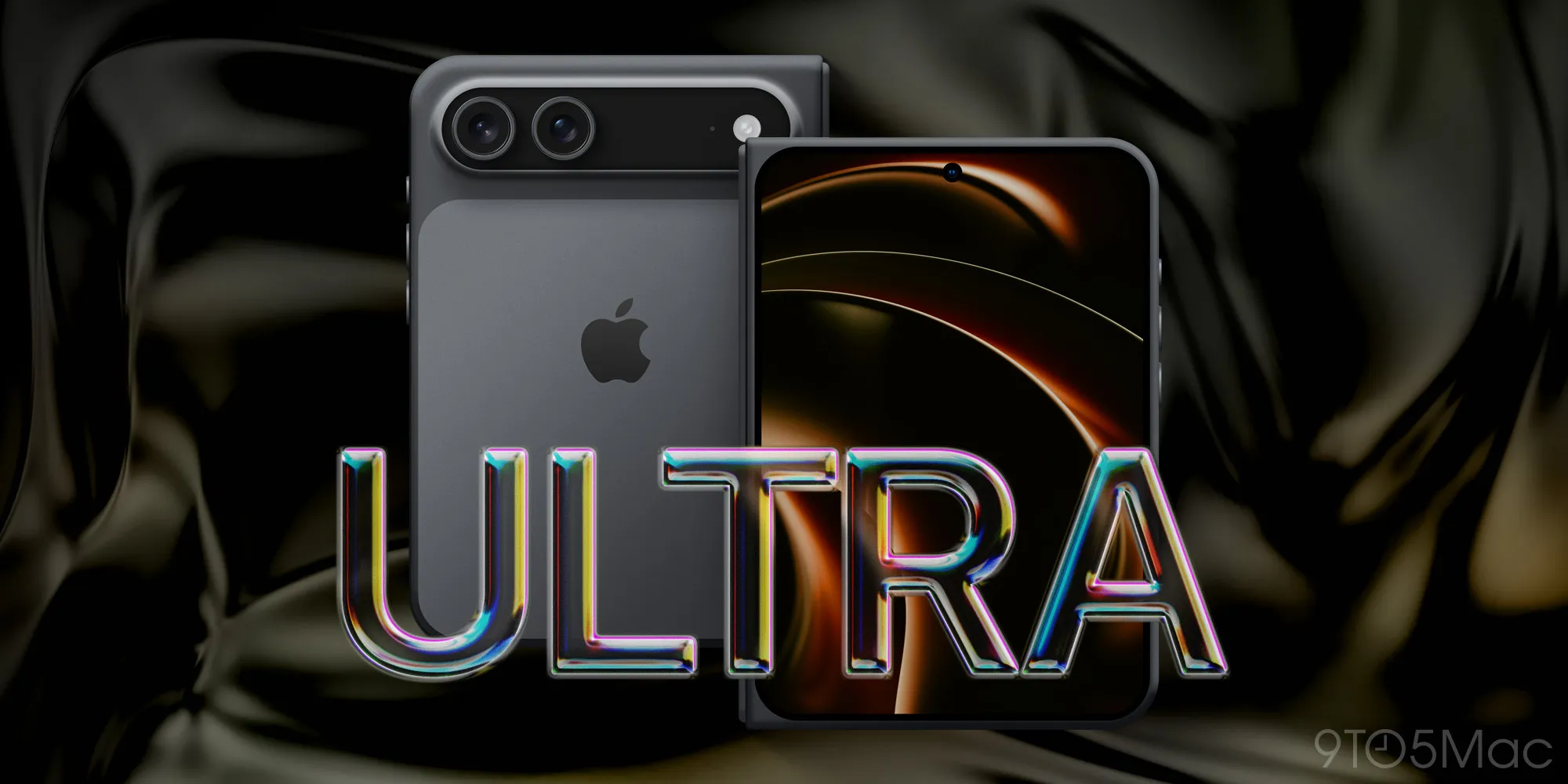
Structurally, the iPhone Ultra borrows from the iPhone Air’s design language. Titanium frame, ultra-thin profile when unfolded. When folded, it reportedly resembles two iPhone Airs stacked on top of each other — but thinner. That’s an impressive target if Apple hits it, though it also raises questions about battery capacity, which Apple hasn’t addressed publicly yet.
Two Displays, Two Cameras — and Some Notable Trade-offs
Because the iPhone Ultra has two screens, it also ships with two front-facing cameras — one for each display. The expectation is that Apple will use the same 18MP Center Stage camera that debuted with the iPhone 17 lineup, with a hole-punch cutout on both displays. That’s a sensible decision: no reason to develop a bespoke selfie camera when the existing one is already excellent.
The rear camera system, though, is where the iPhone Ultra makes a significant concession compared to the Pro lineup. You’re getting a 48MP main sensor and a 48MP ultra-wide — but no telephoto lens. That means no optical zoom beyond what the main camera can manage computationally. For most users, that’ll be fine. But anyone who shoots a lot of sport, wildlife, or concerts will notice the absence. It’s a hardware constraint driven by the foldable’s unique dimensions, and it’s the kind of trade-off that keeps the Pro models relevant even at a lower price point.
iOS 27 Multitasking — iPhone Ultra Gets Its Own Software Layer
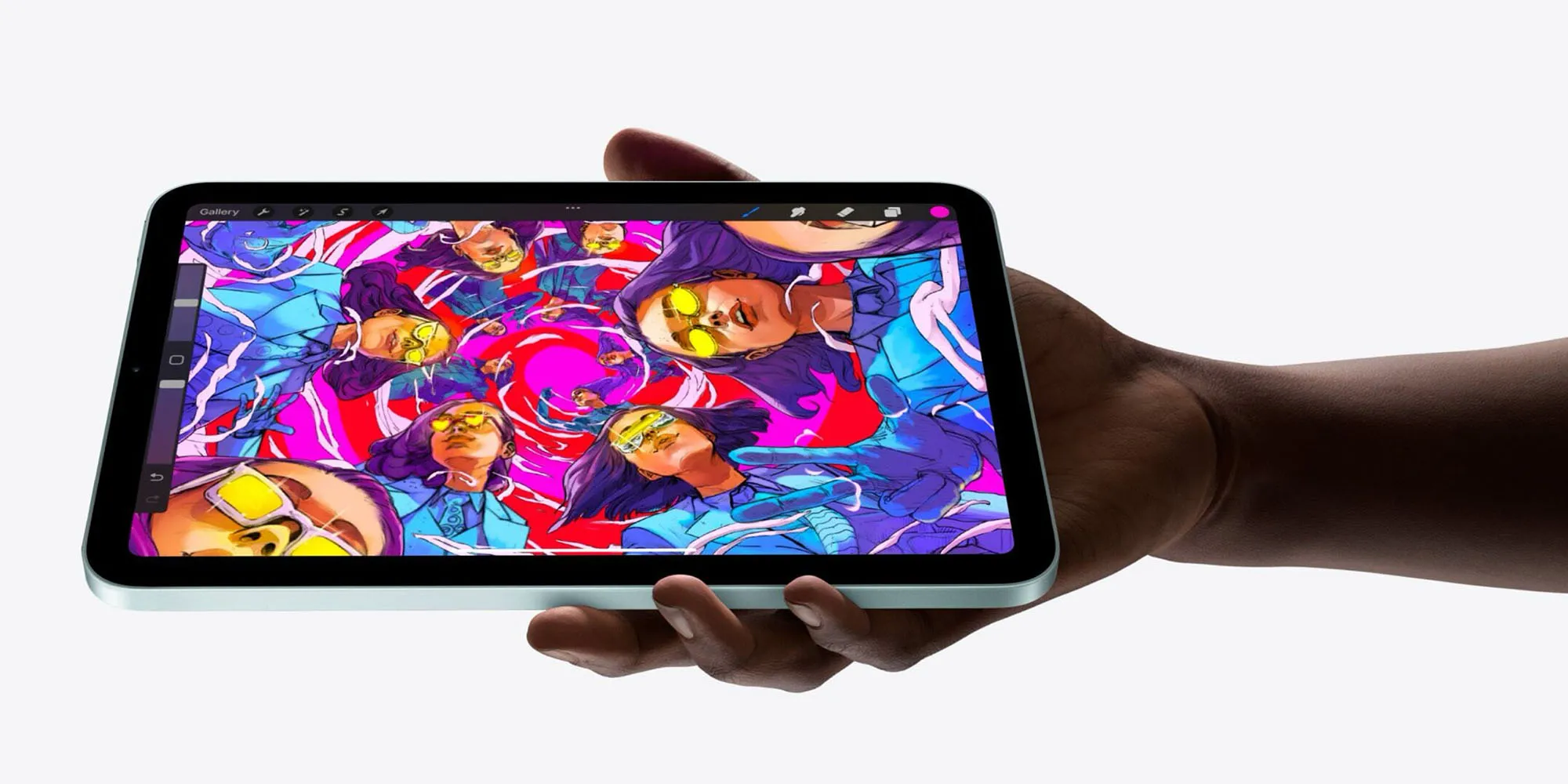
Apple unveiled iOS 27 this week at WWDC, but the iPhone Ultra-specific features are staying under wraps until the device launches. According to Bloomberg’s Mark Gurman, who has been tracking this device for months, the foldable will bring two headline software additions: side-by-side app multitasking and iPad-style app layouts.
What it won’t do — and this is worth paying attention to — is run iPadOS. Even when fully unfolded at nearly 8 inches, the iPhone Ultra stays on iOS 27. Gurman says the full windowing system from iPadOS 26 won’t be available. That’s a deliberate choice by Apple, one that keeps a clean line between the iPhone and iPad product families. But it also means the iPhone Ultra won’t replace an iPad for power users who rely on true multi-window workflows. It’s a powerful phone that happens to unfold, not a tablet that happens to make calls.

iPhone Ultra Runs on the A20 Pro — Apple’s Most Advanced Chip Yet
The iPhone Ultra will share its silicon with the iPhone 18 Pro: Apple’s brand-new A20 Pro chip, built on a 2-nanometer process. That’s a meaningful generational jump. The move to 2nm — paired with a WMCM (Wafer-level Multi-Chip Module) architecture — should deliver real efficiency gains over the A19 Pro, not just incremental clock speed bumps.
RAM stays at 12GB, matching the A19 Pro, but the type is being upgraded to faster LPDDR5. In practical terms that means snappier app switching, better multitasking performance, and more headroom for on-device AI tasks — all of which matter more on a foldable with two active displays than they do on a standard iPhone.
The C2 modem is arguably just as significant. Apple’s first in-house cellular modem proved the company could do this without Qualcomm. The C2 is the follow-up — expected to close the remaining gaps and bring genuinely competitive 5G performance entirely under Apple’s own roof. Combined with the A20 Pro, this is the most vertically integrated iPhone chipset Apple has ever built.
Touch ID Instead of Face ID — Here’s Why
This is the feature that’ll raise the most eyebrows: no Face ID on the iPhone Ultra. Instead, Apple is bringing back Touch ID, embedded in the power button — the same approach used on the iPad Air and iPad mini. It’s a practical workaround, not a feature regression.
The problem is geometry. Face ID requires a specific set of sensors and projectors that take up real estate. The iPhone Ultra has two screens, and Apple apparently couldn’t engineer the necessary dual Face ID modules — one per display — into a device this thin. Touch ID in the power button solves the authentication problem cleanly without adding bulk. It works well on iPad, and there’s no reason it can’t work just as well here.
Still, it feels slightly incongruous on a $2,000 device. Face ID has been Apple’s premium authentication method for years. Power users who’ve spent nearly a decade unlocking their phone with their face will need to readjust. Apple will almost certainly revisit this in a second-generation iPhone Ultra — the engineering constraints that applied to the first model rarely apply forever.
iPhone Ultra Price — Expect to Pay
There’s no official price, and Apple hasn’t confirmed anything. But the analyst consensus is settling around $1,999 for a 256GB base model. Some forecasters think it’ll be higher. Nobody credible is predicting a budget-friendly entry point.
That’s a lot of money for a phone, even by Apple’s standards. The iPhone Ultra would represent a significant premium over Apple’s current top-tier handset. For that, you’re getting a second display, a foldable form factor, and a device that genuinely blurs the line between phone and tablet — but without the full iPad software experience and without a telephoto camera.
Whether the market will pay that premium is the real question. Samsung’s Galaxy Z Fold series has not exactly been flying off shelves relative to the S-series. Apple is betting that its brand, its ecosystem, and the polish of a first-generation device that’s been years in development will shift the calculus. The iPhone Ultra entering the market also puts pressure on Samsung to sharpen its next foldable offering — competition at the high end of a category tends to do that. It’ll be fascinating to watch how the foldable segment evolves once Apple officially has skin in the game.
Frequently Asked Questions
When will the iPhone Ultra be released?
Apple’s iPhone Ultra is expected to launch this fall. It will be Apple’s first foldable iPhone, though the source does not specify a September announcement or that it will launch alongside the standard iPhone 18 lineup.
How much will the iPhone Ultra cost?
Most analysts expect the iPhone Ultra to start at around $1,999 for a 256GB model, making it the most expensive iPhone ever made. Some forecasts put the price higher, and none suggest it will be cheap.
Does the iPhone Ultra have Face ID?
No. The iPhone Ultra will use Touch ID integrated into the power button rather than Face ID. Apple reportedly couldn’t fit two separate Face ID modules — one for each display — into the device’s slim form factor.
What chip is inside the iPhone Ultra?
The iPhone Ultra will run on Apple’s A20 Pro chip, built on a 2-nanometer process with 12GB of LPDDR5 RAM. It also includes Apple’s C2 cellular modem, replacing Qualcomm 5G hardware.
Will the iPhone Ultra run iPadOS when unfolded?
No. According to Bloomberg’s Mark Gurman, the iPhone Ultra will run iOS 27 even when unfolded, not iPadOS. It will support side-by-side apps and iPad-style layouts, but Apple’s full windowing features remain exclusive to iPadOS 26.