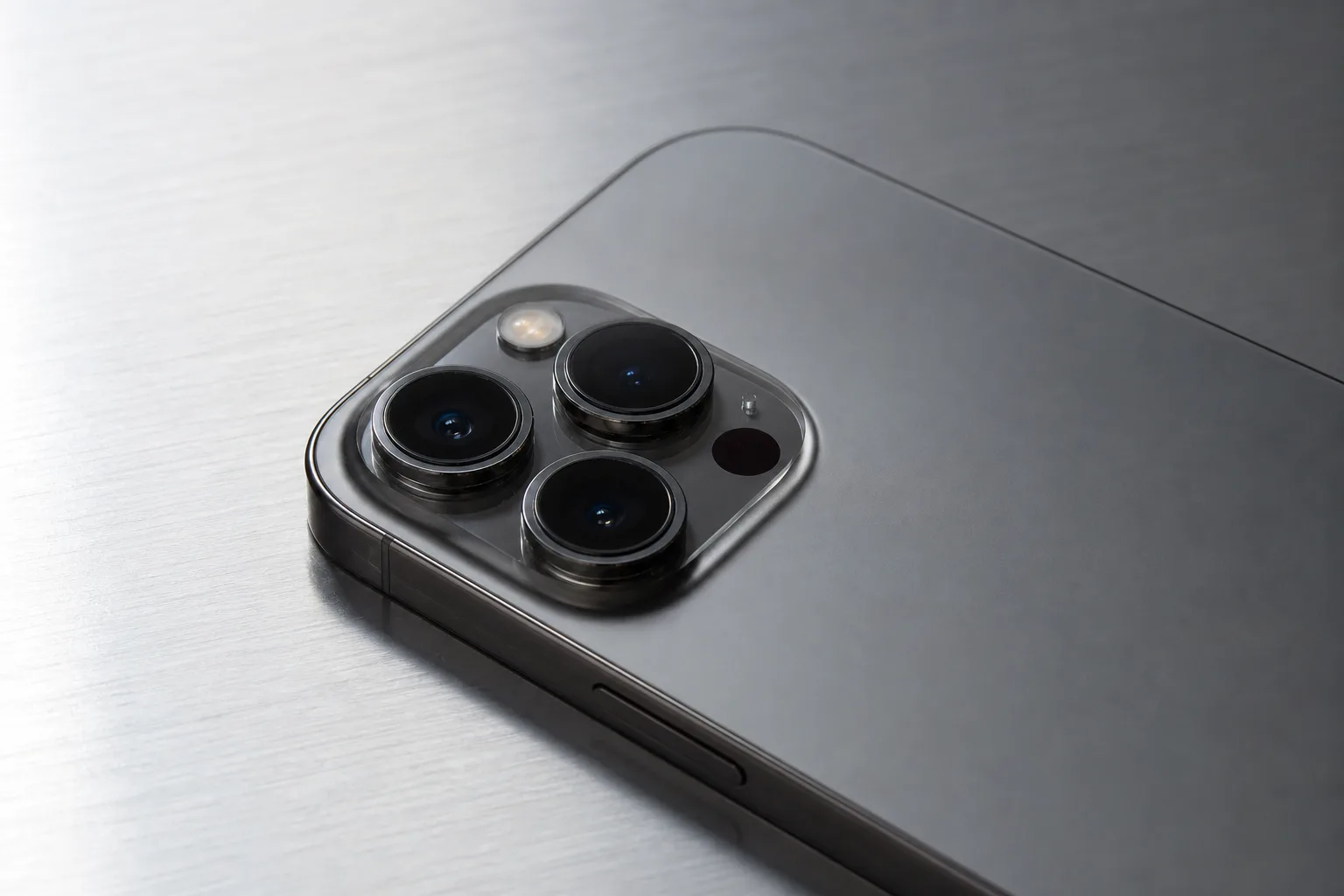
The iPhone 18 Pro price is shaping up to be the most uncomfortable number Apple has ever asked customers to swallow. According to analysis published by the Wall Street Journal, using pricing data from research firm TechInsights, the next flagship iPhone could start at $1,399 — or potentially even higher. That’s a staggering $200 to $300 jump over what you’d pay today for an iPhone 17 Pro, and it signals that Apple’s era of relatively stable flagship pricing may genuinely be over.
- The iPhone 18 Pro price could start at $1,399 or higher, a jump of up to $300 over the iPhone 17 Pro.
- Rising RAM, storage, and camera component costs are the key drivers behind the expected iPhone 18 Pro price increase.
- Apple CEO Tim Cook has confirmed price increases are coming but hasn’t specified which products or when.
- If Pro starts at $1,399, iPhone 18 Pro Max could open at $1,499, making the rumoured $2,000 iPhone Ultra look less extreme.
Table of Contents
Tim Cook Has Already Confirmed Prices Are Going Up
This isn’t rumour-mill speculation. Apple CEO Tim Cook told the Wall Street Journal directly that price increases are on the way, pointing to significant cost increases for RAM and storage components. When pressed on which products would be affected and when, Cook’s answer was deliberately vague: ‘We’re still working through that.’ Translation: Apple hasn’t finalised anything yet, but the direction of travel is firmly upward — and the iPhone 18 Pro price is expected to reflect that most sharply.
That’s a notable departure from Apple’s usual communications playbook. The company rarely acknowledges pricing pressure before a product launch, preferring to let the new price tag speak for itself in September. The fact that Cook addressed it proactively suggests the increases will be significant enough that getting ahead of the story made strategic sense.
Apple isn’t alone here. The broader semiconductor industry has been dealing with elevated memory and storage costs for the better part of two years. NAND flash and DRAM pricing has been on a sustained upswing, and premium smartphone makers — Samsung, Google, and now Apple — are all staring down the same supply chain reality. The difference is that Apple’s margins are high enough, and its customer loyalty strong enough, that it has more room than most to pass those costs on.
Breaking Down the iPhone 18 Pro Price Estimate
The WSJ’s iPhone 18 Pro price estimate wasn’t pulled from thin air. The methodology matters here. Analysts added up expected price increases for the iPhone 18 Pro‘s RAM and storage, factored in camera system upgrades, and then applied Apple’s typical profit margins to arrive at a likely retail figure.
TechInsights estimates that the $1,099 iPhone 17 Pro carries a gross profit margin of around 47% — a figure Apple itself never discloses publicly. To hit that same 47% margin on the iPhone 18 Pro given higher component costs, Apple would need to price it at approximately $1,371. Since Apple prefers clean, round-number price points, $1,299 becomes the conservative floor — which would drop Apple’s margin slightly to around 44%.
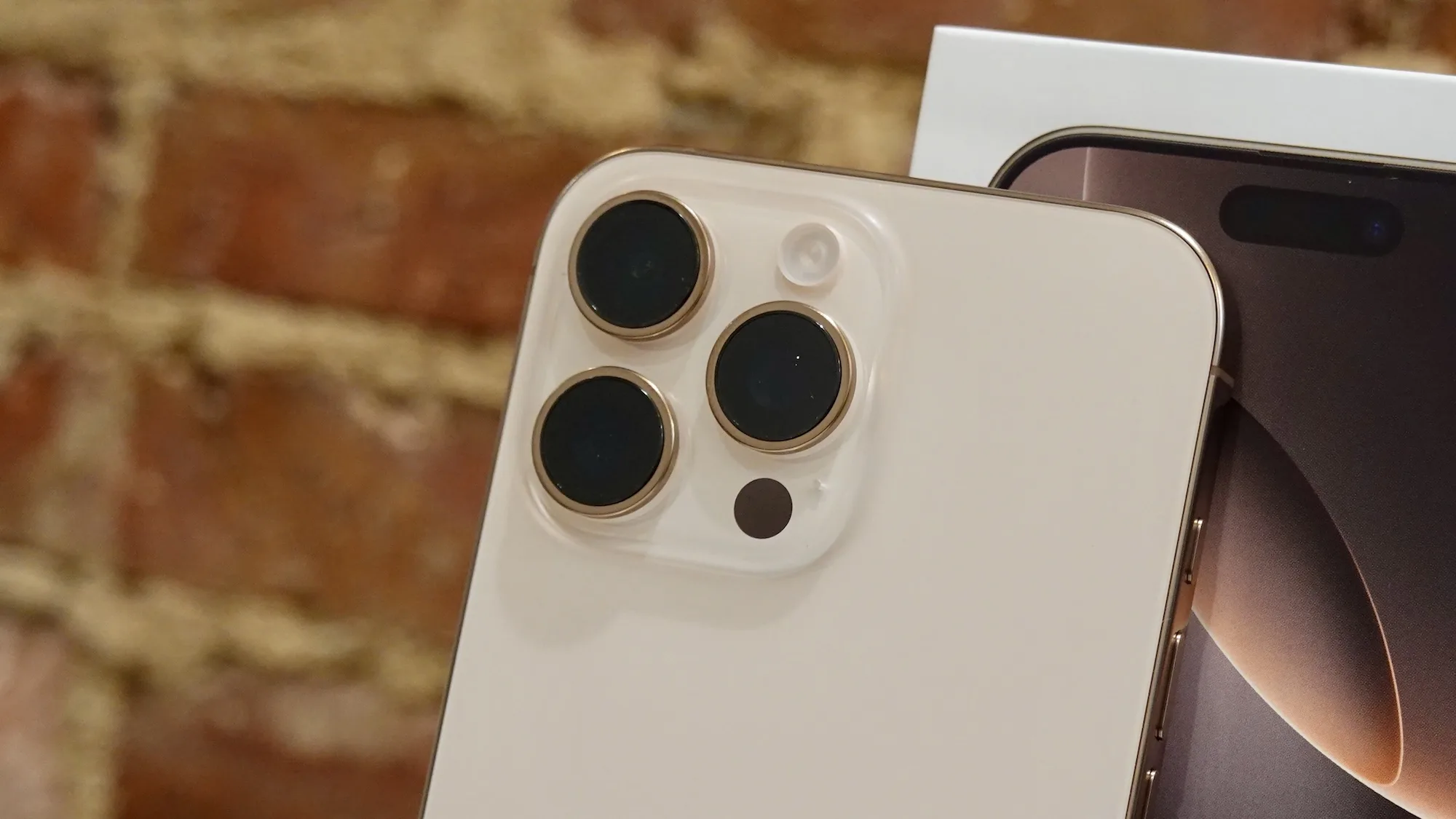
But here’s where the iPhone 18 Pro price gets more expensive. Supply chain analyst Ming-Chi Kuo — who has a strong track record on Apple hardware predictions — estimates that the iPhone 18 Pro‘s camera system will cost Apple roughly 50% more than the previous generation’s. Factor that into the same margin calculation and the starting price lands closer to $1,399. Possibly higher, depending on what Apple decides to do with its margins in a year when it’s already under tariff pressure and facing softening upgrade cycles in key markets.
So the honest range for the iPhone 18 Pro price is $1,299 to somewhere north of $1,399. The WSJ’s view is that the higher end is more likely than the lower. Given that Apple has historically chosen to protect margins rather than absorb costs, that assessment is hard to argue with.
What This Means for the Rest of the iPhone 18 Lineup
If the base iPhone 18 Pro price settles at $1,399, the ripple effects through the rest of the lineup are significant. Apple has maintained a consistent $100 gap between the Pro and Pro Max for several years now, which would put the iPhone 18 Pro Max at $1,499 for its base configuration. Higher storage tiers — 512GB and 1TB — would push well beyond that.
Then there’s the iPhone Ultra. Rumours have pegged Apple’s new ultra-premium tier at around $2,000, a figure that prompted considerable consumer shock when it first circulated. But if the Pro Max is already knocking on $1,500, a $2,000 Ultra starts to feel less like an absurd outlier and more like a natural extension of the line. That’s almost certainly intentional on Apple’s part — anchoring the Pro Max price higher makes the Ultra’s premium look proportionally smaller.
The Real Question: Will Buyers Accept These Prices?
Apple’s pricing power is genuinely impressive, but it isn’t unlimited. The iPhone upgrade cycle has been stretching — data from several analysts suggests average iPhone replacement cycles are now approaching four years in mature markets. At an iPhone 18 Pro price of $1,399 for the entry-level model, that trend is unlikely to reverse.
There’s also the competitive context. Samsung’s Galaxy S25 Ultra starts at $1,299. Google’s Pixel 9 Pro XL comes in at $1,099. Neither of those companies is immune to component cost pressures either, but neither is making the same aggressive jump Apple appears to be contemplating. If the iPhone 18 Pro price does land at $1,399 or above, Apple will be asking buyers to pay a meaningful premium over every major Android alternative — not just on brand loyalty, but on raw dollar value.
The counterargument — and it’s a fair one — is that Apple’s installed base is enormous, its ecosystem switching costs are high, and the Pro lineup has never been aimed at the price-sensitive buyer. People paying $1,099 for an iPhone 17 Pro today aren’t doing it reluctantly. A $300 increase will sting, but it probably won’t collapse demand in the short term.
September Will Tell the Full Story
All of this is educated estimation rather than confirmed fact. Apple hasn’t announced the iPhone 18 series, hasn’t confirmed any pricing, and Cook’s ‘still working through that’ suggests the final numbers may not even be locked internally yet. September is the expected window for the reveal, and that’s when the real conversation begins.
What makes this moment different from previous pricing cycles is that Cook explicitly flagged the increases before launch — something Apple almost never does. That suggests the company knows the iPhone 18 Pro price is going to be hard to absorb quietly, and is laying the groundwork for a broader narrative about component costs and supply chain economics. Whether that framing lands with consumers depends entirely on what the actual price tags say in a few months’ time. If iPhone 18 Pro does open at $1,399-plus, it won’t just be a pricing story — it’ll be a test of how elastic demand for premium smartphones really is in 2026.