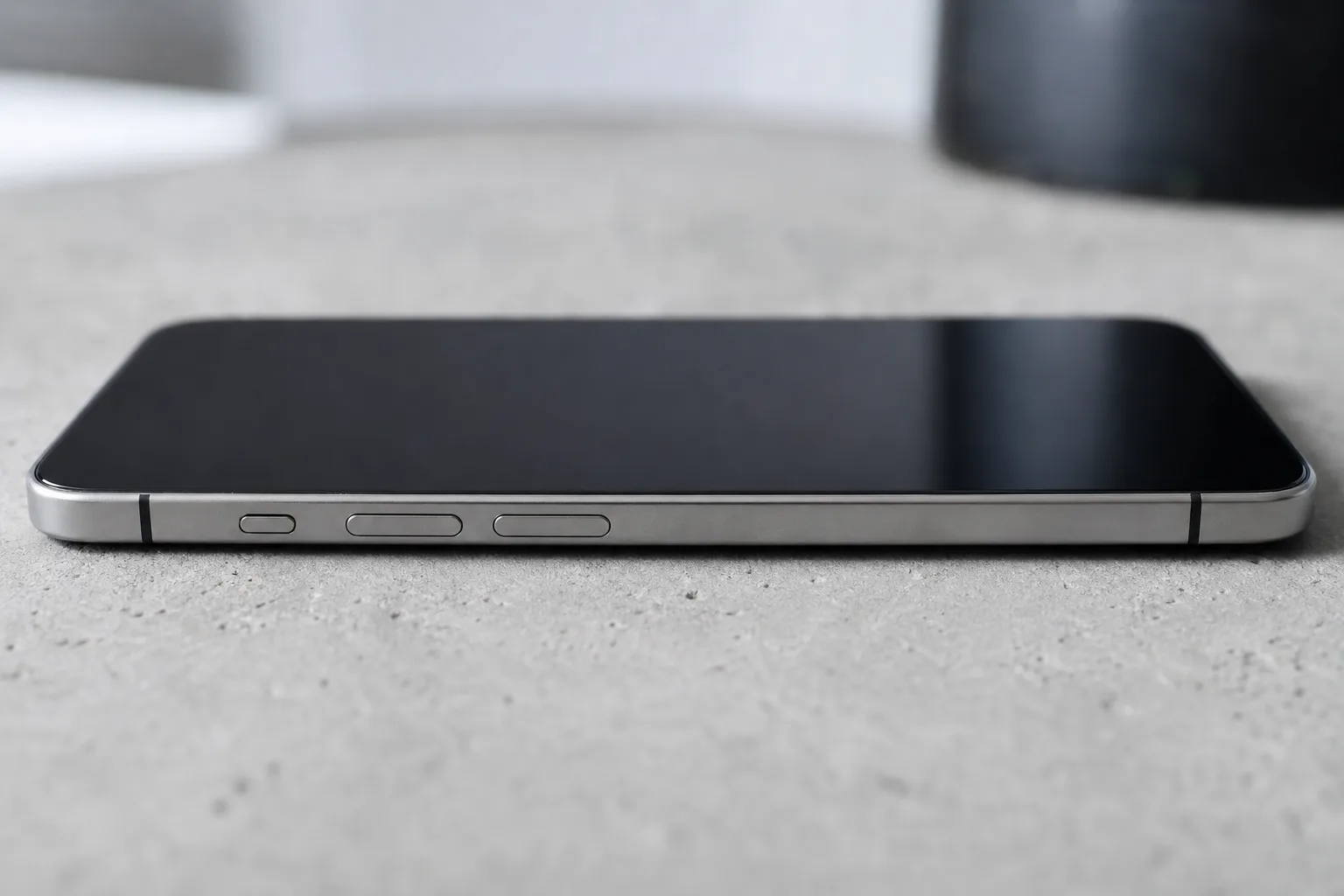
Apple is quietly working on the iPhone Air 2, and if early reports are accurate, the second-generation slim iPhone will address the two complaints that followed the original almost everywhere it was reviewed: a single camera and battery life that left power users wanting more.
- The iPhone Air 2 is reportedly in advanced testing at Apple, internally codenamed V62, with a 2027 launch expected.
- Apple’s iPhone Air 2 will reportedly add an ultrawide camera, fixing the single-lens limitation of the original model.
- Improved battery life is also on the agenda, addressing one of the most common complaints about the first iPhone Air.
- The iPhone Air 2 will launch in spring 2027 alongside the vanilla iPhone 18, part of Apple’s new staggered release strategy.
Table of Contents
What We Know About the iPhone Air 2 So Far
Bloomberg reports that the iPhone Air 2 is already in advanced testing. The prototype carries the internal codename V62, which suggests Apple is well past the exploratory stage and into serious pre-production work. That lines up with a projected spring 2027 launch window, which would give Apple roughly two years of iteration since the first Air landed.
The most talked-about addition is the second rear camera. Where the original iPhone Air shipped with a single lens — a choice that made it the odd one out in a lineup where every other model offered at least a dual-camera system — the Air 2 reportedly adds an ultrawide-angle lens. It’s a change that sounds incremental on paper, but in practice it fundamentally changes how versatile the phone is for photography. Ultrawide is no longer a ‘pro’ feature; it’s table stakes at this price point, and Apple clearly knows it.
Why the Original iPhone Air Fell Short
To understand why these fixes matter, it helps to look at what the first iPhone Air actually got right — and wrong. Apple’s obsession with thinness produced a genuinely striking device. The slim profile set it apart visually and made it feel different in the hand from the increasingly chunky Pro Max direction Apple has been heading. That part landed. The problems were predictable, and they were baked into the design from day one.
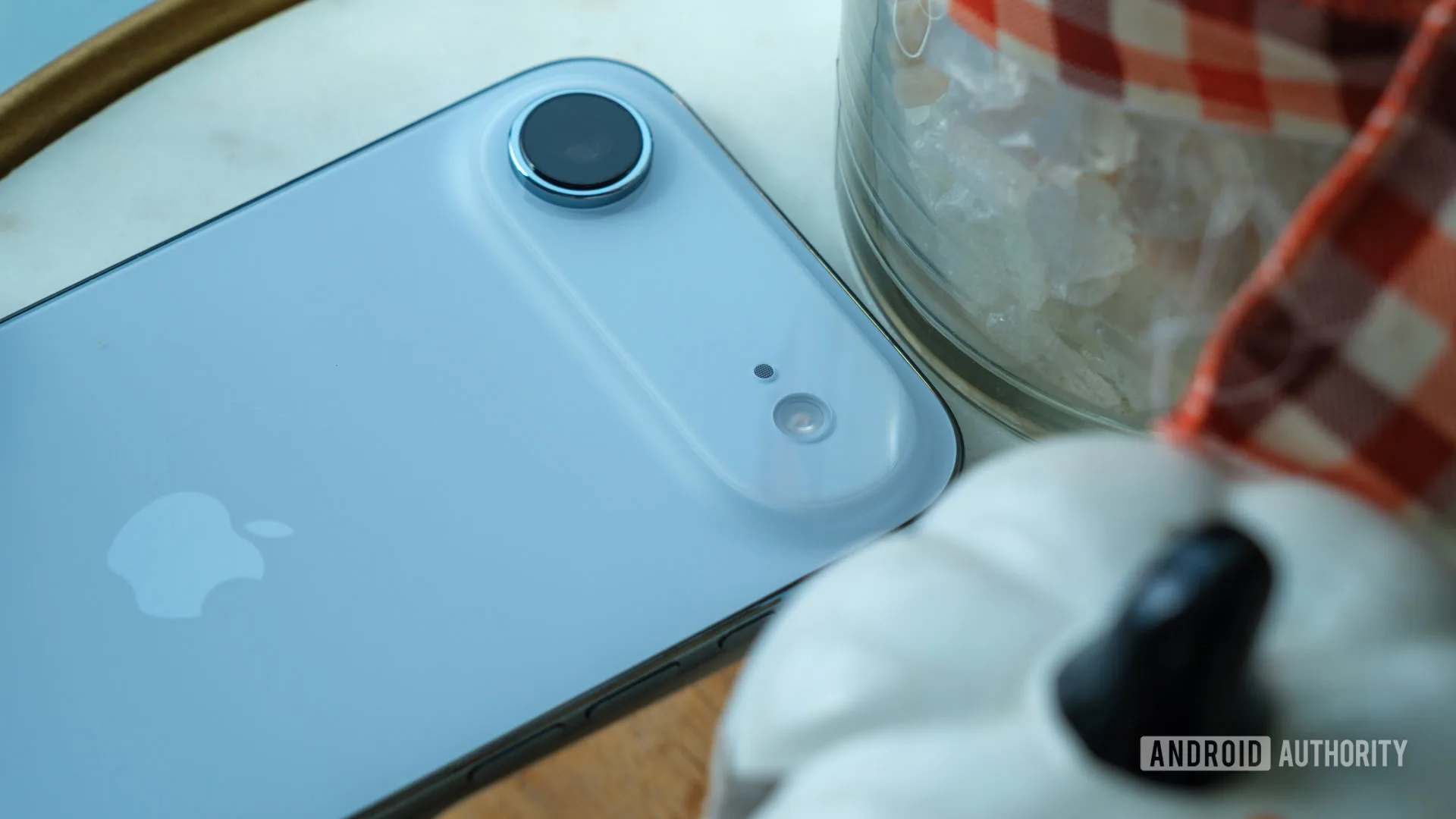
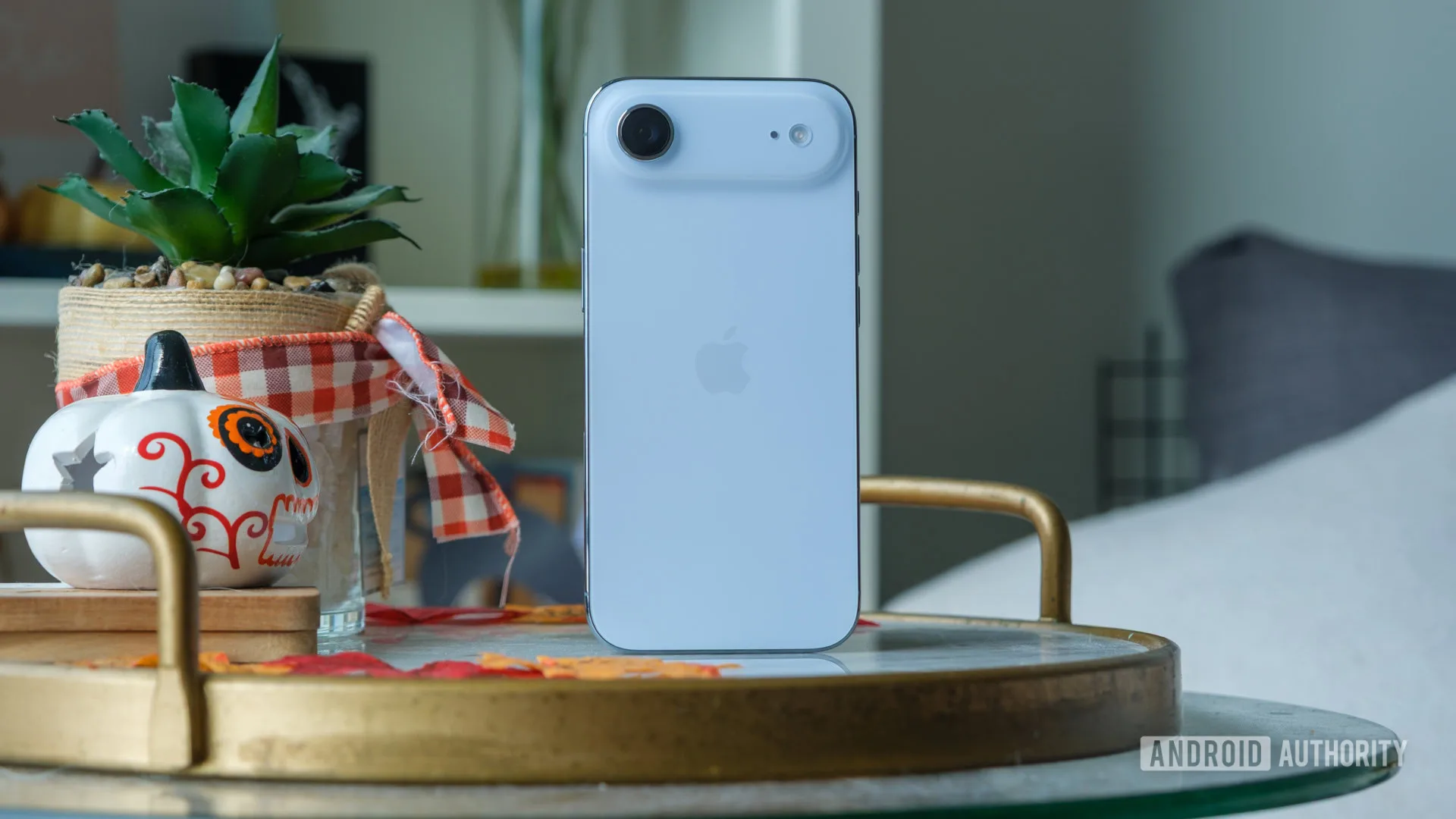
Fitting a multi-camera system into a chassis that thin is an engineering challenge Apple chose not to solve for the first generation. The single rear camera was capable — Apple’s computational photography does a lot of heavy lifting — but users who’d grown accustomed to switching between focal lengths found it limiting. Shooting architecture, landscapes, or anything that benefits from a wider field of view meant making do or reaching for a different phone.
Battery life was the other sticking point. Slim phones and large batteries are fundamentally at odds, and Apple’s engineers had to make compromises. The result was a device that many users found didn’t comfortably last a full day of heavy use. For a phone that’s meant to appeal to people who value portability, that’s a real problem — not just a minor inconvenience.
iPhone Air 2 Camera and Battery Upgrades Explained
The addition of an ultrawide camera in the iPhone Air 2 would bring it in line with the rest of the iPhone 18 family. It won’t match the telephoto reach of the Pro models, but closing the gap between the Air and the standard iPhone is the right call. Apple’s ultrawide lenses have improved significantly in recent years — the current iPhone lineup uses larger sensors with autofocus support on ultrawide, making them genuinely useful rather than a gimmick — and that capability coming to the Air 2 would meaningfully expand what the phone can do.
On battery, Bloomberg’s report is a little less specific. It’s not yet clear whether Apple plans to physically increase the battery capacity — which would require rethinking the internal layout — or whether it’s banking on the efficiency gains from the new A20 Pro chip to get the numbers up without changing the form factor. The honest answer is probably both: chip efficiency will do some of the work, and Apple may find ways to squeeze in a slightly larger cell as manufacturing techniques improve.
The A20 Pro Chip: More Than Just a Speed Bump
Speaking of the A20 Pro — this is worth paying attention to. The iPhone Air 2 will reportedly run the same silicon as the iPhone 18 Pro and 18 Pro Max. That’s a meaningful signal about where Apple is positioning this phone. The original Air was already a capable device performance-wise, but giving the sequel Pro-tier silicon rather than a cost-reduced variant suggests Apple wants the Air to feel genuinely premium, not like a compromise machine for people who just want something thin.
The A20 Pro will almost certainly bring improvements to the Neural Engine, which feeds Apple Intelligence features, and it should deliver better performance-per-watt than whatever comes before it. If Apple’s chip team hits its usual efficiency targets, that alone could move the battery life needle without any changes to the physical battery size.
Apple’s Staggered Launch Strategy — and What It Means
There’s a broader story here beyond the hardware specs. Apple is reportedly shifting away from its long-standing approach of dropping every iPhone model at the same September event. The new plan, according to Bloomberg, would have the Pro models arrive in fall as usual, while the standard iPhone 18 and the iPhone Air 2 follow in spring 2027.
On the surface, Apple frames this as a way to spread revenue more evenly across the fiscal year. But it also puts Apple in more direct competition with Samsung’s release cadence. Samsung has long used multiple launch windows throughout the calendar — the Galaxy S series in early spring, foldables in summer, the A series spread across the year — to maintain a constant presence in the news cycle and on retailer shelves. Apple’s traditionally concentrated fall launch created a massive Q1 revenue spike followed by quieter quarters. A spring iPhone launch changes that math considerably.
There’s also a product strategy angle. By separating the Air and standard iPhone 18 from the Pro reveal, Apple can give each product its own moment. The fall event won’t be crowded with six devices competing for attention; the spring launch can be a standalone showcase for the more design-forward, lifestyle-oriented models.
What the iPhone Air 2 Needs to Get Right
The iPhone Air 2 has a clear opportunity. The first generation proved there’s appetite for a slim, lightweight iPhone that doesn’t look like a budget device. Sales weren’t iPhone 16 Pro Max numbers, but the Air carved out its own identity. The sequel needs to be the version that removes the asterisks.
An ultrawide camera and better battery life are the two most obvious fixes, and both appear to be happening. But Apple will also need to be careful not to compromise the one thing the Air got unambiguously right: the way it feels to hold. If chasing better specs means adding meaningful bulk, the Air loses its reason to exist. Getting that balance right — thinner and more capable simultaneously — is the engineering problem Apple has set itself for 2027. Based on what Bloomberg is reporting, they’re already working on the answer.
Frequently Asked Questions
When will the iPhone Air 2 be released?
The iPhone Air 2 is expected to launch in spring, alongside the standard iPhone 18. This is part of Apple’s reported shift to a staggered release schedule, with Pro models arriving in fall and other models following in spring.
What processor will the iPhone Air 2 use?
According to Bloomberg, the iPhone Air 2 will be powered by a version of the A20 Pro chip — the same silicon expected inside the iPhone 18 Pro and 18 Pro Max. That’s a notable step up and should also help with efficiency.
Why did the original iPhone Air have only one camera?
The original iPhone Air’s ultra-slim chassis left little room for additional camera hardware. Apple made the trade-off to keep the phone thin, resulting in a single rear camera while every other iPhone in the lineup shipped with at least two.
How is Apple changing its iPhone launch schedule?
Apple is reportedly splitting its iPhone launches across the calendar. Pro models will arrive at the traditional fall event, while the standard iPhone 18 and iPhone Air 2 are expected in spring — a move that could smooth out revenue across the year.