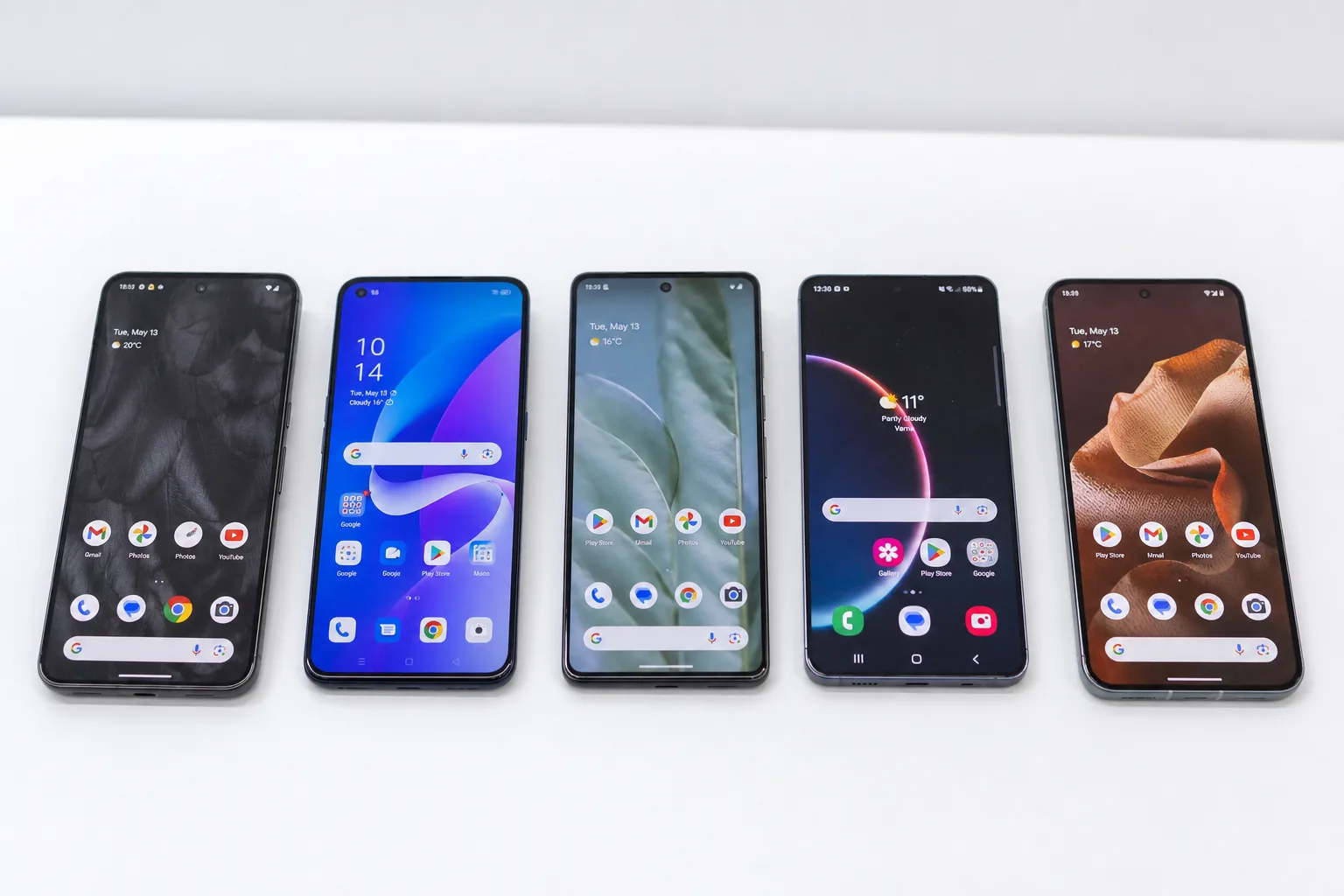
The Moto G has been a budget staple for over a decade, but the Moto G (2026) finds itself in an awkward spot. Motorola has quietly pushed the price up from $200 to $300, which would be defensible if the phone had taken a significant step forward. It hasn’t — and that makes finding strong Moto G 2026 alternatives easier than ever. Here are five Android phones that make a more convincing case for your money.
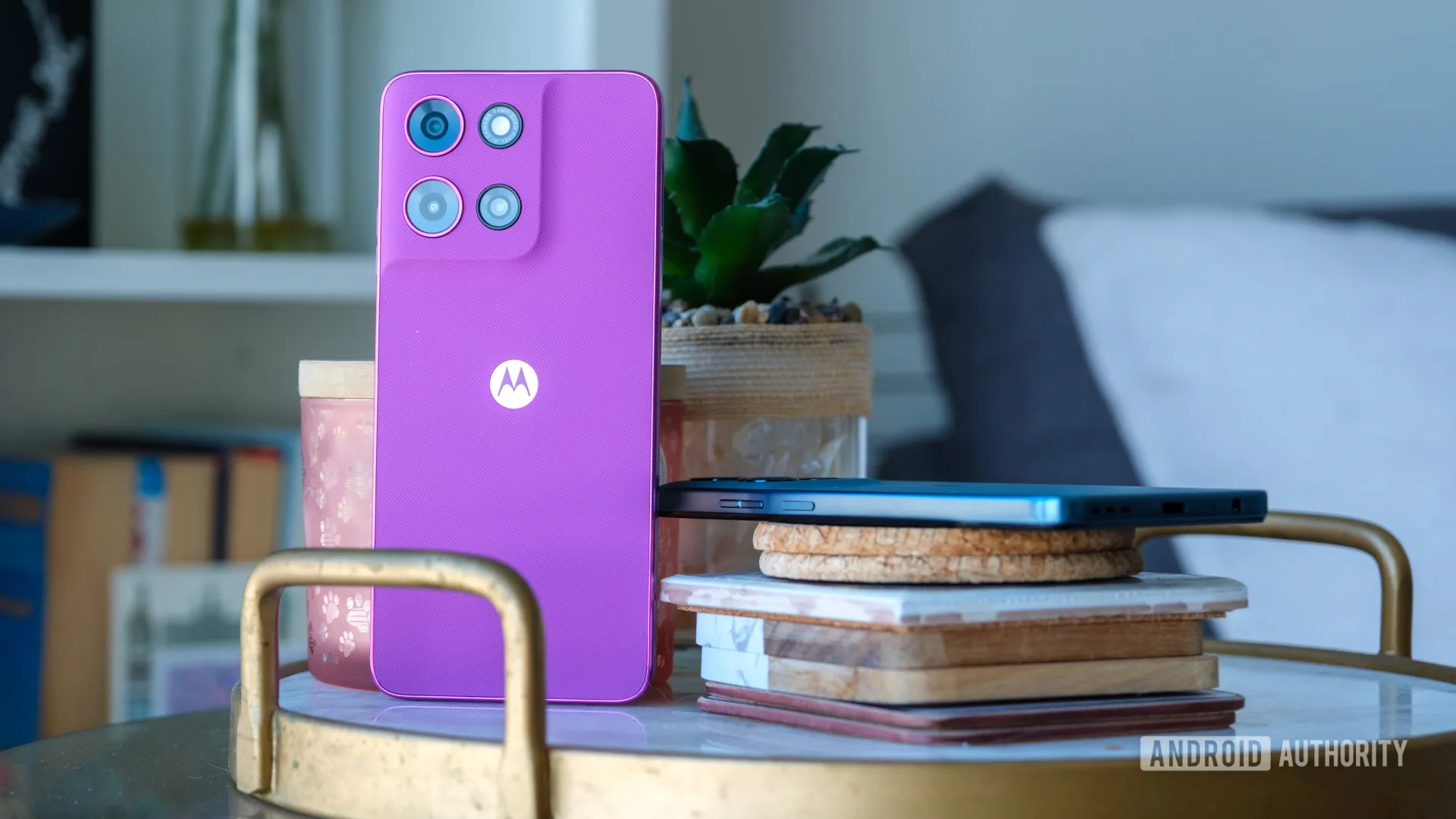
- The best Moto G 2026 alternatives offer longer software support, better durability, and stronger value than Motorola’s $300 handset.
- Moto G 2026 alternatives like the Samsung Galaxy A17 5G and Google Pixel 10a deliver OLED screens and multi-year update commitments.
- Motorola’s price hike from $200 to $300 makes the Moto G harder to justify against rivals with superior build quality.
- The CMF Phone 2 Pro stands out as a Moto G alternative with a unique telephoto camera unavailable from other brands at this price.
Table of Contents
Why the Moto G 2026 Is a Harder Sell Than It Used to Be
There’s still a genuine audience for the Moto G. It keeps the 3.5mm headphone jack alive, ships with a microSD card slot, and packs a big battery — three things a lot of budget buyers actually care about. My colleague Ryan Haines highlighted these strengths in his review, but he was equally candid about the drawbacks: sluggish performance courtesy of the MediaTek Dimensity 6300, only two years of OS updates, and durability that lags behind competitors at a similar price.
Two years of OS support is genuinely hard to stomach in 2025. When Samsung is promising six years and Google is offering seven, Motorola’s commitment feels like a relic from a different era of the industry. Factor in the price jump and the calculus shifts decisively. The Moto G 2026 alternatives listed here range from $200 to $500, covering a wide spread of budgets — and every single one of them does at least one important thing better.
Samsung Galaxy A17 5G — The Sensible $200 Upgrade
Samsung’s Galaxy A17 5G isn’t flawless — charging is slow, performance is modest, and the secondary cameras disappoint. But as a direct Moto G 2026 alternative at the same original $200 price point (before Motorola’s hike), it punches well above its weight in the areas that matter most over a multi-year ownership period.
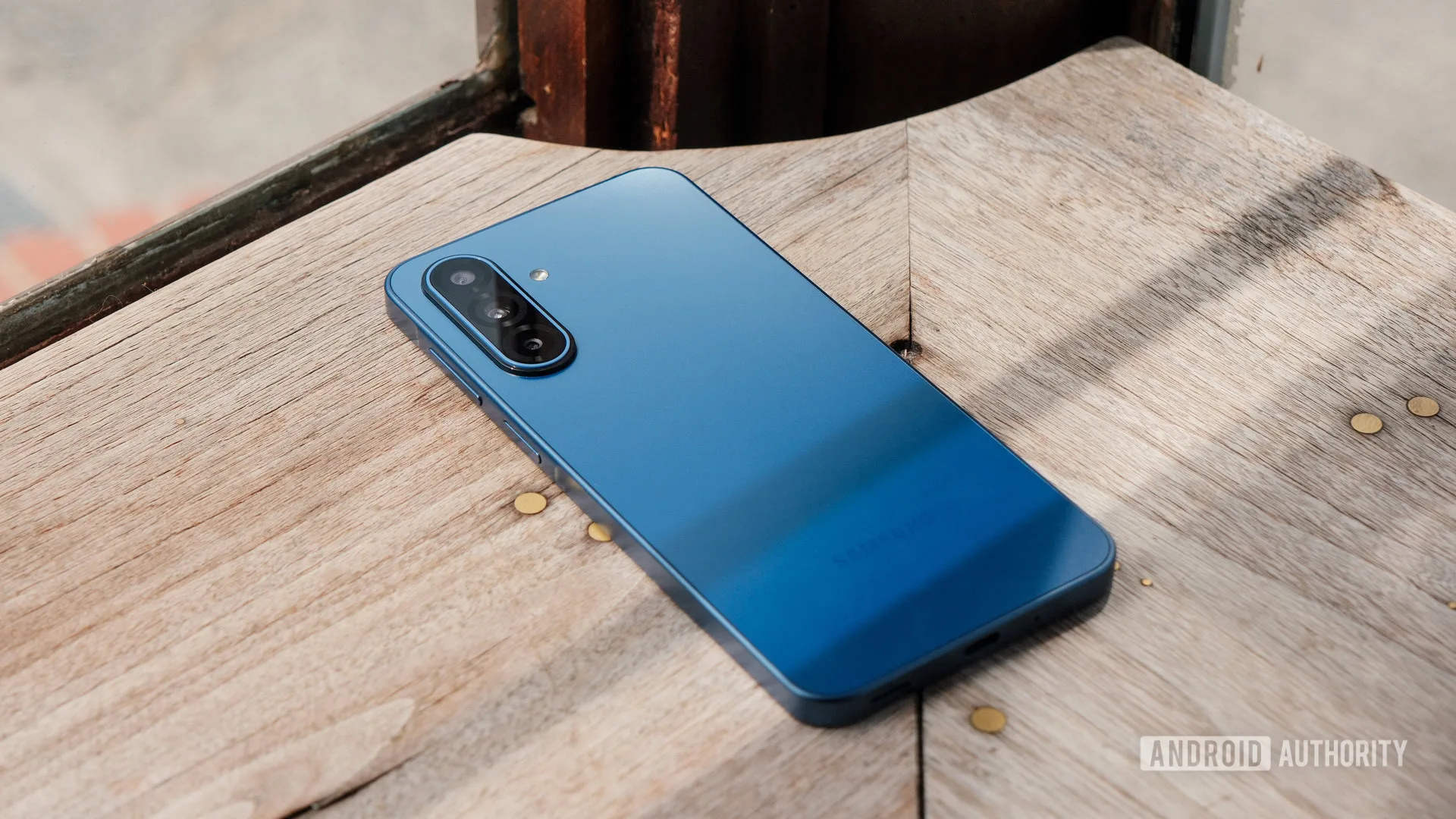
The headline advantage is longevity. Samsung is backing the A17 5G with six years of OS updates — three times what Motorola offers with the Moto G. That alone makes a compelling argument for anyone who tends to hang onto a phone for three or four years. Add Gorilla Glass Victus (versus the Moto G’s older Gorilla Glass 3) and a proper OLED display, and the A17 5G starts looking like the smarter long-term bet at a lower price.
The one area where the Moto G genuinely wins is audio. Motorola kept the headphone jack; Samsung didn’t. If that’s a dealbreaker, the A17 5G isn’t your phone. For everyone else, six years of updates and a superior screen at $200 is a hard combination to argue against. That makes the Galaxy A17 5G one of the most straightforward Moto G 2026 alternatives for shoppers who want simplicity and longevity.
CMF Phone 2 Pro — The Most Interesting Phone at This Price
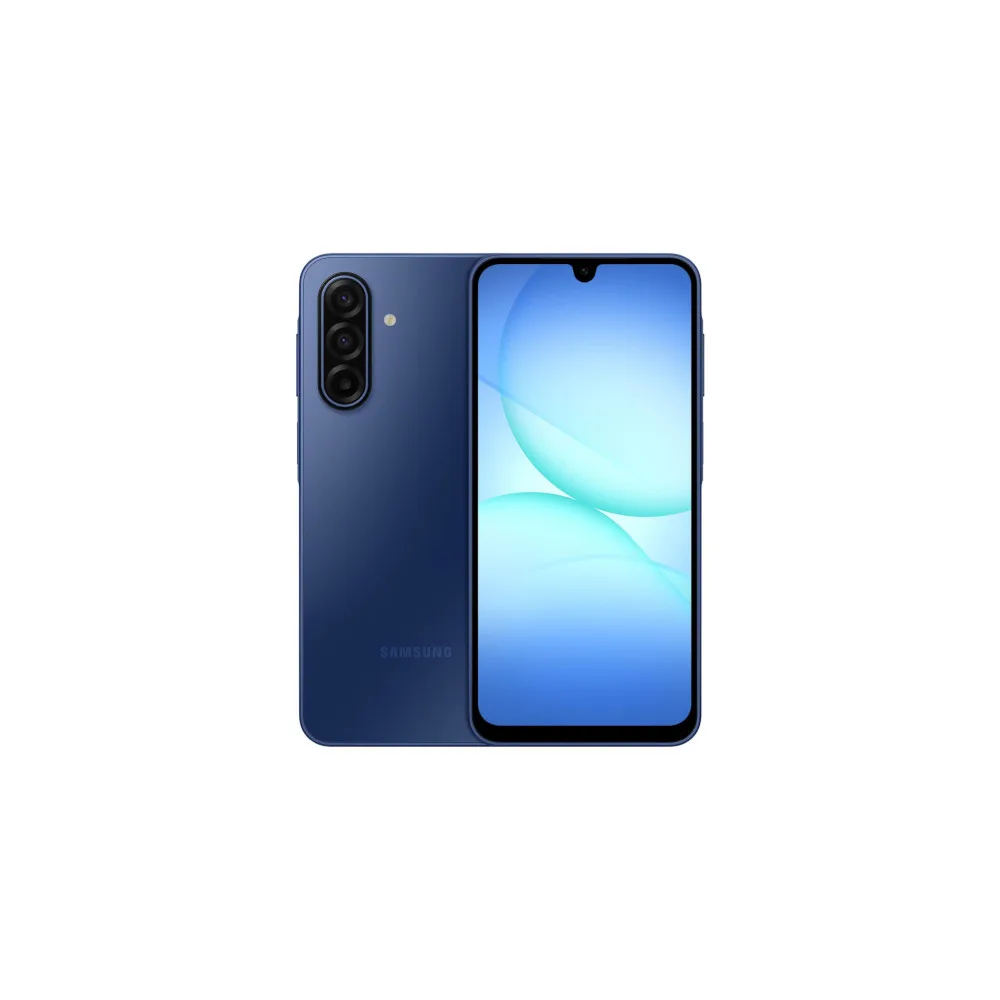
Nothing launched the CMF Phone 2 Pro at $279 over a year ago, and it remains one of the more genuinely interesting budget phones available — making it one of the stronger Moto G 2026 alternatives if you’re willing to navigate a few US-specific quirks.
The design is the obvious talking point. The removable back panel isn’t just a gimmick — it’s a functional attachment system that lets you clip on accessories like a wallet and kickstand combo. Even the small dial at the bottom is swappable for a lanyard attachment. In a sea of phones that look and feel identical, the CMF Phone 2 Pro has real personality.
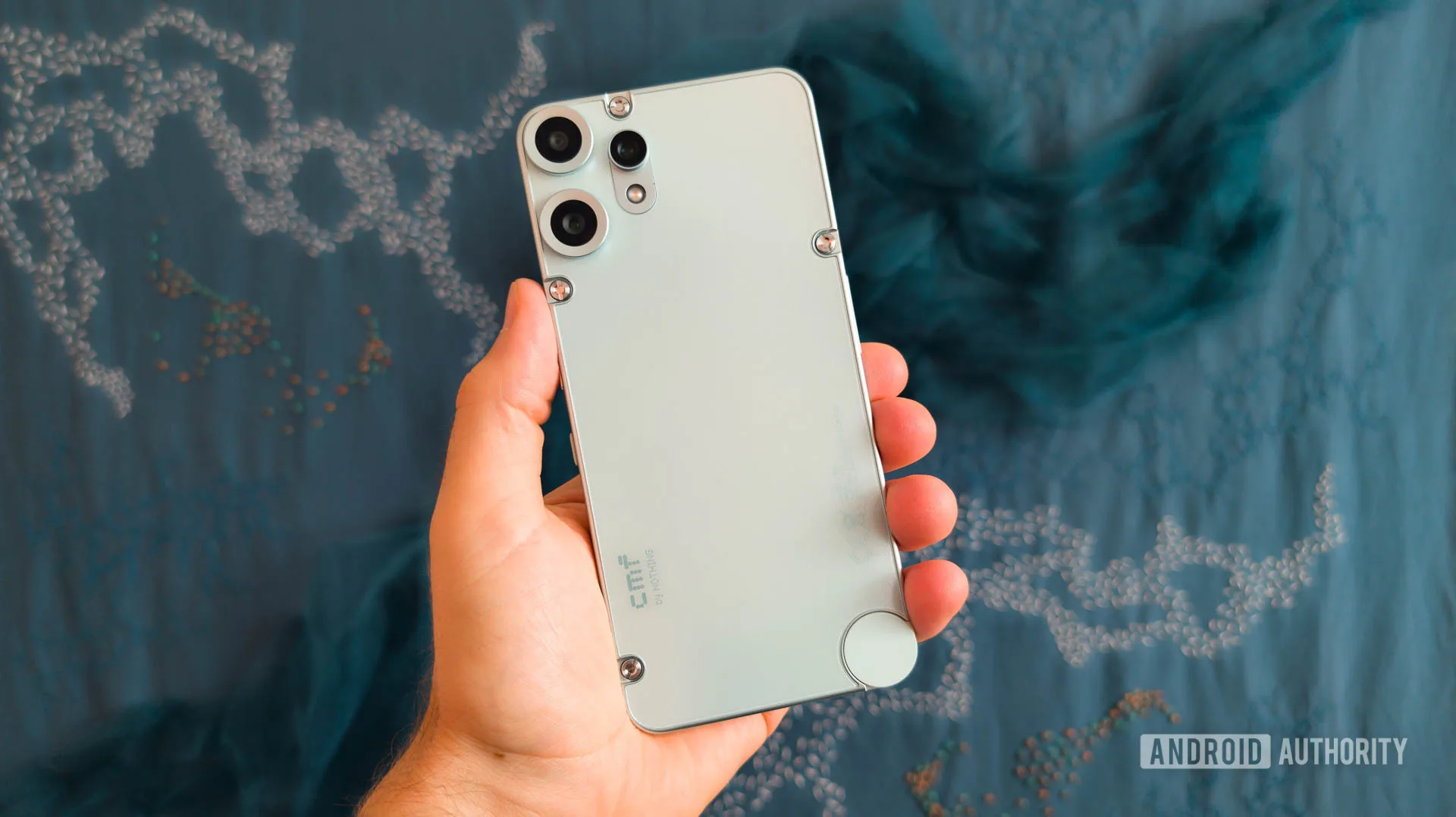
Beyond aesthetics, the spec sheet is quietly impressive for the price. There’s a 6.7-inch 120Hz OLED screen, a MediaTek Dimensity 7300 chip (a meaningful step up from the Moto G’s 6300), a 5,000mAh battery with 33W wired charging, and — most unusually — a 50MP 2x telephoto camera. No other manufacturer is putting a dedicated telephoto lens in a sub-$300 phone sold in the US. That’s a genuine differentiator, not marketing noise. Nothing also promises three years of OS upgrades and six years of security patches.
The catch for North American buyers is real, though. The CMF Phone 2 Pro requires purchasing through Nothing’s beta program in the US, doesn’t support all major network bands, and the modular accessories aren’t officially sold stateside. Globally, it’s close to a no-brainer as a Moto G 2026 alternative at the price. In the US, it takes more commitment to work around the limitations.
TCL 60 XE NXTPAPER 5G — The Specialist Pick at $200
TCL occupies a small slice of the global smartphone market, but the company has quietly built a consistent track record of offering credible Moto G 2026 alternatives at the low end. The TCL 60 XE NXTPAPER 5G is the latest example, and its standout feature is genuinely unlike anything else at this price.
The NXTPAPER display uses a matte anti-glare coating that dramatically cuts reflections — useful if you read a lot on your phone outdoors. There’s even a dedicated NXTPAPER button that flips the screen into a monochrome, E-Ink-style mode. It won’t replace a dedicated e-reader for serious reading sessions, but it’s a thoughtful feature that has no equivalent from Motorola or Samsung at this tier. The rest of the package is solid: a 5,010mAh battery, 8GB of RAM, up to 256GB of expandable storage, and a triple-camera system led by a 50MP main sensor.
The weak points are real. The Dimensity 6100 Plus chip is actually clocked lower than the Moto G’s already-modest Dimensity 6300, and the maximum wired charging speed of 18W lags behind Motorola’s 30W. At $200 — a full $100 less than the current Moto G — those trade-offs are easier to swallow, especially if the NXTPAPER display appeals to your use case. For display-focused buyers, it earns its place among the best Moto G 2026 alternatives available today.
Moto G Power (2026) — The Smarter Motorola Buy
Here’s a slightly counterintuitive entry among the Moto G 2026 alternatives: another Motorola. The Moto G Power (2026) costs $400 — $100 more than the standard Moto G — but the gap in the feature set is substantial enough to justify the premium if you’re committed to the Motorola ecosystem.
That extra hundred dollars buys you an IP69 rating (higher-grade water and dust resistance than even the IP68 on the Pixel 10a), a higher-resolution display, more RAM, an ultrawide camera, and more modern Gorilla Glass protection. For buyers who prioritise toughness — tradespeople, outdoor users, parents handing a phone to a teenager — the IP69 rating alone is worth serious consideration.
Ryan Haines’ review flagged the continued reliance on the Dimensity 6300 chip and Motorola’s short update window as persistent frustrations. The omission of wireless charging is also a step backwards from the previous generation. Still, if you want to stay within the Motorola family and need a phone that can genuinely take a beating, the G Power (2026) makes more sense than its cheaper sibling.
Google Pixel 10a — The Best Moto G 2026 Alternative Overall
At $500, the Google Pixel 10a is the most expensive entry on this list of Moto G 2026 alternatives — $200 more than the Moto G’s current asking price. It’s also the one that most clearly illustrates how much Motorola is leaving on the table.
Google’s Tensor G4 chip isn’t just faster in benchmarks — it’s the engine behind a suite of on-device AI features that Motorola can’t match. Call screening, Now Playing ambient track identification, the Pixel Recorder app’s real-time transcription, and several exclusive camera processing modes all run locally on the device. These aren’t software novelties; they’re features that genuinely change how you use the phone day to day.
The hardware story is strong too. A 48MP main camera paired with a 13MP rear camera produces images that hold their own against phones costing significantly more. Gorilla Glass 7i and an IP68 rating put durability well ahead of the Moto G. The 5,100mAh battery supports both wired and wireless charging — something the Moto G Power’s more expensive sibling dropped. And Google is committing seven years of OS updates through to 2032.
Spread that $200 premium across seven years and it amounts to less than $30 a year for a considerably more capable, more durable, and far better supported device. The Moto G’s value proposition was always built on hitting a low price — but as rivals improve their hardware and extend their software commitments, simply being cheap is no longer enough. Among all the Moto G 2026 alternatives covered here, the Pixel 10a makes the most compelling case for why the budget phone market has fundamentally changed.
Frequently Asked Questions
What are the best Moto G 2026 alternatives under $300?
The Samsung Galaxy A17 5G at $200 and the CMF Phone 2 Pro at $279 are the strongest Moto G 2026 alternatives under $300. Both offer OLED screens and better update policies than the Moto G’s two-year OS commitment.
Why should I consider alternatives to the Moto G 2026?
The Moto G 2026 has seen its price rise from $200 to $300 while offering only two years of OS updates, weak Dimensity 6300 performance, and relatively poor durability — making several rivals a more compelling long-term investment.
Does the Google Pixel 10a justify its higher price over the Moto G 2026?
At $500 versus $300, the Pixel 10a delivers seven years of OS updates, a Tensor G4 chip, Gorilla Glass 7i protection, and an IP68 rating. For anyone planning to keep their phone for several years, the extra cost makes strong practical sense.
Is the CMF Phone 2 Pro available in the US?
Yes, but with caveats. In the US, the CMF Phone 2 Pro must be purchased through Nothing’s beta program and doesn’t support all major carrier bands. The modular accessories also aren’t officially sold in North America.