With smartphone prices rising on both sides of the aisle, the question is no longer if your next phone will cost more — it’s how much more, and who moves first. Apple CEO Tim Cook has effectively answered the second part of that question. In a recent interview with The Wall Street Journal, Cook acknowledged that soaring memory and storage costs are forcing Apple’s hand on pricing. He kept the specifics vague — no product names, no dates — but the signal alone carries enormous weight. When the company that sells more premium smartphones than anyone else on the planet says higher prices are unavoidable, the whole industry pays attention.
- Smartphone prices rising across the industry as AI drives up memory and storage component costs significantly.
- Tim Cook confirmed Apple is preparing price hikes, a signal that smartphone prices rising industrywide is now inevitable.
- Android manufacturers from Samsung to Nothing have already flagged mounting cost pressures on their devices.
- When Apple raises prices first, rival brands historically gain cover to follow without facing as much consumer backlash.
Table of Contents
Tim Cook Puts the Industry on Notice
Cook didn’t frame it as a choice. He presented it as a consequence — the kind of straightforward cost-push explanation that’s hard for consumers to argue with. Memory and storage components are getting more expensive, and Apple, like every other hardware company, has to absorb that or pass it on. Given Apple’s consistent track record of protecting margins, don’t expect them to quietly absorb it.
The most widely discussed implication is that the iPhone 18 lineup, expected in the second half of 2025, could land with a higher starting price than its predecessor. With smartphone prices rising, Apple has held the iPhone’s base price relatively steady in recent years, so any increase would be a genuine break from recent habit. But Cook’s comments left room for the increases to show up elsewhere first: MacBooks, iPads, AirPods. Apple has a lot of hardware, and not all of it carries the same pricing sensitivity as the iPhone.
Smartphone Prices Rising Isn’t Just an Apple Story
Here’s where this gets more interesting. Apple’s public acknowledgment of cost pressure doesn’t exist in a vacuum — it validates what Android manufacturers have been quietly saying for months. Smartphone prices rising across the broader market have been telegraphed by executives at multiple companies, but few have wanted to be the first to actually pull the trigger on a flagship price increase. Being first always risks looking greedy.
Apple, almost accidentally, just solved that problem for them.
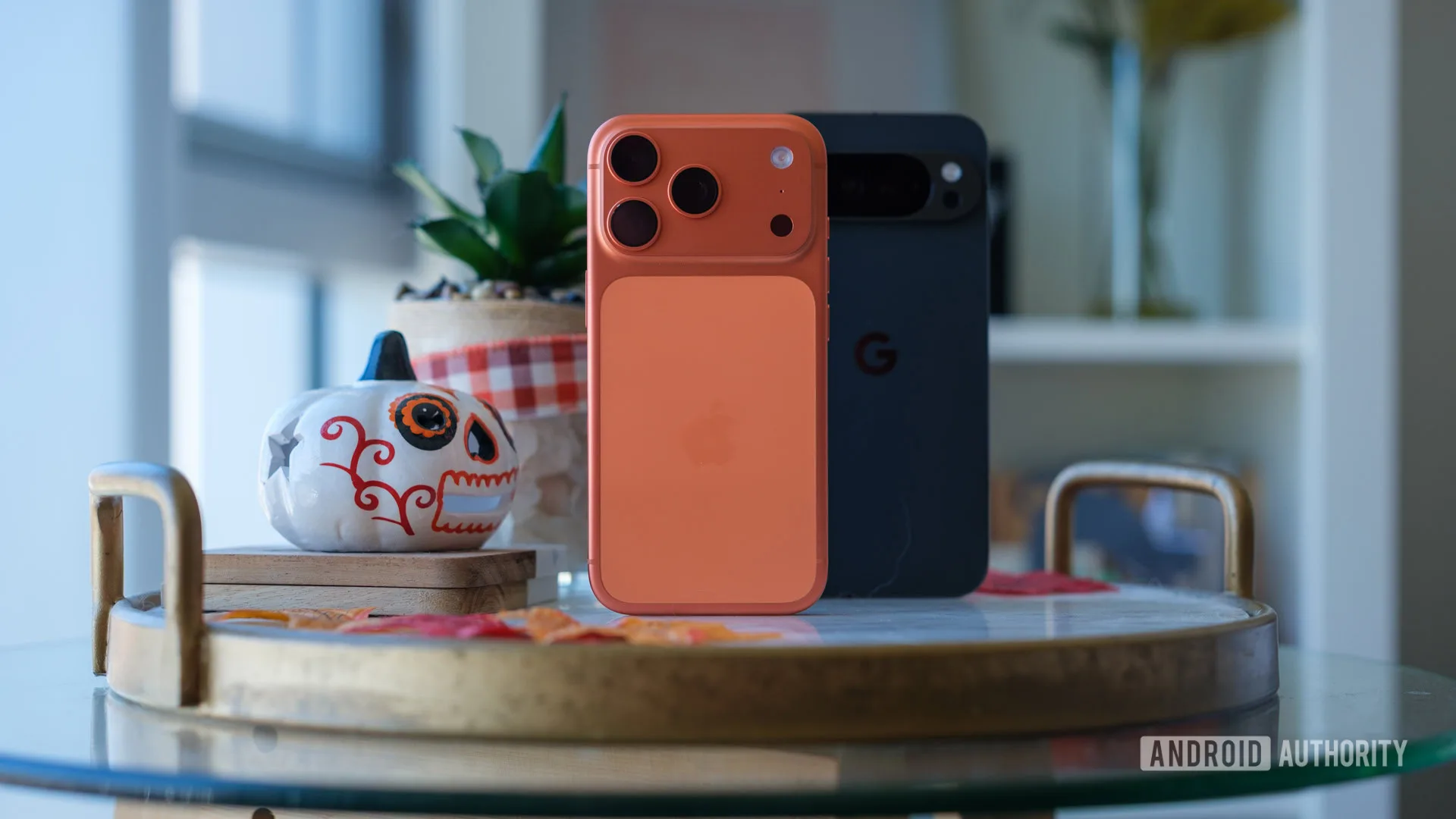
If Apple increases iPhone prices and consumers grudgingly accept it — as they usually do — it recalibrates the psychological baseline for what a premium phone costs. A Samsung Galaxy S26 Ultra or a OnePlus 14 Pro that costs $50 or $100 more than its predecessor suddenly looks more reasonable in a world where iPhones got more expensive first. This is a pattern that has played out before. Apple’s pricing moves set the ceiling; everyone else adjusts accordingly.
Samsung is the most obvious brand to watch here. The Galaxy S25 Ultra already sits at a price point that would have seemed extraordinary five years ago. Any further increase needs narrative cover. Cook just handed them some. Google’s Pixel line, which has been creeping upmarket in recent generations, faces the same dynamic. With smartphone prices rising due to legitimate component cost increases, it becomes far easier for any brand to justify charging more — but only if the market has already been conditioned to accept higher prices.
AI Is Eating the Memory Supply
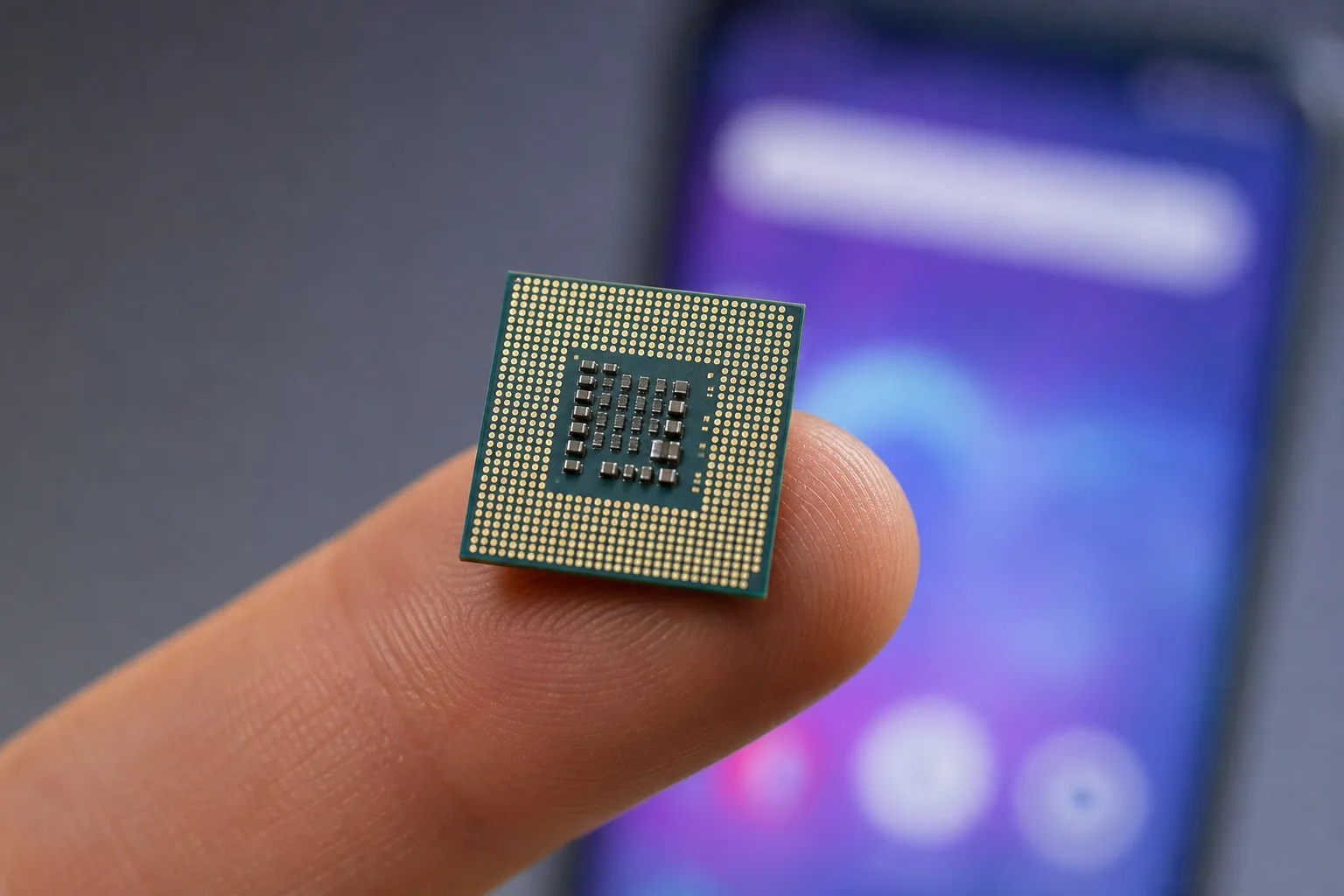
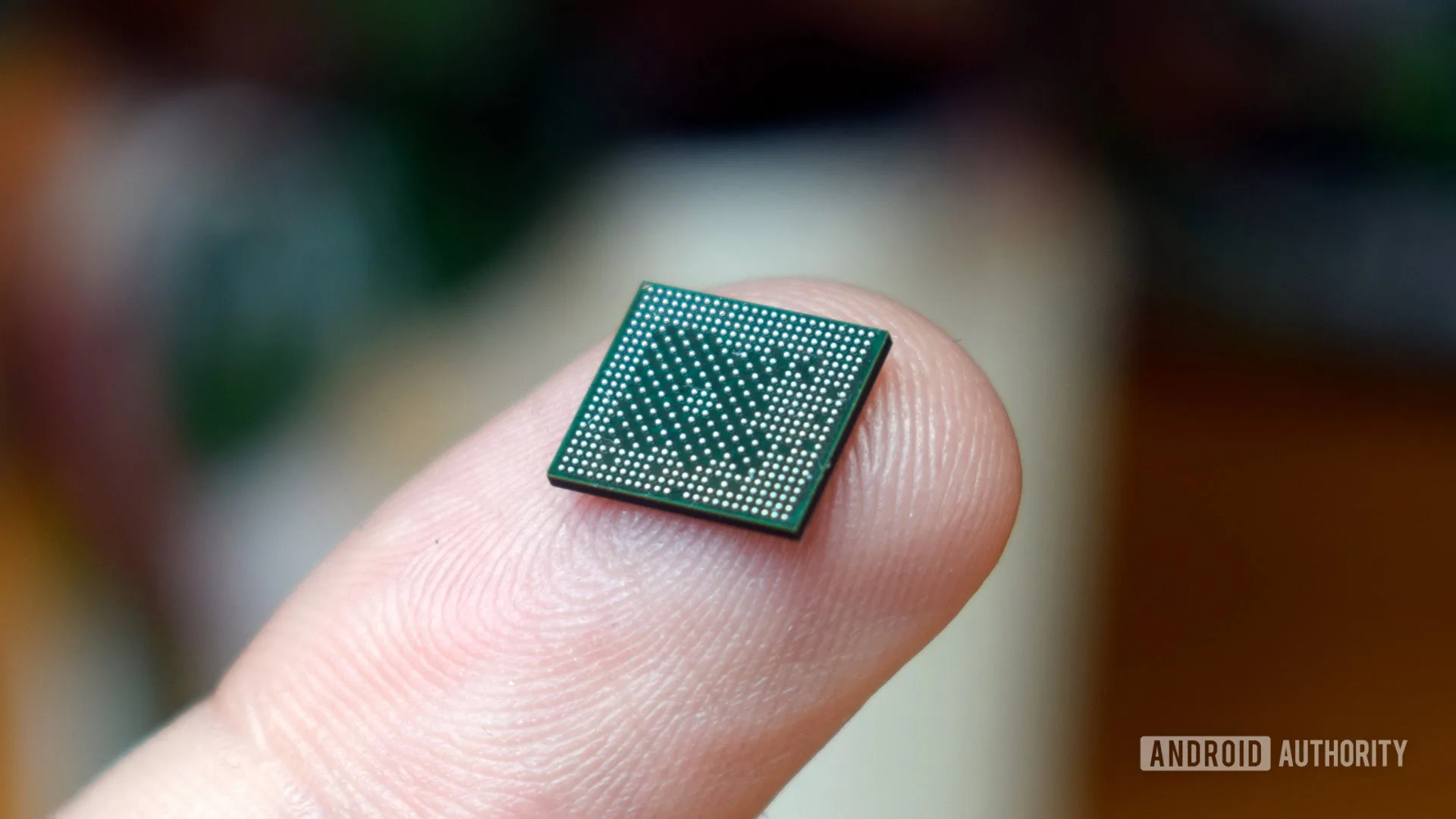
The underlying cause of all this cost pressure is worth understanding properly, because it’s not going away. The global semiconductor industry is under extraordinary demand stress right now, and AI is the primary reason. Training large language models, running inference at scale, and building out the data centre infrastructure that powers everything from ChatGPT to Apple Intelligence requires staggering amounts of high-bandwidth memory and flash storage. That demand is competing directly with the consumer electronics supply chain, and it is one of the core reasons smartphone prices rising has become an industry-wide inevitability.
The painful irony for smartphone brands is that they’re caught in a double bind. They’re competing with AI companies for the same chips that go into phones — and simultaneously trying to add more AI features to their own devices to stay competitive. Every on-device AI model, every real-time translation tool, every computational photography pipeline, every generative image feature demands more RAM and faster storage. The phone gets smarter; the bill gets bigger; the price tag climbs.
This is a structural shift, not a temporary spike. As on-device AI becomes table stakes — and it clearly is, given how aggressively Apple, Google, and Samsung are all pushing their respective AI platforms — the memory requirements for mid-range and flagship phones will continue to climb year over year. Smartphone prices rising in step with those requirements is not a coincidence; it is the direct result of capability demands outpacing cost reductions. Brands hoping to hold prices steady while also keeping up with AI feature parity are essentially hoping costs fall faster than capabilities rise. That’s a difficult bet to win.
The Brands Already Feeling It
It’s not just the giants that are flagging the pressure. Nothing co-founder Carl Pei recently raised the alarm publicly, suggesting that rising industry-wide costs would eventually hit consumers. For a brand that built much of its identity on offering compelling specs at prices below Samsung and Apple, that’s a telling admission. If even the challengers — the brands with the most to lose from smartphone prices rising — are acknowledging the math doesn’t work at current price points, that tells you something about how widespread the problem really is.
Tariffs are layered on top of all this. The ongoing geopolitical friction between the US and China has complicated supply chains for virtually every consumer electronics brand, adding unpredictable cost variables that are difficult to plan around. Apple has been diversifying manufacturing into India and Vietnam for precisely this reason, but transitioning complex supply chains takes years and still leaves significant cost exposure in the near term.
What This Means for the Average Buyer
If you’re in the market for a new flagship phone — Android or iPhone — the window for buying at current prices may be tighter than it looks. The confluence of AI-driven component demand, tariff uncertainty, and now explicit public statements from Apple’s CEO all point in the same direction: smartphone prices rising isn’t a trend that reverses quickly.
Mid-range buyers aren’t necessarily insulated either. As flagship component costs rise, the trickle-down effect on the mid-tier takes longer, but it does happen. The chips and memory modules that power today’s premium phones become tomorrow’s mid-range standard — and if those components cost more at the source, mid-range prices eventually adjust too. Smartphone prices rising at the flagship tier today is simply a preview of what the broader market will experience in the years ahead.
What Cook’s comments have really done is give the entire industry a credible, shared excuse to raise prices in a coordinated, arms-length way. Nobody has to be the villain. The components cost more; the phones cost more; the press releases write themselves. For consumers who were hoping the plateau in smartphone pricing over the past few years would hold, the signal from Cupertino is about as clear as it gets.
Frequently Asked Questions
Why are smartphone prices rising so fast right now?
The core driver is surging demand for memory and storage chips, which are being consumed in massive quantities by AI infrastructure. Smartphones now pack more AI features than ever, which increases component costs. Tariffs and broader supply chain pressures are compounding the problem for manufacturers globally.
Will iPhone 18 definitely cost more than iPhone 17?
Tim Cook signalled price increases are coming due to rising memory costs, but he stopped short of confirming which products would be affected first or when. The iPhone 18 series, expected later in 2025, is the most likely candidate, but Apple could spread increases across other product lines instead.
How does Apple raising prices affect Android smartphone prices rising too?
Historically, when Apple moves first on price, it recalibrates consumer expectations across the whole market. Android brands can then raise their own prices with less backlash, since a $50–$100 increase on a flagship Android phone looks less dramatic when iPhones are already climbing.
What did Nothing’s Carl Pei say about rising phone costs?
Nothing co-founder Carl Pei suggested that rising costs across the industry could eventually impact consumers as well. His comments, alongside Tim Cook’s public acknowledgment, add weight to the narrative that the current pricing environment is putting pressure on manufacturers broadly.