
Apple bold design is back on the agenda — at least in theory. Bloomberg’s Mark Gurman is reporting that John Ternus, set to take over from Tim Cook as Apple’s CEO in September, believes the company is overdue for a serious creative shake-up. Whether he can actually deliver one is a very different question.
- Apple bold design is reportedly a priority for incoming CEO John Ternus, who took over hardware design last year.
- Bloomberg’s Mark Gurman says Apple bold design needs to make products ‘cool again‘ after the Cook supply-chain era.
- Jony Ive’s 2019 departure left a design vacuum — COO Jeff Williams filled the role, a decision many insiders now regret.
- Ternus publicly emphasized continuity over disruption, raising questions about how deep any creative shake-up will actually go.
Table of Contents
The Long Shadow of Jony Ive
To understand where Apple’s design ambitions stand today, you have to go back to 2019. That’s when Jony Ive — the British designer who gave us the iMac G3, the original iPod, the iPhone, and the MacBook Air — quietly exited the company he’d helped define for nearly three decades. His departure was dressed up in corporate-friendly language about founding an independent design firm, but the reality was more complicated. Apple was changing, and not in ways that suited someone who believed industrial design was the soul of the product.
What happened next is, in retrospect, genuinely baffling. Rather than recruit a world-class designer to fill Ive’s role, Apple handed the design brief to Jeff Williams, its Chief Operating Officer. As Gurman puts it bluntly: Apple replaced one of the most influential designers in history with the company’s top supply chain executive. The message that sent — intentional or not — was hard to misread. Apple bold design, as a corporate value, was effectively being deprioritized in front of the entire industry.
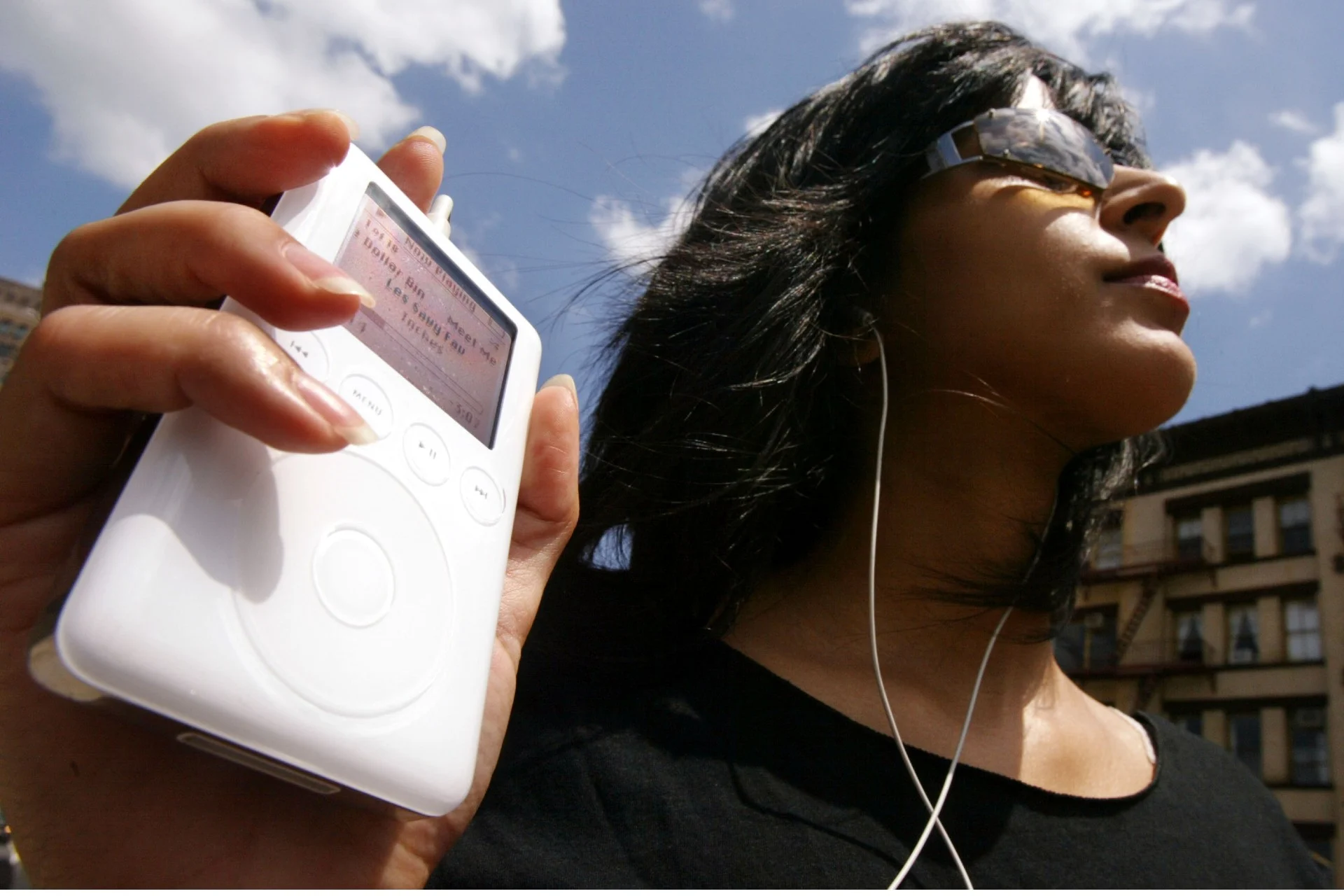
The design talent drain that followed was real. In 2019, Gizmodo noted that seasoned Apple designers were walking out the door in notable numbers, asking aloud whether Ive’s role in the Apple Park campus had been his last truly great accomplishment. Seven years on, that question has essentially answered itself. The spaceship campus remains magnificent. The products have largely become very good, very reliable, and very safe — which is not the same thing as exciting.
Apple Bold Design: What the Cook Years Actually Delivered
It would be unfair to write off the Tim Cook era entirely. Apple became the most valuable company on the planet under his watch. The supply chain discipline that Williams championed helped Apple navigate chip shortages, global pandemics, and geopolitical trade tensions better than almost any competitor. iPhones kept selling. Macs kept improving. The services business grew into a monster.
But Apple bold design? That story mostly went quiet. Year after year, iPhone updates became incremental — better cameras, faster chips, thinner bezels. The product lines proliferated into a confusing matrix of Pro, Pro Max, Plus, and Air variants that required a spreadsheet to navigate. The kind of moment where you looked at an Apple product and felt something — that electric mix of surprise and desire — became increasingly rare.
There were exceptions. The Vision Pro was genuinely unlike anything else in the market when it launched, a product so ahead of its time that the market wasn’t entirely sure what to do with it. The iPhone Air, with its obsessive thinness, showed that Apple bold design still has ideas worth having when given room to breathe. But these felt like outliers rather than a sustained creative direction.
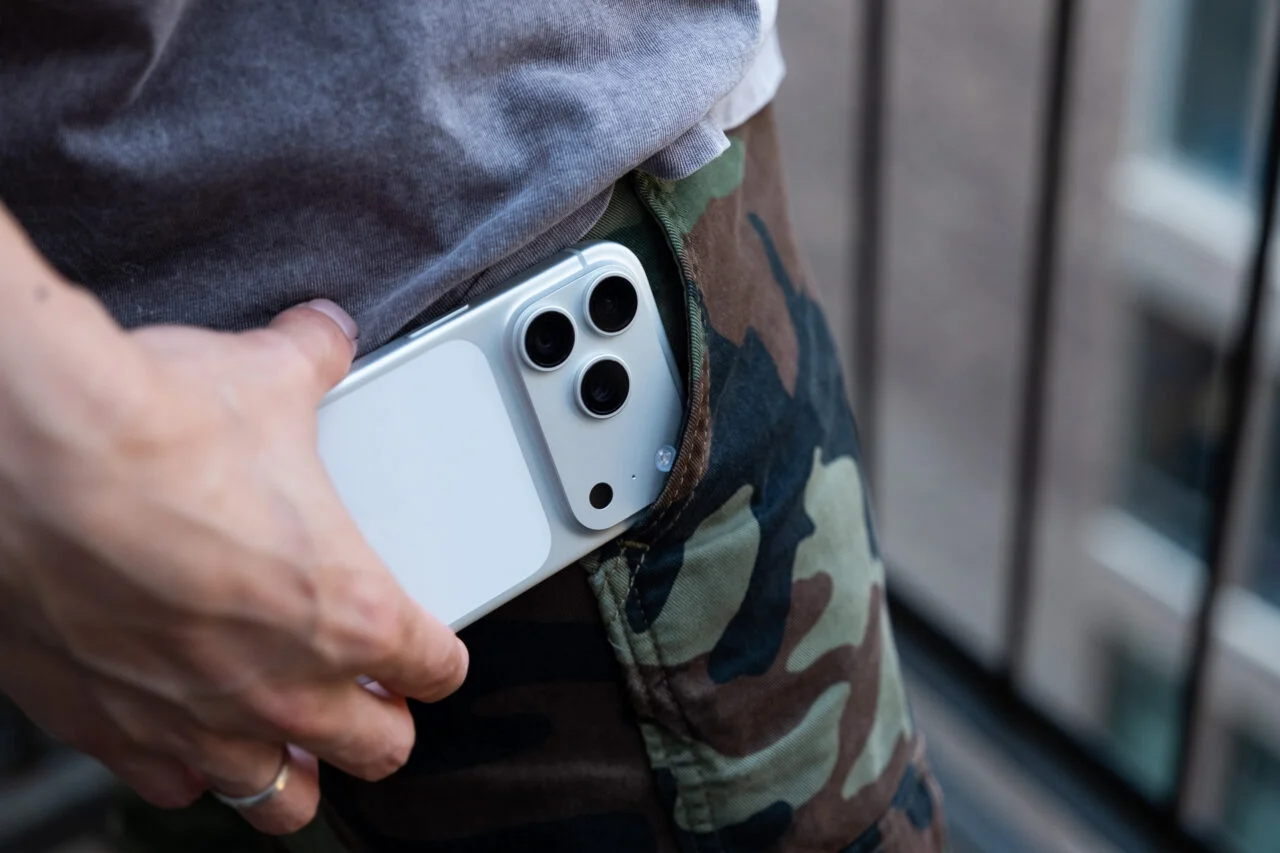
The broader cultural shift here is worth sitting with. Back in 2007, the writer Stephen Fry described interacting with Apple’s devices in almost sensory terms — mechanisms so clever they made you want to ‘stroke, touch, fondle, fiddle, gurgle, purr and coo.’ That level of emotional attachment to a gadget sounds absurd now, but it was real. People genuinely loved their early iPhones and MacBooks the way they loved well-made physical objects. That feeling has largely evaporated, replaced by dependency. We stare at our phones constantly, but mostly because of the content on them — the apps, the notifications, the feeds. The devices themselves have become invisible infrastructure, as emotionally neutral as a kitchen appliance.
Who Is John Ternus, and Can He Change This?
John Ternus isn’t a designer by training. He’s an engineer who spent years focused on Apple’s display and monitor hardware before climbing the leadership ladder. When he took over as Apple’s hardware chief, it was read by many Apple watchers as a calculated move — positioning himself for exactly the kind of major promotion that’s now materializing. His engineering background isn’t necessarily a disqualifier for leading a design renaissance; Steve Jobs wasn’t a designer either, but he understood design’s role in creating desire. Reviving Apple bold design from the top requires exactly that kind of instinct.
Gurman’s reporting suggests Ternus is aware that Apple bold design needs to become a genuine corporate priority again, not a talking point. The framing is that the Cook era — laser-focused on supply chain mastery and margin optimization — got Apple to extraordinary scale, but that scaling came with creative trade-offs. The next chapter needs to prioritize making Apple’s products ‘cool again,’ in Gurman’s words.
Here’s the catch, though. When Ternus reportedly addressed Apple employees about the design question, his message was notably more cautious than the headline framing suggests. According to the reporting, he said he intended to keep focusing on design, because design is core to what Apple does, adding that Apple has brought truly incredible design to more people than any company in history and intends to keep it that way. That’s not the language of someone tearing up the rulebook. That’s continuity messaging — carefully calibrated, reassuring, and almost entirely non-committal about what specifically changes.
The Industry Pressure Is Real
Ternus doesn’t have the luxury of a slow transition. The competitive landscape has shifted meaningfully. Samsung, which Apple has outdesigned for most of the past decade, has found a genuine identity with its foldable Galaxy Z Fold and Flip lines — products that at least look different. Google’s Pixel range has developed real aesthetic coherence. And then there’s the AI hardware wave: companies like Humane and Rabbit stumbled badly, but the category is still young, and the idea that the next iconic computing device might not come from Apple is no longer as preposterous as it once would have seemed.
Apple bold design has always been as much about cultural positioning as product specs. When Apple’s products felt special, they created aspirational pull that no amount of marketing spend could fully replicate. People waited in line. People switched ecosystems. People paid premiums without much complaint. Recreating that pull — in a market saturated with competent, affordable alternatives — is the real challenge Ternus inherits.
His engineering instincts may actually be an asset here. The most striking examples of Apple bold design have always been the result of technical ambition expressed through physical form — the impossibly thin original MacBook Air, the unibody aluminum chassis, the seamless glass face of the original iPhone. If Ternus can channel that engineering drive into products that feel genuinely new rather than iteratively refined, the creative culture might follow.
What to Watch For After September
The real test won’t come from any speech Ternus makes to employees. It’ll come from the product roadmap that emerges over the next two to three years — the iPhone cycles he owns from concept to launch, the Mac designs that land on his desk for final approval, and crucially, who he hires to lead design in a way that Williams never could.
Apple bold design isn’t something you can mandate in a meeting. It requires hiring people who think that way, giving them the organizational authority to defend their ideas against manufacturing cost pressures, and being willing to ship something that makes the market uncomfortable before it makes the market enthusiastic. Ive had that latitude for years. Whether Ternus will grant it to whoever sits in that seat next — or whether he’ll personally drive the creative vision himself — is the most interesting open question in consumer technology right now.
Frequently Asked Questions
What is John Ternus’s plan for Apple bold design?
According to Bloomberg’s Mark Gurman, Ternus believes a major design shake-up is needed at Apple. However, in a meeting with employees he stressed continuity, saying Apple will ‘keep focusing on design’ because it is core to what the company does.
Why did Apple’s design reputation decline after Jony Ive left?
When Ive departed in 2019, COO Jeff Williams — a supply chain executive — stepped in to oversee design. Gurman describes this as replacing one of the most influential designers in history with the company’s top supply chain executive, a move that set the tone for years of incremental aesthetics.
When does John Ternus become Apple CEO?
John Ternus is expected to take over as Apple CEO in September, succeeding Tim Cook. The source does not specify when Cook’s tenure began.
Has Apple released any design-forward products recently?
Yes, though they’re exceptions rather than the rule. The Vision Pro spatial computer and the ultra-thin iPhone Air stand out as recent products with genuine design ambition, but they haven’t shifted the overall perception that Apple’s aesthetic identity has grown conservative.