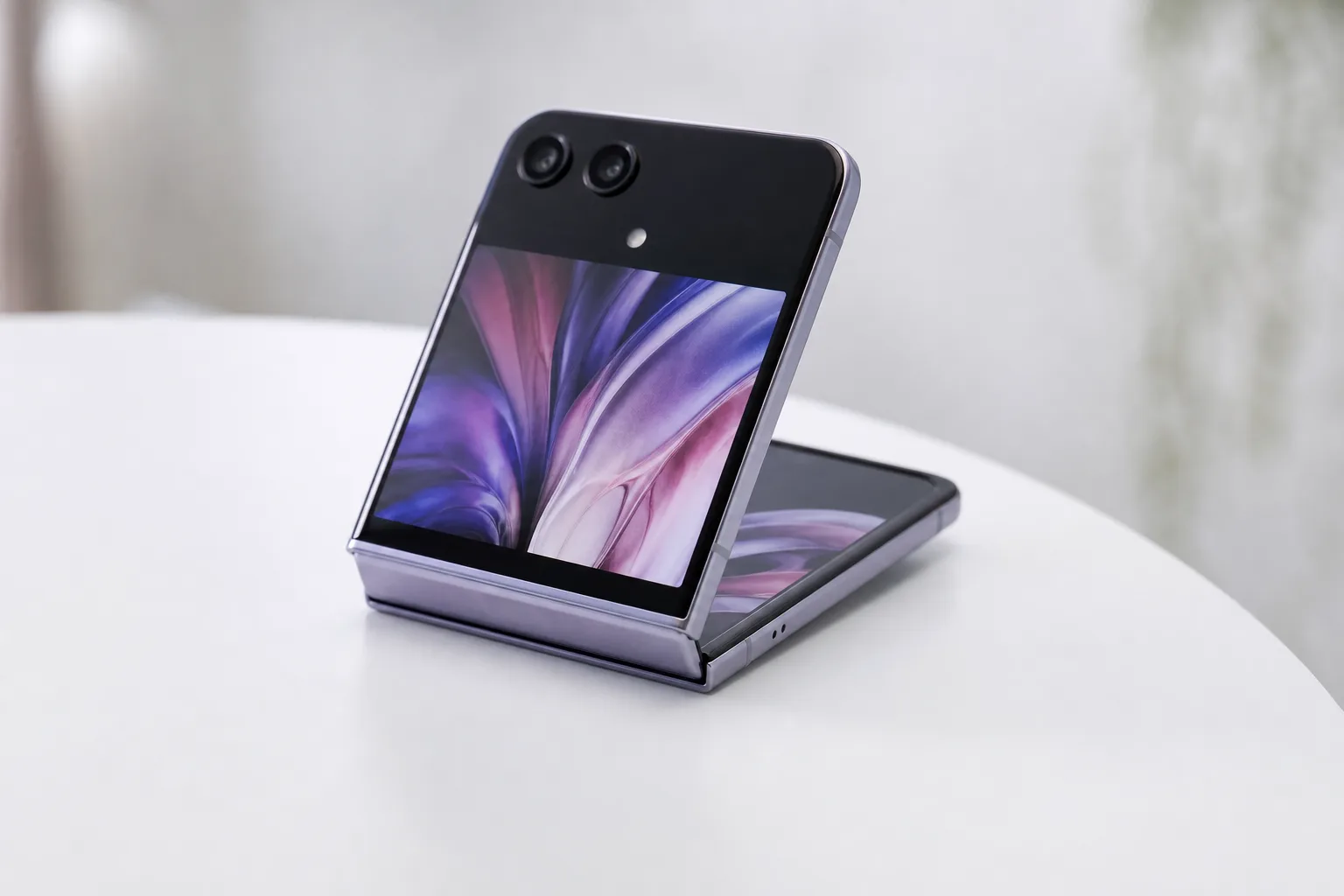
Apple has spent years watching the foldable phone market from the sidelines. Now, if a new wave of leaked renders is to be believed, the iPhone Ultra foldable is almost ready to make its move — and it looks like Apple has been paying very close attention to what Samsung got right, and what it got wrong.
- The iPhone Ultra foldable is tipped to debut in September 2026 alongside the iPhone 18 Pro lineup.
- Leaked renders suggest the iPhone Ultra foldable will measure just 4.5mm thick when unfolded.
- Apple’s first foldable is expected to carry a price tag above $2,000, placing it firmly in luxury territory.
- The design mirrors Samsung’s wider-display strategy, feeling like an iPhone closed and an iPad open.
Table of Contents
What the Leaked Renders Actually Show
The renders come courtesy of Jon Prosser, one of the more reliable names in Apple leak circles, who shared visuals and video breakdowns of what he claims is Apple’s forthcoming foldable design. The device, reportedly called the iPhone Ultra, is expected to land this September alongside the iPhone 18 Pro family.
What immediately stands out is how wide the form factor is. Unlike the earlier generation of foldables — Samsung’s own Galaxy Z Fold 3 and Fold 4 included — which produced a narrow, almost absurdly tall candy-bar shape when closed, the iPhone Ultra foldable appears to embrace a far wider footprint. The goal, according to Prosser’s sources, is that when the phone is folded shut, it should feel like a regular iPhone in your hand. Flip it open, and the experience shifts toward something closer to a compact iPad.
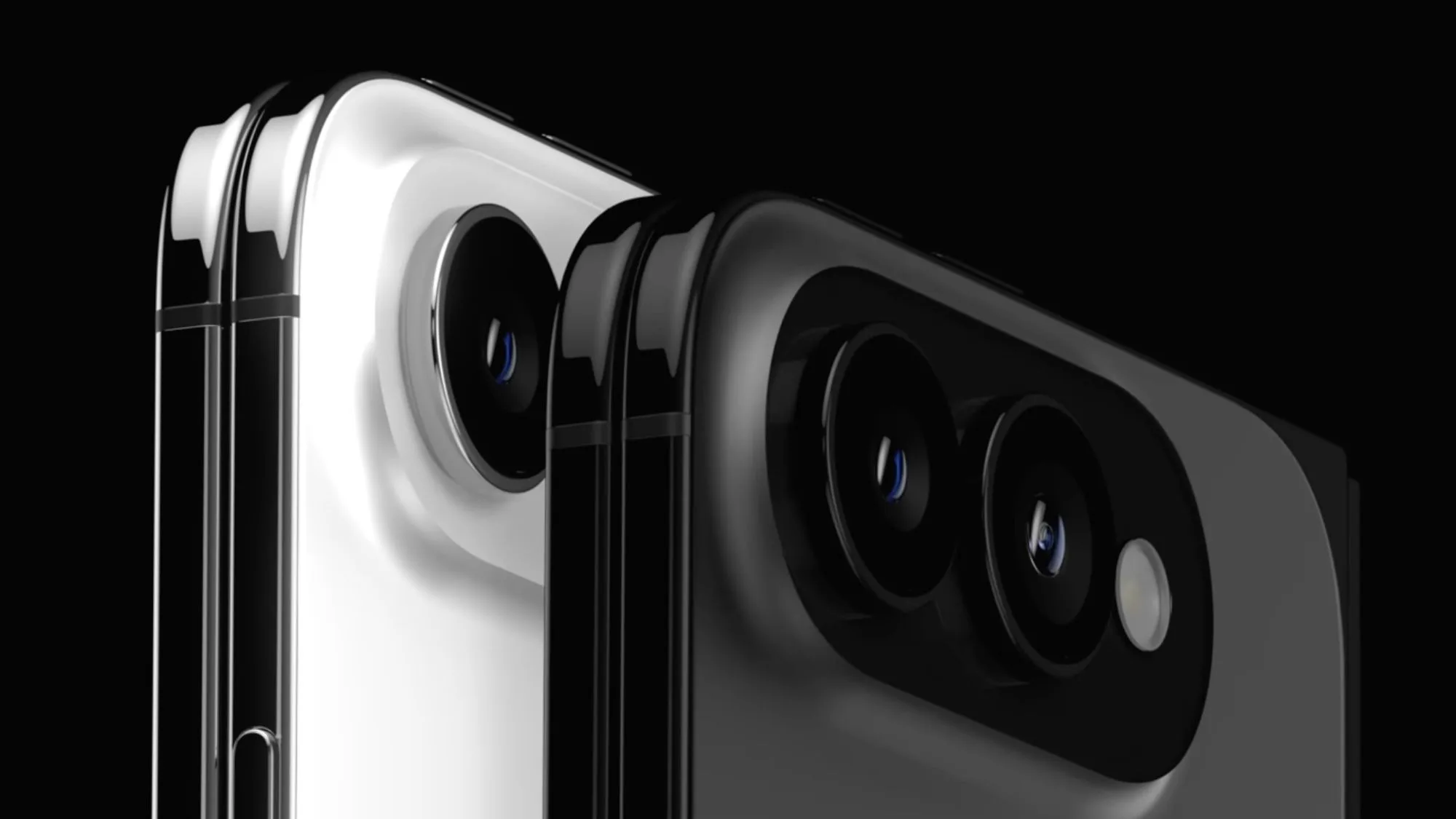
That’s a meaningful distinction. One of the loudest criticisms levelled at early Samsung foldables was that the cover screen felt cramped and awkward — fine for glancing at a notification, but barely usable for anything more. Samsung addressed this directly with the Galaxy Z Fold 7, which introduced a much wider, more phone-like display on the outside. Based on what these renders suggest, Apple appears to have arrived at the same conclusion — just a few years later.
The iPhone Ultra Foldable’s Specs Are Quietly Impressive
Let’s talk dimensions, because they’re genuinely worth a closer look. When unfolded, the iPhone Ultra foldable is rumored to measure just 4.5mm thick. To put that in perspective, Apple’s own iPhone 16e and even the ultra-slim iPhone Air don’t get anywhere near that territory when you account for the mechanical complexity of a folding hinge. Getting a device with a crease, a dual-panel display, and a hinge assembly down to 4.5mm is not a trivial engineering feat.
The only device thinner right now is the Samsung Galaxy Z Fold 7, which lands at a remarkable 4.2mm unfolded — 0.3mm slimmer than what Apple is reportedly targeting. On paper that gap sounds negligible, but in the hands it can feel more noticeable than you’d expect. Still, for Apple’s very first crack at a foldable, matching Samsung this closely on a metric that Samsung has spent three generations perfecting is a significant signal.
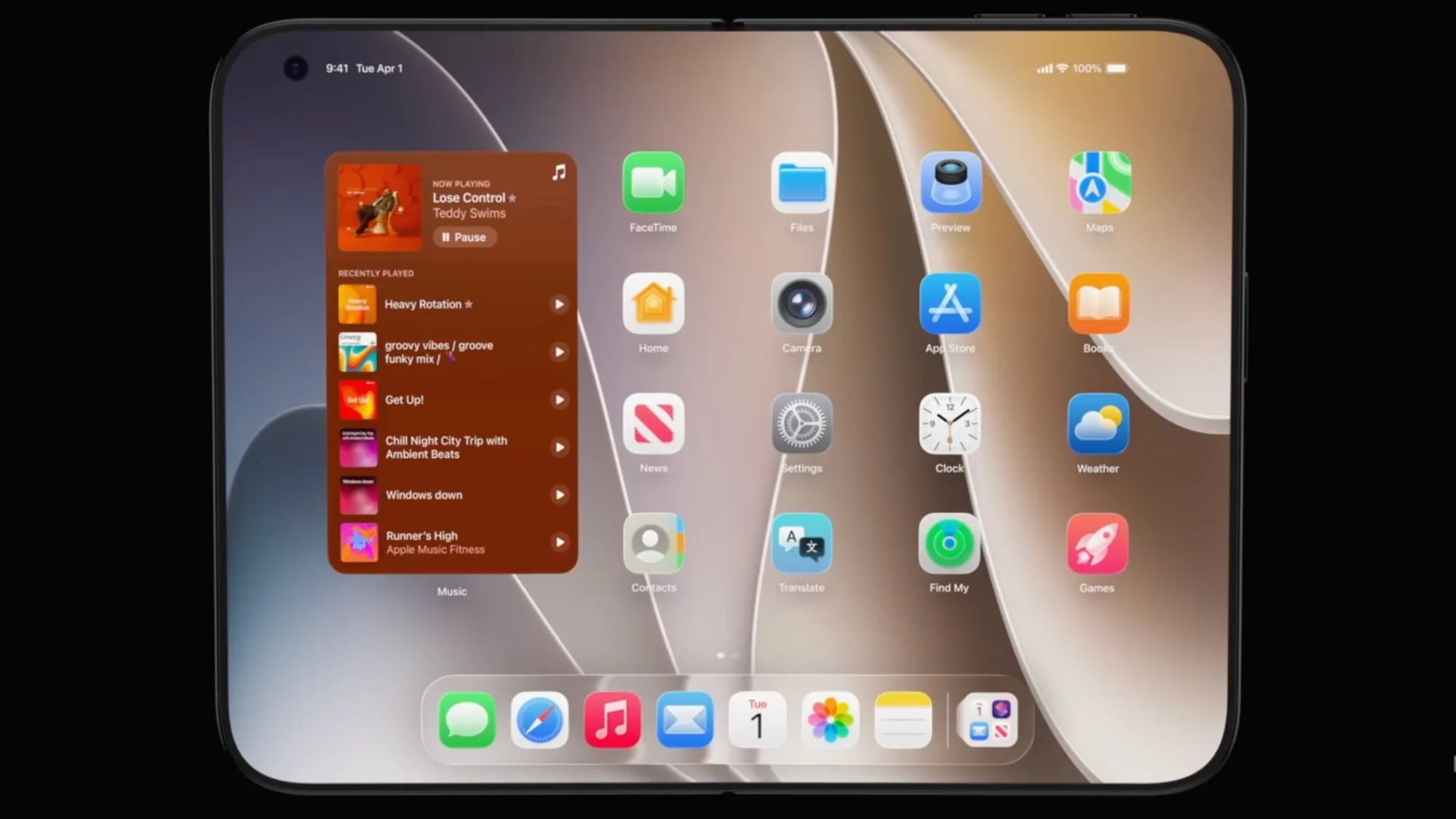
Prosser also claims Apple has obsessed over the hinge mechanism in its usual fashion — over-engineered to a degree that may or may not translate into a tangible user benefit, but will almost certainly translate into marketing talking points. The crease on the iPhone Ultra foldable, meanwhile, is described as nearly invisible. That’s a claim Apple will need to prove in the real world, because ‘nearly invisible crease’ has been the promise of virtually every foldable launch since the original Galaxy Z Fold, and the results have ranged from ‘acceptable’ to ‘definitely still there.’
Apple Is Entering a Category That’s Already Moved On Without It
Here’s the context that matters most: by the time the iPhone Ultra foldable arrives in September 2026, Samsung won’t be standing still. The Galaxy Z Fold 7 is already out. The Galaxy Z Fold 8 — along with a rumoured Fold 8 Wide variant — is expected to follow before or around the same window. If Samsung continues its trajectory toward thinner bodies and wider displays, Apple won’t be stepping into a market it can easily dominate just by showing up.
For the better part of a decade, foldables have essentially been Samsung’s category to define. Google made a respectable entry with the Pixel Fold and its successor, and OnePlus and Motorola have taken their shots, but none of them have fundamentally shifted the conversation the way Samsung’s Fold and Flip lines have. Apple entering the space changes the dynamics considerably — not because Apple’s product will necessarily be better at launch, but because Apple’s entry makes the category feel mainstream in a way that Samsung alone couldn’t achieve.
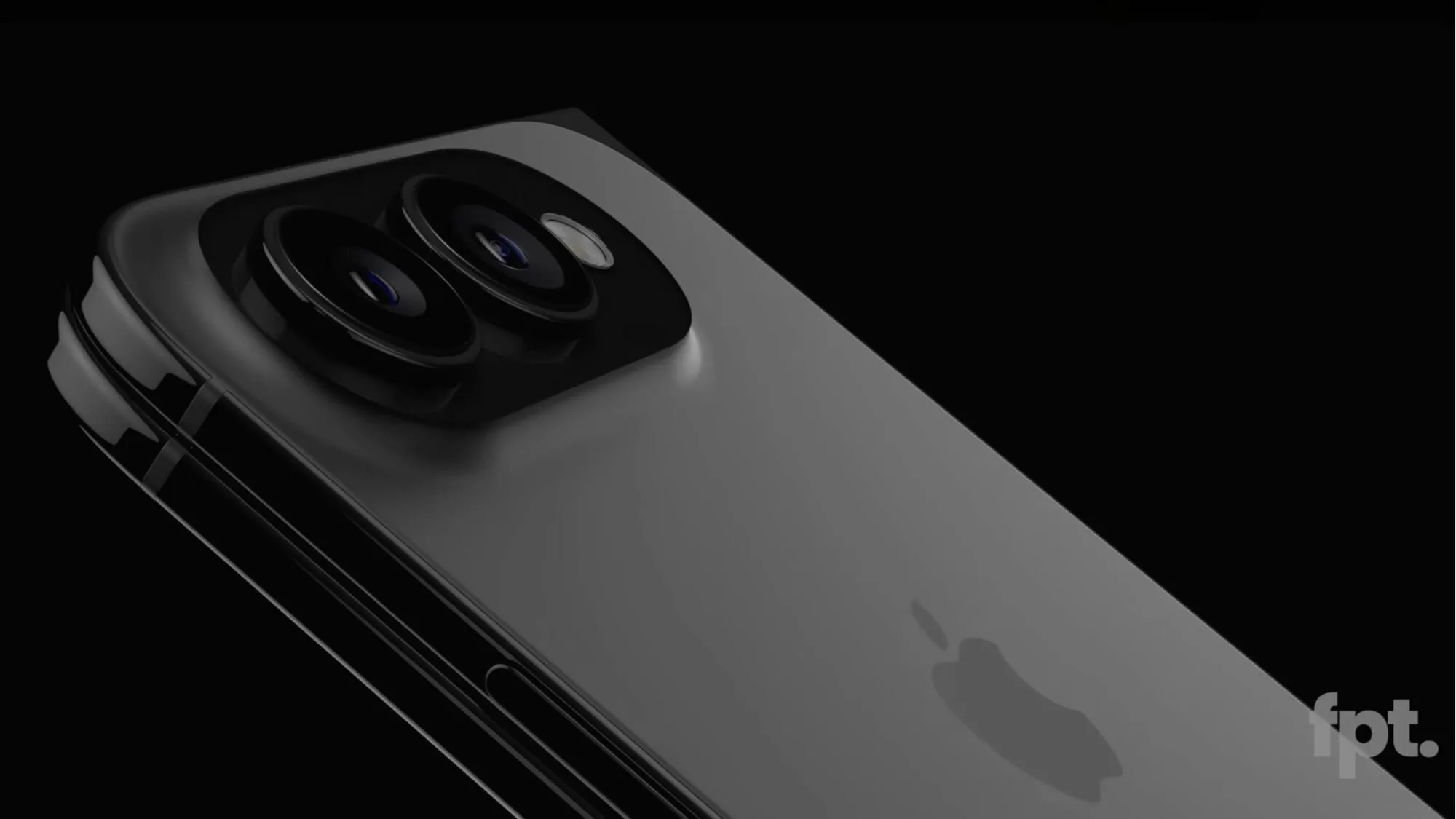
There’s a historical pattern worth pointing to here. Apple didn’t invent the smartwatch, the wireless earbud, or the tablet. But when the Apple Watch, AirPods, and iPad arrived, each of them reshaped its respective category. The question is whether the same playbook applies to foldables — a product type that, despite years of impressive hardware progress, still hasn’t fully broken through to mass adoption.
A $2,000+ Price Tag and What It Means for the Market
Pricing is where things get complicated. Current chatter puts the iPhone Ultra foldable north of $2,000 at launch. Samsung’s Galaxy Z Fold 7 is similarly priced at the high end of the market, so Apple would be entering at a premium even relative to the segment’s established leader. That’s a bold position for a first-generation product that, however polished, will inevitably have some rough edges.
Then again, Apple has never positioned itself as the affordable option, and its customer base has consistently proven willing to pay the premium. The original iPhone launched at $499 at a time when that was considered outrageously expensive for a phone. The Apple Vision Pro debuted at $3,499. Premium pricing, for Apple, is less a risk and more a brand statement.
The more interesting question is what a $2,000+ Apple foldable does to the broader market. If the iPhone Ultra foldable sells well — and Apple’s distribution and retail reach give it every structural advantage to do so — it validates the price ceiling for the entire category. That could give Samsung and Google more room to price aggressively at the mid-tier, potentially opening foldables to a far wider audience than they currently reach.
Apple’s First Foldable — Late, But Possibly Right on Time
There’s a fair argument that Apple’s timing, as frustrating as it’s been for those who’ve wanted an Apple foldable for years, might actually be correct. The early foldable era was defined as much by broken hinges, visible creases, and software that wasn’t optimised for the form factor as it was by genuine innovation. Apple has reportedly been developing its foldable for years — letting Samsung, Google, and others absorb the painful first-mover lessons before committing to a finished product.
Whether the iPhone Ultra foldable ends up as a category-leader or simply a well-made late entry, its arrival will almost certainly be the most talked-about hardware launch of 2026. Samsung has spent years building this market. Apple is about to walk in and demand a seat at the table — and if these renders are any guide, it’s bringing a very well-engineered chair.
Frequently Asked Questions
When will the iPhone Ultra foldable be released?
Based on current leaks from tipster Jon Prosser, the iPhone Ultra foldable is expected to launch in September 2026 alongside Apple’s iPhone 18 Pro lineup. Nothing has been confirmed by Apple officially.
How thick is the iPhone Ultra foldable compared to the Samsung Galaxy Z Fold 7?
The iPhone Ultra foldable is rumored to measure 4.5mm thick when unfolded. That’s just 0.3mm more than the Samsung Galaxy Z Fold 7, which currently holds the record at 4.2mm — an impressive gap for Apple’s first attempt.
How much will the iPhone Ultra foldable cost?
Early reports suggest the iPhone Ultra foldable will be priced above $2,000, putting it at the premium end of the already-expensive foldable market. For context, Samsung’s Galaxy Z Fold 7 is already an established competitor in this space, with the Fold 8 series also on the way.
Does the iPhone Ultra have a crease like other foldables?
According to leaked renders and claims from Jon Prosser, Apple is targeting a nearly invisible crease combined with an advanced hinge mechanism. Whether that holds up in real-world use remains to be confirmed until the device ships.