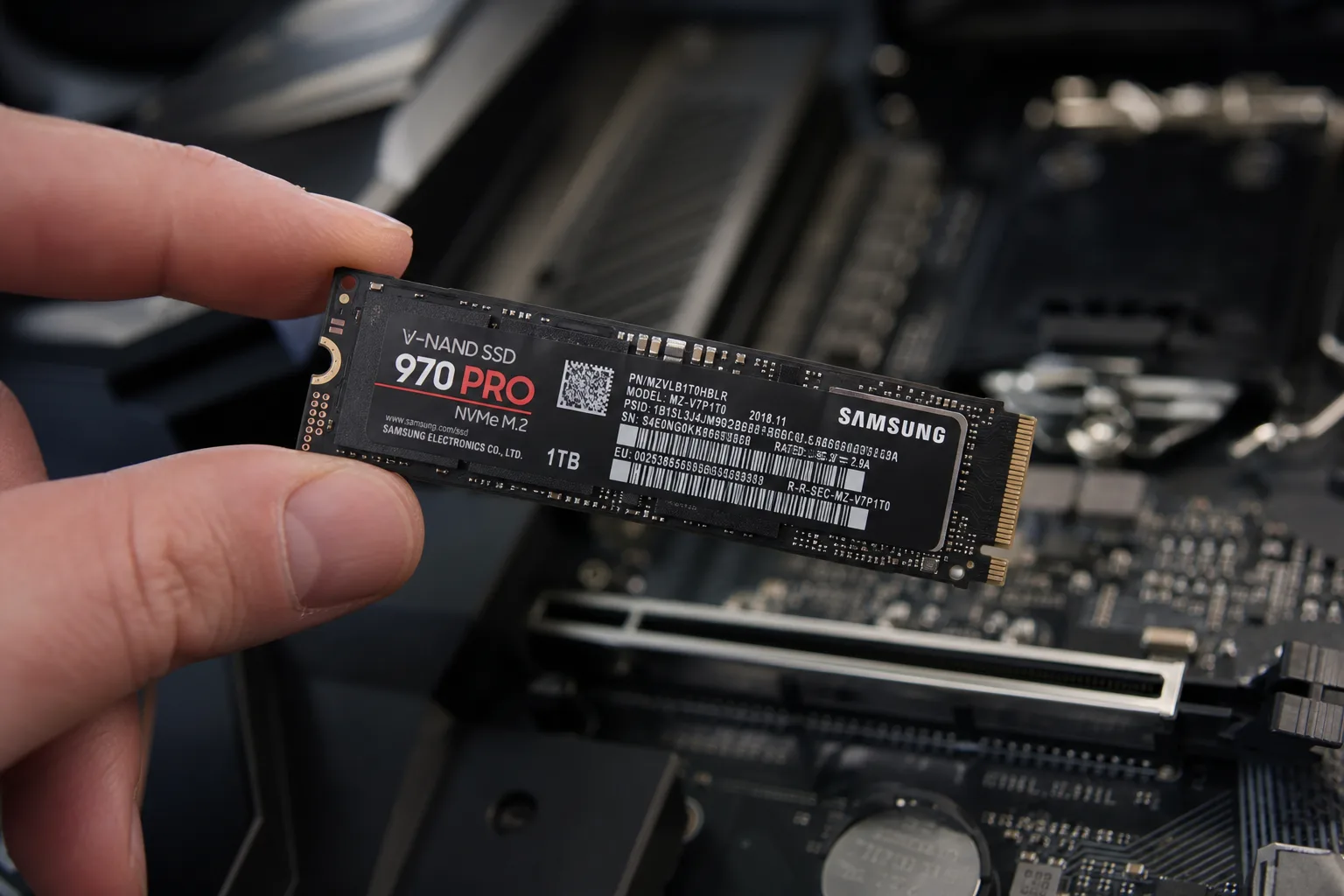
If you’ve been watching SSD prices in 2026 and quietly losing your mind, you’re not imagining it. The Samsung 990 Pro SSD — one of the fastest consumer NVMe drives on the market — is down to $370 for the 2TB model this Prime Day, and while that number might not sound like cause for celebration, it’s the closest thing to a deal you’re going to find right now. Context, as always, is everything.
- The Samsung 990 Pro SSD is down to $370 for the 2TB model this Prime Day, its lowest price in 2026.
- The Samsung 990 Evo Plus was selling for just $140 a year ago — AI data center demand has more than doubled the price.
- Memory prices across SSDs and RAM have skyrocketed as AI infrastructure buildouts consume an outsized share of silicon production.
- Lexar Gold SD cards remain a strong value pick for photographers and videographers, with prices still relatively stable compared to SSDs.
Table of Contents
How AI Broke the Memory Market
A year ago, 2TB of Samsung’s best consumer NVMe storage cost around $140. Six months ago it was still just $300. Today, outside of Prime Day promotions, the Samsung 990 Pro SSD has been sitting above $600 for the better part of two months. That’s not a Samsung pricing decision — that’s the AI infrastructure buildout eating the memory market alive.
Data centers run by the likes of Microsoft, Google, Amazon, and a long tail of AI startups are consuming silicon wafers at a pace that the consumer market simply can’t compete with. NAND flash, DRAM, and the substrate capacity needed to build it all are increasingly allocated upstream before any of it reaches the retail channel. The result: everyday consumers are paying a steep premium for hardware that was mundane and affordable not long ago. SSDs and RAM have been hit hardest. SD cards have so far escaped the worst of it, though prices there are creeping up too.
There’s no obvious end in sight. The AI investment cycle is still accelerating, not cooling — which is why analysts who track memory pricing at firms like TrendForce have flagged sustained tightness in NAND supply well into 2027. If you’re waiting for a return to 2024-era SSD pricing, you might be waiting a very long time.
Samsung 990 Pro SSD: Still the Drive to Beat
Market conditions aside, the Samsung 990 Pro SSD earns its reputation on raw performance. It’s an NVMe M.2 PCIe Gen 4 drive rated at 7,450 MB/s sequential read and 6,900 MB/s write — numbers that, in real-world testing, the drive actually meets. Independent tests have clocked it at 7,458 MB/s on reads, which is about as close to spec as any consumer drive gets. That’s not marketing copy; it’s just a well-engineered product doing what it says on the box.
At those speeds, tasks that punish slower drives — editing high-resolution video footage, compiling large software projects, loading massive game worlds — feel genuinely responsive. The Samsung 990 Pro SSD has been used as a primary system drive for 5.2K GoPro video editing and software compilation without any throttling complaints. Perhaps more impressive: it runs cool. Heat is the quiet killer of sustained SSD performance, and the Samsung 990 Pro SSD manages thermals well enough that it rarely becomes a problem even under prolonged heavy workloads.

Are there faster drives? Yes, technically. PCIe Gen 5 drives from players like Crucial and Seagate push past 12,000 MB/s on reads. But the real-world benefit of that extra headroom is narrow for most users, and the price premium is significant — even before the AI-driven market distortion. The Samsung 990 Pro SSD sits at a sweet spot on the speed-versus-cost curve where the returns are still tangible and the trade-offs are easy to justify.
Which Size Makes Sense?
The Prime Day sale covers all three available capacities of the Samsung 990 Pro SSD. The 1TB version is going for $220, the 2TB is at $370, and if you need serious bulk storage the 4TB model is listed at $885. On a pure cost-per-gigabyte basis, the 2TB is the most efficient option — and for most people doing video editing, gaming, or professional creative work, 2TB is the sweet spot before you start thinking about external storage solutions anyway.
One thing worth flagging: if your use case involves running a local AI model — Ollama, LM Studio, whatever your preferred setup — this probably isn’t the place to spend your money. Not because the Samsung 990 Pro SSD can’t handle it, but because local AI is partly responsible for why consumer storage is this expensive in the first place. The irony would be thick.
SD Cards: The Last Affordable Memory Standing
If SSD prices represent the market at its worst right now, SD cards are a relative refuge. Prices have moved up, but not nearly as dramatically, and there are still genuinely good deals to be found this Prime Day.
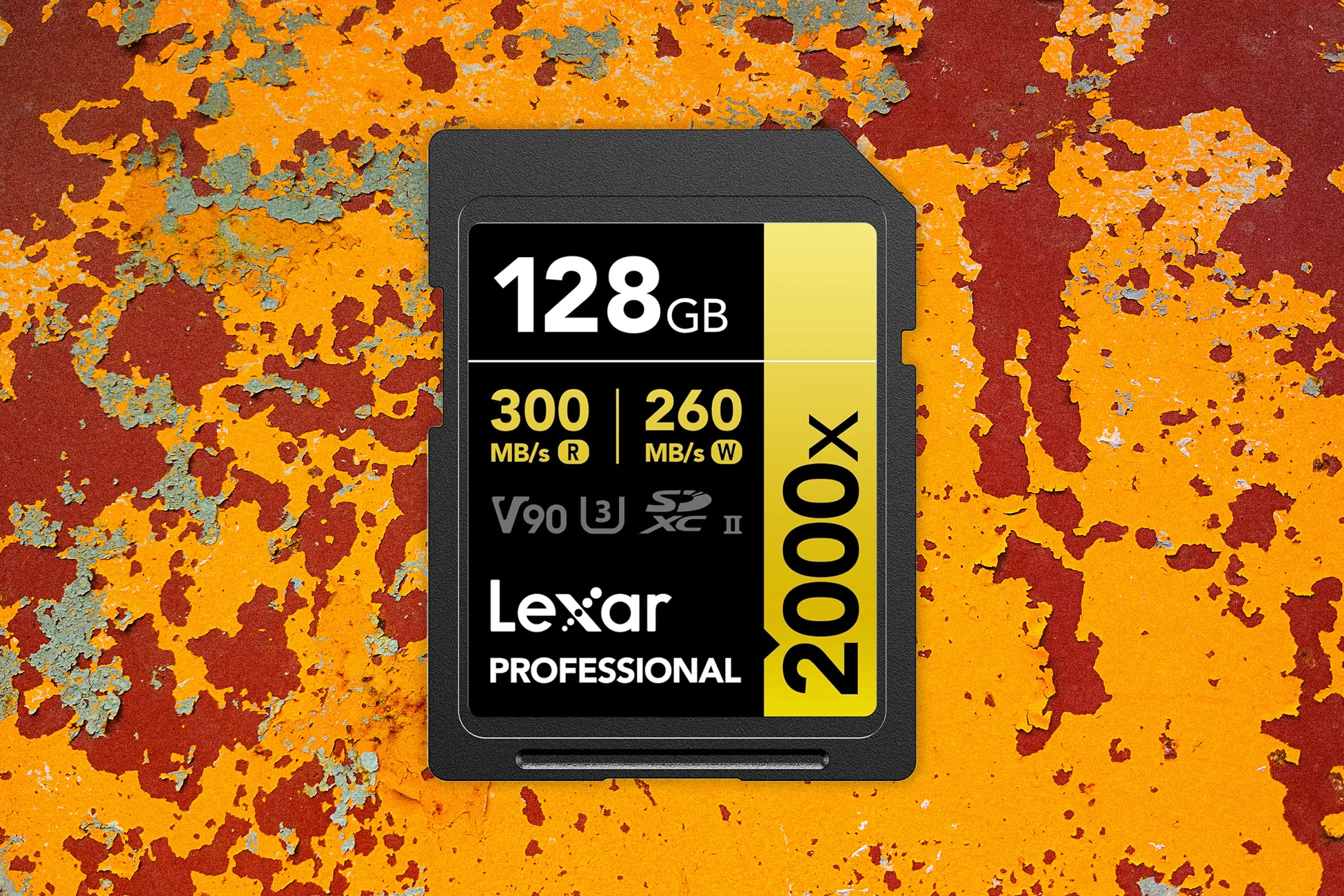
Lexar’s Gold SD cards in particular stand out as a long-term reliability play. These cards have been trusted by working photographers and videographers for years — some users report cards from 2017 still performing flawlessly, which is genuinely unusual longevity in a category where failure is common. They’re fast enough to handle 6K video recording without dropped frames, and available in capacities up to 512GB. For anyone shooting serious stills or video, it’s the card to buy.
For lighter use cases — backup cards, photography on trips where you don’t need continuous 6K capture — the Lexar Silver lineup is also on sale. The 128GB Silver is down to $49, a $16 discount. The Silvers are meaningfully slower than the Golds, which is exactly why they cost less, and they’re a sensible pick for anything that doesn’t demand peak write speeds: travel photography, secondary camera bodies, that sort of thing.
Should You Buy Now or Wait?
This is the uncomfortable part. Historically, ‘wait for prices to drop’ has been solid advice for consumer tech. Patience usually wins. But the structural dynamics behind today’s memory prices aren’t a temporary blip — they’re a reflection of where capital and silicon capacity are flowing, and that’s toward AI infrastructure, not consumer SSDs.
The Samsung 990 Pro SSD at $370 for 2TB is almost certainly the best price consumers will see for the rest of 2026. If you’ve been putting off a storage upgrade, or your current drive is aging out, this Prime Day window is about as good as the market is likely to offer until the AI buildout either plateaus or NAND manufacturers meaningfully expand capacity — neither of which looks imminent. Buy the Samsung 990 Pro SSD for what it is: a top-tier drive at a fair price in an unfair market.
Frequently Asked Questions
Is the Samsung 990 Pro SSD worth buying at $370 during Prime Day 2026?
At $370 for 2TB, it’s not a bargain by historical standards — the drive sold for $140 just a year ago. But with prices hovering above $600 for the past two months, this Prime Day discount of nearly $300 makes it the most realistic buying window you’re likely to get for the rest of the year.
Why have SSD and RAM prices increased so much in 2026?
AI data centers are consuming a disproportionate share of silicon wafer production as companies race to build out infrastructure. That supply squeeze has pushed consumer memory prices sharply higher, with SSDs and RAM hit hardest while SD cards have so far seen more modest increases.
What speeds does the Samsung 990 Pro SSD actually deliver in real-world use?
In independent testing, the drive hit 7,458 MB/s sequential read speeds — almost exactly matching Samsung’s rated 7,450 MB/s read and 6,900 MB/s write speeds. It handles demanding tasks like 5.2K video editing and software compilation, and generates very little heat.
Are there other SSD sizes available besides the 2TB model on sale?
Yes. A 1TB version is available for $220 and a 4TB model is listed at $885. The source notes that beyond the speed of this drive, there is a diminishing return on the speed-versus-price curve, especially given current market conditions.