

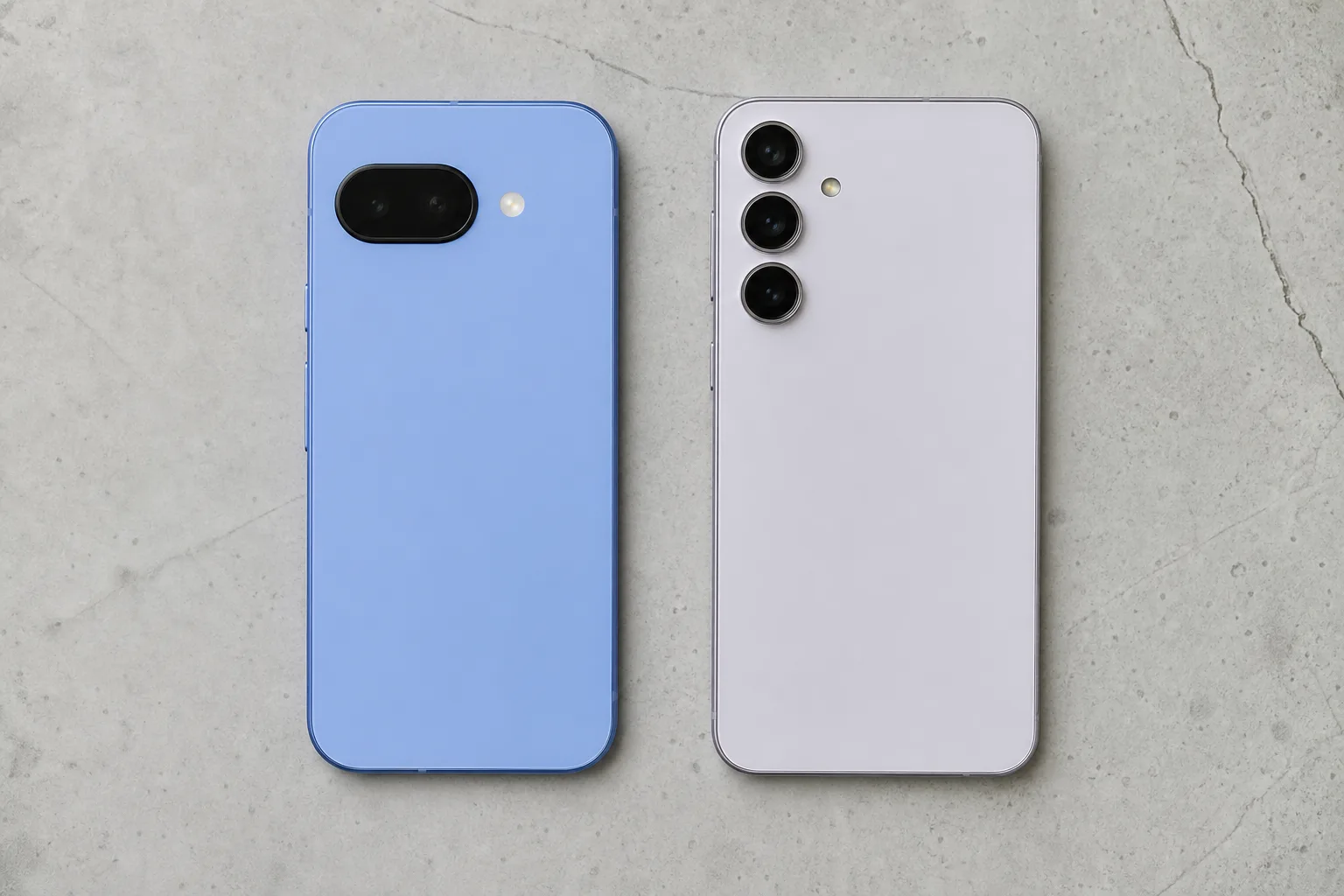
The Pixel 10a vs Galaxy A57 is the mid-range Android showdown of 2025 — two phones sitting within arm’s reach of each other on price, yet worlds apart in philosophy. Both land around the $500 mark. Both run Android. But the similarities start to fade pretty quickly once you dig into what each phone actually does for you day to day.
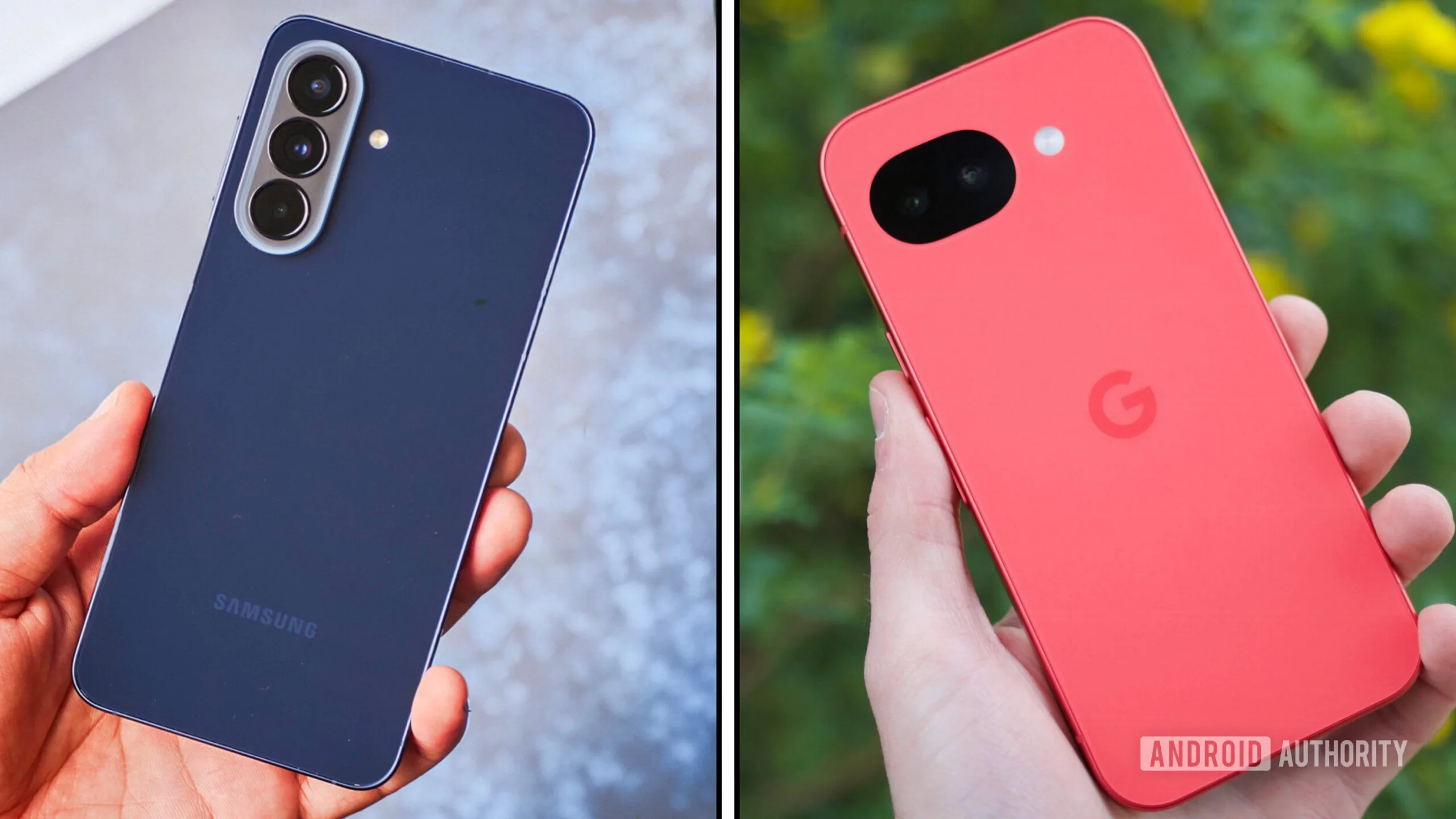
- The Pixel 10a vs Galaxy A57 comparison shows Google winning on software, updates, and real-world battery life.
- Pixel 10a vs Galaxy A57 — Google delivers day-one Android updates while Samsung’s A-series can lag by over a year.
- The Pixel 10a packs a 5,100mAh battery and wireless charging; the Galaxy A57 offers neither wireless charging nor a bigger cell.
- Google’s exclusive AI features — Call Screen, Best Take, Camera Coach — give the Pixel 10a a clear edge over the A57.
Table of Contents
Why the Pixel 10a vs Galaxy A57 Isn’t as Close as It Looks
On paper, Samsung’s Galaxy A57 makes a compelling case. Thinner bezels, a more immersive display, 45W wired charging, and a sleek, lightweight design — it checks boxes that look great in a spec sheet comparison. But specs aren’t the whole story, and in this particular matchup, they’re arguably not even the most important part of the story. The Pixel 10a vs Galaxy A57 debate reveals that Google’s phone wins not because it has better numbers in every column, but because the experience it delivers is more complete, more consistent, and — for most people — more useful.
Here’s why Google’s mid-ranger is the smarter buy.
Google’s AI Features Give the Pixel 10a a Unique Edge
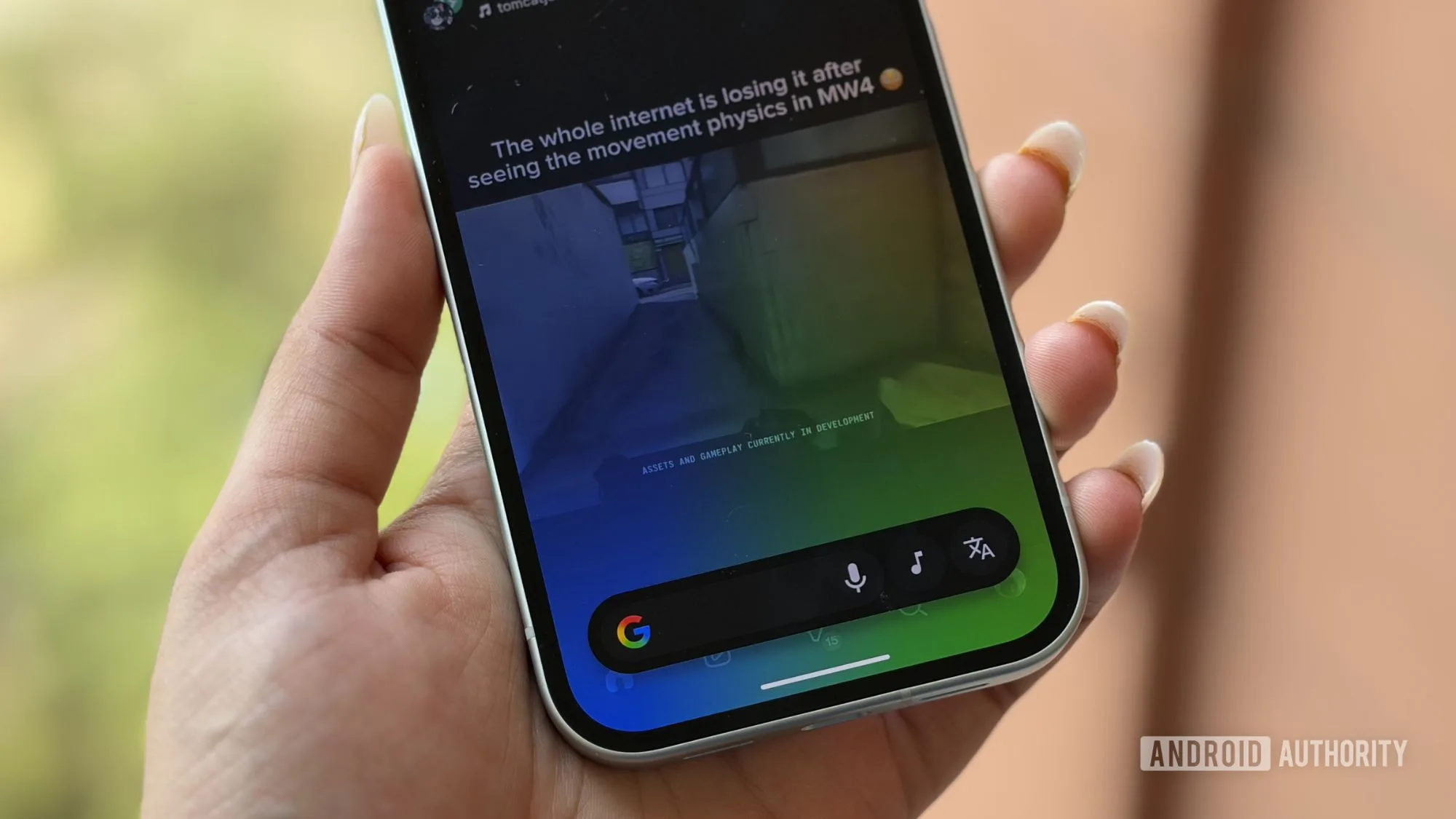
Google has been building a library of Pixel-exclusive software features for years, and by now the collection is genuinely impressive. Call Screen lets the phone’s AI answer calls and screen potential spam before you ever have to pick up. Hold For Me waits on hold on your behalf while you get on with your life. Best Take lets you swap faces between shots so nobody’s blinking in the group photo. Camera Coach gives real-time feedback to help you take better pictures. Circle to Search lets you search anything on screen with a gesture. Now Playing quietly identifies songs playing nearby. The Screenshots app makes your captured screens actually searchable and useful.
Many of these features — including Camera Coach and Add Me — trickled down from the flagship Pixel 10 lineup, which is meaningful. Google doesn’t usually hold back its best software tricks for the premium tier. And beyond the headline features, Pixel Drop updates keep adding new tools on a quarterly cadence, so the phone you buy today will do things in 18 months that it can’t do right now.
Samsung’s One UI is polished and feature-rich in its own right, but it doesn’t have an equivalent bench of AI-native, deeply integrated tools at this price. When you weigh the Pixel 10a vs Galaxy A57 on software alone, the gap is significant — the Galaxy A57 is a capable phone; it just doesn’t feel like it’s working for you in the same way.
Day-One Android Updates — Not Eventually, Right Now
Both Google and Samsung have committed to six or seven years of software updates, which sounds equivalent until you understand how Samsung actually delivers them. Samsung operates a tiered rollout system. The latest flagships — the Galaxy S25 series — get updates first. Then the foldables. Then last year’s flagships. Then, eventually, somewhere near the back of the queue, the budget A-series devices. The result is that a Galaxy A57 owner could realistically be waiting six months, or potentially longer, for a major Android update that Pixel owners already have.
With the Pixel 10a, that’s not a concern. Android 17 is already rolling out to eligible Pixel devices — including the 10a — on day one. Not day thirty. Not after the flagships have had their moment. Day one. The same applies to Google’s quarterly security patches and Pixel Feature Drops. There’s a reliability and predictability to the Pixel update experience that Samsung simply can’t match for its mid-range lineup, regardless of what the headline commitment says.
For anyone comparing the Pixel 10a vs Galaxy A57 with security and longevity in mind — and at $500, you should — this difference is hard to overstate. You can read more about Google’s Pixel update policy directly from Google to understand the full scope of that commitment.
Wireless Charging: Something vs Nothing
The Pixel 10a doesn’t have Qi2 magnetic wireless charging — a real omission given that the Pixel 10, 10 Pro, and 10 Pro XL all added it earlier this year. It stings a little. But the Pixel 10a does have wireless charging, which is more than the Galaxy A57 can say. Samsung’s mid-ranger ships without wireless charging entirely.
For anyone who’s built a small ecosystem of MagSafe or Qi-compatible chargers at home — a bedside pad, a desk charger, a car mount — the Galaxy A57 is a step backwards. In the Pixel 10a vs Galaxy A57 wireless charging matchup, the Pixel 10a works with those accessories out of the box, and if you want the magnetic alignment of Qi2, a compatible case with a magnetic ring solves the problem for a few dollars. It’s not a perfect solution, but it’s a practical one.
Compact Design and a Surprisingly Clean Look
The Galaxy A57 is actually thinner and lighter than the Pixel 10a — specs that usually win arguments about design. But weight differences of a few grams rarely register in real life, whereas screen size differences register immediately. The Pixel 10a is the smaller phone, and in an era where flagships are creeping toward six-and-a-half inches and beyond, that’s increasingly a feature rather than a limitation.
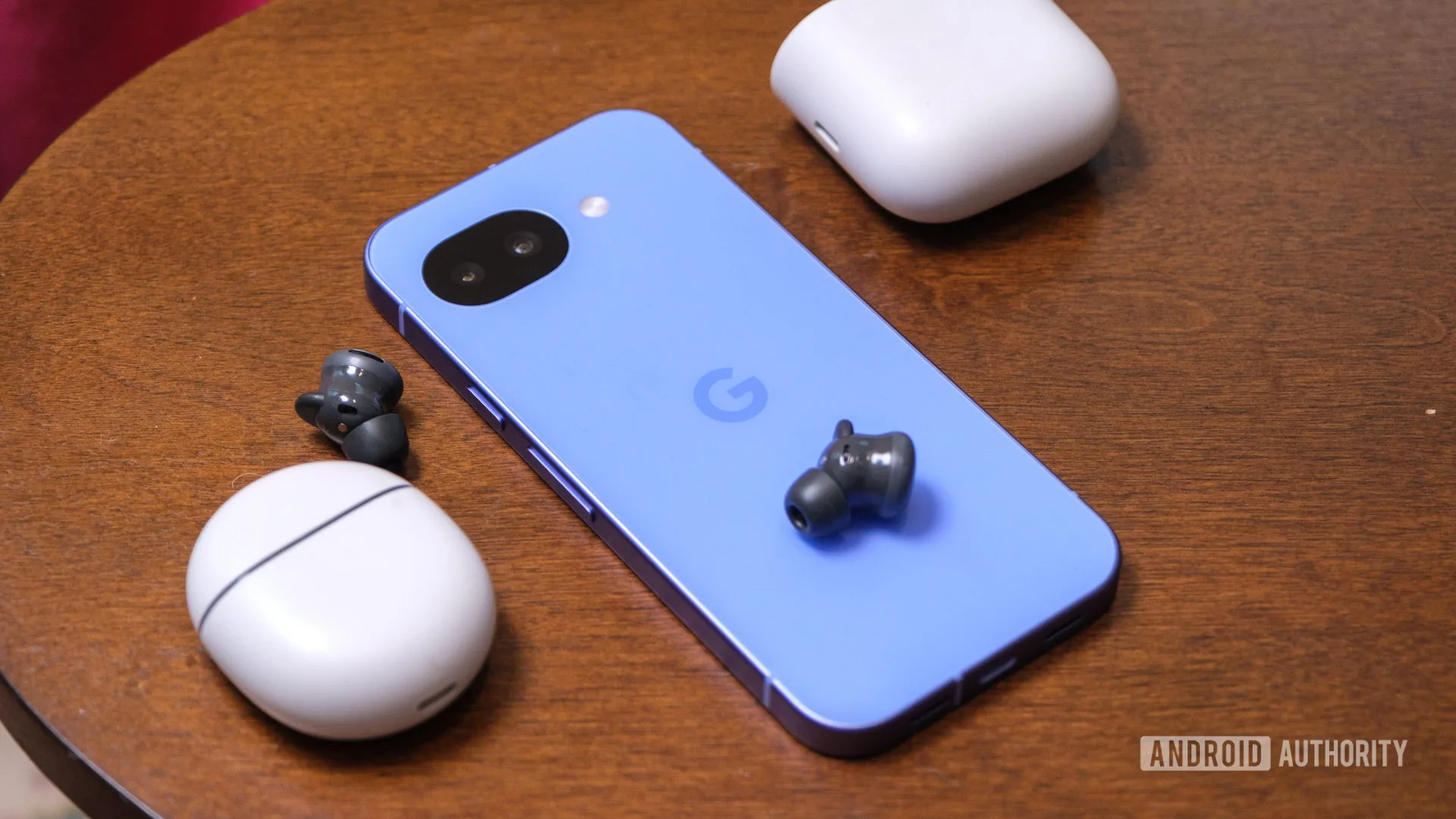
One-handed use, smaller pockets, less fatigue during long reading sessions — the compact form factor has real, tangible benefits that get overlooked in spec comparisons. Choosing the Pixel 10a vs Galaxy A57 based on size alone is a legitimate reason to go Google, especially if portability matters to you. There’s also something else worth mentioning: the Pixel 10a’s back is completely flat. No camera visor, no protruding lens bump. The cameras sit flush with the rear panel. It’s a different look from the rest of the Pixel 10 family, and whether you love it or find it odd, it gives the phone a clean, minimal aesthetic that stands out in a sea of increasingly aggressive camera module designs. It also just feels different in the hand — in a good way.
Battery Life That Finally Makes Pixel a Non-Issue
There was a time when battery life was the fastest way to talk someone out of buying a Pixel phone. Those days are over. The Pixel 10a carries a 5,100mAh cell — slightly larger than what’s inside the Galaxy A57 — and because it’s powering a smaller display, it goes further on a charge. Real-world testing by Joe Maring reportedly put screen-on time at around six hours on a heavy day, which means lighter users should see meaningfully more.
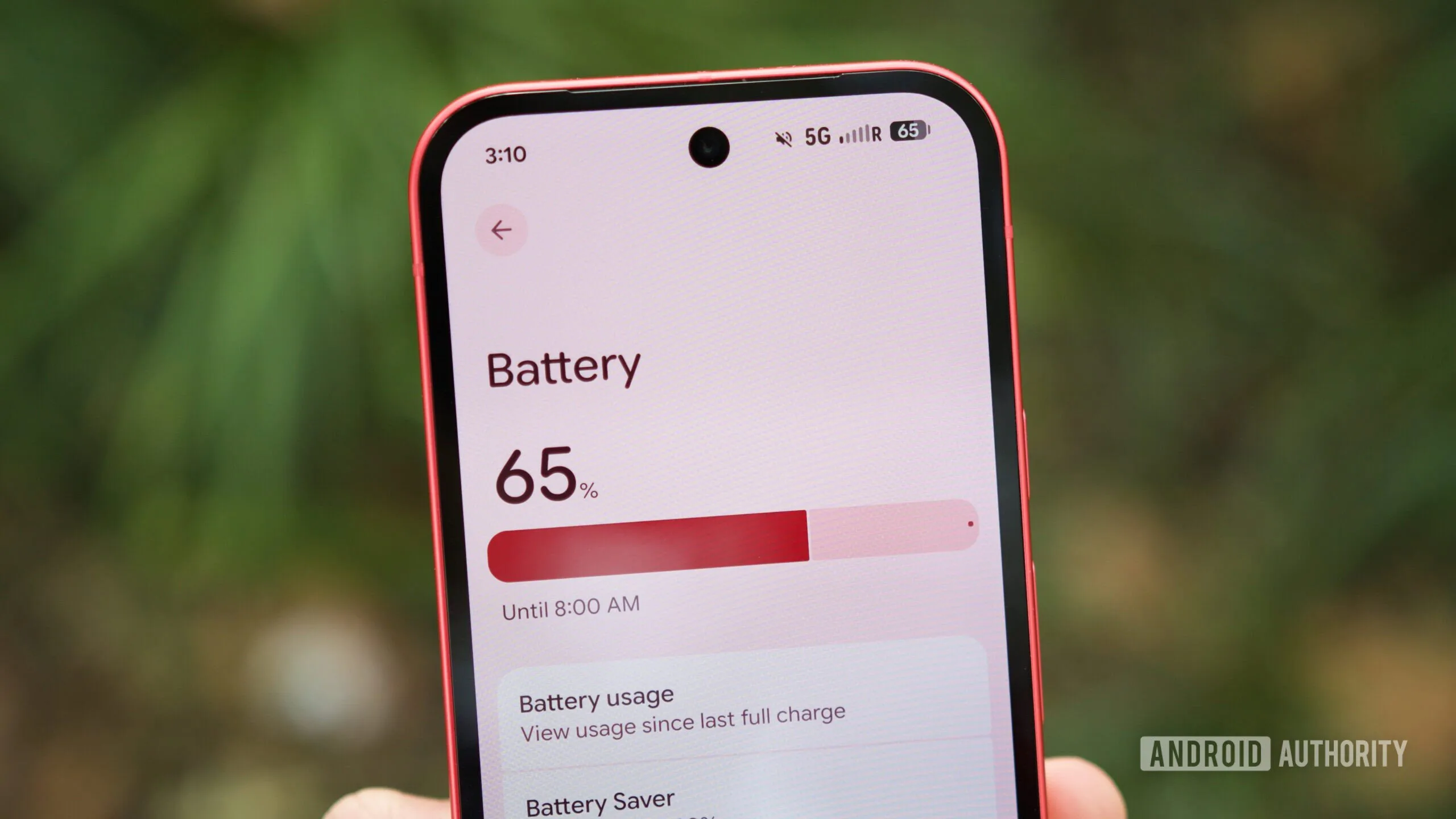
That’s not a 9,000mAh marathon machine, but it’s a full day’s phone without anxiety — and that’s really the bar most people need cleared. In the Pixel 10a vs Galaxy A57 battery contest, the Galaxy A57 is no slouch, but the Pixel 10a edges it out by combining a competitive cell size with a more efficient display footprint.
The fact that battery life is now a strength of a Pixel phone is itself a signal of how far Google has come with the hardware side of the equation. The Pixel 10a isn’t just a software play anymore.
The Galaxy A57 Is Good — The Pixel 10a Is Just Better for Most People
None of this is meant to dismiss the Galaxy A57. Samsung builds excellent hardware at this price point. The display is immersive, the bezels are slim, 45W charging is fast, and Samsung’s manufacturing quality is hard to fault. If you want a big, thin phone with rapid wired charging and Samsung’s One UI experience, the A57 delivers.
But the Pixel 10a vs Galaxy A57 question ultimately comes down to what kind of phone ownership experience you want. Do you want a phone that gets updates the moment they’re available, comes loaded with AI features that actually do useful things, supports wireless charging without compromise, and fits comfortably in one hand? The Pixel 10a answers yes to all of those. At $500, it’s one of the most complete mid-range Android phones on the market — and as Google continues to ship Pixel Feature Drops, the gap between what it offers and what the A57 can do is only going to widen. If you’re still on the fence, the Pixel 10a vs Galaxy A57 verdict is clear: Google’s phone is the smarter long-term investment for most buyers.
Frequently Asked Questions
How does the Pixel 10a vs Galaxy A57 compare on software update speed?
Google pushes Android updates to the Pixel 10a on day one, including major OS releases and quarterly security patches. Samsung’s Galaxy A57, being a budget A-series device, typically sits lower in the update queue and can wait months — sometimes over a year — for the latest Android version.
Does the Google Pixel 10a have wireless charging?
Yes. The Pixel 10a supports wireless charging, though it lacks the Qi2 magnetic standard found on the rest of the Pixel 10 lineup. The Galaxy A57 has no wireless charging at all, making the Pixel 10a the clear winner here for anyone used to MagSafe-style convenience.
Which phone has better battery life — Pixel 10a or Galaxy A57?
The Pixel 10a carries a 5,100mAh battery — slightly larger than the Galaxy A57’s cell — and pairs it with a smaller display, producing meaningfully better screen-on time. Real-world testing recorded around six hours of screen-on time on heavy usage days.
Is the Pixel 10a good value for $500?
At $500, the Pixel 10a delivers flagship-adjacent features — AI tools, day-one updates, wireless charging, and strong battery life — that Samsung simply doesn’t match at this price. For most buyers, the overall experience makes it strong value in the mid-range segment.

