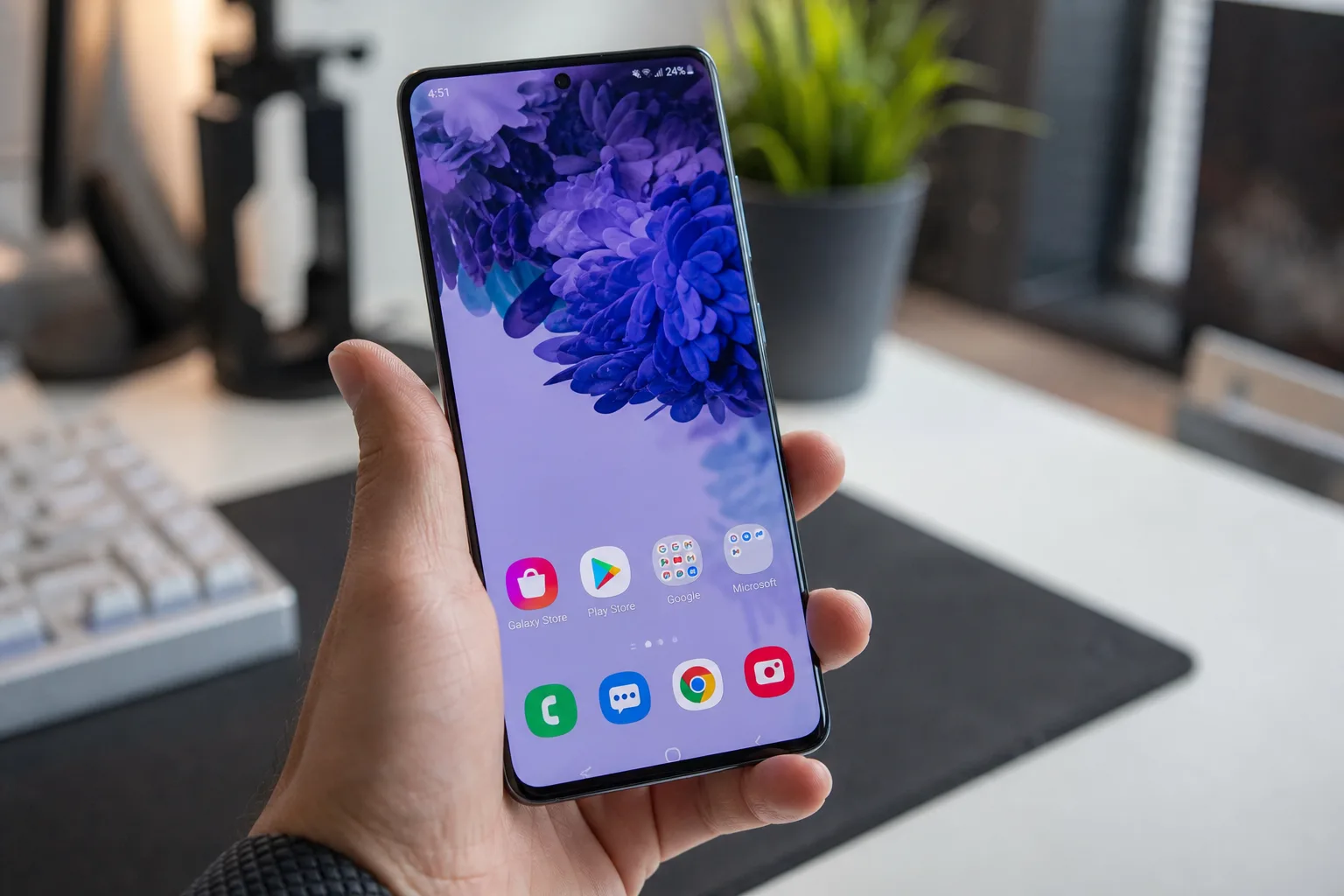
It looked, briefly, like Samsung was about to do something genuinely interesting with its next flagship. Reports from earlier this year suggested the Galaxy S27 screen could come from Chinese manufacturer BOE — a first for the Galaxy S series, which has always relied on Samsung’s own display division. That prospect is now dead. ET News, citing industry insiders, reports that BOE has ‘halted development of the Galaxy S27 OLED,’ and the supply deal has been quietly shelved.
- The Galaxy S27 screen will remain a Samsung Display panel after BOE halted development of its OLED alternative.
- The collapsed Galaxy S27 screen deal removes a key cost-saving option as component prices are set to rise sharply.
- Internal resistance from Samsung Display, which supplies its parent company, was a major factor in killing the BOE deal.
- With chipmaker costs also climbing, the base Galaxy S27 could launch at a higher price than its predecessor.
Table of Contents
What the BOE Deal Would Have Meant
To appreciate why this matters, you have to understand what Samsung was potentially signing up for. BOE is no small-time supplier. It’s one of the largest display manufacturers in the world, supplying panels to Apple, Huawei, and a string of other major phone makers. A deal to put a BOE OLED in the Galaxy S27 screen would have been a statement — that Samsung is willing to shop around, even for its most prestigious product line.
The timeline moved quickly. Rumors of the deal first surfaced in May. Samsung reportedly followed up by sending a Request For Information to BOE, a standard first step when you’re seriously evaluating a supplier. Then Samsung mobile chief TM Roh made a visit to BOE’s facilities in China, which looked like a strong signal that talks were progressing. It now turns out that visit didn’t produce results. Or if it did, those results didn’t survive internal scrutiny back at Samsung HQ.
Why the Galaxy S27 Screen Deal Collapsed
ET News wasn’t able to pin down an official reason for the cancellation, but described ‘resistance’ within both Samsung Electronics and Samsung Display. That framing is telling. Samsung Display isn’t just a supplier — it’s a Samsung company, and it has a significant financial interest in remaining the exclusive screen provider for the flagship Galaxy S line. The idea of its parent company handing a Galaxy S27 screen contract to a Chinese competitor would have landed badly internally, and apparently it did.
There’s a broader organisational tension here worth acknowledging. Samsung operates as a vast conglomerate of semi-independent divisions, and decisions that benefit the whole company don’t always align with what’s best for each unit. Samsung Display contributes meaningfully to Samsung’s overall revenue and profit. Letting BOE into the flagship tier — even just the base model — would have set a precedent that Samsung Display would fight hard to prevent.
It’s also worth considering what BOE’s technology actually looks like in the real world. The company has made genuine progress on OLED quality in recent years, but independent testing has consistently shown its panels trailing Samsung Display on brightness, colour accuracy, and longevity at the very top end. The catch, as the original reporting noted, is that the base Galaxy S27 screen and its Plus sibling don’t use Samsung’s finest display technology anyway. The Ultra gets the premium panel treatment. The standard model gets something more modest — which arguably made it a much more sensible candidate for a supplier switch.
The Price Problem Nobody Wants to Talk About
Here’s where the failed Galaxy S27 screen deal stops being an internal Samsung political drama and starts being your problem. Samsung, like every other phone maker, is staring down a wall of rising component costs. RAM and storage prices are climbing again. And the chip situation is particularly uncomfortable.
Qualcomm’s next flagship processor — expected to power the Galaxy S27 in markets outside Samsung’s home turf — is widely anticipated to carry a substantially higher price tag than the current Snapdragon 8 Elite. Reportedly, the rising costs tied to next-generation chip development mean OEMs may be asked to absorb more of the expense. Samsung’s own Exynos roadmap has its own complications, but the Snapdragon trajectory is the clearest public signal of what’s coming.
A cheaper BOE display could have helped Samsung offset at least some of that pressure. Qualcomm’s Snapdragon 8-series chips have historically set the tone for Android flagship pricing, and when the silicon gets more expensive, those increases tend to ripple out to consumers. Without a Galaxy S27 screen cost saving to lean on, Samsung has fewer levers to pull if it wants to keep the Galaxy S27’s starting price competitive.
If the S27 arrives next year with a price step up, even a modest one, that’s a meaningful shift in the value proposition — particularly when mid-range Android phones are genuinely closing the gap on everyday performance.
The Bigger Picture for Samsung’s Supply Chain
Beyond the immediate pricing implications, this episode reveals something about how difficult it is for a vertically integrated company like Samsung to evolve its supply chain. Apple took years to diversify its OLED sourcing — it now uses panels from Samsung Display, LG Display, and BOE across its iPhone lineup — but Apple doesn’t own a display company. Samsung does, and that creates a conflict of interest that’s hard to resolve cleanly.
The obvious move, which Samsung tried and apparently failed at here, is to introduce a secondary supplier on the lower-margin base model where the quality delta matters least. That’s exactly the kind of gradual, low-risk supplier diversification that procurement teams dream of. The fact that it didn’t happen suggests the internal politics at Samsung are powerful enough to override what looks like a fairly straightforward cost management decision.
For BOE, this is a setback but not a fatal one. The company continues to grow its share of the broader Android mid-range and budget market, and it’s actively working to close the performance gap with Samsung Display on high-end panels. Whether it gets another shot at a Samsung flagship Galaxy S27 screen — or beyond — will depend partly on whether the economics become too compelling for Samsung to ignore, and partly on whether Samsung Display’s internal influence eventually has limits.
For now, the Galaxy S27 screen story ends where it began: with Samsung Display firmly in control. The question is whether the price tag on the S27 will make consumers wish things had gone differently.