

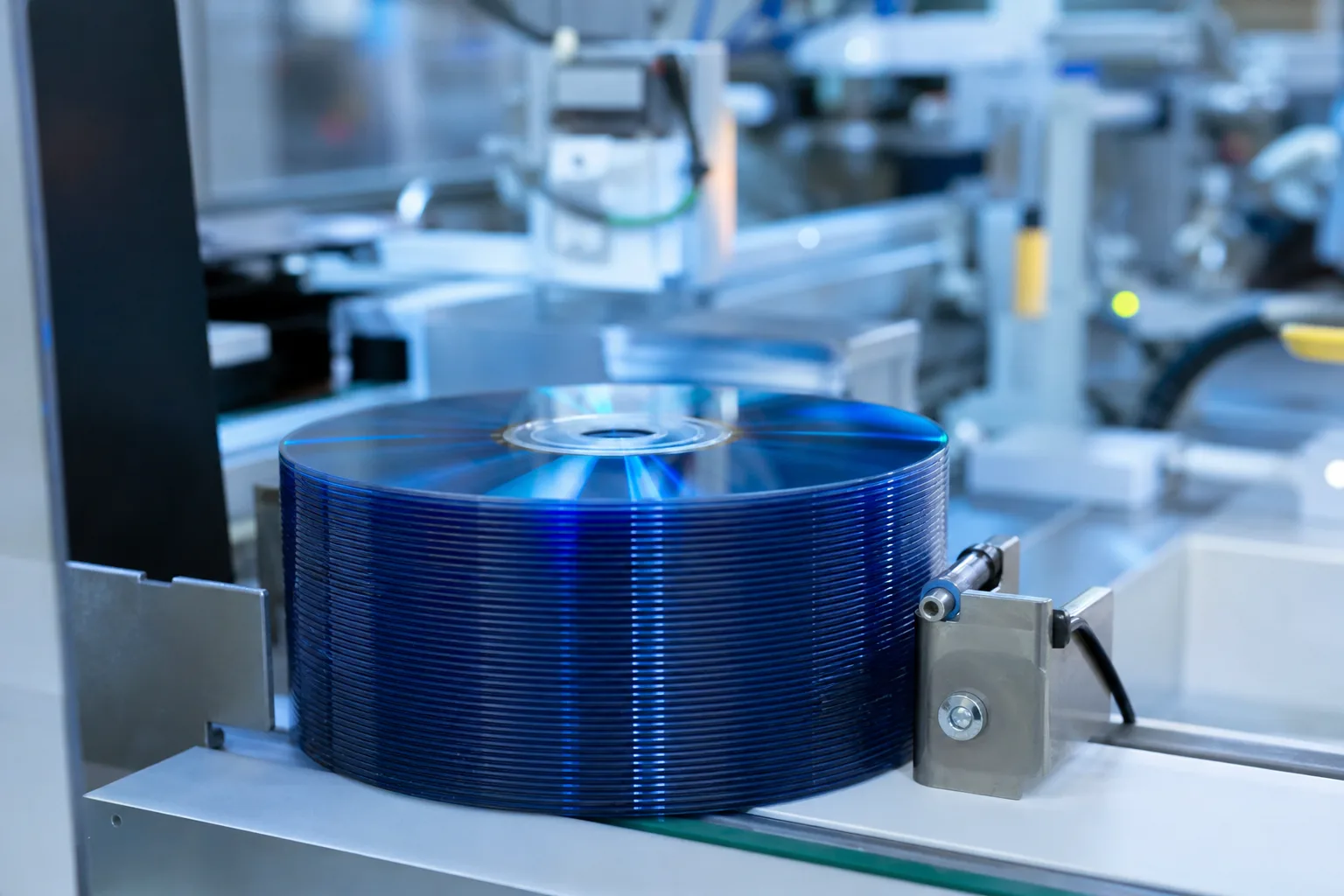
Sony’s PlayStation disc factory in Thalgau, Austria is producing around 600,000 discs a day right now — but that number is going to crater. By 2028, the same plant will be running at just 10% of that volume. What’s going in its place is something far removed from gaming: optical microlenses for cars, headsets, and whatever else the optics industry throws at them next.
Table of Contents
The Numbers Tell the Story
Dietmar Tanzer, president of Sony DADC, broke the news to Austrian broadcaster ORF Salzburg, and the figures are stark. Of those 600,000 daily discs, half are PlayStation titles. That’s 300,000 physical game discs rolling off the line every single day — a volume that reflects just how dominant Sony’s hardware install base remains, even as digital keeps eating into it. But Tanzer made clear that figure won’t last. Come 2028, roughly 60,000 discs a day is what the PlayStation disc factory in Thalgau will be pushing out. The math alone tells you everything about where Sony thinks the physical media market is going.
Thalgau isn’t a run-of-the-mill disc plant — it’s the disc plant. It’s where Sony DADC’s disc-making operations are headquartered, and it’s the last wholly owned disc manufacturing facility the company still controls. Sony made discs in the United States for decades: first in Terre Haute, Indiana starting in 1983, then later in New Jersey. The New Jersey facility closed in 2011. Manufacturing from Indiana shifted to the PlayStation disc factory in Thalgau in 2022, and the Indiana site has since reinvented itself as a packaging and assembly operation for the auto industry — a foreshadowing, it turns out, of what Thalgau itself would do.
€30 Million and a Factory Full of Microlenses
Sony has already committed €30 million to convert the PlayStation disc factory into a microlens production hub. That’s not a plan on a whiteboard — that’s money already spent. A behind-the-scenes video from December 2024 showed microlens work already underway at Thalgau, so the transition has been in motion for months at minimum. The company isn’t waiting for disc revenue to dry up before pivoting; it’s running both operations simultaneously and winding one down while the other scales up.
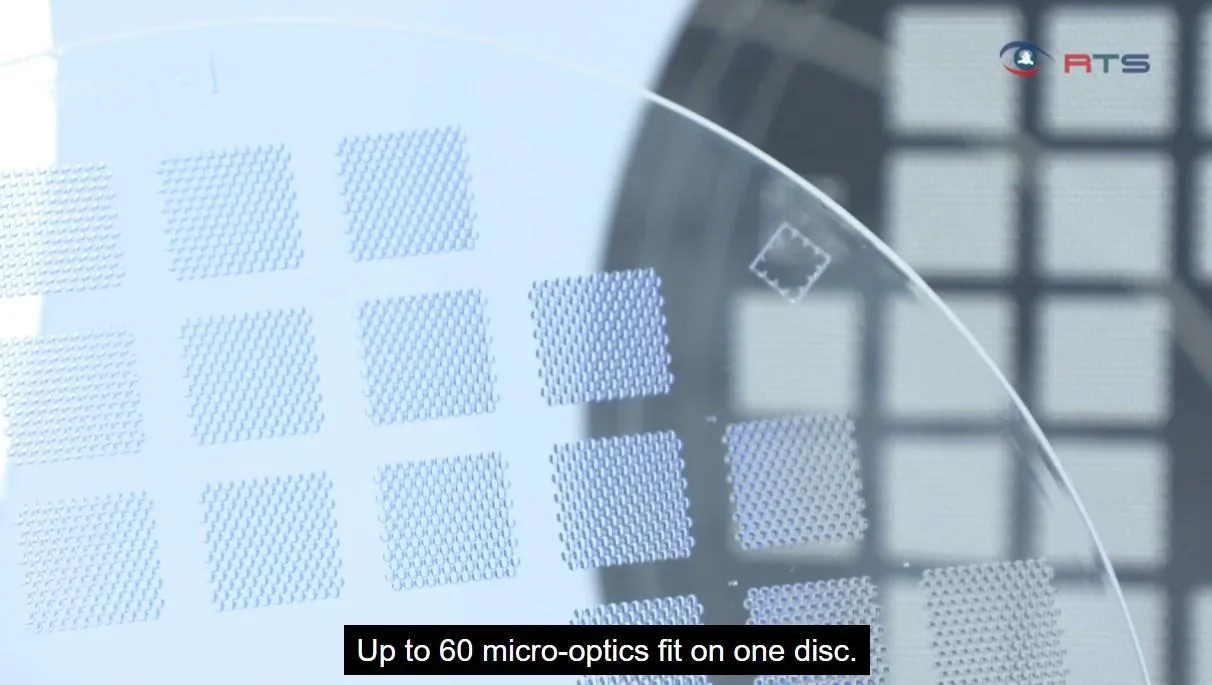
The microlenses themselves are, somewhat poetically, manufactured using disc-based processes — the same spin-coating and mastering techniques that made this PlayStation disc factory a disc-making powerhouse translate more naturally into optics production than you might expect. Multiple micro-optics can be produced on a single disc substrate. Mass production could begin as early as next year.
As for where those lenses are going: the applications are broader than you might think. Optical microlenses show up in AR and VR headsets, precision imaging systems, and increasingly in automotive lighting. The head of Sony’s micro optics division gave ORF Salzburg a vivid example — ‘a car turn signal that is projected onto asphalt.’ That’s a far cry from Spider-Man 2 on a Blu-ray, but it’s a growth market with real industrial demand, and Sony is positioning itself to supply it.
What Happens to the Workers?
Here’s the part of this story that doesn’t get enough attention: all 300 employees at the PlayStation disc factory are being retrained rather than made redundant. That’s not nothing. Industrial transitions — especially ones driven by the slow death of a legacy format — tend to result in layoffs dressed up in corporate language about ‘restructuring.’ Sony, to its credit, is taking a different approach here. Whether that’s driven by Austrian labor law, genuine corporate responsibility, or simple pragmatism (you don’t throw away a trained workforce when you’re spinning up a precision manufacturing operation), the outcome is the same. The people who built your PlayStation discs are learning to build the lenses that might end up in your next car.
This Has Been Coming for a Long Time

It would be wrong to frame this as a sudden decision. Sony has been retreating from physical disc manufacturing for well over a decade. The New Jersey closure came in 2011. The Indiana consolidation happened in 2022. The PlayStation disc factory shift to microlenses is the final chapter in a story that’s been writing itself since streaming took hold and digital storefronts became the default for younger players.
Sony’s own numbers put the scale of the era now closing into perspective. According to Sony DADC’s website, the company has produced over 26.4 billion discs across its entire history. Twenty-three billion of those — the overwhelming majority — came out of Terre Haute, Indiana between 1983 and 2022. That’s a manufacturing legacy that spans the CD, the DVD, the Blu-ray, and multiple PlayStation generations. It’s not nothing. It’s an enormous industrial achievement that quietly underpinned how an entire generation consumed music, movies, and games.
The predictable backlash from disc preservation advocates and physical media fans was always going to come. Sony clearly anticipated it and doesn’t appear to be deterred. When you’ve already spent €30 million converting a PlayStation disc factory and committed to retraining every single employee, you’re not leaving yourself a retreat path. The decision is final, and the optics business — literally — is the future Sony has chosen.
What It Means for Gaming
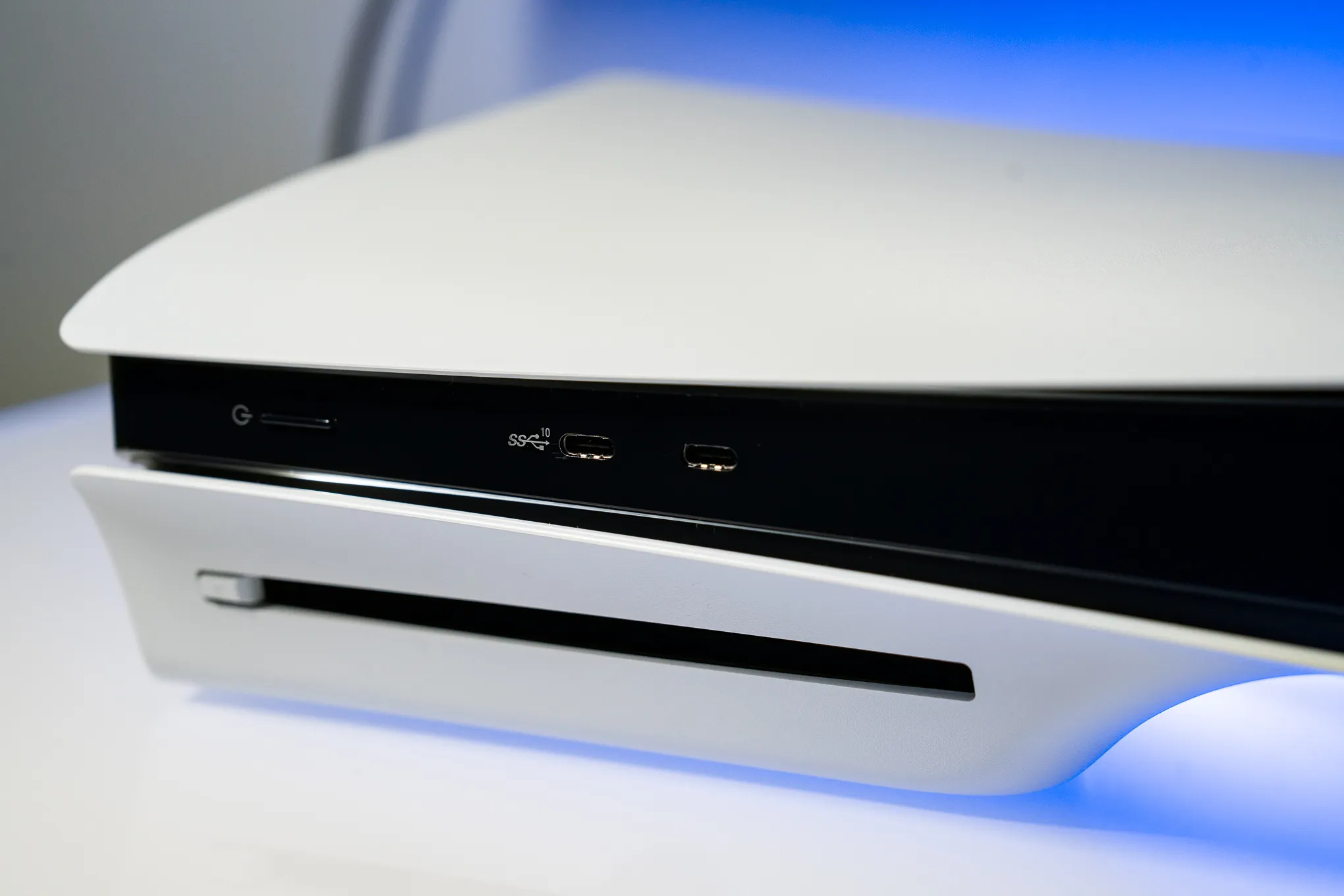
The broader implication for the games industry is worth sitting with. Sony isn’t the only major platform holder moving this way — Microsoft already sells a disc-free Xbox Series S, and the all-digital version of the PS5 Slim has been available since late 2023. But Sony operating the PlayStation disc factory itself, at scale, in its own facility, gave it a degree of vertical control that few appreciated. That’s now unwinding.
For consumers, the practical reality is that physical PlayStation games aren’t disappearing tomorrow. The PlayStation disc factory continues operating through 2028 and likely beyond, just at a fraction of today’s volume. Third-party disc manufacturers exist and will pick up whatever slack Sony doesn’t cover. But the symbolic weight of Sony’s own factory pivoting away from game discs is hard to ignore. When the company that built the PlayStation is retraining its disc workers to make automotive lighting lenses, the writing on the wall couldn’t be clearer — physical game media is in managed decline, and even the infrastructure that sustained it is moving on.

