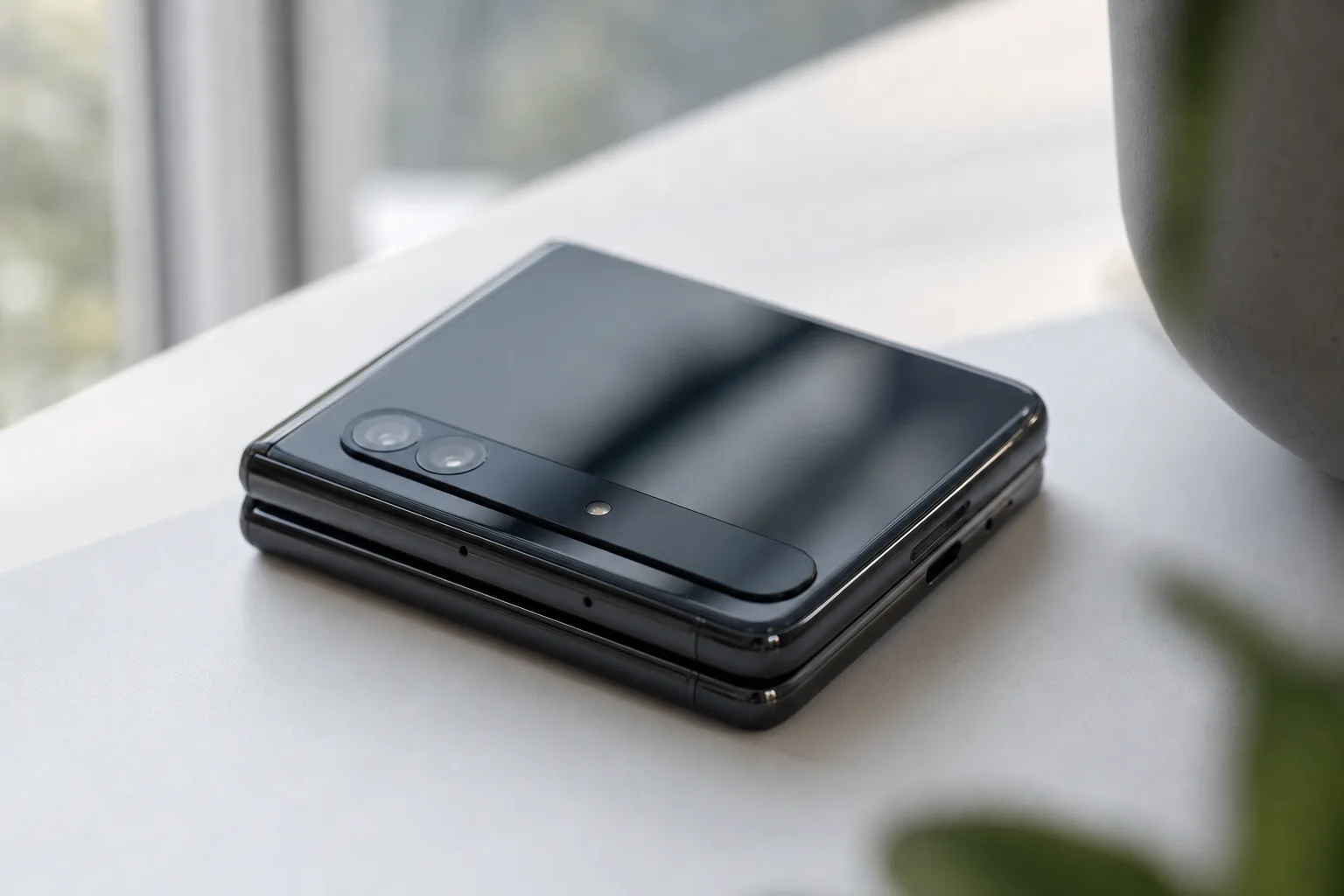
The iPhone Ultra launch is shaping up to go ahead without a hitch. Fresh supply chain intelligence out of China suggests Apple’s highly anticipated first foldable smartphone will arrive in September alongside the iPhone 18 Pro and iPhone 18 Pro Max — and the people closest to the production line say they haven’t heard so much as a whisper about delays.
- The iPhone Ultra launch is confirmed on schedule for September, with no delays reported by multiple Apple supply chain sources.
- The iPhone Ultra launch will reportedly happen alongside the iPhone 18 Pro and iPhone 18 Pro Max.
- Apple’s first foldable device has been the subject of delay rumours, but those claims have now been contradicted repeatedly.
- Leaked dummy units suggest the iPhone Ultra’s physical design is already locked in ahead of mass production.
Table of Contents
Supply Chain Sources Say the iPhone Ultra Launch Is on Schedule
The latest report draws on multiple contacts embedded inside Apple’s manufacturing and component supply network — the same cluster of insiders that has historically provided the most reliable pre-announcement intelligence on Apple hardware. According to these sources, the iPhone Ultra launch timeline is intact, and the usual pre-production milestones are proceeding normally.
That’s a meaningful signal. Apple’s supply chain is notoriously disciplined, and any serious disruption — whether from component shortages, design revisions, or yield issues on a new form factor — tends to surface in supplier conversations weeks or even months before it becomes public knowledge. The fact that none of these sources have raised a flag is about as close to a green light as you get before an official announcement.
Leaked dummy units have already started circulating, which is another indicator that the device’s physical dimensions are locked. Dummy units — non-functional replicas used by case manufacturers to start tooling before launch — only get made once Apple has finalised the chassis design. Seeing them in the wild this far out suggests Apple isn’t scrambling.
Where Did the Delay Rumours Come From?
For a stretch earlier this year, the prevailing narrative in Apple rumour circles was that the iPhone Ultra launch might slip — either in terms of its announcement date or its retail availability. The specific concern centred on the challenges of manufacturing a foldable device at Apple’s scale and quality bar, which is a legitimate worry given how early foldable yields have gone for competitors.
Samsung’s first-generation Galaxy Fold was famously pulled from sale after review units started showing hinge failures and screen damage. Apple, characteristically, has spent years watching these stumbles from the sidelines — and the expectation has always been that when it does enter the foldable space, it’ll do so with a product that’s been through far more internal torture testing than its rivals managed.
That context made the delay rumours plausible on their face. But they were never substantiated by hard supply chain data, and the newer wave of reporting — which is grounded in actual supplier contacts rather than analyst speculation — has consistently pushed back on them. At this point, the weight of evidence sits firmly on the ‘on schedule’ side of the ledger.
What We Know About the Device Itself
Apple has said nothing officially, naturally. But between the dummy unit leaks and the broader industry chatter, a rough picture of the iPhone Ultra is starting to emerge.
The device is expected to feature a clamshell-style foldable design — folding vertically, like Samsung’s Galaxy Z Flip series, rather than opening out into a larger tablet-like screen like the Galaxy Z Fold. That form factor makes more intuitive sense for Apple’s first attempt: it’s mechanically simpler, easier to pocket, and doesn’t require Apple to reinvent its entire software layout paradigm on day one.
On the naming, ‘Ultra’ is a designation Apple has already used in other product lines — the Apple Watch Ultra and the M-series Ultra chips — and it signals a product positioned above the Pro Max in terms of prestige and price. Expect the iPhone Ultra to carry a price tag that makes the current iPhone 16 Pro Max look restrained by comparison.
The Bigger Picture: Apple Enters the Foldable Market
It’s easy to get lost in the launch-date noise and miss just how consequential the iPhone Ultra launch actually is. Apple entering the foldable space isn’t just a product launch — it’s a signal about where the company thinks the smartphone form factor is going, and when it thinks the technology is mature enough to carry its brand.
Samsung has been selling foldable phones since 2019. Other manufacturers including Google, Motorola, Oppo, Xiaomi, and Huawei have also entered the foldable landscape, which has been building for years. And Apple has watched all of it, saying nothing, while its suppliers quietly worked on hinge mechanisms, ultra-thin glass, and flexible display panels capable of surviving the kind of durability testing Apple demands.
The timing matters too. The broader smartphone market has been in a mild growth rut, with consumers holding onto devices for longer and upgrade cycles stretching out. A genuinely new form factor from Apple — backed by its ecosystem, its retail presence, and its marketing machine — has the potential to generate the kind of excitement that a spec-bump Pro Max simply can’t.
Whether the Ultra delivers on that potential depends enormously on execution: how durable the hinge is, how seamlessly iOS adapts to the folding display, how the camera system compares to the Pro Max, and whether the battery life is acceptable in a chassis that leaves far less room for cells than a traditional slab phone. These are hard engineering problems, and Apple has had years to work on them.
If the supply chain sources are right — and right now, they’re pointing in only one direction — we’ll have answers to those questions in September. The iPhone Ultra launch is coming. The question isn’t ‘if’ anymore. It’s ‘how good.’