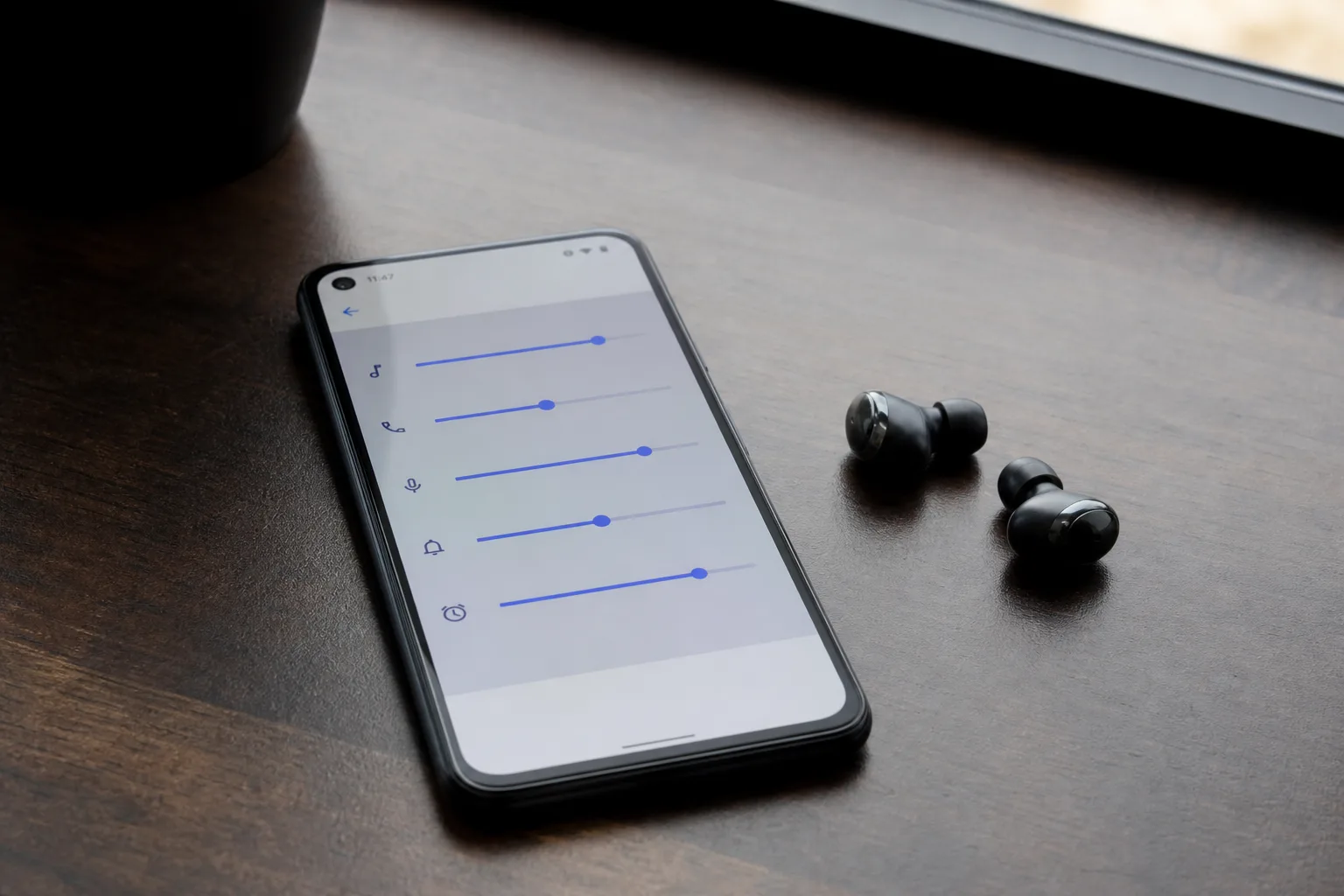
The Samsung Sound app appears to be on its way out almost as quietly as it arrived. Reports of its discontinuation point to a familiar Samsung problem: the company can build genuinely useful phone software, then make it maddeningly hard to know which bits are foundational and which are merely passing through.
That may sound like a small complaint about a small app. It is. But small apps are where people feel the consequences of a company’s software strategy most directly. You install something because it promises a cleaner way to manage a setting or feature, work it into your daily routine, and then discover it has the lifespan of a seasonal pop-up shop.
Samsung has not offered a detailed public explanation for the change, nor is there a clear case yet for what will replace every function associated with the app. That lack of clarity is the frustrating part. A discontinuation can be perfectly sensible when a feature has been folded into One UI or another maintained Samsung product. It is much less sensible when users are left guessing whether a tool has been abandoned or simply moved.
- The Samsung Sound app appears to be ending after a remarkably brief run, and Samsung has offered little public explanation.
- If you use the Samsung Sound app, watch for official notices rather than assuming its features will receive long-term support.
- The shutdown exposes Samsung’s recurring habit of splitting useful features across temporary, overlapping software products.
- Samsung still has stronger audio tools in One UI, Galaxy Wearable, and Good Lock than in short-lived standalone experiments.
Table of Contents
Samsung Sound app was barely given time to settle
The reported end of the Samsung Sound app is striking largely because of timing. This was not a relic from the early Android years, kept alive through inertia and a few stubborn users. It was a newer piece of Samsung software, and its short run makes it difficult to treat it as a normal cleanup of aging code.
Software retirement is unavoidable. Android changes, privacy rules change, security maintenance costs money, and companies should not preserve redundant apps just because somebody might still have an icon on their home screen. Google has made an art form of killing products that once looked strategic — remember when Stadia vanished? — and Samsung has its own history of reshuffling apps and services.
But there is a difference between pruning and confusion. Samsung’s best phone features frequently live in a maze of locations: core One UI settings, the Galaxy Wearable app, Galaxy Store downloads, and the Good Lock collection of customization modules. The Samsung Sound app added another branch to that tree, only for the branch to be cut before many users could reasonably decide whether it was worth using.
My read is that Samsung may have concluded the app did not deserve a separate identity. If so, that is probably the right product call. Sound controls belong close to the system settings and hardware they affect, not in a standalone destination that owners must discover, install, and remember. The company just needs to show its work.
What users should do now
Anyone who installed the Samsung Sound app should watch the notices within the app, its Galaxy Store listing, and Samsung’s support channels. An app can remain installed long after support has ended; discontinued software often lingers on a phone after updates and backend services stop arriving.
It is worth checking whether the settings you relied on have counterparts elsewhere. Samsung’s standard Settings app handles many device audio options, while Galaxy Wearable remains the obvious place for Galaxy Buds controls. Good Lock, where available, has long housed more experimental interface and sound-related customization. Samsung itself describes Good Lock as a suite for personalizing Galaxy devices on its official support site.
That does not mean every Samsung Sound app feature will necessarily survive unchanged. Until Samsung identifies a migration path, users should trust only what they can actually verify. Back up screenshots of unusual configurations, note the settings that matter to you, and check after future One UI updates whether those controls have been relocated.
This matters most for people who rely on accessibility-oriented sound adjustments or carefully tuned notification behavior. Audio preferences can feel trivial right up until an update resets the one setting that lets you hear an alert in a noisy commute or distinguish a work call from every other ping.
Samsung’s app strategy needs fewer dead ends
Frankly, Samsung has a stronger software portfolio than it gets credit for. One UI is polished, Galaxy Wearable is indispensable for the company’s accessories, and Good Lock offers a level of customization that rivals routinely refuse to provide. Samsung is at its best when it lets Galaxy owners make a device feel like theirs rather than like a showroom demo.
The weak point is product boundaries. A Galaxy owner should not need detective skills to determine whether a feature is part of Android, One UI, Good Lock, SmartThings, Galaxy Wearable, or a temporary Galaxy Store experiment. When the Samsung Sound app disappears without a clearly advertised replacement plan, it reinforces the impression that some Samsung apps are prototypes wearing production clothes.
Apple has largely avoided this particular mess by putting most system controls in a tightly managed Settings app, for better and worse. Google goes the other direction, often scattering functionality across Pixel settings and separate apps, but at least its major system features tend to have recognizable homes. Samsung is trying to offer more flexibility than either rival. That is a legitimate advantage, but flexibility needs signposts.
A quiet exit can still be a useful correction
There is a charitable interpretation here. Retiring the Samsung Sound app may mean Samsung is consolidating audio controls into places users already visit. If that happens, the eventual outcome could be better than maintaining another lightly used app indefinitely. Fewer downloads, fewer update channels, fewer duplicated settings: that is good housekeeping.
Still, Samsung should communicate the transition plainly. Say what is ending, say when it ends, and say where affected settings are going. That is not glamorous product management, but it is the difference between a tidy simplification and a broken promise.
Samsung has spent years arguing that Galaxy phones can be more personal and adaptable than the competition. If it wants that claim to hold up, it cannot keep treating the software that enables those personal choices as disposable scenery. The next question is whether Samsung moves these audio ideas into One UI — or simply lets them fade away.