

The Apple smart home has spent years feeling like an elegant apartment with no furniture in it: attractive framework, good taste, and frustratingly little reason for most people to move in. That may finally be changing. Apple is holding a dedicated “Welcome Home” experience in New York on October 13, and the reporting around it points to hardware Apple users have been waiting for since HomeKit arrived in 2014.
Bloomberg has reported that Apple plans to introduce a home display alongside updated versions of the HomePod Mini and Apple TV. MacRumors says the display may carry the name “HomeView.” Apple hasn’t confirmed any of that, so treat the details with the appropriate pinch of salt. But the broad direction makes perfect sense. Apple has treated the connected home as a feature of the iPhone, iPad, speakers, and TV box for far too long. Its rivals built a place in the kitchen.
- Apple smart home reportedly gets new hardware, including a display designed to become the control center Apple has long lacked.
- The Apple smart home opportunity depends less on a screen than on Siri AI handling complicated, shared household routines reliably.
- Matter has widened device compatibility, but Apple still must make products from different brands feel like one coherent household system.
- A rumored $350 display would need unusually polished software to compete with cheaper Amazon Echo Show and Google Nest alternatives.
Table of Contents
Apple smart home needs a real center of gravity
Amazon and Google understood the basic physical problem early: people do not want to fish a phone out of a pocket every time they want to see who rang the doorbell or turn off a bedroom light. The Echo Show and Nest Hub put controls, camera feeds, timers, video calls, and a photo frame in a room where people already spend time. Neither company made the category thrilling, frankly. But both made it tangible.
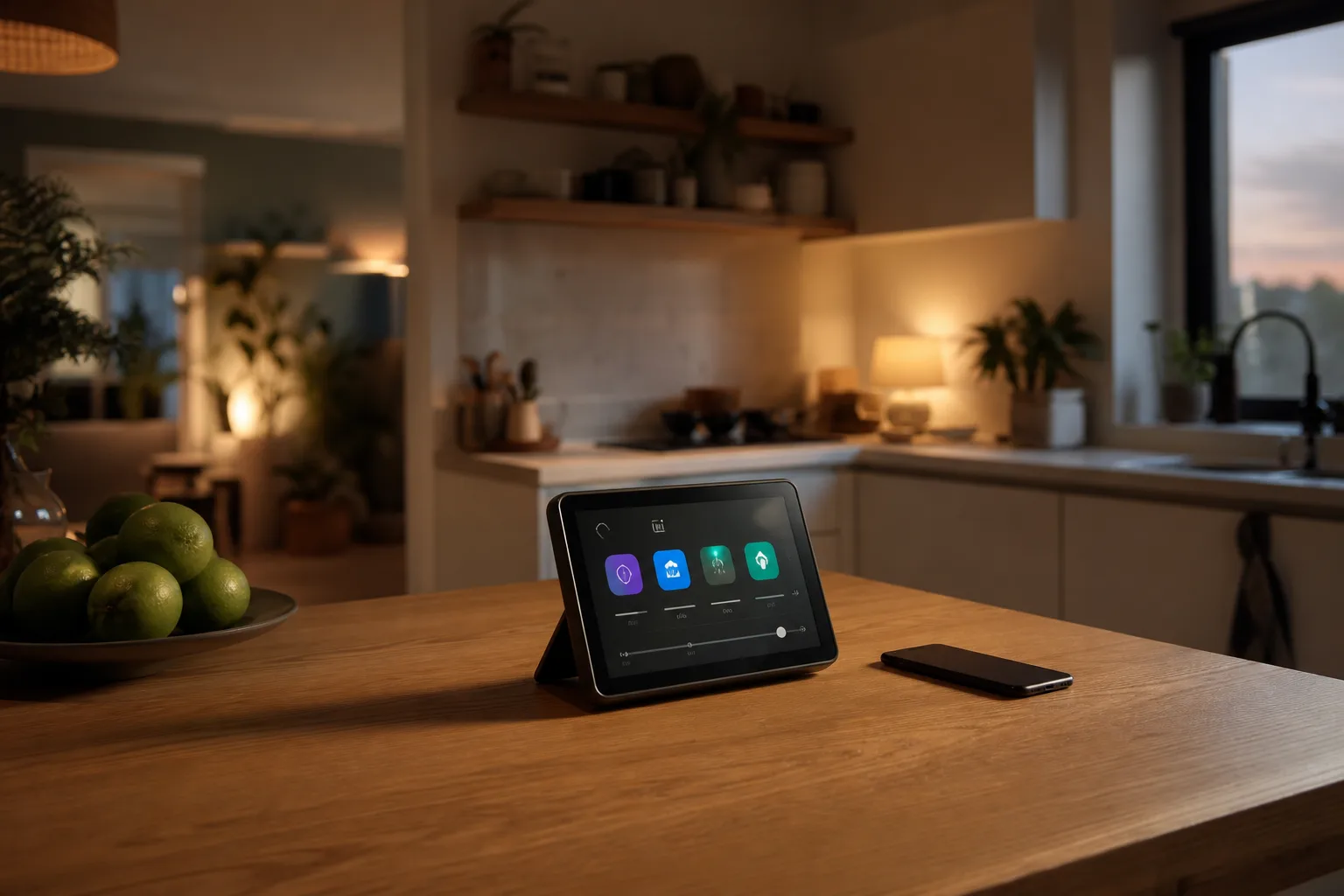
The reported Apple display sounds familiar on paper. Bloomberg has described a roughly six-inch square screen on a speaker base, with a possible wall-mounted version. Features could include FaceTime, Intercom, a stripped-back home-control interface, and recognition that presents different calendars or messages depending on who approaches. It’s an Echo Show-shaped answer to an Echo Show-shaped problem.
That’s not a criticism by itself. Sometimes the right product category is simply the boring one that works. A small shared screen by the front door or in the kitchen is useful in the same way a wall calendar is useful: everyone can see it, nobody has to ask where it is, and it doesn’t require a lesson before breakfast. It is the gap the Apple smart home has to close.
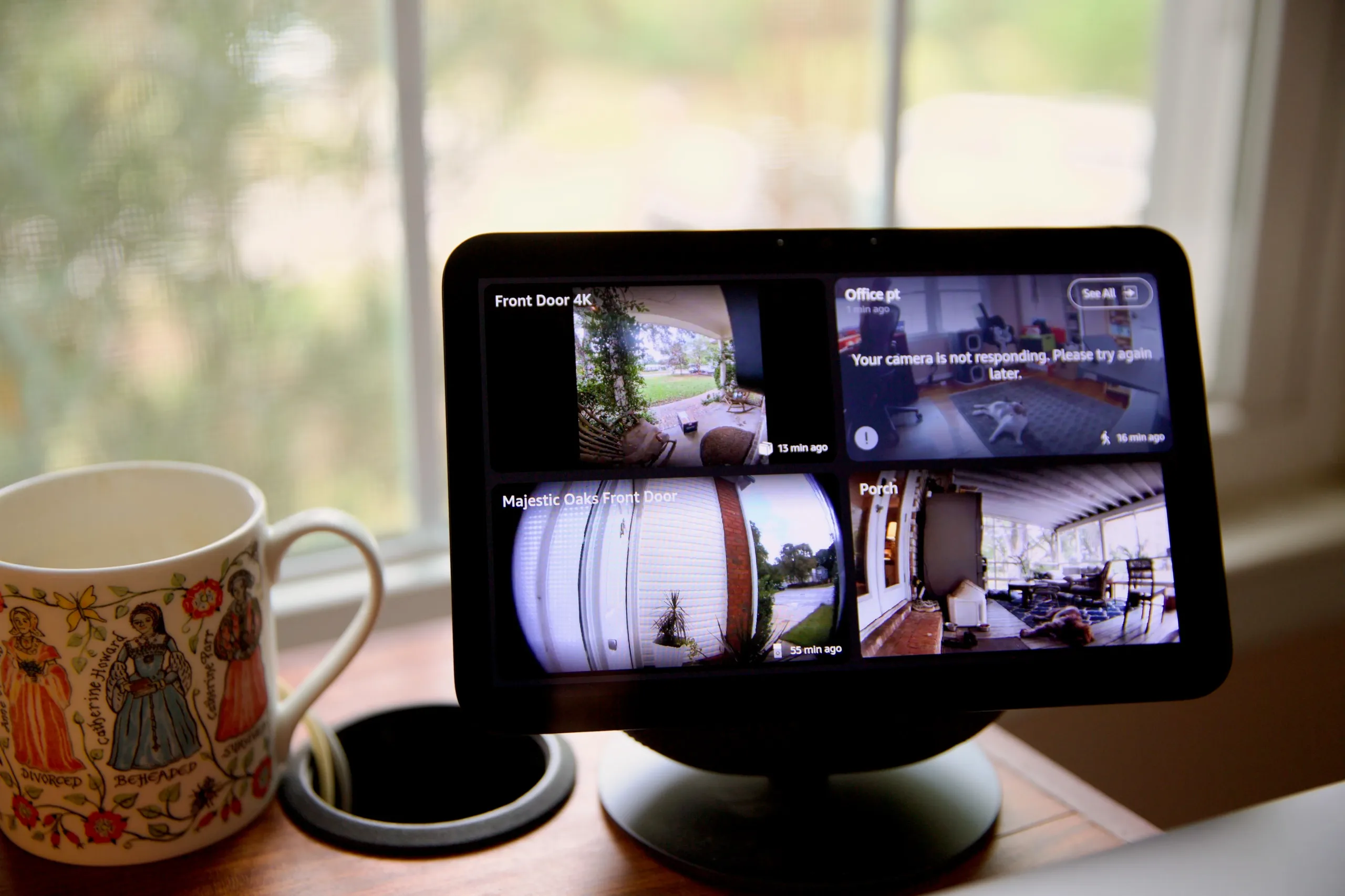
The harder question is price. A reported $350 starting point would be steep for a compact display in a market where Amazon routinely discounts Echo Show models and Google’s Nest Hub has often competed closer to impulse-purchase territory. Apple can charge more when it delivers something people cannot get elsewhere. A prettier screen and tighter iPhone integration won’t be enough. The Apple smart home needs to behave noticeably better than the alternatives.
Siri AI is the make-or-break feature
The real test is Siri. For all of Apple’s hardware skill, this is the part that matters. Today’s Siri on HomePod and Apple TV remains stubbornly literal. Ask it for a light, a playlist, or a timer and it can be fine. Ask it to understand an oddly phrased household request, manage a chain of actions, or recover gracefully when something goes wrong, and it quickly shows its age.
Apple Intelligence changed expectations, even though the company’s more capable Siri rollout has arrived later than Apple originally implied. Reports suggest the home display will use a new homeOS built around Siri AI. If that means a genuinely context-aware assistant rather than a fresh coat of paint on old voice commands, the Apple smart home could have a credible route back into the race.
Picture requests that sound like how people actually talk: “I’m heading out, is anything still on?” or “Keep the nursery comfortable tonight, but don’t run the air conditioning if the window is open.” The useful response is not a spoken list of device states. It is a system that understands the home’s rules, shows what it plans to do, and asks when the consequences are meaningful.
Amazon and Google have already discovered why this is difficult. Amazon announced Alexa Plus in 2023, but the product’s path to users was slow and uneven. Google’s Gemini for Home has its own awkward split: the more conversational Gemini Live experience has not simply become the all-powerful controller for your house. A chatbot can bluff its way through dinner recommendations. It cannot casually bluff its way through a front-door lock command.
That distinction is why I’d rather Apple launch fewer agent-like features and make them dependable. For the Apple smart home, the company’s privacy-first instincts can be a genuine advantage, provided they do not become an excuse for a timid assistant that only controls lamps. In a household, trust is earned one unglamorous routine at a time.
Compatibility is better, but the mess remains
The standards story has improved dramatically since the early HomeKit era, when a device needed Apple-specific certification and shoppers had to hunt for compatibility badges like they were decoding a cereal label. Apple helped establish Matter, the industry standard intended to make connected devices work across major ecosystems, while Thread offers a low-power networking layer for many accessories. Apple supports Matter through its Apple Home page.
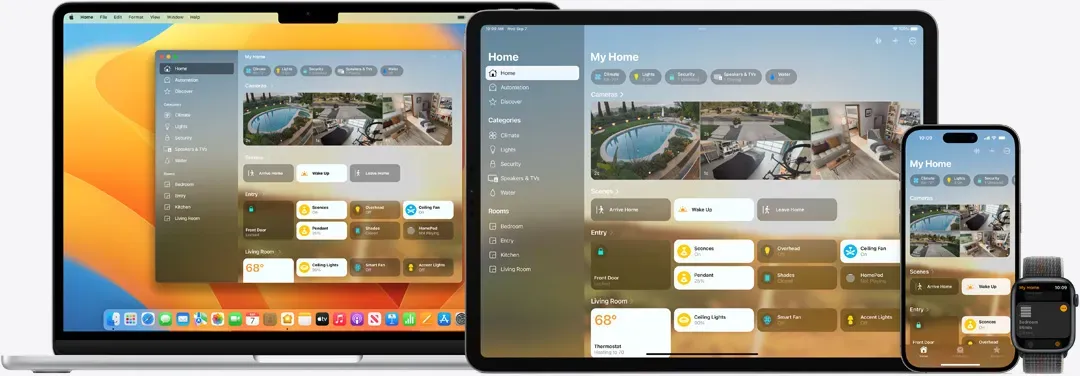
That work gives the Apple smart home a stronger foundation than it had a few years ago. Apple also rebuilt HomeKit’s architecture and redesigned the Home app, making room for more device types and vendors. But Matter is plumbing, not hospitality. It can help a bulb join the network; it cannot decide whether the living-room lights should dim when someone starts a movie, or explain why a motion sensor triggered at 3 a.m.
Every household is a messy multi-user system. One person wants lights bright enough to perform surgery. Another thinks any ceiling light after sunset is an act of violence. There are kids, guests, pets, renters, unreliable Wi-Fi, old appliances, and products that promise Matter support while quietly omitting their best features. The Apple smart home must make that complexity manageable without pretending it does not exist.
Apple’s closed approach could finally pay off
Apple’s curated approach has often made Apple Home feel smaller than Alexa or Google Home. That is the trade-off: fewer weird gadgets, fewer half-finished integrations, and less choice. Yet the AI era may make that restraint more valuable. A home platform that knows which devices are present, what state they are in, and what permissions each household member has is better positioned to offer safe automation than one stitched together from a decade of abandoned integrations. The Apple smart home could benefit from that discipline.
Apple does not need to convince every renter with a single smart plug to buy a $350 display. It needs to make its existing base of iPhone, Apple Watch, Apple TV, HomePod, and HomeKit users feel that their devices finally form a system rather than a pile of accessories. That audience is large, affluent, and already trained to pay for polish.
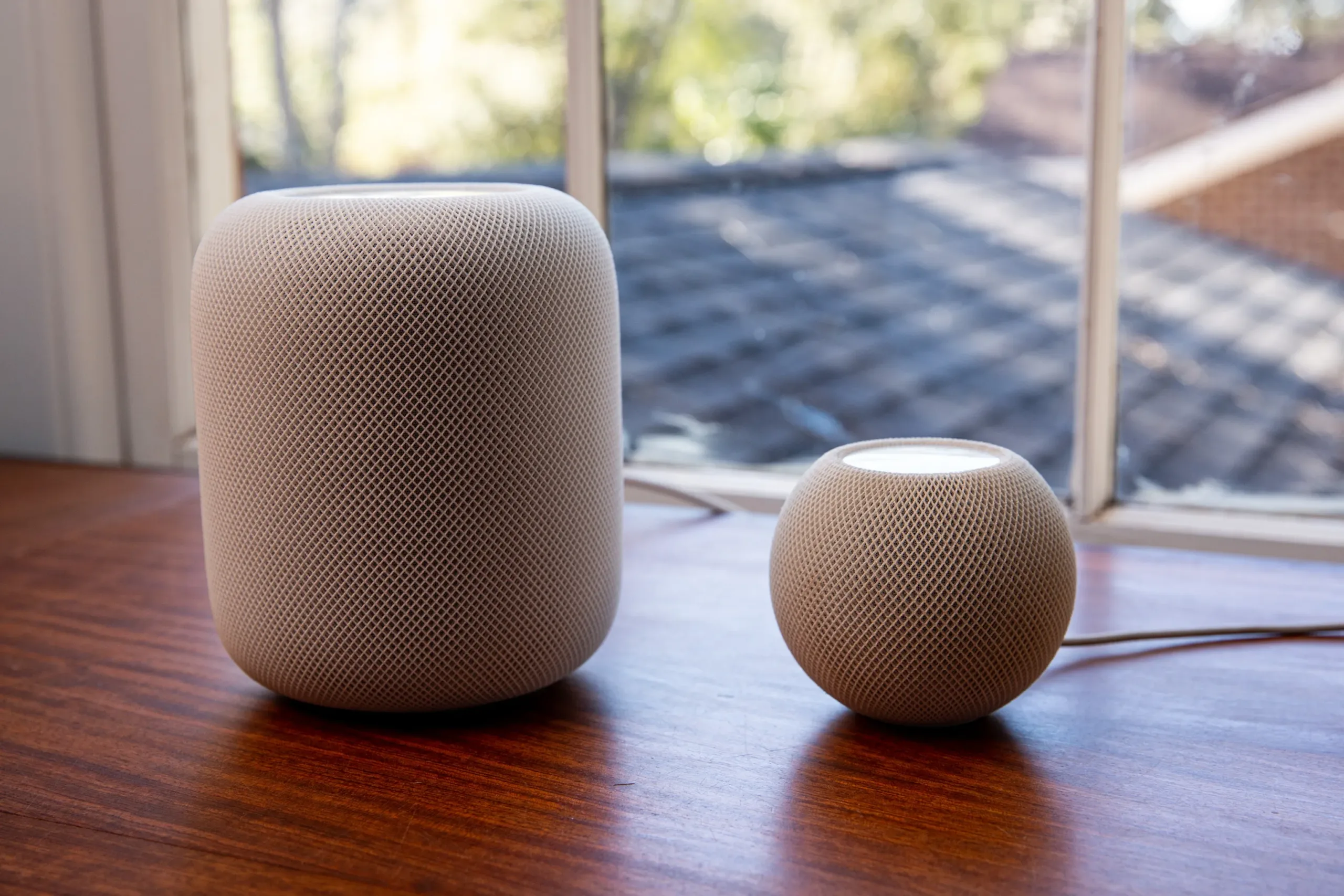
A refreshed HomePod Mini and Apple TV would help, too. The current HomePod Mini dates to October 2020, while the latest Apple TV 4K is no longer new hardware. Both can act as home hubs, but neither feels like a visible command center for a household. A display can fill that gap, assuming Apple avoids turning it into a very expensive digital photo frame.
My read is that the Apple smart home will not be won at the launch event, no matter how glossy the demo looks. It will be won six months later, on a rainy weeknight, when a parent asks a vague question about the heating, the doorbell rings, the dog trips a sensor, and the system responds sensibly instead of requiring three apps and a restart. Apple has the parts. Now it has to prove it can run the house.
Frequently Asked Questions
What is Apple smart home expected to announce?
Reports point to a dedicated smart display, a refreshed HomePod Mini, and a new Apple TV. Apple has not publicly detailed the event lineup, so product names, pricing, and final features remain unconfirmed until the company makes its announcements.
Will Apple’s rumored smart display work with Matter devices?
Apple helped found Matter, and the standard is intended to make setting up and using smart homes easier. Apple has also updated its Home architecture to support more devices from more manufacturers, though the source does not confirm specific compatibility for the rumored display.
Why is Siri AI important for a smart home?
A home assistant must work in a complicated, multi-user environment and safely control physical devices. Better language understanding could make the home more proactive, but mistakes involving systems such as locks, HVAC, and security can carry serious consequences.
How much could Apple’s smart home display cost?
Bloomberg has reported a possible price around $350 for Apple’s smart display. The reported price remains unconfirmed.