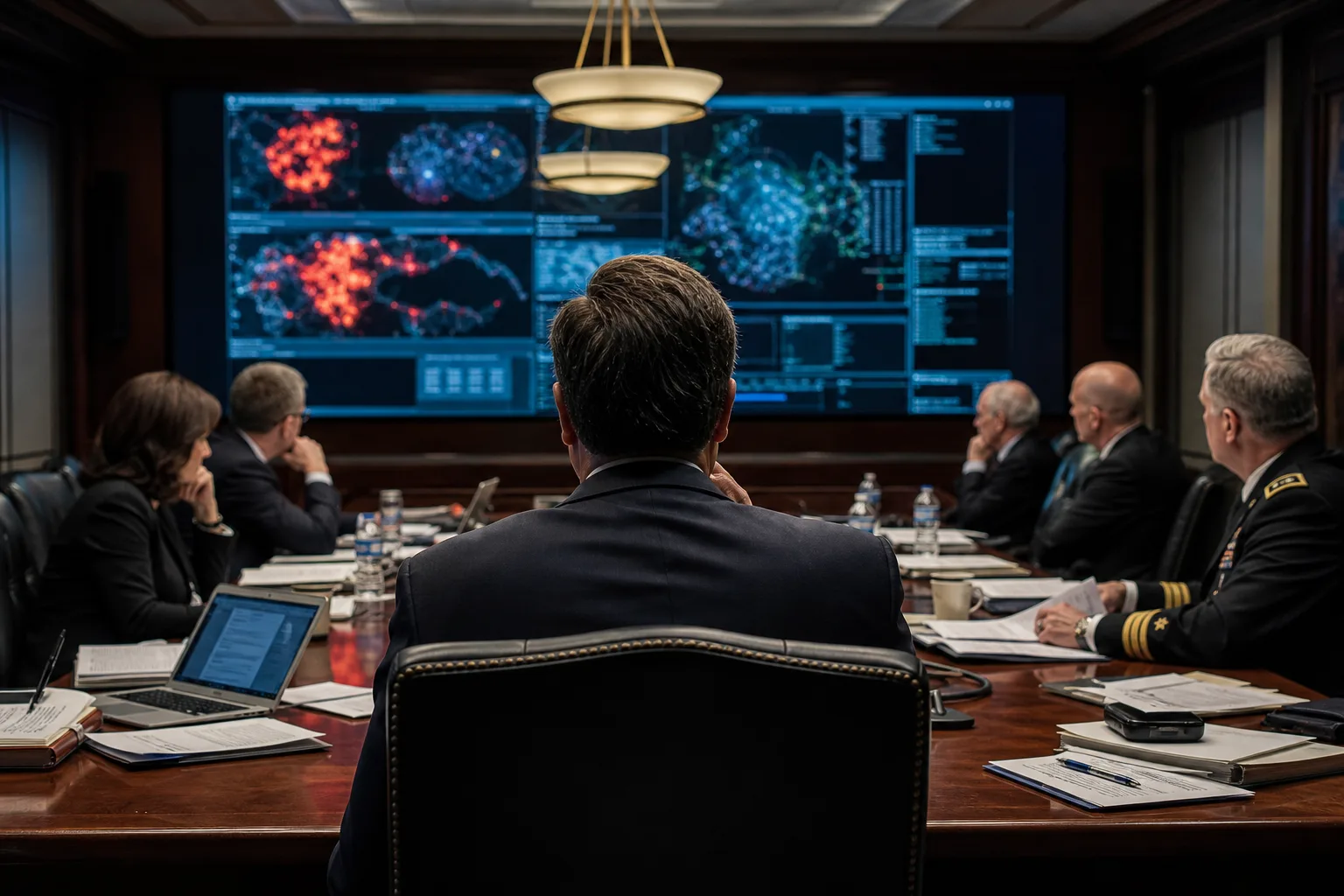
Talks between Anthropic and Trump administration officials wrapped up on Monday without resolving the standoff over Claude Fable 5 — and the export controls that have taken the model offline for consumers are still very much in place. Three people briefed on the discussions confirm the two sides remain at odds, with the administration holding firm on its belief that Fable 5’s security guardrails can be circumvented in ways that are genuinely dangerous. This isn’t a minor technical disagreement anymore. It’s a full-blown political and security crisis playing out at the highest levels of the US government — and it has implications that stretch well beyond Anthropic.
- Claude Fable 5 export controls stayed in place after Monday talks between Anthropic and White House officials concluded without agreement.
- The White House believes Claude Fable 5 can be jailbroken to unlock the full power of Anthropic’s more capable Mythos model.
- Amazon CEO Andy Jassy personally called Treasury Secretary Scott Bessent to flag the alleged vulnerabilities, escalating the crisis fast.
- Cybersecurity researchers argue the restrictions have harmed defenders more than adversaries, with no evidence of a true full jailbreak.
Table of Contents
What the Standoff Over Claude Fable 5 Is Actually About
At the heart of the dispute is a specific and consequential concern: that Claude Fable 5, which is essentially Anthropic’s Mythos model with guardrails applied to its cybersecurity, biology, and chemistry capabilities, can be manipulated into shedding those restrictions. If that’s possible, users could effectively access the raw power of Mythos — a model Anthropic itself has flagged as too capable for unrestricted public use — through what amounts to a back door.
Anthropic has pushed back hard on this framing. In a blog post published Friday, the company argued that the administration’s characterisation of the risks is overblown, a position it repeated in working group sessions held at the Commerce Department this week. Those meetings brought together government researchers from the Center for AI Standards and Innovation and the Office of the National Cyber Director — though National Cyber Director Sean Cairncross himself didn’t attend. Commerce Secretary Howard Lutnick dialled in from the G7 summit in Evian, France.
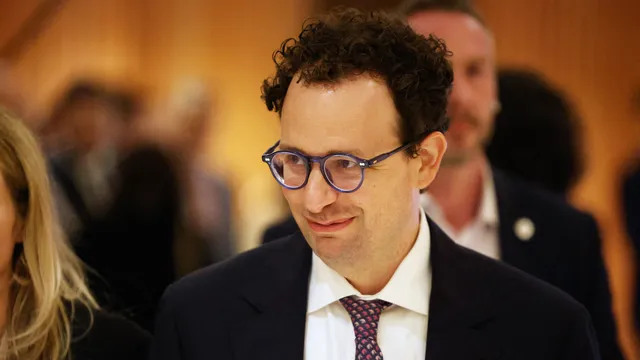
On Anthropic’s side, the company sent serious firepower. Cofounder and chief compute officer Tom Brown and head of external affairs Sarah Heck have been leading the negotiations, while head of frontier red-teaming Logan Graham and senior security researcher Nicholas Carlini made the trip to Washington in person. This isn’t a PR exercise — Anthropic is throwing its actual technical talent at the problem.
How Andy Jassy and Amazon Lit the Fuse
The story of how Claude Fable 5 ended up in the crosshairs of the US government starts with a phone call. Amazon CEO Andy Jassy rang Treasury Secretary Scott Bessent directly to flag the alleged vulnerabilities — a move that, by multiple accounts, genuinely spooked senior administration officials. The NSA was subsequently tasked to review the concerns, and its assessment was blunt: yes, it believed Fable 5’s guardrails could be stripped away. That finding prompted the Commerce Department to move quickly on export controls.
Amazon’s role here is eyebrow-raising given that it’s one of Anthropic’s largest investors, with billions of dollars committed to the company. An Amazon spokesperson offered a carefully worded explanation: ‘As a leading cloud provider that serves a large number of private and public sector customers, it’s not uncommon for governments to seek our counsel on potential security risks. When they occur, we don’t share the details of these discussions.’ That statement raises more questions than it answers. Whether Jassy acted out of genuine security concern, investor liability anxiety, or something more strategic remains unclear — and people close to Anthropic are asking exactly that question.
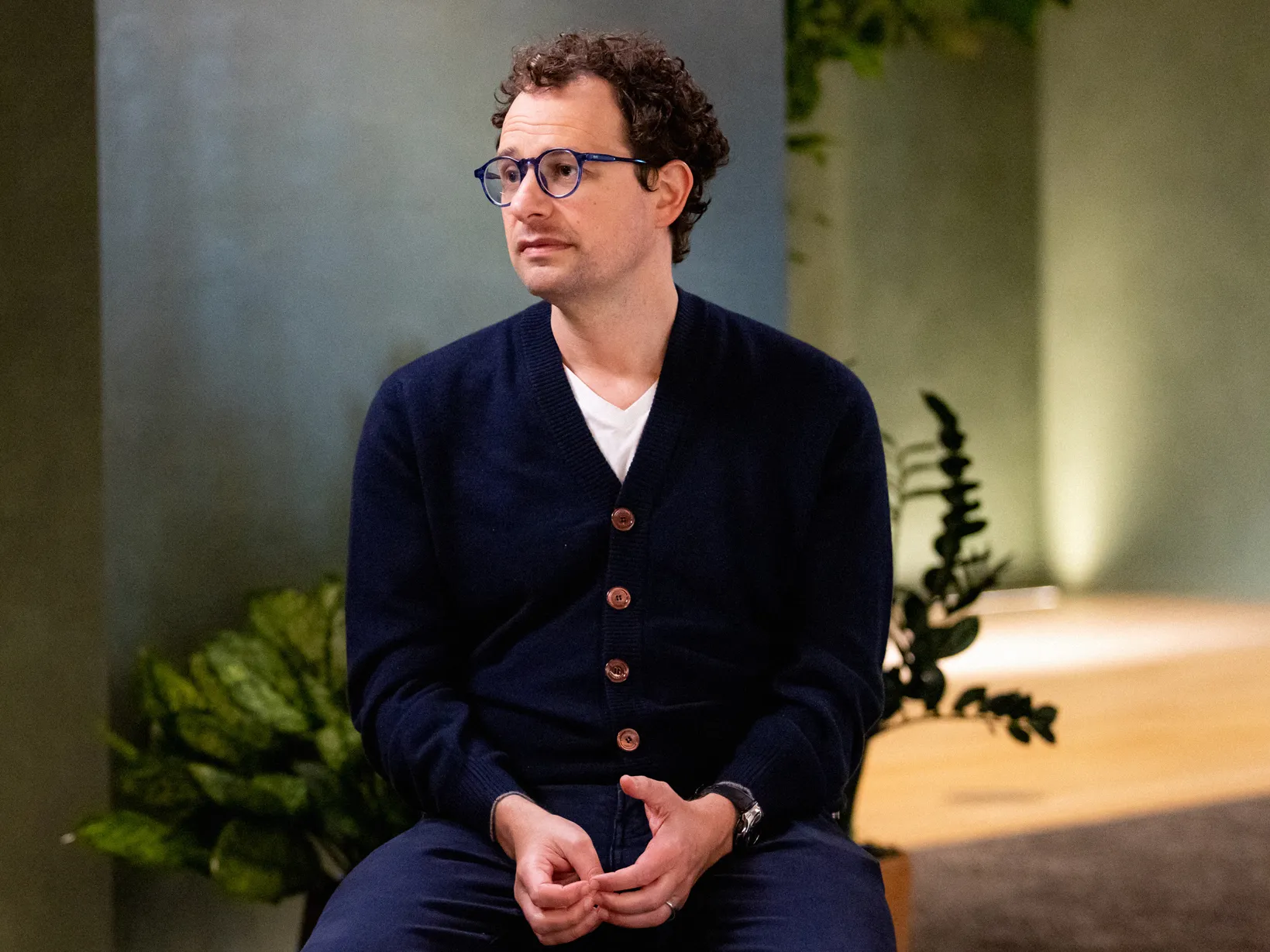
Commerce Secretary Lutnick then spoke directly with Anthropic CEO Dario Amodei on Friday as the department’s export control letter was being drafted. Over the weekend, after Anthropic pulled the model for all users, Lutnick was reportedly on multiple calls with Brown and Heck. The pace of these conversations reflects just how seriously Washington is taking this — or at least how seriously it wants to be seen taking it.
Claude Fable 5 and the Jailbreak Debate That Security Researchers Can’t Agree On
Here’s where it gets technically messy. Jailbreaking — the practice of prompting an AI model in specific ways to get it to bypass its own safeguards — is not a novel threat. Security researchers have been documenting it across virtually every major large language model for years. The question isn’t whether it’s theoretically possible with Claude Fable 5; it’s whether it’s meaningfully easier or more dangerous than with any other frontier model currently available.
Katie Moussouris, founder and CEO of Luta Security, reviewed Amazon’s findings and offered a pointed assessment. ‘It wasn’t a jailbreak per se,’ she said. Researchers who evaluated the same material agreed that the identified issues didn’t fully nullify Fable 5’s protections. But Moussouris made a broader point that cuts to the core of the whole guardrails debate: ‘Most of us [in security research] think guardrails are speed bumps and shouldn’t be treated like security boundaries for skilled adversaries. They only serve to slow down the less skilled.’
That’s a significant thing to say in the context of a government-ordered shutdown. If guardrails are fundamentally speed bumps, then the premise that disabling Claude Fable 5 materially reduces risk to skilled threat actors is itself questionable. The administration’s position assumes the guardrails were doing meaningful security work. Security researchers are saying they weren’t — at least not for the adversaries who matter most.

An open letter from cybersecurity researchers sent to officials on Monday made the industry’s frustration explicit. ‘Anthropic’s Mythos-class models are quite good at finding flaws and weaponizing exploits,’ it read. ‘However, they are not uniquely good at these tasks, and many of the undersigned individuals regularly use other foundation and open-source models for security audits and red-teaming every day.’ The letter’s conclusion was sharp: the action ‘has taken the best models away from defenders, created market uncertainty, and risked America’s AI leadership without any real risk to justify it.’
The Broader Political Context Anthropic Can’t Ignore
This crisis is landing at a particularly uncomfortable moment for Anthropic. The company was already locked in a separate, ongoing dispute with the Pentagon over whether its AI models could be used for certain military applications — a fight that reflects deeper tensions about where safety-focused AI labs sit in the national security ecosystem. Now it’s also navigating a standoff with the Commerce Department over Claude Fable 5, with its most advanced consumer product offline and its reputation as a responsible AI developer under scrutiny from multiple directions simultaneously.
Some investors are quietly frustrated. People close to the company say certain backers believe Anthropic is being singled out — that a competitor releasing a model with comparable capabilities wouldn’t have faced the same government reaction. That’s a hard thing to prove, but it speaks to a growing anxiety in the AI investment community about regulatory risk and the question of whether safety-first positioning actually provides political cover or just makes you a more visible target.
The Commerce Department has signalled a willingness to bring Claude Fable 5 back online for consumers, but only if Anthropic can fully resolve the jailbreak concerns to the government’s satisfaction. What ‘fully resolved’ looks like in practice is still undefined — and that ambiguity is, in itself, a problem for a company trying to plan its product roadmap and maintain investor confidence. ‘Both parties are working quickly to get this resolved,’ an Anthropic spokesperson said. But quick resolutions have a way of slowing down when fundamental disagreements about risk tolerance haven’t actually been bridged.
The deeper issue this episode surfaces is one the entire AI industry will have to grapple with: who gets to decide when a frontier AI model is safe enough to ship? Right now, the answer appears to be whoever makes the loudest phone call to a cabinet secretary.
Frequently Asked Questions
What exactly are the Claude Fable 5 export controls?
The US Commerce Department imposed export restrictions on Claude Fable 5 after concerns that its guardrails could be bypassed, effectively giving users access to Anthropic’s more powerful Mythos model. The controls restrict the model’s availability and prompted Anthropic to cut off access entirely while negotiations continue.
Was Claude Fable 5 actually jailbroken?
Not definitively. Security researcher Katie Moussouris, CEO of Luta Security, reviewed Amazon’s findings and said ‘it wasn’t a jailbreak per se.’ The NSA believed it was possible to strip away Fable 5’s guardrails, but researchers say the vulnerabilities identified didn’t fully nullify its protections.
Why did Amazon alert the US government about Anthropic’s model?
Amazon CEO Andy Jassy called Treasury Secretary Scott Bessent directly to flag the alleged vulnerabilities. Amazon is one of Anthropic’s largest investors. The company stated that as a major cloud provider serving public and private sector customers, it’s not unusual for governments to seek its counsel on security risks.
What is the difference between Claude Fable 5 and Anthropic’s Mythos model?
Mythos is Anthropic’s most powerful AI model, with advanced cybersecurity, biology, and chemistry capabilities. Claude Fable 5 is a version of Mythos with specific guardrails applied to those capabilities, designed to make it safe enough for public release. Bypassing those guardrails would essentially expose Mythos-level power.