

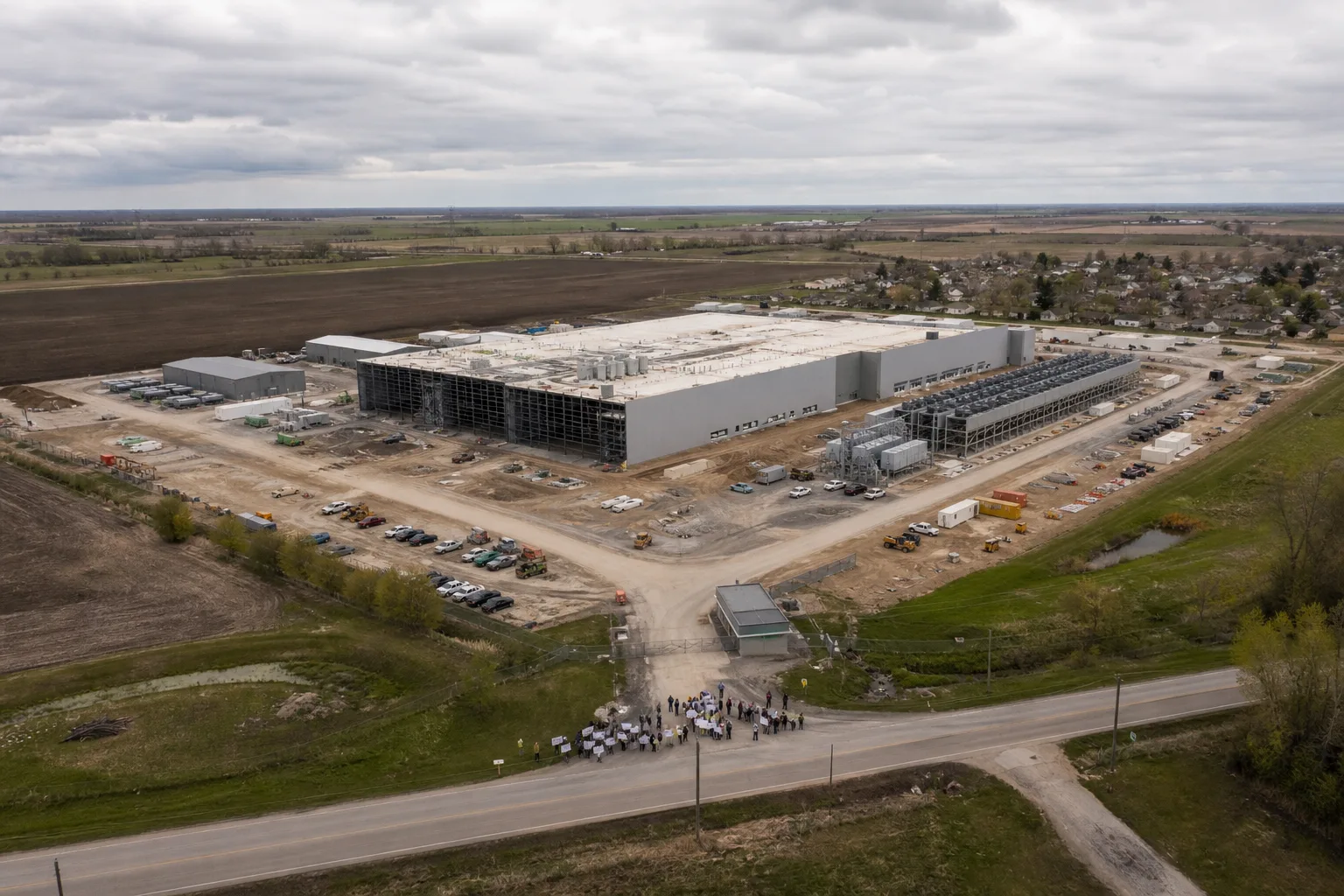
Data center protests have hit a new high-water mark. In the first three months of 2026, activist groups and local residents disrupted 75 data center projects across the United States — projects with a combined value of $130 billion. That figure doesn’t just set a quarterly record. It matches the total disruption count for the entire year of 2025. The message from communities is getting louder, and the tech industry is starting to realize it can’t simply bulldoze its way to the exaflops it needs.
- Data center protests disrupted 75 projects worth $130 billion in Q1 2026 alone, matching the entire previous year.
- Data center protests have now spread to grassroots groups in 49 U.S. states, according to the Data Center Watch report.
- A Heatmap Pro poll found the majority of Americans would strongly oppose a data center being built near their home.
- Fourteen statewide legislative measures targeting data centers were introduced in the first three months of 2026.
Table of Contents
The Numbers Behind the Backlash
The figures come from Data Center Watch, a tracking project run by 10a Labs, an AI research and red-teaming firm. Despite the name sounding like it belongs to the opposition, Data Center Watch is an analytical effort — cataloguing where grassroots resistance is gaining traction, which projects are being delayed or cancelled, and how legislative sentiment is shifting at the state level.
NBC News described Q1 2026 as ‘the most disruptive three-month period since the group began tracking in 2023.’ That’s a striking milestone when you consider how dramatically data center construction accelerated over the past two years, fuelled by surging demand from AI workloads, cloud computing, and the broader digitisation of everything from healthcare to financial services. The industry wasn’t expecting the backyards to fight back quite this effectively.
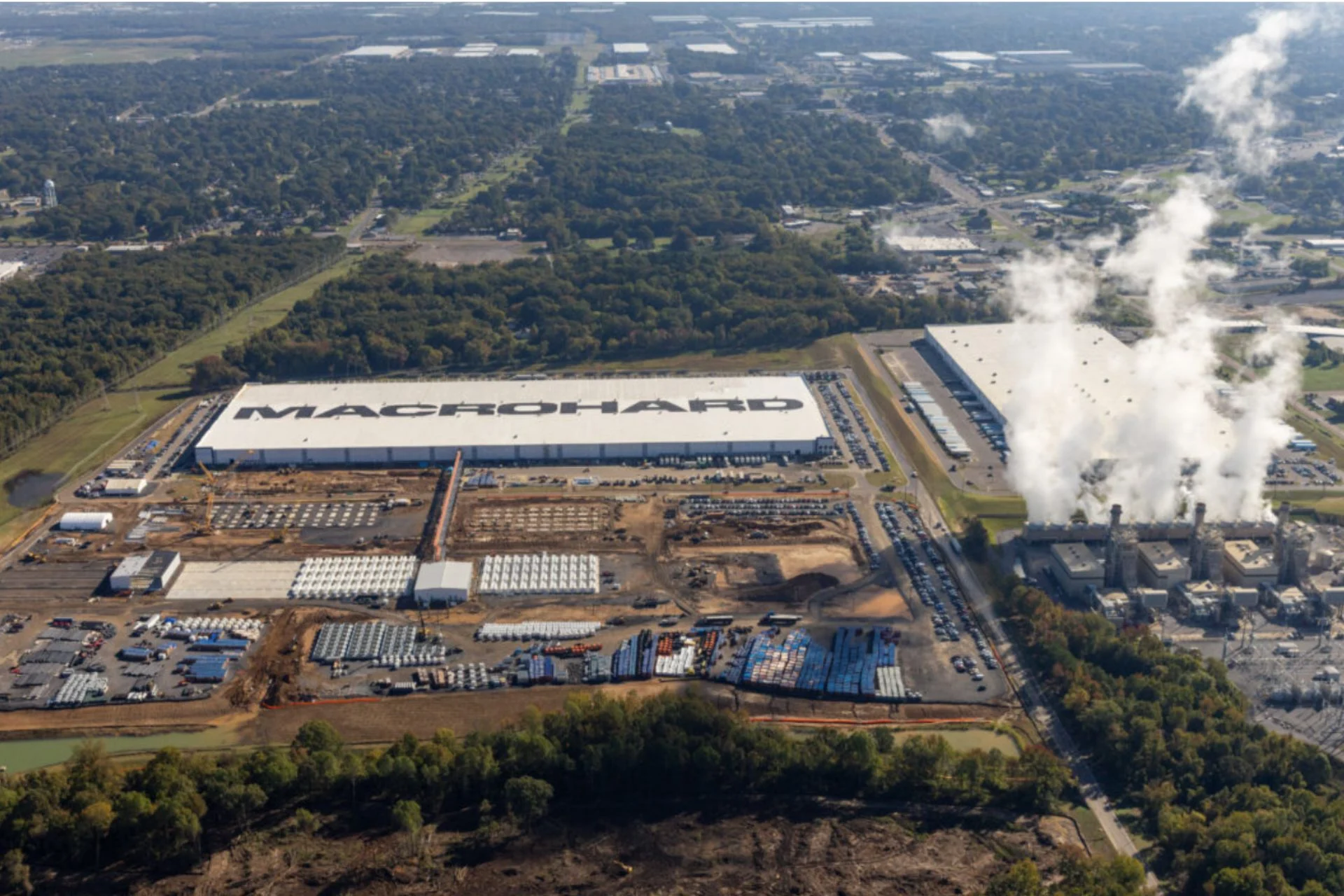
What makes the $130 billion figure particularly striking is the sheer range of projects it covers. These aren’t all hyperscale campuses proposed by the Metas and Googles of the world — though plenty of those are included. Many are mid-sized facilities proposed by colocation providers, wholesale operators, and regional cloud firms that assumed a lower public profile would mean less scrutiny. They were wrong. Data center protests have proven just as capable of derailing smaller, lower-profile proposals as they have the headline-grabbing hyperscale announcements.
Data Center Protests Are Now Everywhere — Literally
One of the starkest details in the Data Center Watch report is geographic: anti-data center grassroots groups now exist in 49 U.S. states. That’s not a coastal, blue-state, NIMBY phenomenon. It’s a national one. Communities in the rural Midwest and the Deep South, regions that once competed aggressively to attract tech investment with generous tax incentives, are now organizing against the same facilities they used to court.
The reasons vary by location. In the arid Southwest, the primary objection is water — modern hyperscale data centers can consume millions of gallons per day for cooling. In the Mid-Atlantic and Southeast, where transmission infrastructure is already stretched, the fight is often about grid stability and power costs. In quieter suburban and rural communities, it’s frequently about noise, visual impact, and the sense that a massive industrial facility is being dropped into a neighbourhood without meaningful consultation. Data center protests in these quieter markets have caught many operators completely off guard.
Data center protests have also become more tactically sophisticated. Early opposition tended to be reactive — residents showing up at planning commission meetings to object after permits had already been filed. Increasingly, groups are intervening earlier in the process, lobbying state legislators before site selection is finalized, and coordinating across state lines to share legal strategies and talking points.
The Legislative Pressure Is Building Fast
Grassroots organizing rarely stays grassroots for long when it reaches 49 states. Fourteen statewide legislative measures targeting data center construction were introduced in the first three months of 2026 alone. That’s an extraordinary pace, and it signals that elected officials in both parties are reading the same polling data. Data center protests have effectively handed legislators a ready-made constituency to respond to.
Maine offered the most instructive case study so far. The state legislature passed a moratorium on large-scale data center construction — a significant victory for opponents — only for it to be struck down by its governor. The veto wasn’t a clean win for the industry, though. The governor made clear she’d sign a revised version of the bill, suggesting the question in Maine isn’t whether to regulate data centers more aggressively, but how. That’s a meaningful distinction. The industry shifted from ‘no regulation’ to ‘negotiating the terms of regulation’ without fully acknowledging the transition.
If even a handful of the remaining 13 measures introduced this quarter advance to passage, the legal and operational landscape for data center development in the U.S. changes substantially. Operators who’ve spent years optimizing for rapid permitting and construction timelines will need to budget significant time and capital for community engagement, environmental review, and legislative compliance — costs that don’t show up neatly in the pro forma models being pitched to institutional investors right now.
What the Public Actually Thinks
A recent survey from Heatmap Pro put hard numbers to the shift in public opinion. The majority of Americans said they’d ‘strongly’ oppose a data center being built in their home community — a notably sharper result than a similar poll conducted nine months earlier, which found the country essentially split down the middle. Opinion hasn’t just shifted; it’s hardened.
That nine-month timeline is worth sitting with. The AI investment boom has been accompanied by near-constant coverage of data center expansion plans — trillion-dollar commitments from Microsoft, Google, Amazon, and Meta, emergency grid upgrades, water rights disputes, and a seemingly endless stream of announcements about new campuses in Virginia, Texas, Iowa, and Arizona. Public awareness of what data centers actually are, and what they cost local communities, has risen dramatically as a result. Data center protests have both reflected and accelerated that awareness — each new campaign generating local news coverage that educates the next community down the road. The industry’s ambitions have become visible in a way they simply weren’t three years ago.

Is the Backlash Overblown?
Not everyone thinks the opposition is justified. Elias Wachtel, an assistant editor at The Atlantic, published a contrarian take arguing that the wave of data center panic is ‘overblown.’ His piece contends that critics tend to inflate the costs while ignoring the genuine economic and infrastructure benefits that well-sited data centers can deliver to local economies — jobs, tax revenues, improved connectivity.
‘If saying no is good politics, it isn’t always good policy,’ Wachtel wrote. It’s a fair challenge to communities reflexively opposing every proposal. Some of the opposition really is driven by misinformation about health impacts or wildly exaggerated water consumption figures. And not every data center is a resource-hungry hyperscale monster — smaller edge facilities often have a far lighter footprint than the public debate suggests.
But The Atlantic publishing a contrarian defence of data centers is, paradoxically, evidence of how mainstream the opposition has become. You don’t need a contrarian essay pushing back against a fringe concern. The fact that a general-interest magazine felt the piece was timely and necessary says something about where the cultural conversation has landed.
The more telling dynamic is that data center protests are winning. Seventy-five projects in a single quarter — many of them representing years of site selection, permitting, and capital allocation — don’t get disrupted by a fringe movement. They get disrupted by a broad coalition of people with legitimate concerns who’ve figured out how to translate those concerns into effective political and legal action. Data center protests, taken together, represent a structural shift in how communities relate to tech infrastructure — not a passing moment of public anxiety. The tech industry built its AI ambitions on the assumption that infrastructure deployment would be a logistics problem, not a political one. That assumption is looking increasingly expensive.
Frequently Asked Questions
How many data center protests occurred in Q1 2026?
Data center protests and grassroots disruptions affected 75 projects in the first quarter of 2026, according to Data Center Watch. Those projects had a combined value of $130 billion — the highest count recorded in any single three-month period since tracking began in 2023.
What is Data Center Watch and who runs it?
Data Center Watch is a project run by 10a Labs, an AI research and red-teaming firm. It tracks grassroots opposition and activism targeting data center construction across the United States, and has been publishing reports since 2023.
Are any U.S. states moving to ban or restrict data center construction?
Several states are advancing legislation. Maine introduced a moratorium bill, though its governor struck it down while signalling she’d sign a slightly altered version. Fourteen statewide measures were introduced in Q1 2026, and anti-data center groups now exist in 49 states.
Why are communities opposing data centers?
The source does not detail specific community objections, but notes growing grassroots opposition across the country. A recent poll found that a majority of Americans would strongly oppose a data center being built in their home.

