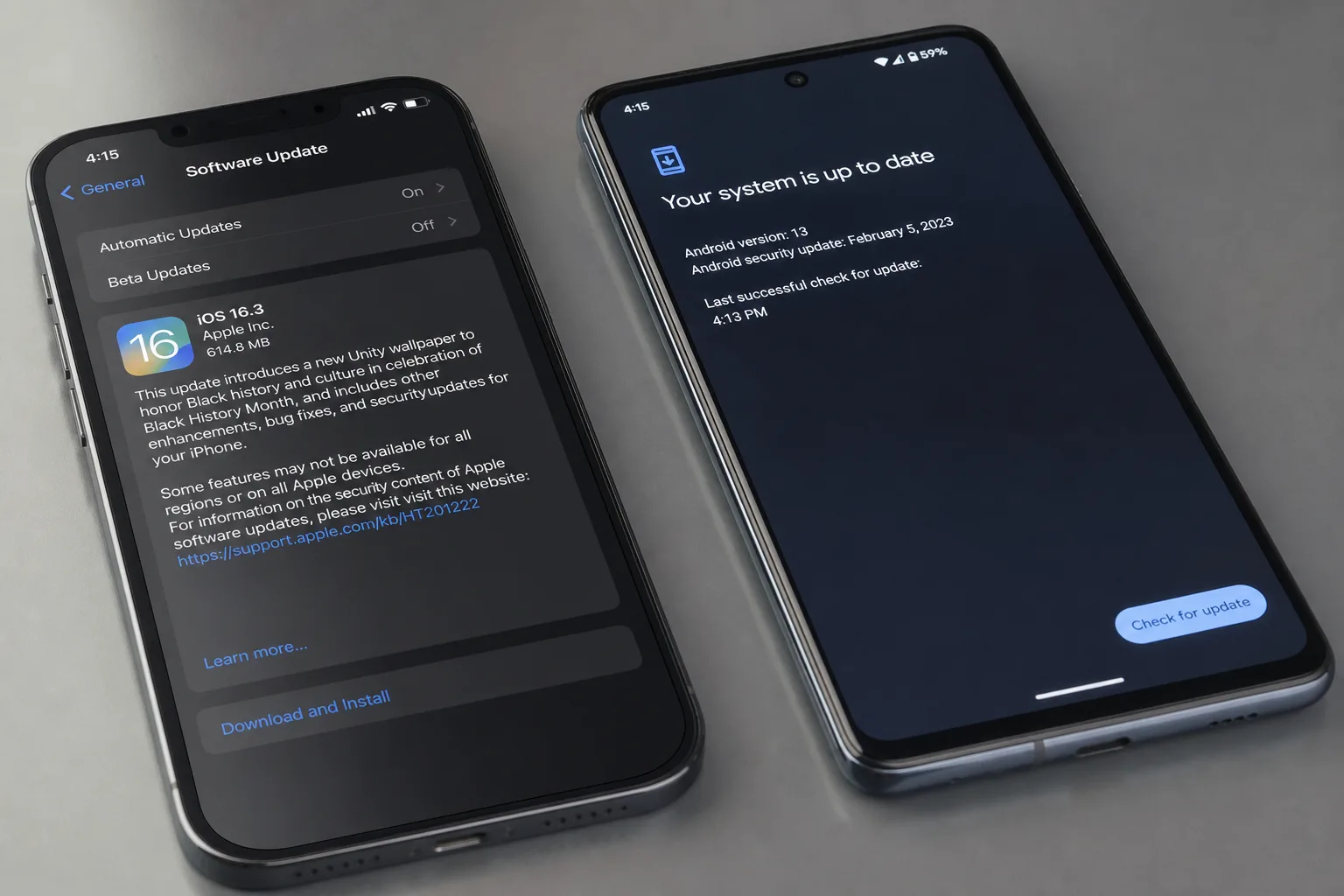
- iOS 27 stability is Apple’s top priority this cycle, with major performance and bug-fix work baked into the release.
- iOS 27 stability improvements already breathed new life into a 2020 iPad Pro that felt nearly unusable on iPadOS 26.
- Google Pixel users continue to face random reboots, battery drain bugs, and Android Auto disconnections with no clear fix in sight.
- A dedicated Pixel Drop or QPR update focused purely on bug fixes could close the gap — if Google chooses to prioritise it.
Table of Contents
iOS 27 Stability Is the Update Apple Needed to Ship
Apple doesn’t often admit its software has fallen short. So when Apple reportedly made clear that iOS 27 stability — not flashy new features — would be the centrepiece of this year’s update cycle, it was a remarkable moment of institutional honesty. The message was clear: iOS 26 was rough, and Apple knows it.
That admission matters beyond Apple’s own ecosystem. For Android users — and Pixel owners in particular — it raises an uncomfortable question: why can’t Google do the same thing?
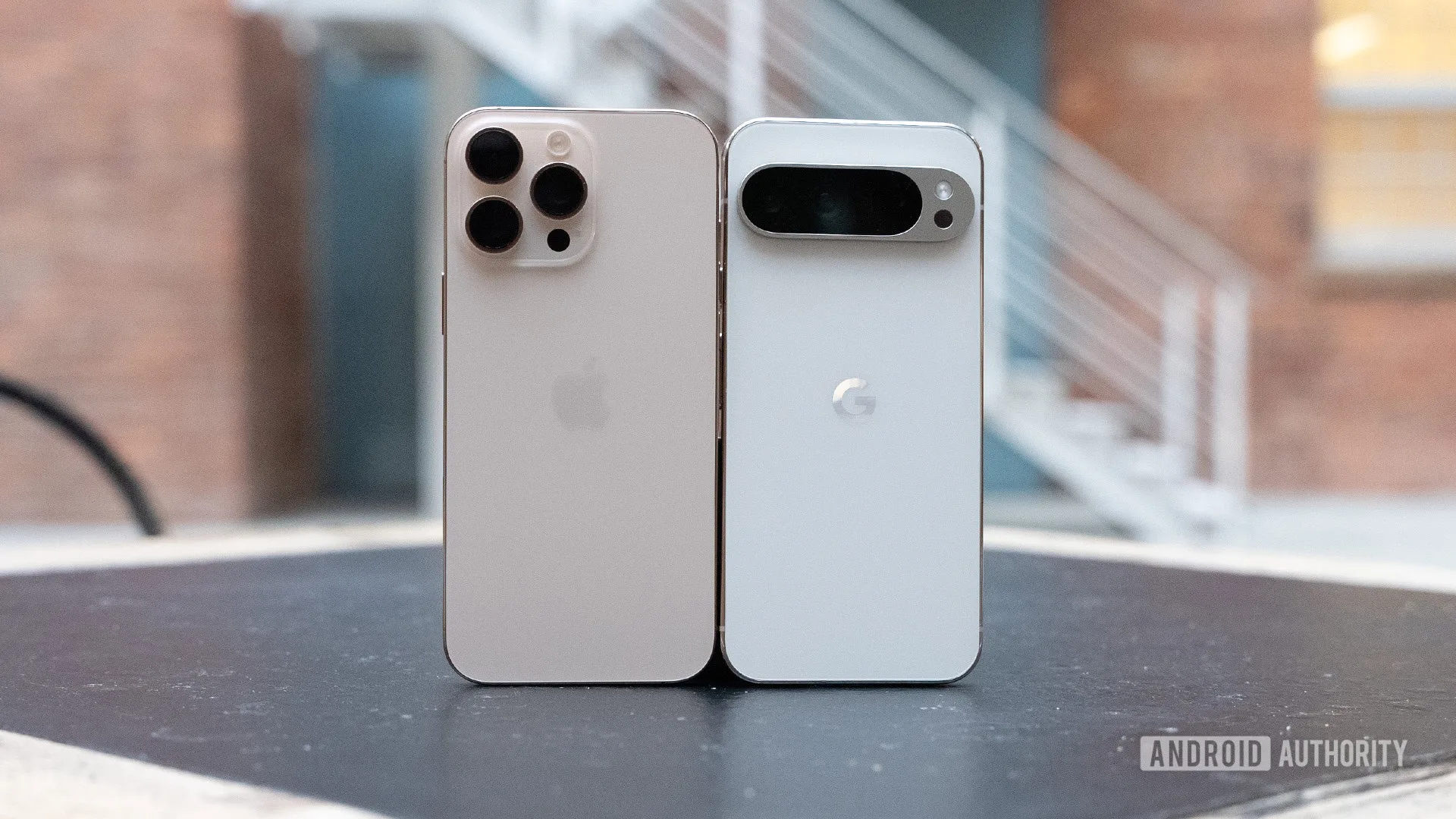
The irony here is sharp. iOS 26 was, by most accounts, one of Apple’s messier software years in recent memory. Devices that should’ve handled the update comfortably were crashing and slowing down almost constantly. A 2020 iPad Pro, which should be nowhere near end-of-life in terms of raw capability, reportedly became nearly unusable after the upgrade — sluggish, crash-prone, and frustrating to use day-to-day. That’s a damning result for a platform that has long prided itself on the tight integration between hardware and software.
But Apple’s response — an entire update cycle built around fixing what was broken — is exactly the kind of institutional accountability that Android desperately lacks right now. The focus on iOS 27 stability signals a platform-wide recommitment to reliability that users on both sides of the aisle should pay attention to.
What iOS 27 Stability Actually Delivers
It’s still early. The iOS 27 and iPadOS 27 betas have only just landed for developers and public testers, so no one should be drawing sweeping conclusions from a few hours of use. That said, early impressions from people running the beta on older hardware are striking. That same 2020 iPad Pro that felt awful on iPadOS 26.5 is already being described as feeling “brand new” after installing the iPadOS 27 beta — snappier, more responsive, and noticeably more stable.
That kind of turnaround from a single beta build tells you something about how seriously Apple has approached the optimisation work this time. iOS 27 stability isn’t a token gesture — a few crash fixes buried in a changelog. Apple has apparently restructured its engineering priorities for an entire release cycle around the principle that a fast, reliable experience matters more than a longer feature list.
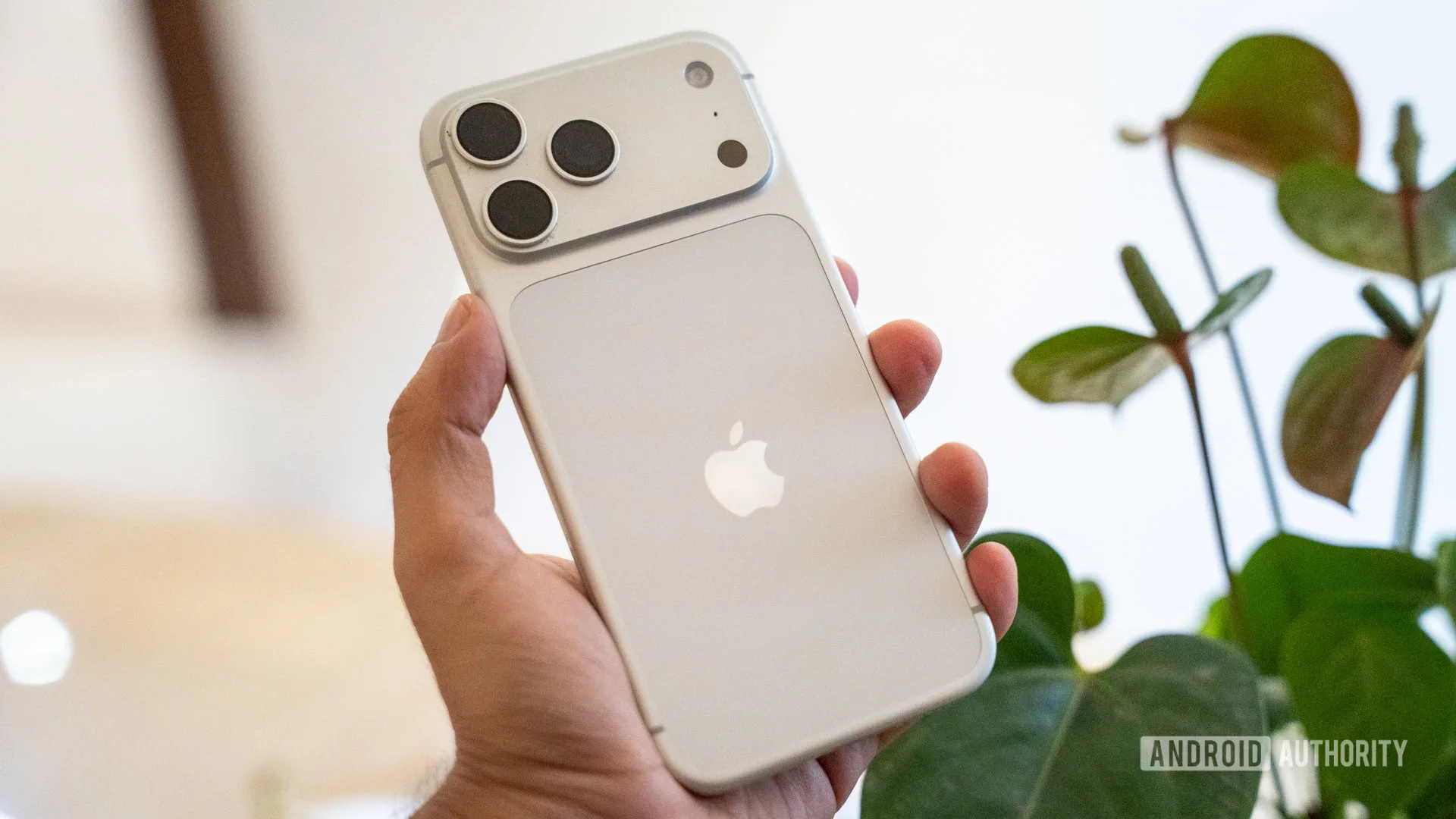
iOS 27 does still bring new capabilities, particularly in Apple Intelligence, the company’s on-device AI suite that has been expanding steadily. But the AI features feel like a side dish this year. The main course is a platform that actually works reliably — and for a lot of users, that’s worth far more than any new widget or writing tool.
You can read more about Apple’s official developer release notes as the beta programme progresses, but the direction of travel is already evident from the initial beta drop.
Google Pixel’s Bug Problem Isn’t New — It’s Just Never Been Fixed
Here’s where this gets uncomfortable for Android fans. The Pixel 10 Pro, Google’s current flagship, is experiencing random reboots in the middle of active tasks — sometimes several times a week — even after a full factory reset, and regardless of whether the device is on a beta or stable build. That’s not a minor annoyance. A phone that reboots itself unprompted is fundamentally unreliable, and that’s before you layer in the battery drain bug that has been hammering Pixel 10 Pro users for over a month, the near-constant Android Auto disconnections that have been a problem since January, and a lock screen that can sometimes take more than 15 seconds to wake from always-on display mode.
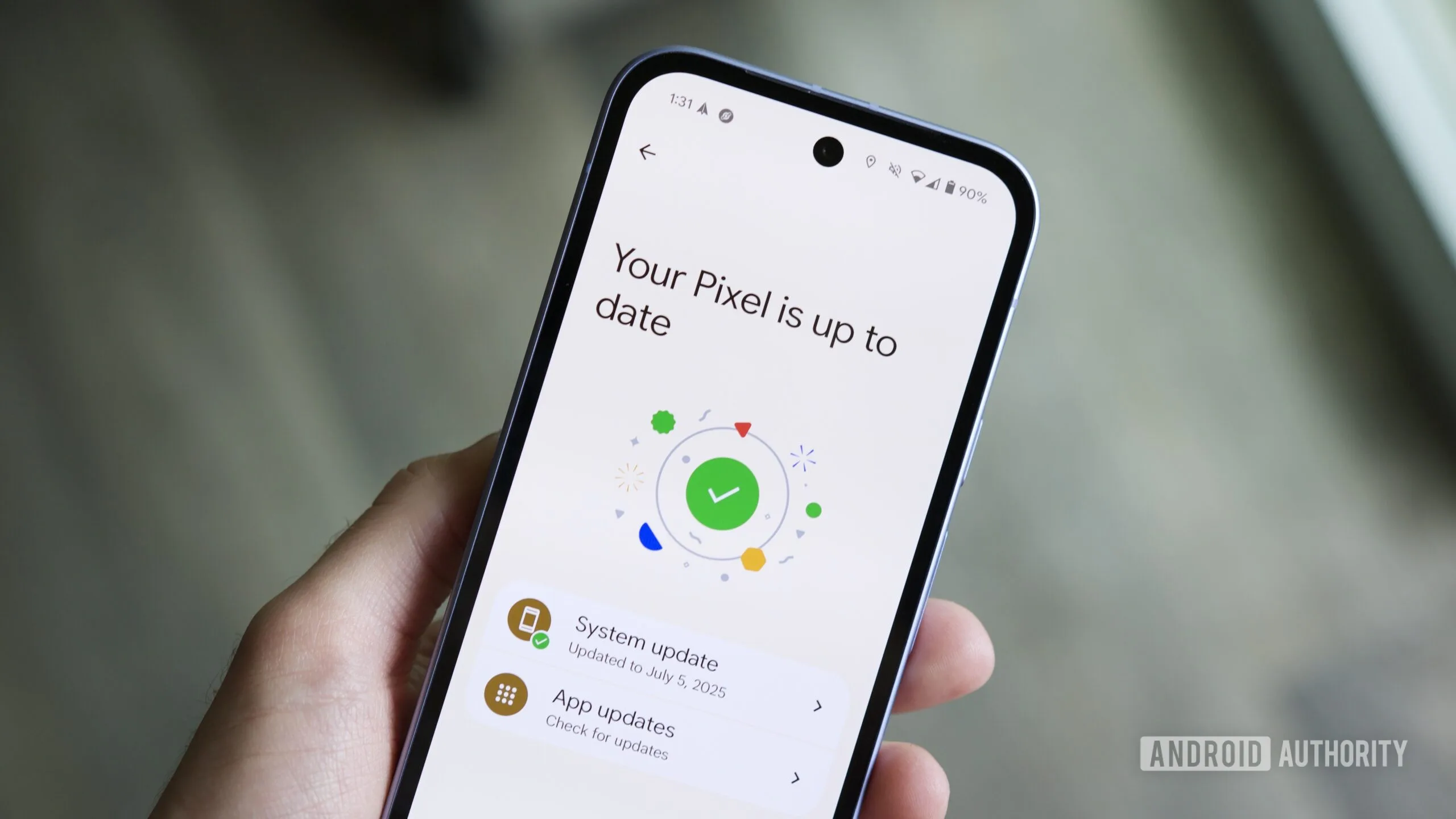
What’s most damaging isn’t any single bug — it’s the pattern. Several of these issues, including random reboots and lock screen glitches, aren’t new to the Pixel 10. They’ve been reported across multiple Pixel generations over multiple years. The fact that they’re still appearing in Google’s 2025 flagship suggests something deeper than a missed bug in a changelog. It suggests a structural reluctance — or inability — to prioritise stability over shipping new features. Contrast that with the deliberate, documented push for iOS 27 stability, and the difference in approach becomes impossible to ignore.
And that’s particularly baffling given that Pixel phones are Google’s own hardware. Unlike Samsung or OnePlus, which have to work around Android’s generic build, Google has complete control over the entire software stack on Pixel devices. If anyone should be able to deliver a perfectly tuned Android experience, it’s Google on its own phone. The fact that it can’t — or doesn’t — is one of the platform’s most persistent frustrations.
Android Needs Its Own Stability-First Moment
To be fair to Apple, the reason iOS 27 stability has to be such a focus is that Apple created the problem in the first place. iOS 26’s rocky rollout is what made this kind of reset necessary. In a world where every software release shipped in a clean, stable state, there’d be no need for an entire cycle of remediation. The ideal version of events is that you never get to a point where you need an iOS 27-style recovery update at all.
But we don’t live in that world, and the more relevant observation is what happens after things go wrong. Apple’s answer, at least for this cycle, has been to pull back, fix the foundations, and prioritise the experience over the feature count. That discipline — whatever caused it — is genuinely worth acknowledging. iOS 27 stability represents exactly the kind of reset that earns back user confidence after a difficult year.
Google doesn’t need to ship a whole new Android version to do something similar. The QPR update structure already exists: quarterly platform releases that sit between major Android versions and can carry meaningful fixes. Pixel Drops — the regular monthly feature updates Google ships to its own devices — are another vehicle. Either one could, in theory, be used to deliver a focused round of stability and performance work without waiting for Android 16 or 17 to arrive. A single Pixel Drop that kills the reboot bug, addresses the battery drain, and sorts out the Android Auto disconnections would do more for user confidence in the platform than almost any new AI feature Google could announce.
The real question is whether Google sees the value in that. The company’s culture has historically skewed hard toward feature launches and product announcements — the things that generate press coverage and drive hardware sales. Stability work is unglamorous. Nobody writes enthusiastic articles about a phone that didn’t reboot today. But user trust is built in exactly those quiet moments, and right now, Apple is doing a better job of earning it — even if it took a bad year of its own to get there.
Frequently Asked Questions
What does iOS 27 stability actually mean for older Apple devices?
iOS 27 is specifically engineered to improve performance and fix long-standing bugs rather than just add features. Early beta users report that devices like the 2020 iPad Pro, which felt sluggish and crash-prone on iPadOS 26, already feel significantly faster and more responsive on the iPadOS 27 beta.
Does Google have an equivalent to iOS 27 stability updates for Pixel phones?
Google offers QPR (Quarterly Platform Release) updates and periodic Pixel Drops that can include bug fixes. However, no dedicated stability-focused update cycle equivalent to what Apple is doing with iOS 27 currently exists for Pixel devices, leaving persistent issues like random reboots unresolved for extended periods.
Why was iOS 26 considered a problematic release?
iOS 26 and most of Apple’s software updates from the prior year shipped in a state that required considerable patching before becoming reliably usable. Devices like the 2020 iPad Pro experienced frequent crashes and severe slowdowns, making iOS 27’s stability-first approach both necessary and overdue.
Are Pixel 10 Pro random reboots a known issue?
Yes. The Pixel 10 Pro has been reported to randomly reboot mid-task, at least once every few days, even after a factory reset and regardless of whether the device is running a beta or stable build. Similar reboot issues have reportedly affected Pixel phones across multiple generations.