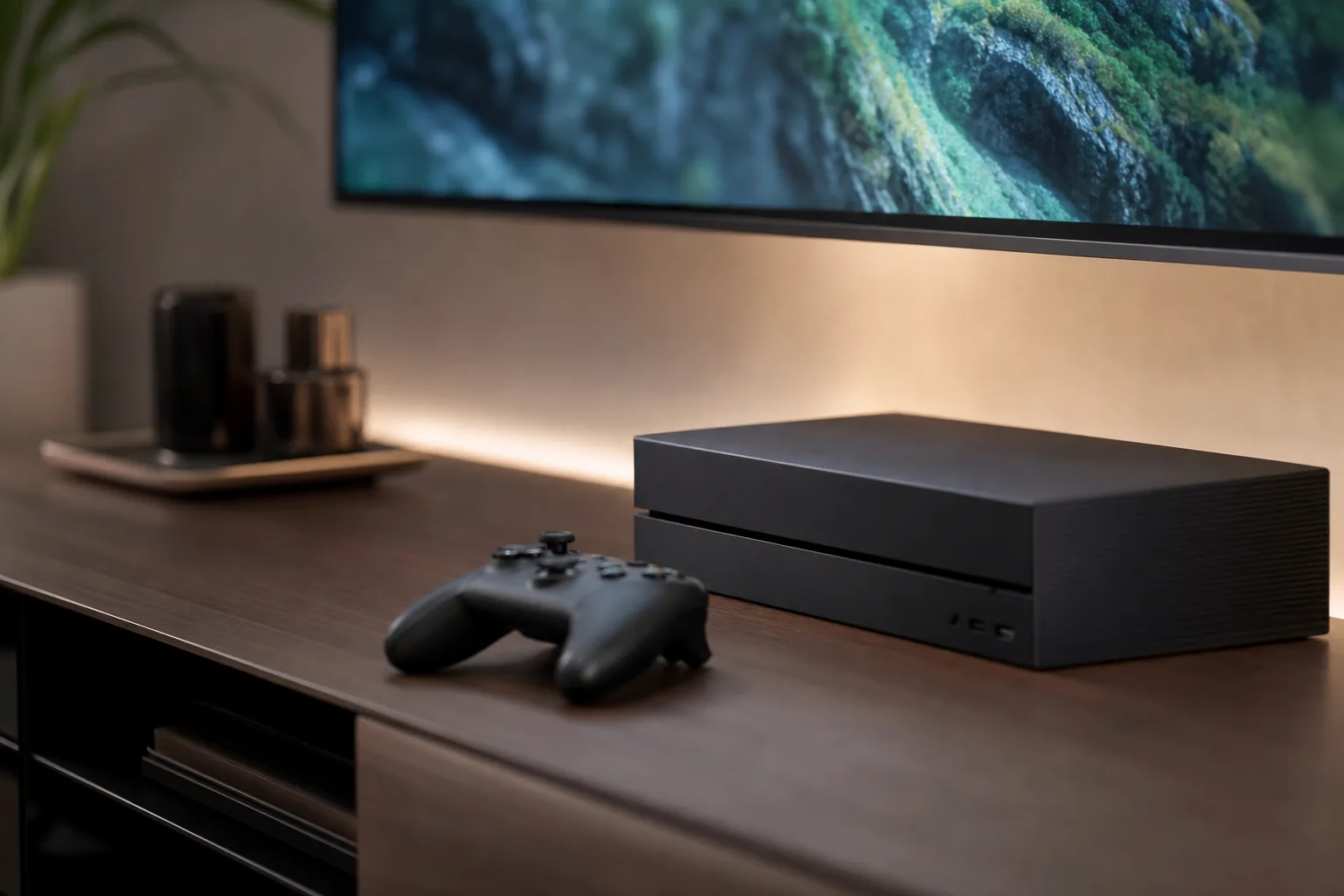
- Valve confirmed the Steam Machine is launching summer 2026, though no pricing details have been shared yet.
- The Steam Machine will be included in Valve’s Verified program, similar to how it works for the Steam Deck.
- A global memory shortage has already pushed up console prices industry-wide, adding uncertainty to Valve’s launch.
- The $99 Steam Controller is already on sale, giving buyers a taste of what Valve’s new hardware ecosystem feels like.
Table of Contents
Steam Machine Gets a Summer 2026 Launch Window
Valve has finally put a date — well, a season — on one of the most anticipated hardware releases in its history. The Steam Machine and its companion device, the Steam Frame, are officially scheduled to arrive in summer 2026, the company confirmed in a blog post this week. Characteristically, Valve buried the headline inside a developer-facing post about game certification standards, rather than leading with it. That’s very Valve. The announcement carries real weight, but the one thing everyone actually wants to know — what these things will cost — remains stubbornly unanswered.
What the Verified Program Means for Steam Machine Buyers
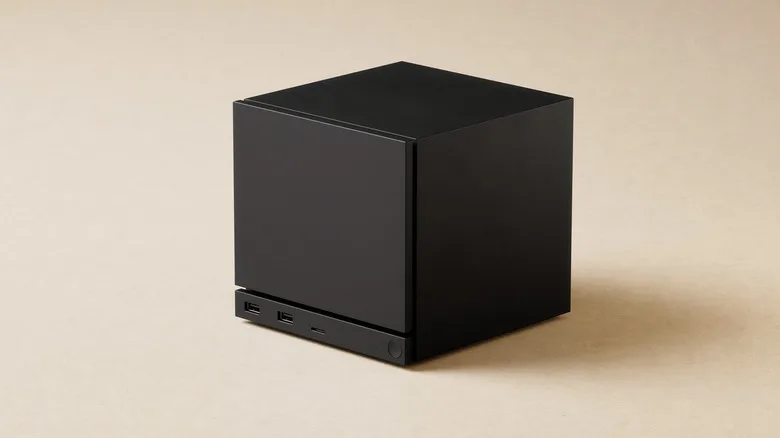
The main thrust of Valve’s post was about bringing the Steam Machine into its existing Verified program, the same certification framework it launched alongside the Steam Deck. If you’ve used a Steam Deck, you’ll be familiar with how this works: games get tested and stamped with a rating that tells you exactly how well they’ll run on the hardware before you buy. It’s a genuinely useful system, and extending it to new devices makes sense.
For the Steam Machine, Valve says the requirements for earning a Verified badge are almost identical to those already in place for the Steam Deck. That’s a pragmatic call. Valve’s already done the hard work of building out that testing infrastructure — applying it to a new device that shares much of the same software DNA is a natural step.
The Steam Frame gets a slightly more detailed treatment in the blog post. Valve explains that the Steam Frame Standalone Verified program, much like its Steam Deck equivalent, is focused on what customers will actually experience the moment they take the device out of the box. The criteria Valve outlines are sensible: default graphics settings need to perform well, text and UI elements need to be readable on the built-in display, and the default controller configuration has to work properly with the Steam Frame Controllers. Crucially, those standards apply to both VR and non-VR titles — which signals that Valve is serious about making the Steam Frame a platform for both, not just a VR headset that tolerates flat games as an afterthought.
The Memory Shortage Problem Nobody Can Ignore
Here’s where things get complicated. Valve isn’t launching this hardware into a friendly market. A global memory shortage has sent the cost of gaming hardware spiralling throughout 2026, and nobody’s been immune. Xbox, Sony, and Valve have all raised prices on existing products this year — in some cases by hundreds of dollars. Valve itself hiked the Steam Deck by as much as $300, which is a significant jump for a handheld that was already positioned as a premium product.
Nintendo is reportedly preparing similar price increases for the Switch 2. The broader picture isn’t pretty: the hardware industry is navigating a supply crunch with no clear resolution timeline, and that makes announcing prices for new products a particularly tricky exercise. If Valve names a number now and the memory market shifts before summer, they could be looking at either eating a loss or walking back a public commitment. Staying quiet on price for as long as possible is probably the smartest commercial play available to them right now — even if it’s frustrating for consumers trying to plan ahead.
This also raises a legitimate question about positioning. The Steam Machine‘s appeal has always hinged on offering PC-grade gaming flexibility at a console-like price point. If the memory shortage forces Valve into a price that puts it level with or above a mid-range gaming PC, the value proposition starts to erode. It’s a genuine challenge, not just a PR problem.
The Steam Controller Is Already Out — And It’s a Good Sign
While buyers wait on the bigger hardware, one piece of Valve’s new ecosystem is already available. The Steam Controller launched on May 4 and retails for $99. That’s a fair price for what it is: a thoughtfully designed peripheral with touchpads that sets it apart from standard console controllers. It’s not designed to run games — it’s an input device — but it’s an early indicator of how Valve is approaching quality and pricing for this new hardware generation. So far, so reasonable.
The Controller’s arrival also means developers and early adopters can start building familiarity with Valve’s input model ahead of the bigger launches. By the time the Steam Machine ships, there should be a small but growing base of users who already know how the control scheme feels. That’s a smart way to seed a new platform.
Steam Store Gets a Long-Overdue Refresh
Alongside the hardware news, Valve also pushed out a visual overhaul of the Steam Store homepage. The update brings wider, higher-resolution images, more at-a-glance game details, and the return of dedicated Wishlist and DLC sections that had been buried or missing. A new Personal Calendar surfaces game promotions tailored to your play history — a feature that sounds minor but could genuinely improve how users discover deals on games they actually care about.
The Discovery Queue, long a staple of how Steam tries to surface new games to players, can now be accessed through an overlay rather than requiring a full page load. Infinite scroll has also been switched on for the homepage. These are quality-of-life improvements, not headline features, but the Store has needed a coherent visual refresh for years. The timing isn’t accidental — with new hardware coming, Valve wants the front door of its ecosystem to look the part.
What Comes Next for Valve’s Hardware Push
The summer 2026 window gives Valve roughly a few months to resolve the pricing question and get retail and distribution lined up. The Steam Machine represents Valve’s most ambitious hardware play since the original Steam Deck — a genuine attempt to bring the PC gaming library into the living room in a form factor that doesn’t require users to build or configure anything. That vision is compelling. The execution, particularly given the hostile cost environment, is what’s still unproven.
If Valve can hit a price point that justifies the proposition and the Verified program delivers on its promise of clear game compatibility guidance, there’s a real audience here. Millions of Steam users already own vast libraries of games. Giving them a polished, couch-friendly way to access those libraries — without the complexity of a gaming PC setup — is a problem worth solving. Whether the Steam Machine actually solves it won’t be clear until we see the price tag and the hardware side by side.