

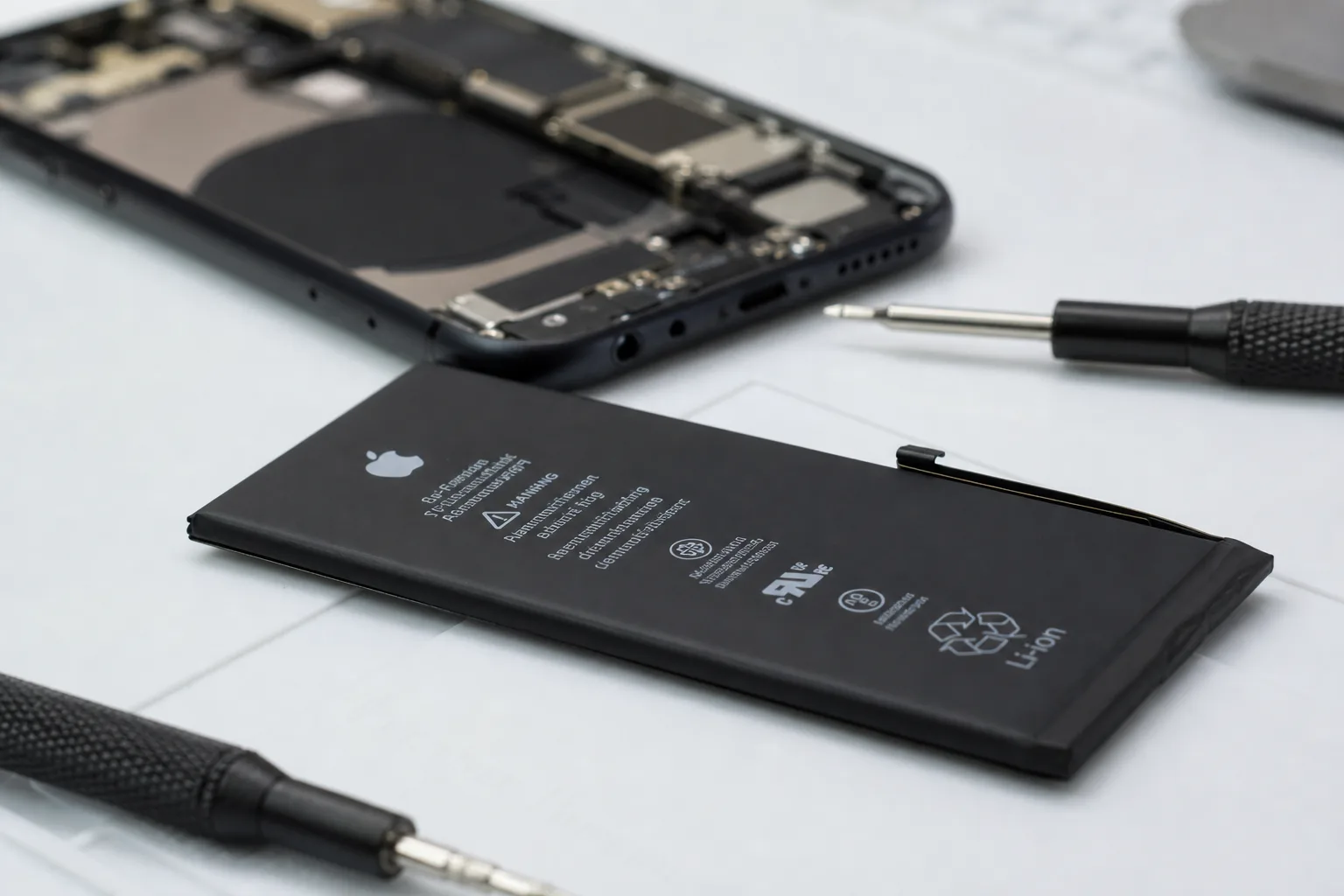
- The iPhone 18 Pro battery capacity is reportedly 4,288mAh in the US — a far cry from last year’s 19% jump.
- iPhone 18 Pro battery growth looks modest at around 7%, based on the latest supply chain data from Digital Chat Station.
- The A20 Pro chip, built on TSMC’s 2nm process, could offset the smaller capacity gain through improved efficiency.
- The iPhone 18 Pro Max is still on track for a massive leap, potentially reaching 5,200mAh in some markets.
Table of Contents
iPhone 18 Pro Battery Numbers Don’t Tell the Whole Story
The iPhone 18 Pro battery has been one of the more anticipated spec bumps heading into Apple’s fall 2026 lineup — but if the latest supply chain intelligence is accurate, the standard Pro model is shaping up to be a much quieter upgrade than its Max sibling. According to prolific Weibo leaker Digital Chat Station, the US version of the iPhone 18 Pro will carry a 4,288mAh cell. That’s up from 3,988mAh on the iPhone 17 Pro — a gain of roughly 300mAh, or just over 7%.
Put that next to last year’s numbers and it looks pretty underwhelming. The iPhone 17 Pro arrived with a 19% battery capacity increase over the iPhone 16 Pro — one of the more aggressive jumps Apple had made in years. Expectations, naturally, ran high. So 7% feels like a step back, even if it’s technically still progress.
That said, raw milliampere-hour figures are only part of the equation. Battery capacity tells you how big the tank is. It says nothing about how efficiently the engine burns the fuel.
The A20 Pro Chip Could Change Everything
Here’s where things get more interesting. The iPhone 18 Pro is expected to ship with Apple’s A20 Pro chip, manufactured on TSMC’s 2nm process node. That’s a meaningful step down from the 3nm-class N3E process used for the A17 Pro and the 3nm N3P that powered the A18 Pro in the iPhone 16 series. Each generational jump in process technology typically delivers meaningful gains in power efficiency — sometimes more so than outright performance.
Apple has consistently used process node transitions to squeeze more battery life out of iPhones even when physical cell size stays flat. The jump from 7nm to 5nm in the A14 Bionic was a big part of why the iPhone 12 generation held up reasonably well on battery despite relatively small cells. The move to 2nm should continue that trend, potentially delivering noticeably better all-day endurance even if the iPhone 18 Pro battery isn’t dramatically larger than its predecessor’s.
How much of a real-world difference that translates to is genuinely hard to predict before independent testing. Chip efficiency gains don’t always show up linearly in battery benchmarks — software, display power draw, and modem efficiency all play their own roles. But the direction of travel is clear, and Apple will lean hard on this story in its marketing.
The Pro Max Is a Different Story Entirely
While the standard Pro model’s iPhone 18 Pro battery story is relatively quiet, the Max variant looks set to make headlines on its own. Digital Chat Station reported back in February that the iPhone 18 Pro Max battery could reach 5,000mAh in the Chinese market version, with the international edition potentially pushing 5,100mAh to 5,200mAh. If those numbers hold, it would represent the largest battery Apple has ever shipped in an iPhone — by a significant margin.
The iPhone 17 Pro Max came with a 4,685mAh cell, which was already a record at the time. A jump to 5,200mAh would be an 11% increase on top of that — meaningful, though not quite as dramatic as the leap the standard Pro made last year. Still, pairing a battery that large with a 2nm chip optimised for efficiency could make the Pro Max genuinely exceptional in real-world longevity terms.
This kind of differentiation between the Pro and Pro Max lineups isn’t new — Apple has leaned into it more aggressively since the iPhone 14 generation, when the Max started gaining screen and camera features the smaller Pro didn’t get. Battery is now another clear dimension of that split. For users who want the best battery life Apple offers, the Max is becoming an increasingly obvious choice.
Why Regional Battery Differences Still Exist
One detail that’s easy to gloss over but worth understanding: the numbers quoted for China and the US markets are different, and that’s not a mistake. Chinese regulations have historically governed how battery capacities are reported and tested, which can result in different physical cell sizes being used across regional variants. The US version of the iPhone 18 Pro at 4,288mAh sits above the 4,056mAh China figure — a gap that reflects these certification and testing differences rather than Apple shipping a meaningfully worse phone to one market.
This regional variance has shown up in teardowns and regulatory filings for several iPhone generations now. It’s a somewhat arcane aspect of Apple’s supply chain that rarely gets attention outside of enthusiast circles, but it’s a useful reminder that specs listed in leaks don’t always map 1:1 to a single universal product.
What to Actually Expect From iPhone 18 Pro Battery Life
The honest answer is: we don’t know yet. And anyone who tells you they do is getting ahead of the evidence. Supply chain data on capacity is one input. Real-world battery life depends on Apple’s software tuning, the efficiency of the A20 Pro’s neural engine and modem, display power consumption at various brightness levels, and a dozen other variables that won’t be testable until review units land.
What we can say is that Apple has a strong recent track record on battery life improvements — the iPhone 16 Pro Max and 17 Pro Max both scored well in independent endurance testing despite incremental hardware changes in some areas. The company has also been steadily improving its low-power modes and background management across iOS. If those trends continue through iOS 19, the iPhone 18 Pro battery situation may look more comfortable in practice than the headline mAh numbers suggest.
The bigger picture here is that Apple seems to be pursuing a two-track strategy: give the Pro Max buyers a genuinely record-breaking battery, while keeping the standard Pro at a thinner profile where physical constraints may limit how large a cell can be fitted. That’s a deliberate product decision, not an oversight. Whether it’s the right call depends on how much you value size versus stamina — and that tradeoff is only going to become more pointed as competitors like Samsung and Google push larger batteries into their own flagship lines.

