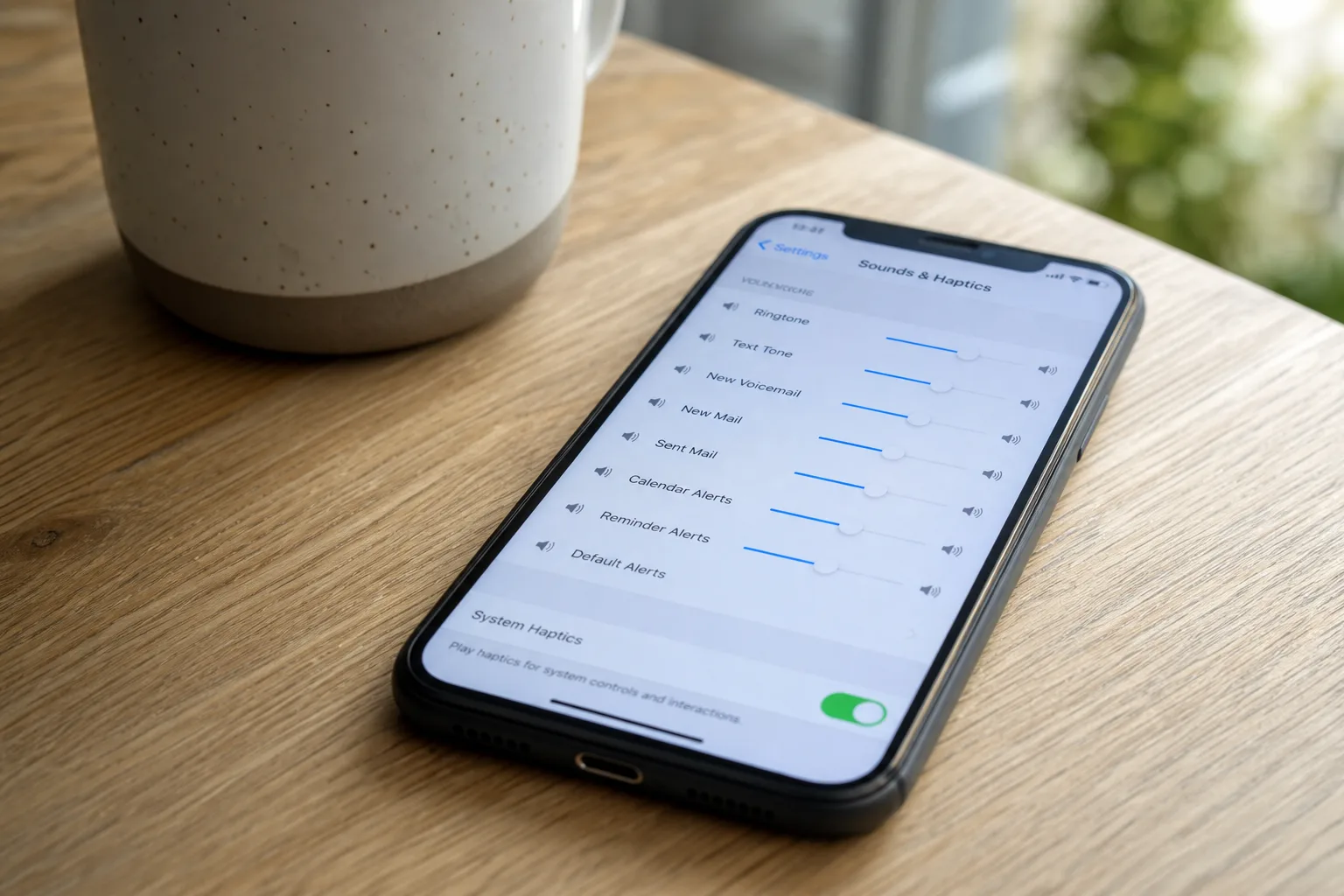
Apple spent the better part of WWDC 2026 talking about artificial intelligence. There was Apple Intelligence, an updated Siri, a new ‘Reframe’ tool baked into Photos, and the usual parade of software refinements dressed up as breakthroughs. But quietly, buried in the Settings app without so much as a slide on the keynote stage, iOS 27 independent volume controls finally arrived — and the tech world’s reaction has been equal parts relief and gentle ridicule.
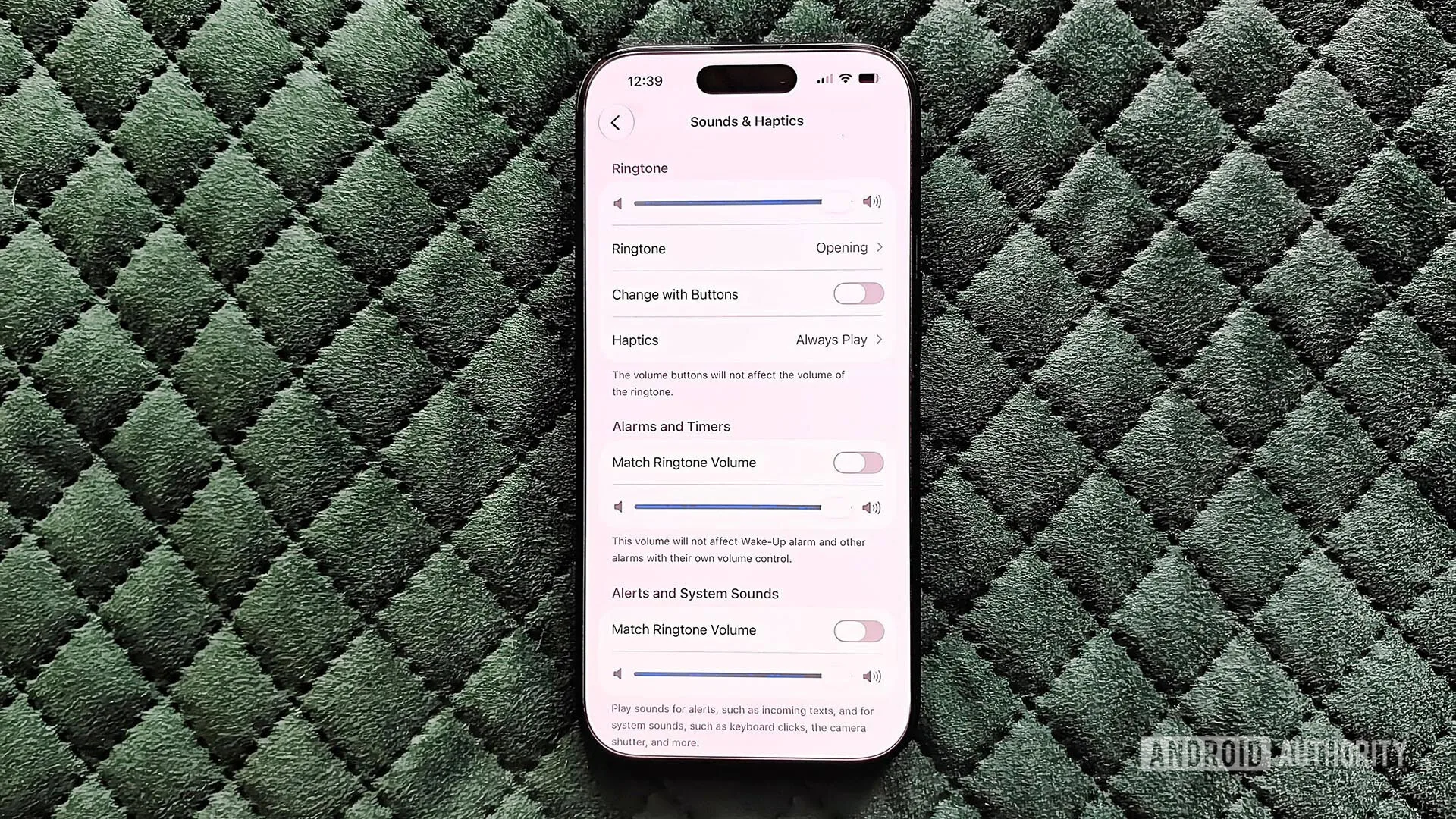
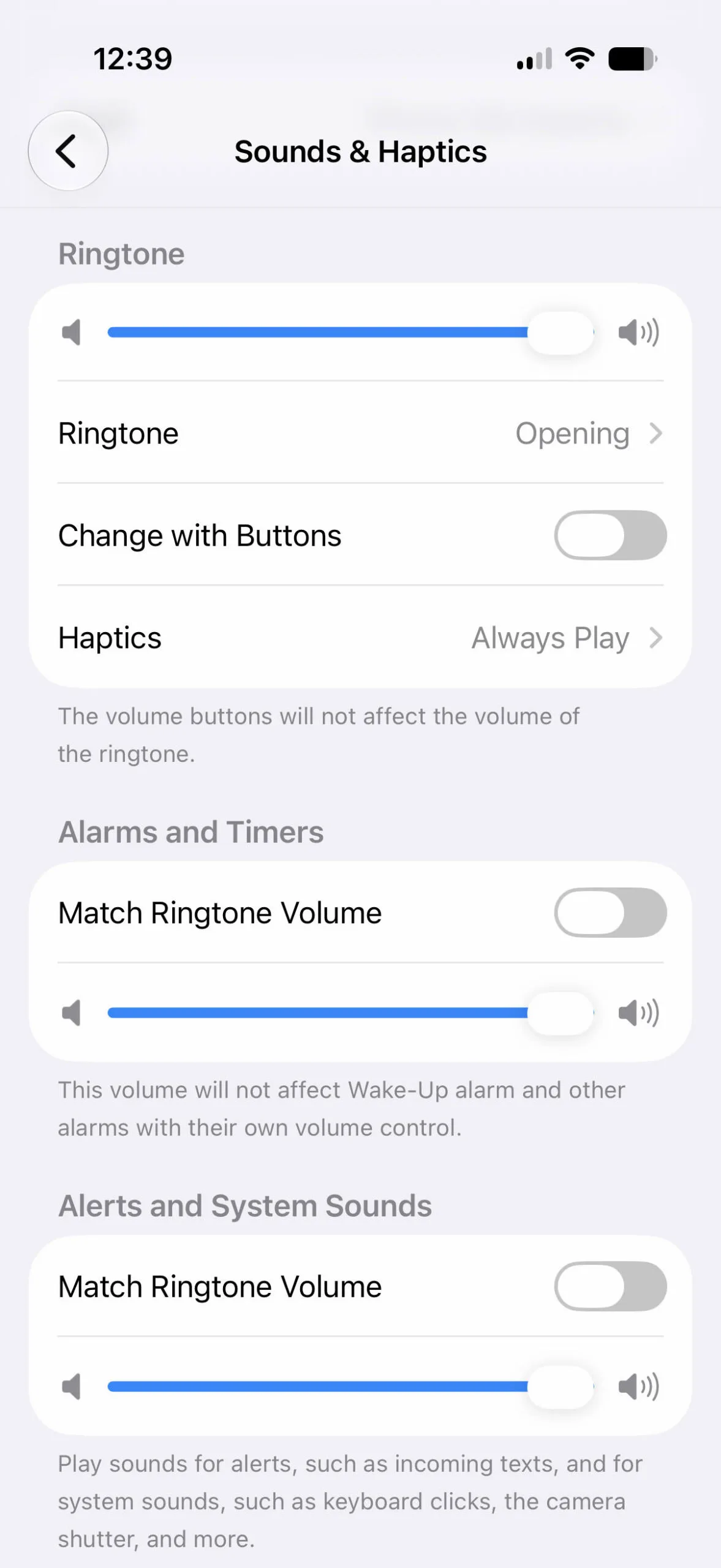
- iOS 27 independent volume controls let iPhone users separately adjust ringtone, alarm, and alert levels for the first time.
- The iOS 27 independent volume controls feature was never mentioned during Apple’s WWDC 2026 keynote — it quietly appeared in Settings.
- Android has offered granular volume control for so long that many users will find Apple’s announcement difficult to take seriously.
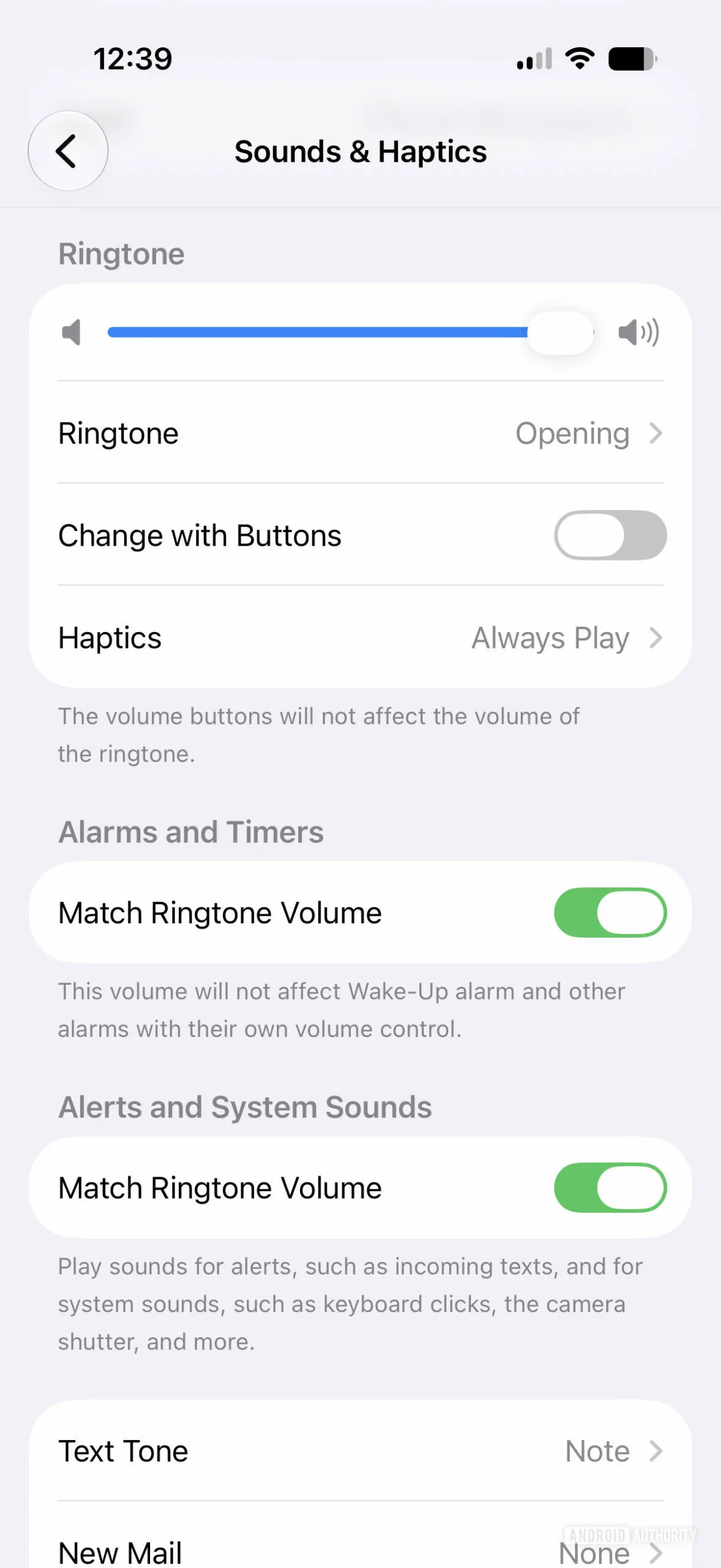
- A ‘Match Ringtone Volume’ toggle lets users revert to a single slider if they prefer the old behaviour.
Table of Contents
What iOS 27 Independent Volume Controls Actually Do
For the entirety of iPhone’s history, a single physical side button and a single on-screen slider have governed every sound your phone makes. Turn it down and your alarm becomes a whisper. Turn it up for your morning playlist and your ringtone turns your next business meeting into an embarrassment. It’s a blunt instrument that has frustrated users for nearly two decades.
iOS 27 finally changes that. Inside Settings > Sounds & Haptics, Apple has introduced the ability to set distinct volume levels for three categories: incoming phone calls (ringtone), alarms and timers, and alerts plus system sounds. The tweak is gated behind a ‘Match Ringtone Volume’ toggle — leave it on and everything behaves exactly as it did before. Switch it off and two additional sliders appear, giving you genuine, granular control over how your iPhone handles different types of audio. For anyone who has wanted iOS 27 independent volume controls since the original iPhone launched, that toggle is going to feel long overdue.
Apple has also taken the time to clarify what falls into each bucket. The ‘Alerts and System Sounds’ slider, for instance, covers incoming message notifications alongside feedback tones like the camera shutter and keyboard clicks. The alarm slider, meanwhile, applies only to standard alarms and timers — not the ‘Wake-Up’ alarm tied to Sleep Focus. That one is still managed inside Bedtime settings, a distinction Apple explicitly calls out in the new interface. It’s a sensible separation, even if it adds a layer of complexity that took Apple an unusually long time to introduce.
Android Has Had This for Years — So Why Is It News?
Here’s the uncomfortable truth that anyone switching from Android to iPhone has had to accept: Android’s AudioManager has supported independent volume streams — ringtone, media, alarm, notification, and more — for so long that the concept is practically foundational to how Android works. Pixel phones, Samsung Galaxy devices, OnePlus handsets — they’ve all offered this. It’s not a premium feature or a buried developer option. It’s just the way Android handles audio, and has been for the better part of a decade.
That context makes the arrival of iOS 27 independent volume controls feel simultaneously welcome and a little absurd. Apple, a company that employs some of the world’s best software engineers, has spent years shipping iPhones without a feature that a budget Android device running stock software handles by default. The question of why is one Apple will never directly answer, but the most charitable explanation is one of philosophy rather than capability: Apple has historically preferred simplicity and a reduced number of settings over configurability.
That philosophy isn’t without merit. Fewer settings mean fewer confused users, fewer support calls, and a more controlled experience — which has always been central to Apple’s brand. But there’s a meaningful difference between simplifying the interface and removing a genuinely useful function. When a separate alarm volume is the difference between sleeping through a critical meeting and waking up on time, ‘simplicity’ starts to look less like a design choice and more like a gap. iOS 27 independent volume controls prove that Apple can deliver configurability without cluttering the experience.
The Bigger Picture: AI Stole the Spotlight Again
The fact that iOS 27 independent volume controls arrived without any fanfare at WWDC 2026 tells you everything about Apple’s current priorities. The keynote was, by most accounts, dominated by AI. New Apple Intelligence capabilities, Siri improvements, and generative features across the OS got the main stage time. Bread-and-butter usability improvements were quietly slipped into the release notes.
That’s not entirely a bad thing — AI genuinely is reshaping what smartphones can do, and Apple has real ground to make up against Google’s Gemini-powered Android features and the growing ecosystem of AI tools that third-party developers have built around competing platforms. But it does create a perception problem. When your headline features are AI promises and your buried features are things Android users have taken for granted for years, the gap between Apple’s marketing narrative and the lived experience of its users becomes harder to ignore.
It’s worth remembering, too, that WWDC 2024 introduced Apple Intelligence with considerable fanfare — and then spent the following months failing to fully deliver on what was shown. Features arrived late, in limited regions, with less capability than initially suggested. That track record has made a segment of Apple’s own user base understandably cautious about how much weight to give the 2026 AI announcements. The iOS 27 independent volume controls, funnily enough, feel more immediately trustworthy than any Siri demo — they’re either there in Settings or they’re not, and they work or they don’t.
What This Means for iPhone Users Going Forward
On a practical level, iOS 27 independent volume controls will make a genuine difference for a large number of people. The scenario is easy to picture: someone who keeps their phone on loud enough to hear calls at their desk but ends up with an alarm that jolts them awake at full volume, or a person who has silenced everything to avoid notification noise and then misses an actual phone call. These are real frustrations with real solutions, and they’re now finally addressed.
The broader implication, though, is about what this quiet addition signals. Apple has spent the past few years laser-focused on features that make for compelling keynote moments — spatial computing, Dynamic Island, Apple Intelligence. The return to fixing fundamental usability gaps suggests that somewhere inside Cupertino, someone is paying attention to the more mundane but more frequently felt friction points in the iPhone experience. Whether that continues alongside the AI push, or whether it represents a genuine rebalancing of priorities, will become clearer with each subsequent iOS release. If iOS 27 independent volume controls are any indication, there may be more long-overdue basics quietly waiting in the queue.
For now, iPhone users get to join the rest of the smartphone world in setting their alarm loud and their notifications quiet. Small win. Long time coming.