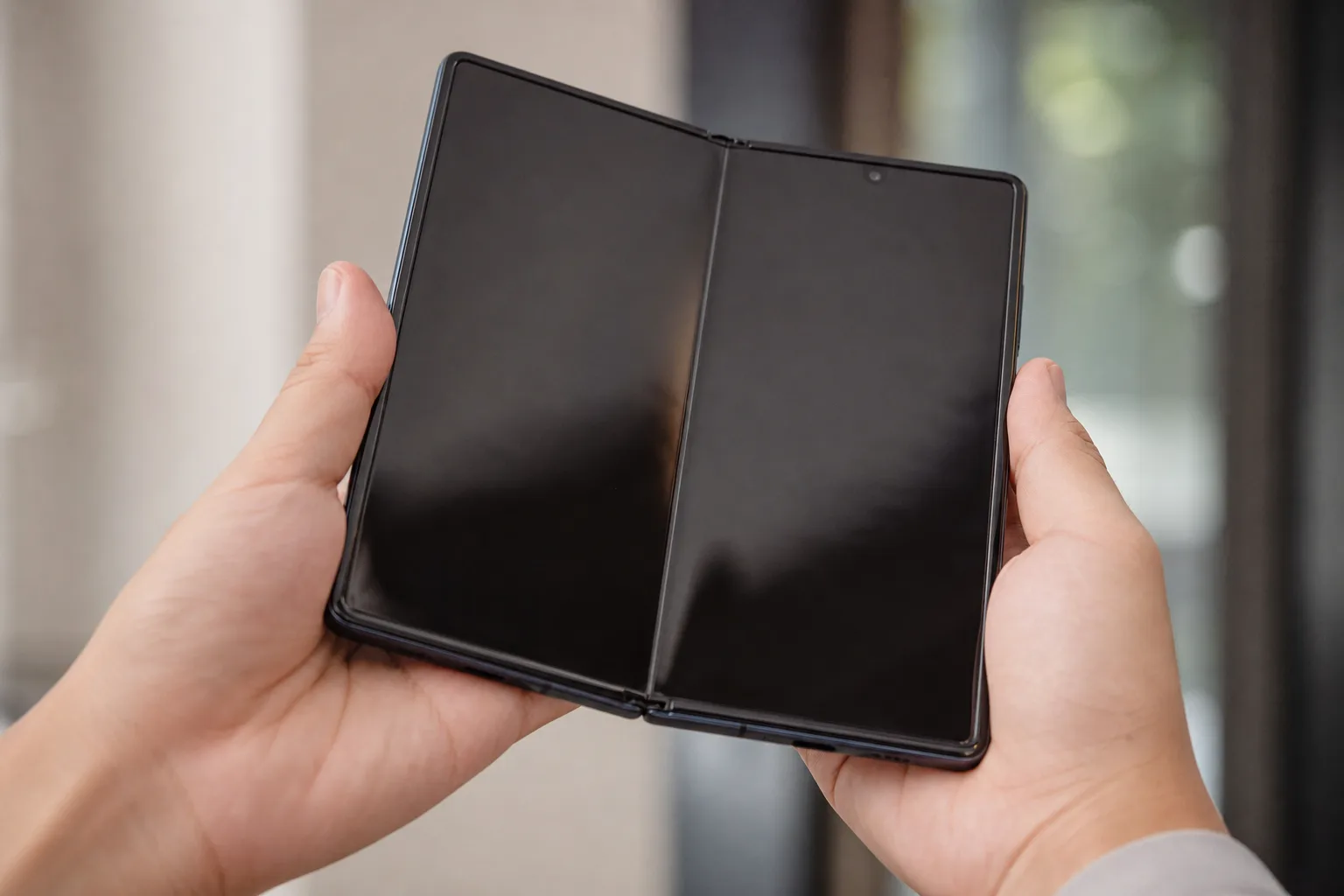
Samsung‘s foldable lineup has been on a genuine upswing lately. The Galaxy Z Fold 7 was a legitimately good device — premium enough to justify its eye-watering price, refined enough to feel like a product that had finally grown up. So when leaks started pointing toward a Galaxy Z Fold 8 Ultra for 2026, you’d be forgiven for expecting something impressive. Instead, what’s shaping up looks less like a triumphant new tier and more like a branding exercise that could seriously backfire.
- The Galaxy Z Fold 8 Ultra appears to be a minimally upgraded Z Fold 7 sold under a misleading premium badge.
- Leaked details suggest the Galaxy Z Fold 8 Ultra will cost more than its predecessor despite offering little new.
- Samsung is splitting the Fold 8 line into two: a new wider form factor and an ‘Ultra’ rehash of last year’s design.
- Tariff pressures and component cost increases could push foldable prices even higher heading into late 2026.
Table of Contents
What the Galaxy Z Fold 8 Ultra Actually Is
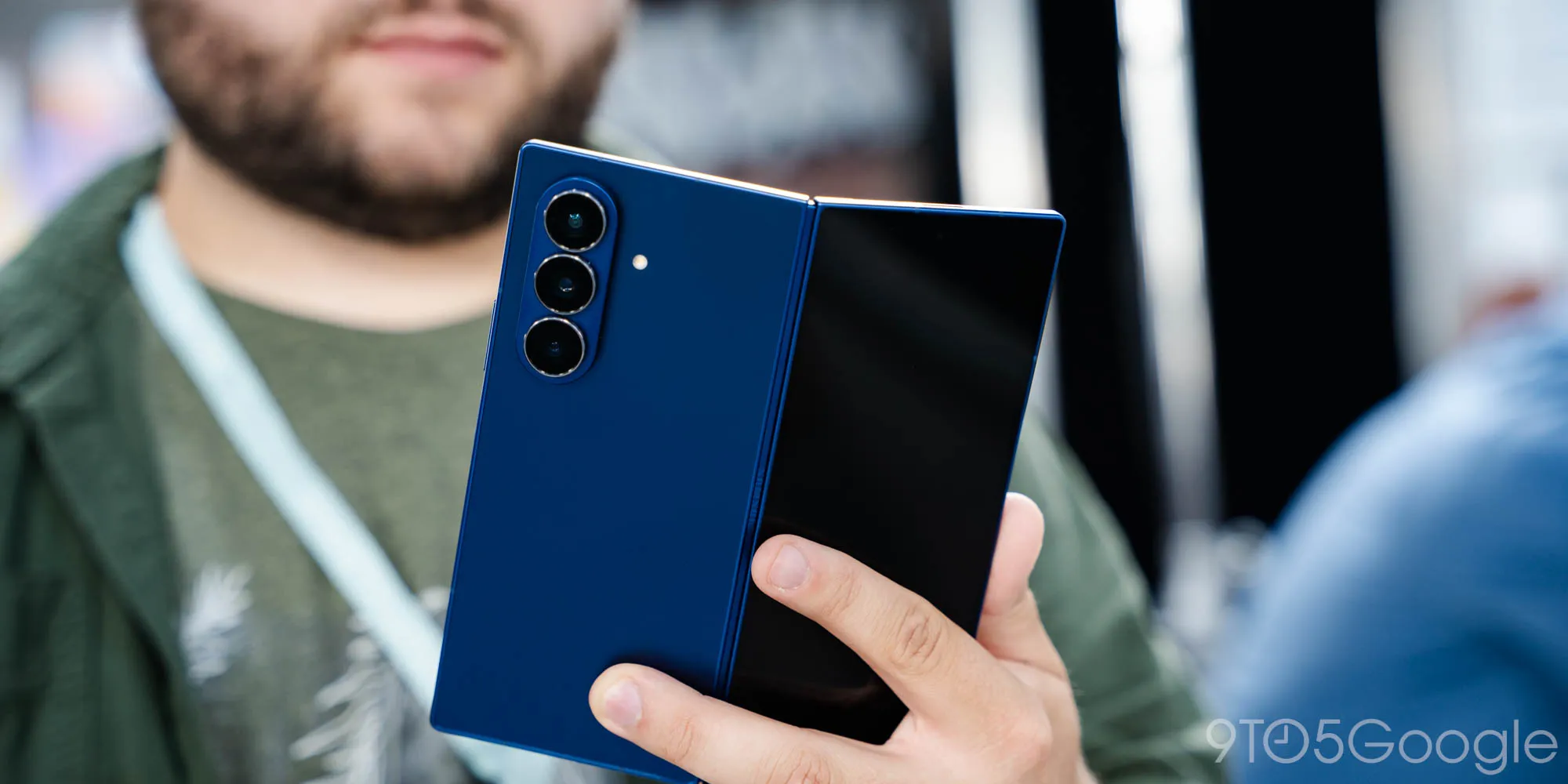
Here’s the situation as leaks currently frame it: Samsung is dividing the Fold 8 line into two distinct products. The standard ‘Galaxy Z Fold 8’ gets a new, wider form factor — a meaningful design departure that opens up the inner screen real estate and changes the whole feel of the device in-hand. That part sounds genuinely interesting. The ‘Galaxy Z Fold 8 Ultra,’ however, is reportedly something else entirely: the same tall, narrow chassis as the Z Fold 7, the same camera system, and the same fundamental form factor — with a few targeted improvements bolted on.
Those improvements? A refined display crease (something foldable fans have been asking about for years) and a long-overdue battery capacity bump. That’s largely it. Meaningful tweaks, sure, but not the kind of thing that has ever carried the word ‘Ultra’ on any product from any manufacturer.
Why ‘Ultra’ Is the Wrong Word Here
Samsung’s ‘Ultra’ branding carries serious weight. When consumers see ‘Ultra,’ they expect the absolute top of the range — more features, more power, more of everything. Slapping that label on what is functionally an upgraded Z Fold 7 doesn’t just feel inaccurate; it risks actively misleading buyers.
Compare this to how other manufacturers handle product tiers. The best premium tier devices earn their price premium with meaningfully larger batteries, bigger displays, and additional camera hardware. The value delta is legible. With the Galaxy Z Fold 8 Ultra, the value delta — as things currently stand — is a smoother crease and a bigger cell. That’s a tough sell at any price, let alone a higher one.
It’s also worth thinking about what the Ultra label does to the standard Fold 8 by association. If the newer, wider form factor sits at or near the Z Fold 7’s reportedly estimated price point, and the ‘Ultra’ (a lesser design update) costs more — you’ve built a lineup where the cheaper device is arguably the better one. That’s a communication nightmare.
The Pricing Trap Nobody Wants to Talk About
The Galaxy Z Fold 8 Ultra pricing problem isn’t just about branding ego — it’s about cold, hard market logic. Samsung doesn’t operate in a vacuum. Component costs are rising, U.S. tariffs on electronics imports have been squeezing margins across the industry, and the foldable segment is still premium-priced territory where consumers are already being asked to stretch. There’s very little room for Samsung to hide a price increase behind a badge.
If the Galaxy Z Fold 8 Ultra lands above $2,099 or $2,199 — a realistic scenario given all of the above — Samsung will need a stronger answer than ‘we fixed the crease a bit.’ The foldable market is more competitive now than it’s ever been. Motorola’s Razr Fold has impressed reviewers and offers a genuinely different take on the category. Google’s Pixel 9 Pro Fold remains a credible alternative for Android users who want a more compact foldable experience. OnePlus and Honor are circling the segment from below. Samsung’s moat is real but it’s not unlimited.
The cruel irony is that Samsung has built itself into this corner. If the company had simply called this device the ‘Galaxy Z Fold 8 Classic’ or even ‘Galaxy Z Fold 8 Slim’ — something that positioned it as the familiar, proven option — the conversation would be completely different. Instead, ‘Ultra’ implies a premium that the hardware, as described, doesn’t currently earn.
Galaxy Z Fold 8 Ultra vs. a Rapidly Changing Market
Let’s zoom out for a second. The foldable smartphone segment is at an inflection point. After years of being a curiosity — expensive, fragile, and niche — foldables are finally becoming practical daily drivers for a growing number of users. Samsung deserves significant credit for normalising the category. But that also means the competition is catching up fast, and consumers are getting more discerning.
A buyer considering the Galaxy Z Fold 8 Ultra in late 2026 will be comparing it against a wider Fold 8 that offers something new, Motorola’s evolving Razr lineup, and whatever Google has planned for its next foldable iteration. Paying a premium for yesterday’s form factor — even a polished version of it — is a hard ask in that environment.
There’s also a loyalty angle here. Z Fold 7 owners who paid close to $2,000 last year are unlikely to see enough daylight between their current device and the Ultra to justify another upgrade cycle. Samsung’s own installed base becomes a liability if the Ultra is priced above where the upgrade math makes sense.
Is There a Version of This That Works?
Theoretically, yes. If Samsung prices the Galaxy Z Fold 8 Ultra below the new wider Fold 8 — positioning it as the ‘classic’ option for loyalists who prefer the existing form factor — the lineup could actually make sense. The Ultra name would still be awkward, but at least the economics would be defensible. Paying less for the familiar, well-refined device while paying more for the new frontier form factor is a coherent consumer story.
But that’s not what ‘Ultra’ typically signals, and Samsung’s own naming history suggests the company won’t undercut its premium-badged product. The naming convention has a price direction, and it points up.
There’s still time for Samsung to course-correct. These are leaks, not announcements. The company could revise its strategy, adjust its pricing, or land on entirely different naming before the official reveal. But if the Galaxy Z Fold 8 Ultra ships as currently described, at a price above the Z Fold 7, Samsung will have a lot of explaining to do — not just to critics, but to the loyal foldable fans who’ve followed it this far. In a market where every dollar is being scrutinised more carefully than ever, ‘trust the badge’ isn’t going to be enough.
Frequently Asked Questions
What is the Galaxy Z Fold 8 Ultra expected to include?
Based on leaks, the Galaxy Z Fold 8 Ultra is expected to carry the same design and cameras as the Z Fold 7, with improvements to the display crease and a larger battery. It’s essentially a modest refresh rather than a true generational leap.
How much could the Galaxy Z Fold 8 Ultra cost?
No official price has been confirmed, but the ‘Ultra’ branding strongly implies it will be priced above the Z Fold 7’s launch price. Given current market conditions, the final number could be even higher.
Why is Samsung splitting the Z Fold 8 into two models?
Leaks suggest Samsung wants to introduce a new, wider foldable form factor under the standard ‘Z Fold 8’ name, while keeping the existing design alive as the ‘Ultra’ — a strategy that confuses more than it clarifies.
Is the Galaxy Z Fold 8 Ultra worth upgrading to from the Z Fold 7?
Based on what’s leaked so far, probably not — especially for Z Fold 7 owners. The changes appear incremental, and if the Ultra carries a higher price, the value proposition gets very difficult to justify.