

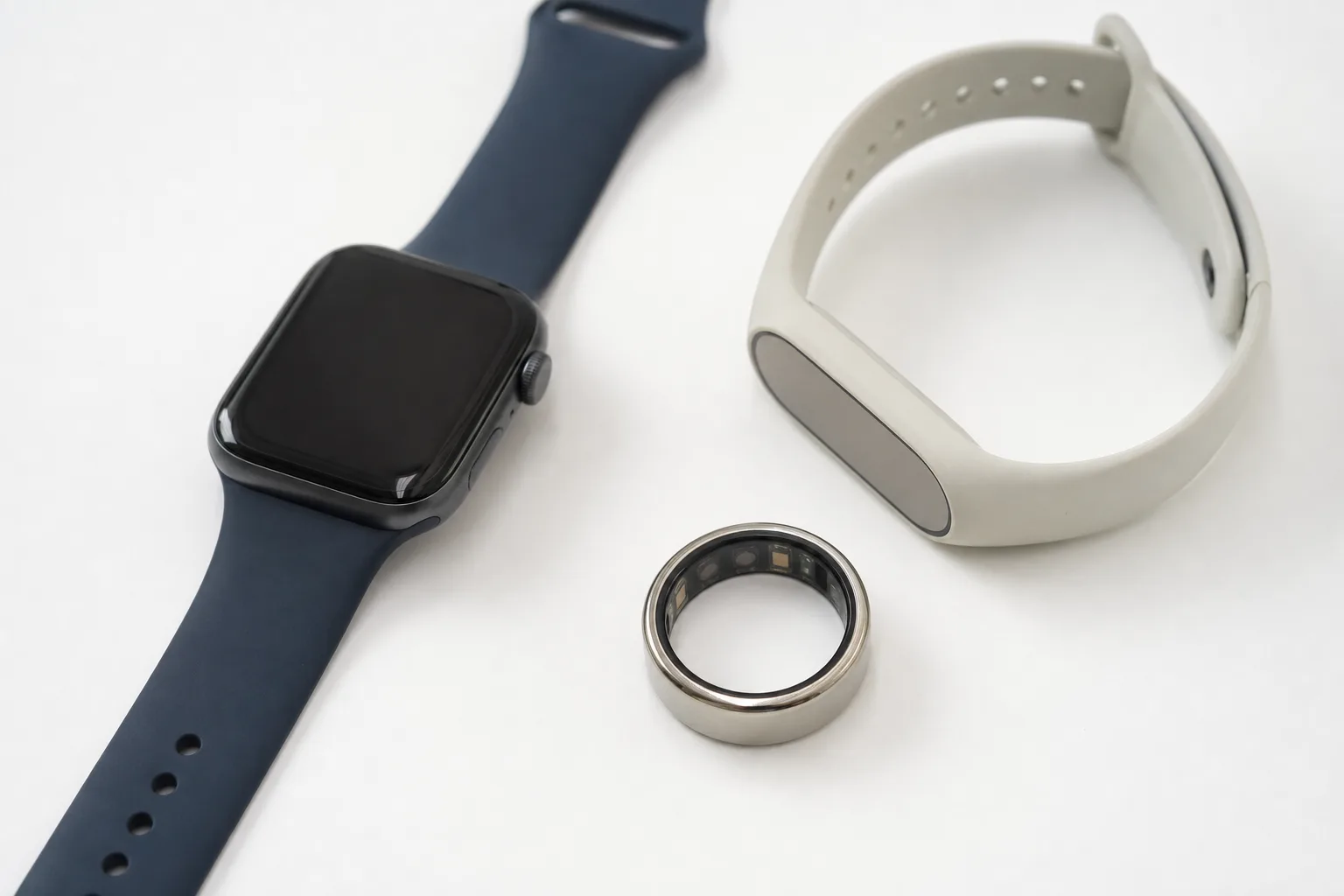
Picking from the best fitness trackers has never been harder — and that’s a good thing. The category has matured well beyond step counts and sleep scores. Today’s wearables deliver recovery intelligence, AI coaching, blood pressure signals, and multi-day battery life in devices you can barely feel on your body. Whether you’re logging trail runs at altitude or just trying to close your rings before bed, 2026’s lineup has something genuinely worth wearing. Three devices stand out above the rest right now: the Garmin Vivoactive 6 ($300), the Google Fitbit Air ($100), and the Oura Ring 5 ($399).
- The best fitness trackers of 2026 are led by the Garmin Vivoactive 6, which costs $300 and requires no subscription.
- For budget shoppers, the best fitness trackers list includes the $100 Google Fitbit Air — lightweight, screenless, and beginner-friendly.
- The Oura Ring 5 is 40 percent smaller than its predecessor and lasts up to nine days on a single charge.
- AI-powered health coaching is now a standard differentiator across the best fitness trackers, from Garmin to Google to Oura.
Table of Contents
Best Fitness Trackers Overall: Garmin Vivoactive 6
Garmin has long been the gold standard for athletes who demand accuracy, and the Vivoactive 6 cements that reputation at a price point that doesn’t require a second mortgage. At $300, it sits comfortably in the midrange — more capable than budget options, less intimidating than Garmin’s flagship Fenix or Epix lines. When comparing the best fitness trackers at this price tier, the Vivoactive 6 is consistently among the first recommendations experts make.
The Vivoactive 6 runs on Garmin’s proprietary algorithms, powering features like Body Battery and Morning Report — daily readouts that translate your sleep quality, HRV, and activity load into a single readiness score. It sounds simple, but in practice it’s surprisingly useful. Rather than drowning you in raw data, the watch synthesises overnight recovery into something actionable before you’ve had your first coffee.
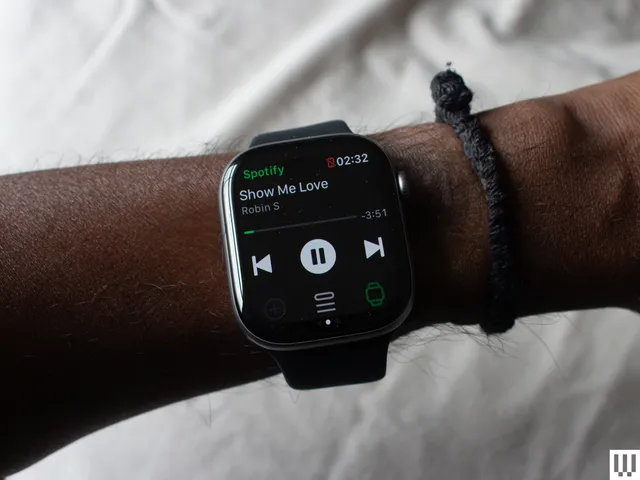
Built-in GPS and satellite connectivity mean you can leave your phone at home on runs or hikes, and incident detection will alert emergency contacts if it senses a serious fall. For solo trail runners or cyclists, that’s not a gimmick — it’s a genuine safety net.
The biggest differentiator, though, remains Garmin’s Connect platform. It’s free. No subscription required to access your health data, your fitness history, or your training plans. In a market where Whoop charges $239 a year just to read your own metrics, that’s a meaningful stance. Garmin did launch Connect+ at $70 per year, which bundles live tracking and its AI-powered Active Intelligence assistant — but it’s firmly optional. Most users will never need it.
The honest trade-off: the Vivoactive 6 might feel like too much watch for someone who just wants to track their daily steps and get a nudge to move. Its feature depth is a strength for serious users, but it can be genuinely overwhelming if your health goals are modest. Casual users might find the $100 Fitbit Air a better fit.
Best Value: Google Fitbit Air
Among the best fitness trackers under $150, the Fitbit Air is in a class of its own. At $100 and just 12 grams, it’s the lightest Fitbit ever made — you’ll forget it’s on your wrist, which is exactly the point.
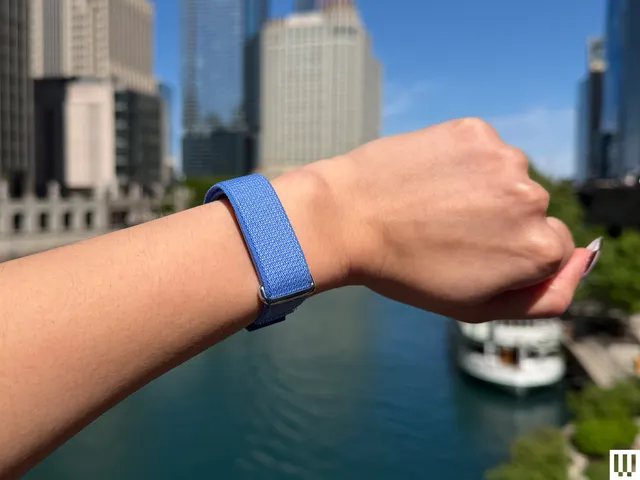
The screenless design is a deliberate choice, not a cost-cutting measure. Google is positioning the Fitbit Air as a Whoop competitor for people who don’t want to spend $239 a year on a subscription wearable. Like Whoop, it sits quietly on your wrist collecting cardiovascular data, sleep metrics, and activity patterns without demanding your attention every time a notification comes in. Unlike Whoop, all of that data is presented in a format that beginners can actually interpret without a data science degree. For passive, always-on health monitoring, few of the best fitness trackers match what the Fitbit Air delivers at this price.
Crucially, the Fitbit Air works with both Android and iPhone — a distinction that matters, since Google’s Pixel Watch lineup is Android-only. Google clearly understands that limiting a sub-$100 fitness tracker to one mobile ecosystem would be commercially self-defeating.
For users who want more than raw data, Google’s optional Health Coach layer adds AI-driven recommendations, personalised check-ins, and adaptive feedback. It’s the kind of feature that makes sense for someone who knows they need to move more but doesn’t know where to start. If you’re already deep in spreadsheets analysing your own HRV trends, you’ll probably ignore it entirely — and that’s fine.
The limitations are real. No built-in GPS means you’re tethered to your phone for location tracking on outdoor workouts. Serious runners training for a marathon or cyclists chasing power data will quickly outgrow what the Fitbit Air offers. But for the vast majority of people — those who want consistent, passive health monitoring without spending $300 or more — it’s arguably the smartest purchase in this entire category.
Best Smart Ring: Oura Ring 5
Smart rings are quietly eating into the wrist-worn wearable market, and the Oura Ring 5 is the reason why. At $399, it’s the most expensive entry on this list, but it’s also the most discreet. There’s no screen. No haptic alerts. No glance-able display. Just a titanium band that sits on your finger and builds a remarkably detailed picture of your health over time. For people who find traditional wrist-worn best fitness trackers too conspicuous, the Ring 5 is a compelling alternative.
The fifth-generation ring is 40 percent smaller than its predecessor — a significant engineering achievement when you’re trying to pack optical sensors, an accelerometer, and a temperature sensor into something that looks like jewellery. Battery life stretches to nine days, which means you’re not yanking it off to charge every other night the way you might with an Apple Watch or Galaxy Watch.
The headline upgrade for 2026 is the push into AI-driven wellness guidance. Oura Advisor — the ring’s new conversational health assistant — can answer questions about your recovery patterns, flag correlations between your lifestyle choices and your sleep quality, and provide personalised recommendations. It mirrors what Google is doing with Health Coach, and what Garmin is building into Active Intelligence. AI health coaching is no longer a premium differentiator; it’s becoming table stakes.
New health signals, including blood pressure indicators and nighttime breathing insights, push the Ring 5 further into clinical-adjacent territory. Oura has long positioned itself as more than a fitness tracker, and features like these strengthen that case considerably.
The trade-offs are worth being honest about. No GPS. No live workout stats on your hand. Smart rings and barbells are a bad combination — the pressure and grip involved in strength training can damage both the ring and your finger. Athletes who need real-time pacing data or heart rate zones during exercise will still reach for a watch. And the $6/month (or $70/year) Oura membership is non-negotiable if you want to actually use your data — without it, the ring is largely decorative.
How to Choose the Right Fitness Tracker in 2026
The market for the best fitness trackers has fractured into distinct use cases, and that’s actually healthy. The Garmin Vivoactive 6 is the right answer for anyone who takes their training seriously and values platform longevity — Garmin’s track record on long-term software updates and free feature rollouts is genuinely rare in consumer tech. The Fitbit Air is the answer for everyone else who just wants to be a bit healthier and doesn’t want to think too hard about their wearable. The Oura Ring 5 is for people who want maximum health data with minimum visual footprint on their body.
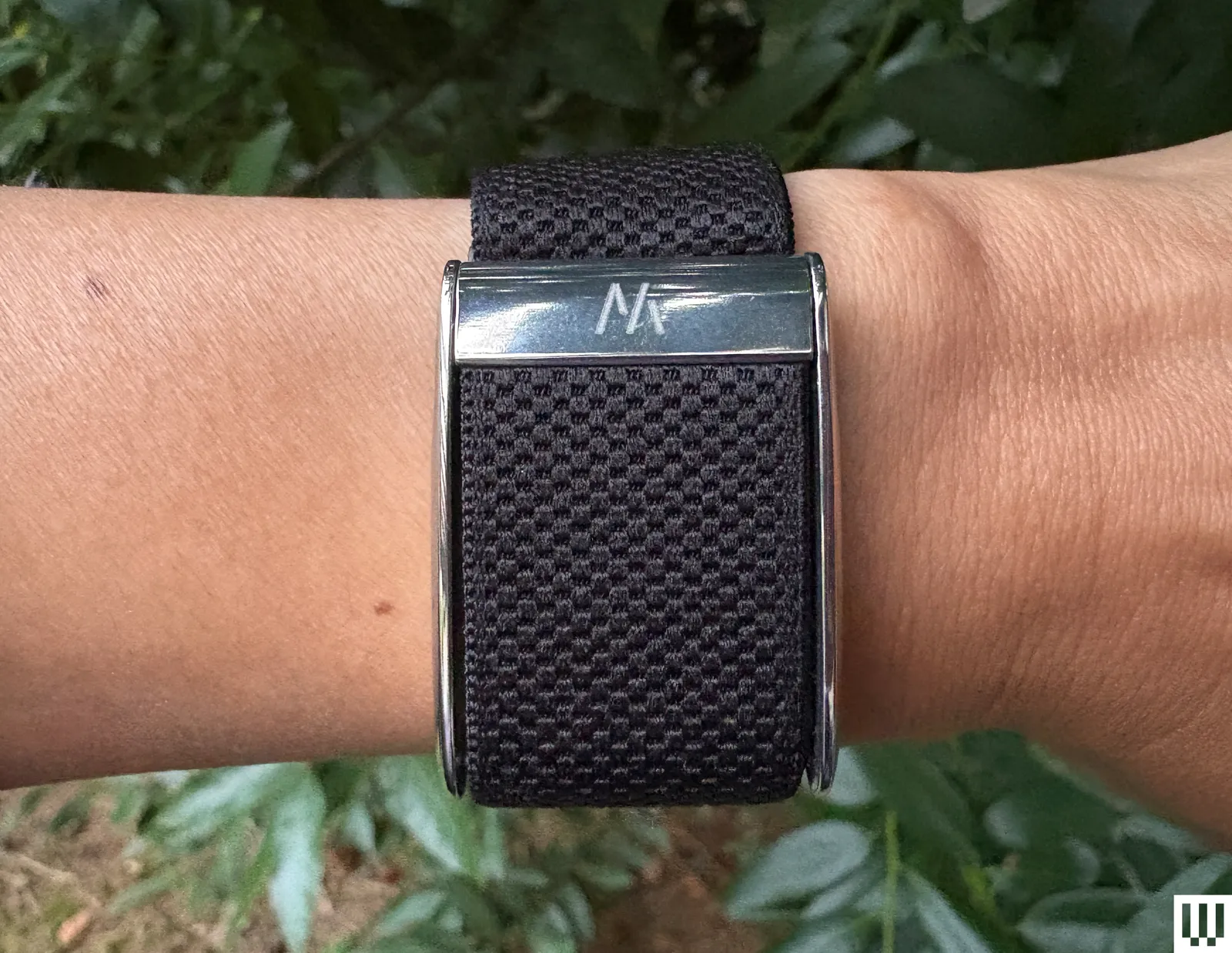
If you’re still unsure which of the best fitness trackers suits your lifestyle, the simplest filter is this: match the device to your primary use case rather than its feature list. A beginner focused on daily movement needs different tools than a competitive athlete tracking training load. The best fitness trackers succeed when they align with how you actually live, not just with what looks impressive in a spec sheet.
The broader trend across all three is unmistakable: AI coaching is the new battleground. Garmin, Google, and Oura are all building conversational health layers into their platforms, each trying to turn raw biometric data into something a normal person can act on. Whether these AI assistants actually change behaviour at scale — or just become background noise people swipe past — will be the defining question for the fitness wearable category over the next two to three years. The hardware is largely solved. The harder problem is making people care about what their data is telling them.
Frequently Asked Questions
What are the best fitness trackers for people who don’t want to wear a watch?
The Oura Ring 5 and Google Fitbit Air are both strong options. The Oura Ring sits on your finger with no screen or notifications, while the Fitbit Air is a screenless wristband weighing just 12 grams — both track health data passively without the bulk of a smartwatch.
Do the best fitness trackers require a subscription to use?
It depends on the device. The Garmin Vivoactive 6 works fully without a subscription — Garmin’s Connect platform is free. The Oura Ring 5 requires a $6/month or $70/year membership to access most insights, and Google’s AI Health Coach is an optional paid add-on for the Fitbit Air.
Is the Garmin Vivoactive 6 compatible with iPhone?
Yes. Unlike some wearables that favor Android, the Vivoactive 6 works with both iPhone and Android devices, making it one of the most universally compatible options among the best fitness trackers.
How accurate is the Oura Ring 5 compared to a wrist-based tracker?
The Ring 5 features redesigned sensors and stronger signal detection, improving on its predecessor’s accuracy. However, it lacks built-in GPS and live workout stats, so dedicated athletes will still get more real-time performance data from a wrist-based device like the Garmin Vivoactive 6.

