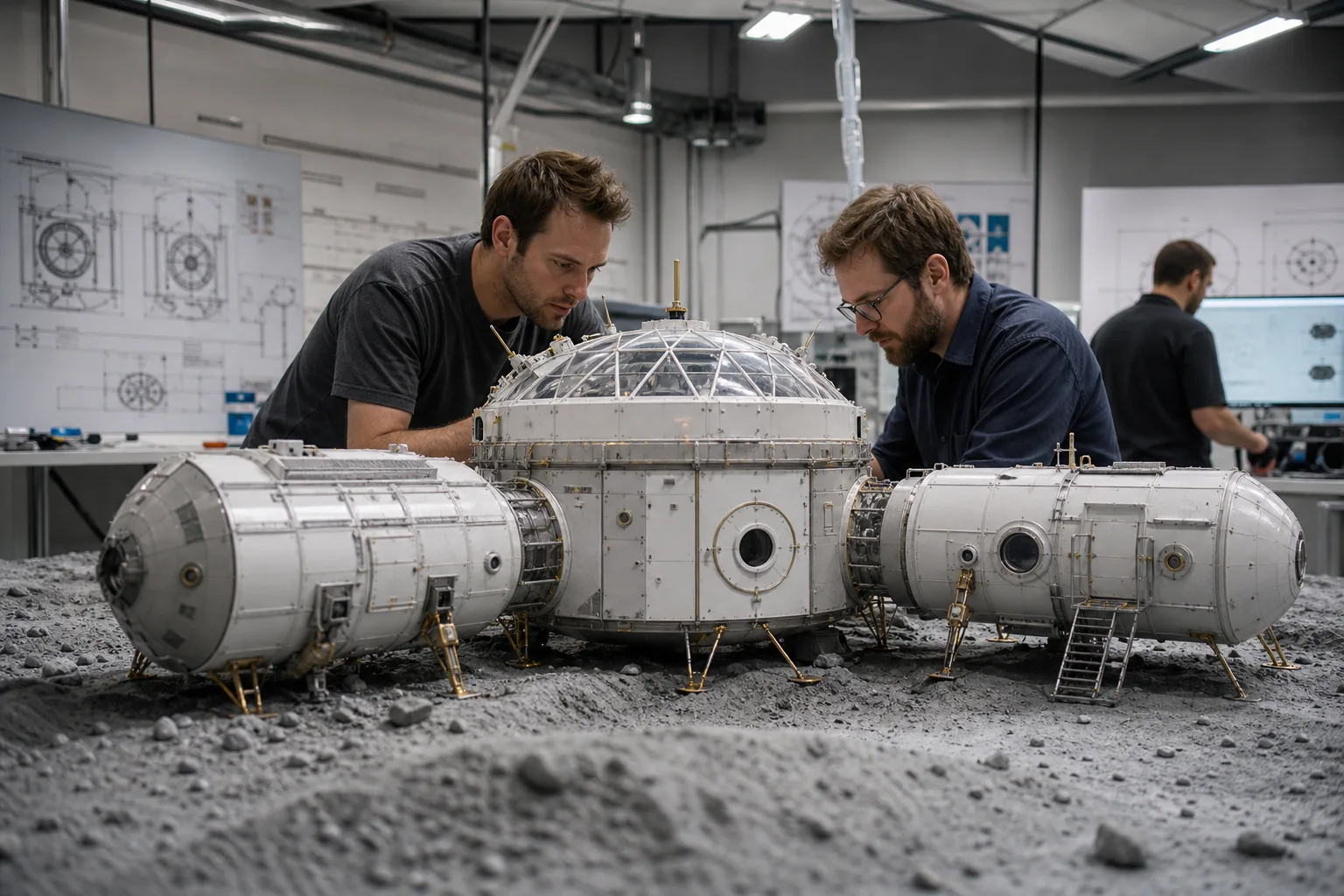
Humanity is preparing to build permanently on the moon — and right now, there’s no rulebook for doing it safely. That gap is exactly why engineers are calling for a dedicated lunar building code: a structured set of design criteria for structures that have to survive an environment unlike anything civil engineering has faced before.
- A lunar building code is needed to address unique seismic and structural risks that Earth-based engineering standards can’t cover.
- Without a dedicated lunar building code, moon habitats face serious risks from moonquakes, regolith instability, and catastrophic depressurization.
- The American Society of Civil Engineers has begun drafting LIEDAC guidelines to define safe design criteria for lunar infrastructure.
- Moon gravity is just one-sixth of Earth’s, meaning structures resist tipping and sliding far less effectively than terrestrial buildings.
Table of Contents
Why Earth’s Building Standards Won’t Cut It on the Moon
Here on Earth, our building codes didn’t appear overnight. They’re the product of centuries of accumulated experience — collapses, earthquakes, fires, floods — all distilled into regulations that govern everything from the width of a fire escape to how deep a skyscraper’s foundations go. That institutional memory simply doesn’t exist for the moon. And as NASA and China’s space agency race to put habitats, landing pads, equipment shelters, and towering antenna structures on the lunar surface, the absence of a lunar building code is becoming an increasingly uncomfortable reality.
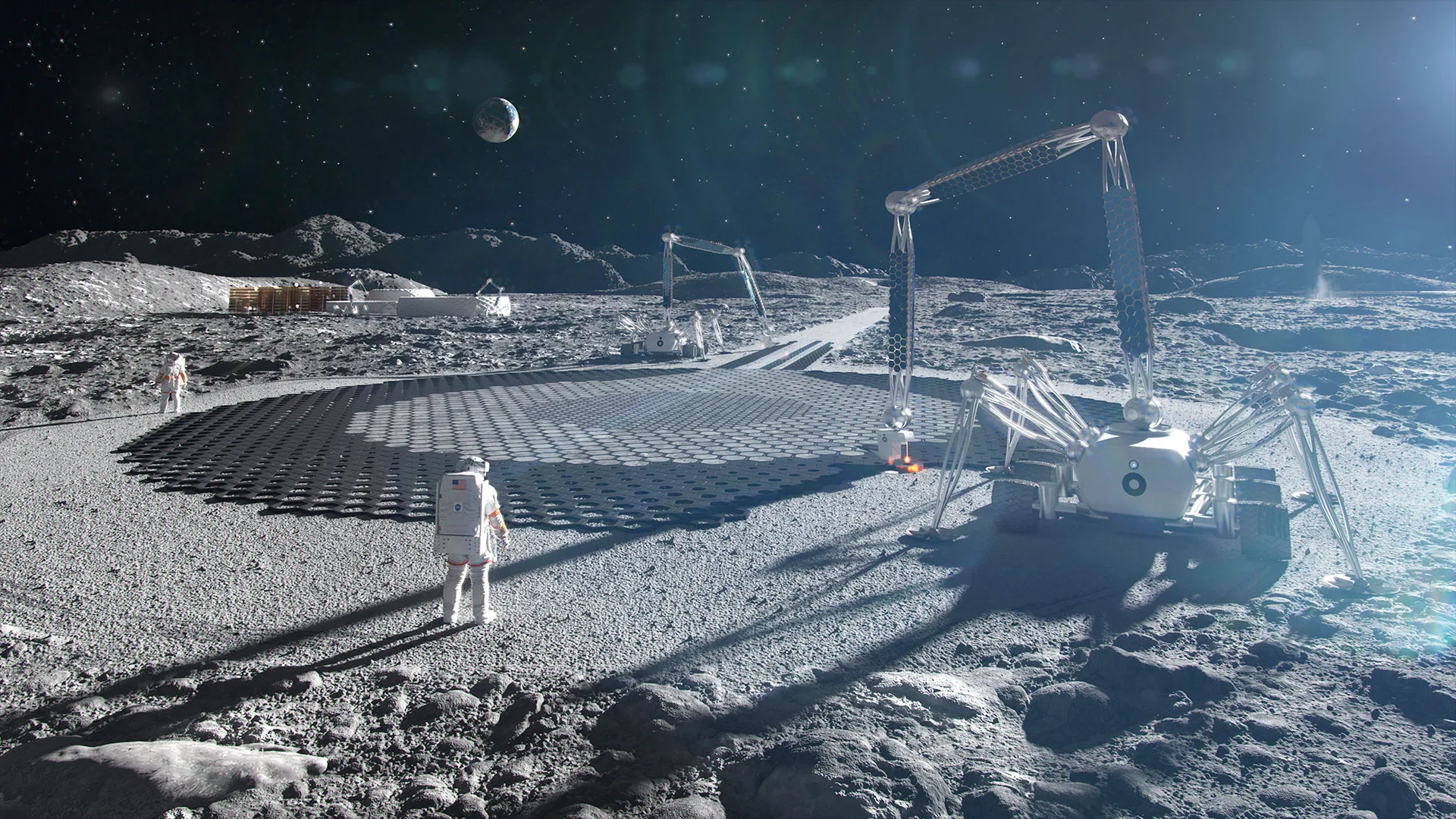
The issue was put plainly at the 26th Space Resources Roundtable, held in early June at the Colorado School of Mines in Golden. Nerma Caluk, an engineer and lunar specialist at Skidmore, Owings & Merrill — an architecture and structural engineering firm in San Francisco, California — argued that without specific design criteria tailored to the moon, we’re essentially guessing. And when the structure in question is a pressurised habitat with human occupants, guessing isn’t a viable strategy. Establishing a credible lunar building code is, in her view, a precondition for responsible development.
The Physics Problem: Gravity, Mass, and Moonquakes
The central engineering challenge isn’t just that the moon is alien terrain — it’s that the moon’s physics actively undermines some of the most fundamental assumptions built into Earth-side structural engineering. The lunar building code discussion keeps circling back to one number: one-sixth. That’s how much gravitational pull the moon offers compared to Earth’s surface gravity, and it has enormous structural consequences.
On Earth, when an earthquake sends lateral forces through a building, the weight of that building — pulled downward by gravity — helps resist tipping and sliding. Friction between foundations and the ground, combined with the mass pressing downward, is part of what keeps structures upright. On the moon, Caluk explains, that gravitational restoring force is slashed by about 83%. But here’s the catch: seismic inertial forces are governed by a structure’s mass, not its weight. So the sideways punch of a moonquake hits just as hard, while the moon offers far less help fighting it off.
‘Low-profile surface structures risk translational sliding across poorly characterised regolith interfaces, while taller vertical structures face significant overturning vulnerability, as the moon provides only a fraction of the gravitational restoring moment available in a terrestrial seismic environment,’ Caluk said.
In plain terms: squat buildings might slide sideways across the lunar soil. Tall ones might tip over. Neither outcome is acceptable when the structure in question is someone’s life-support system. Any meaningful lunar building code must address both failure modes explicitly.
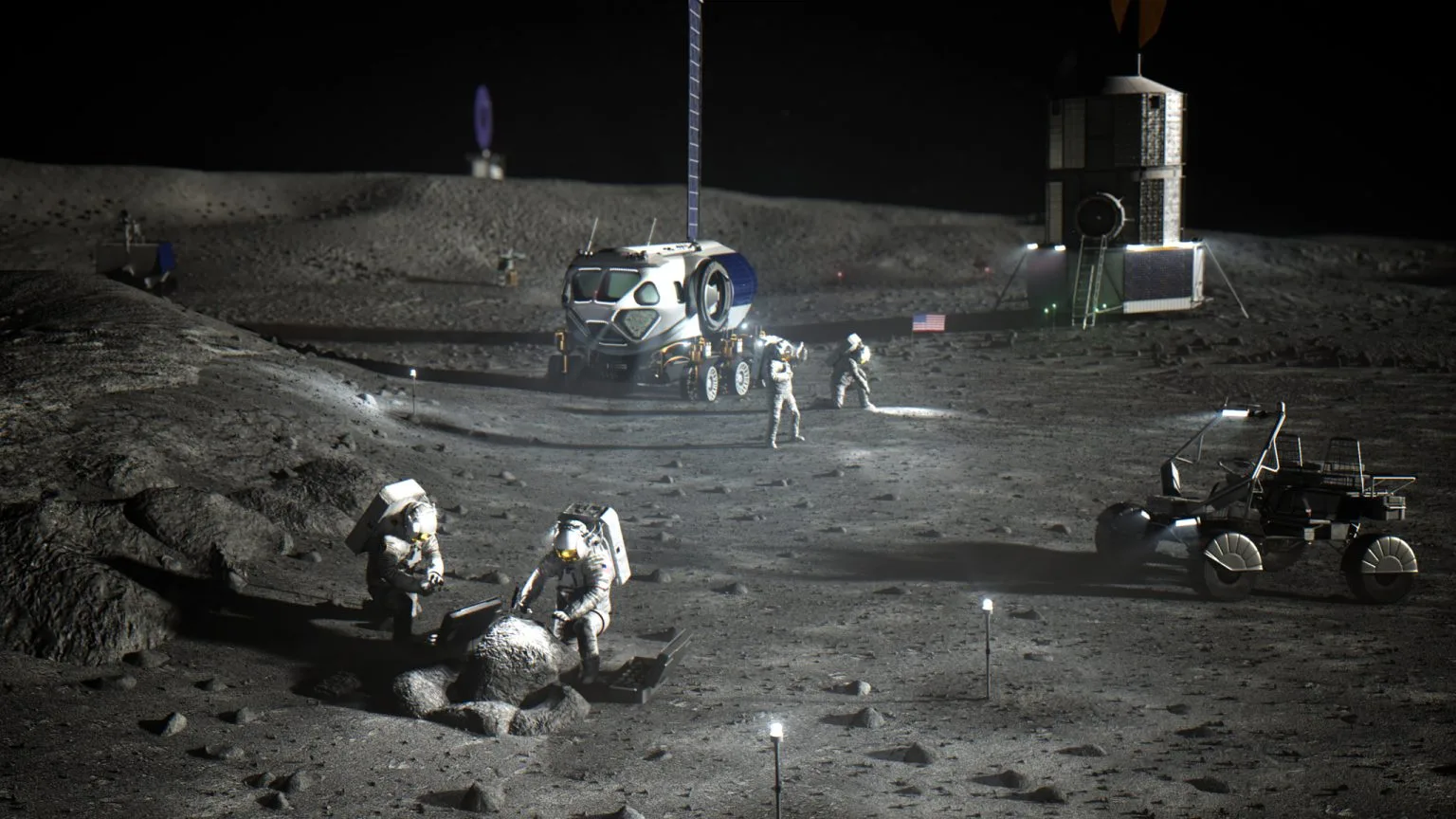
Why Standard Seismic Design Philosophy Fails in Space
There’s a design philosophy that’s become standard practice in terrestrial seismic engineering: let the building crack, bend, and deform in a controlled way during a major earthquake. Engineers deliberately design structural elements to absorb seismic energy through what’s called ‘inelastic energy dissipation’ — intentional yielding that prevents catastrophic collapse. It sounds counterintuitive, but it works. Buildings in Tokyo and San Francisco are designed to sustain damage during a major quake and still remain standing, giving occupants time to evacuate.
That approach is essentially incompatible with a pressurised lunar habitat. A cracked weld or a distorted hatch frame that would be a repairable inconvenience in a terrestrial building becomes a potentially fatal breach on the moon. Any misalignment of a pressure seal risks rapid depressurisation — and in a vacuum environment with no rescue services nearby, that’s a mission-ending, crew-killing failure. A viable lunar building code has to abandon the ‘damage is acceptable’ philosophy entirely, designing instead for minimal permanent deformation even under extreme seismic loading.
The LIEDAC Framework: A Lunar Building Code Takes Shape
So who’s actually doing the work? The aerospace division of the American Society of Civil Engineers, through its technical committee on space engineering and construction, has been building exactly the kind of framework the field needs. Their effort — the Infrastructure Engineering, Design, Analysis, and Construction guidelines, or LIEDAC — is specifically aimed at the moon, and it tackles the seismic problem head-on. LIEDAC represents the most structured attempt yet to give the lunar building code concept a defensible technical foundation.
According to Caluk, the LIEDAC guidelines characterise the unique lunar hazard environment, classify operational consequences using a risk-categorisation hierarchy, and establish target performance objectives. The goal is to let ‘safe commercial development proceed on a defensible technical basis’ — which is the kind of language that matters when private companies start putting real money into lunar construction contracts, and when insurance underwriters and liability frameworks need something to work from.
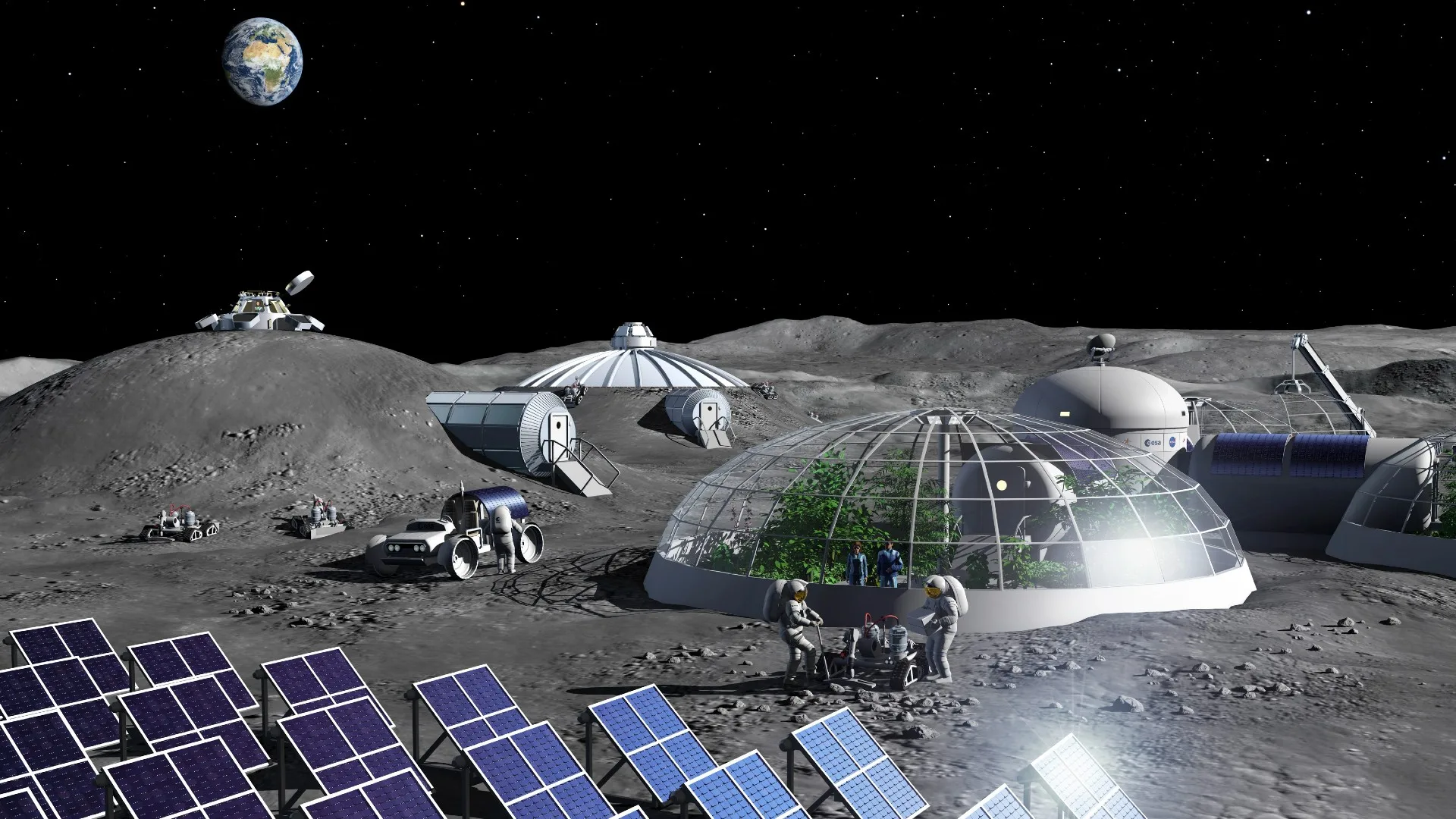
Caluk’s team also carried out a Response Spectrum Analysis — backed by NASA Small Business Technology Transfer funding — that specifically interrogated the uncertainties lurking beneath the lunar surface. One of its key outputs is a design criterion that mandates local geotechnical site investigations for every structure, regardless of its seismic risk category. That might sound obvious, but it’s worth appreciating how technically demanding this is: we don’t yet have a globally characterised picture of what the lunar subsurface looks like, and conditions can vary significantly from site to site.
The analysis also looked at what Caluk describes as the ‘maximum considered moonquake’ — the worst-case seismic event a structure might plausibly face — specifically to verify collapse prevention and confirm overall structural integrity under extreme conditions. It’s the same kind of worst-case scenario thinking that underpins how we design nuclear facilities and critical infrastructure on Earth.
What We Still Don’t Know About the Moon
One of the more sobering threads running through all of this work is how much remains unknown. The lunar regolith — the loose, fragmented rock and dust that covers the moon’s surface — is poorly characterised at a global scale. Its properties vary by location, depth, and geological history, and the handful of Apollo-era measurements we have are geographically sparse and decades old. Caluk is direct about this: ‘responsible design practices must account for this uncertainty through rigorous subsurface investigation whenever feasible.’
That means the lunar building code isn’t just about writing rules — it’s about building in the epistemic humility to acknowledge what engineers don’t know yet, and designing data-collection requirements that fill those gaps as the programme matures. It’s a genuinely different intellectual posture from how most engineering codes are written, which typically assume a reasonably well-understood physical environment.
NASA’s deep experience in human spaceflight safety provides what Caluk calls the ‘critical foundation’ for establishing structural performance criteria for lunar infrastructure. The agency has spent six decades learning — sometimes catastrophically — what it takes to keep humans alive in space. That institutional knowledge needs to flow directly into whatever design standards ultimately govern construction on the moon.
The Bigger Picture: A Space Race Without Safety Standards
The urgency here is real. NASA’s Artemis programme is actively targeting a sustained lunar presence, and China’s plans for a lunar base aren’t purely aspirational — they’re backed by serious investment and an accelerating schedule. Private companies are already eyeing the moon as a commercial opportunity, whether for resource extraction, scientific infrastructure, or as a waypoint for deeper space missions.
If a lunar building code doesn’t exist when construction begins in earnest, the alternative isn’t a blank slate — it’s improvisation. Individual contractors will make their own engineering judgements, national space agencies will apply whatever terrestrial standards seem closest, and the result will be a patchwork of approaches with no common baseline for safety or accountability. That’s a recipe for the kind of accident that doesn’t just cost lives — it sets an entire programme back by a decade.
The work Caluk and the ASCE’s space engineering committee are doing is, in some respects, a race against the construction timeline. Getting a defensible, technically rigorous lunar building code in place before the first lunar habitat goes up isn’t a bureaucratic exercise — it’s the difference between a permanent human presence on the moon and a tragedy that ends one before it really begins.
Frequently Asked Questions
Why do we need a lunar building code for moon bases?
The moon’s gravity is one-sixth of Earth’s, its subsurface is poorly understood, and moonquakes create lateral forces that standard Earth engineering can’t safely account for. A lunar building code establishes design criteria specific to these conditions, ensuring structures don’t slide, tip, or breach pressure seals during seismic events.
What are moonquakes and how dangerous are they to lunar structures?
Moonquakes are seismic events on the lunar surface. Because the moon’s low gravity reduces a structure’s ability to resist lateral forces, moonquakes could cause habitats to slide across regolith or tall structures to overturn — and any structural breach risks catastrophic depressurization for crew inside.
Who is developing guidelines for building on the moon?
The aerospace division of the American Society of Civil Engineers, through its technical committee on space engineering and construction, has developed the LIEDAC guidelines — a framework that characterizes lunar hazards, classifies operational risk, and sets performance targets for safe commercial lunar development.
How does low lunar gravity affect structural engineering for moon bases?
On Earth, gravity helps buildings resist tipping and sliding during earthquakes. On the moon, gravitational field strength is reduced to one-sixth of Earth’s, meaning a structure’s mass still generates full seismic inertial forces but has far less resistance to overturning or translational sliding across the lunar surface.