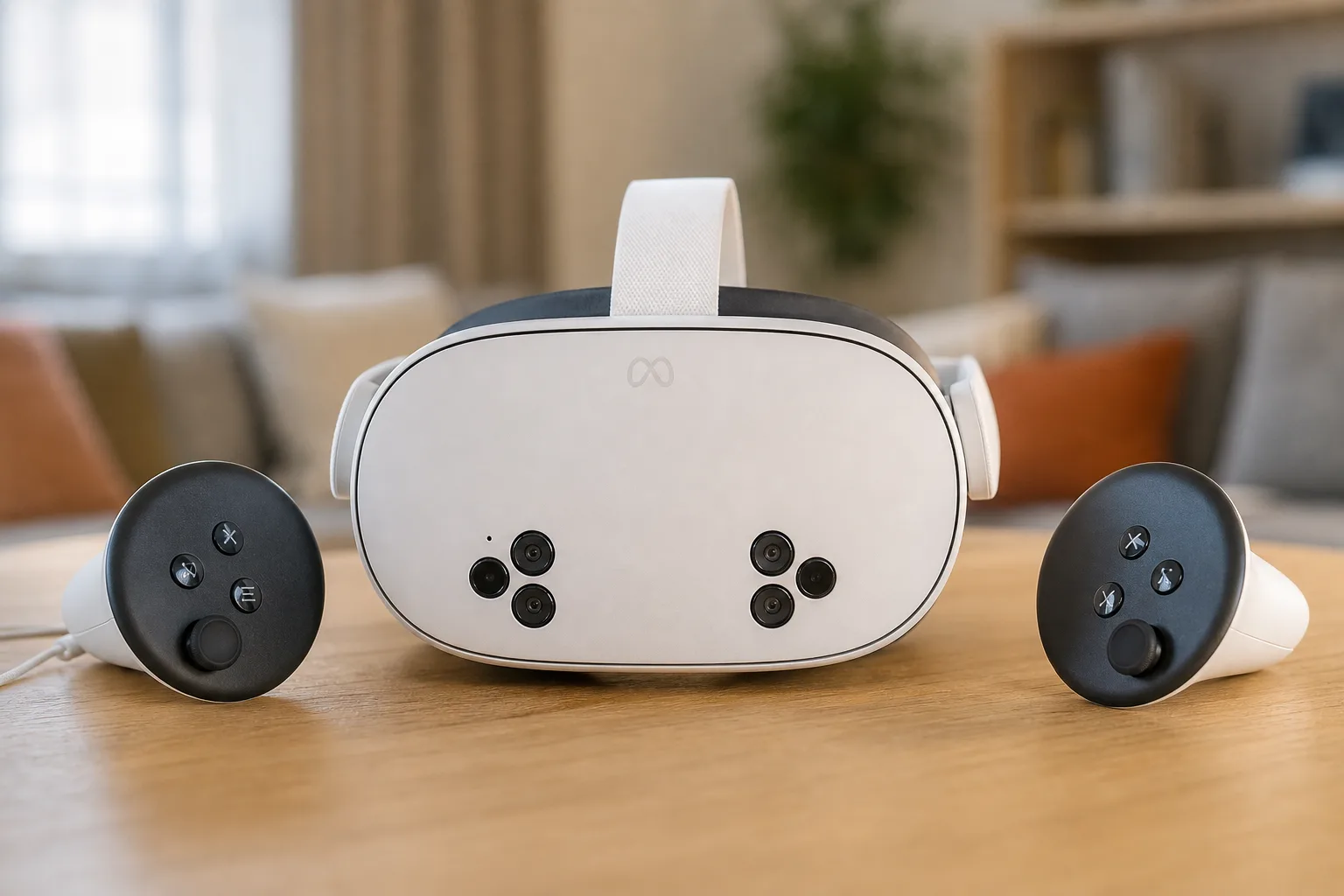
The Meta Quest 3S is sitting at $296.79 on Amazon right now, and depending on how you look at it, that’s either a decent deal or a depressing commentary on where VR headset pricing has landed in 2025. It’s roughly $53 off the current retail price — but that retail price only went up earlier this year. So what you’re really getting is Meta’s entry-level standalone headset at almost exactly what it cost when it launched in 2024.
- The Meta Quest 3S is currently $297 on Amazon, nearly matching its original $299 launch price before Meta raised it to $350.
- Meta Quest 3S owners get the same Snapdragon XR2 Gen 2 chip as the pricier Quest 3, at a significantly lower cost.
- The headset uses older Fresnel lenses instead of the Quest 3’s pancake optics, which explains most of the price difference.
- Quest 2 owners are the ideal upgrade candidates — nearly every hardware spec has improved except screen resolution.
Table of Contents
The Price History You Need to Know
When Meta launched the Quest 3S in late 2024, it was priced at $299.99 — a deliberate undercut of the $499-at-launch Quest 3, designed to bring more people into the Meta ecosystem without the full premium. That strategy worked reasonably well. Then, like a number of consumer electronics this year, the price went up. The Meta Quest 3S now officially retails for $349.99, a $50 hike that didn’t come with any hardware upgrade. So the current Amazon listing at $297 effectively erases that increase and gets you back to launch-day territory. It’s not a bargain in the traditional sense. It’s more like the discount is compensating for a price increase that probably shouldn’t have happened in the first place.
For context, the Meta Quest 3S hit $249 around Black Friday last year — a genuinely compelling price for a current-gen standalone headset. That level hasn’t been seen since. Whether it returns during a major sale event later in 2025 is anyone’s guess, but the current climate doesn’t inspire optimism.
What the Meta Quest 3S Actually Is
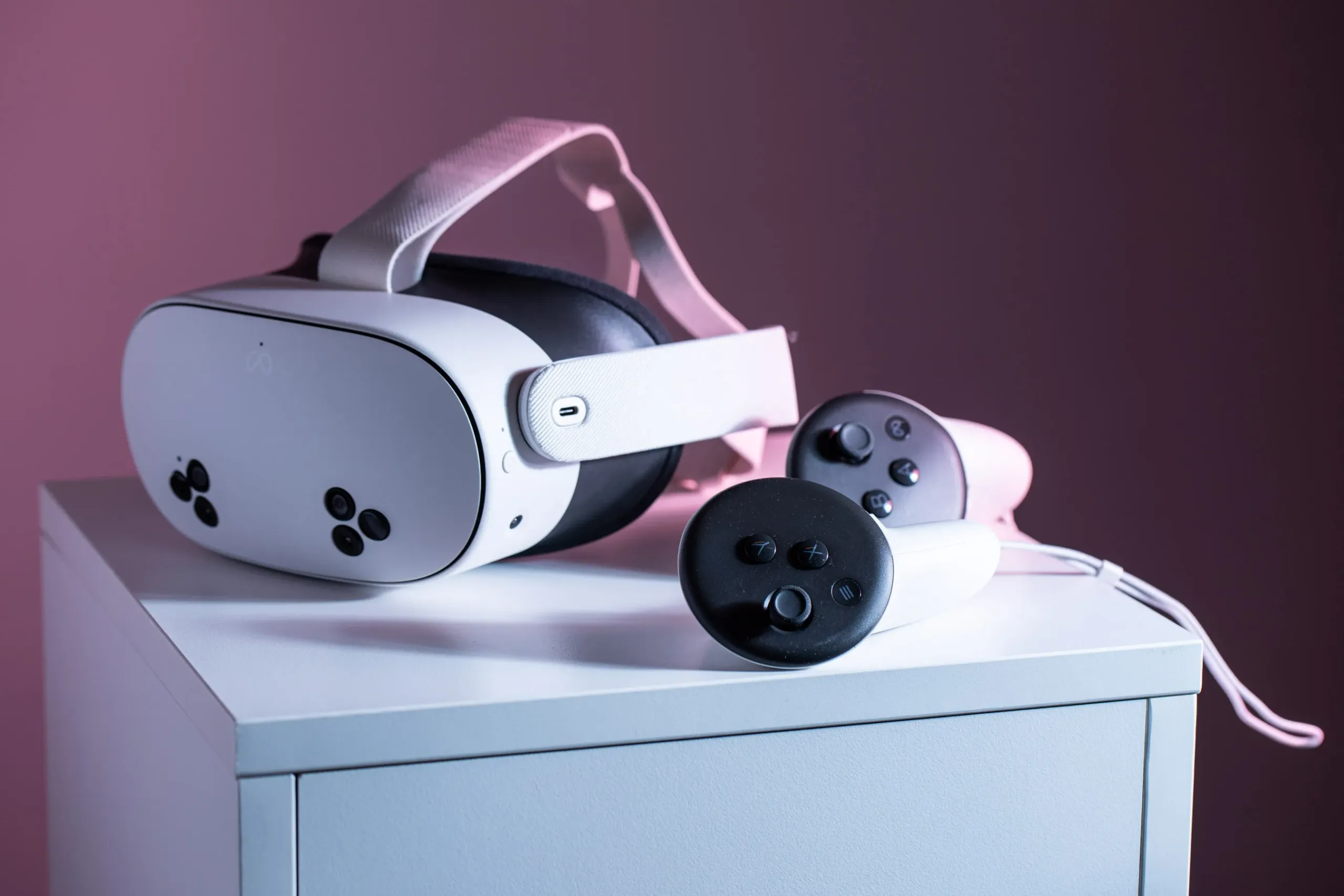
The Meta Quest 3S occupies a deliberate middle ground in Meta’s lineup. It shares its processor — the Qualcomm Snapdragon XR2 Gen 2 — with the much pricier Quest 3, which means it’s no slouch in terms of raw performance. It also carries over the Quest 3’s color passthrough cameras and the same updated Touch Plus controllers. Where Meta made cuts to hit a lower price point is in the optics. The Quest 3S uses Fresnel lenses, the same lens type found in the Quest 2 generation, rather than the flatter, lighter pancake lenses in the Quest 3. Pancake lenses allow for a slimmer headset design and generally deliver a sharper, more uniform image — but they’re more expensive to manufacture. The Quest 3S display runs at 1832 x 1920 pixels per eye, which is functional but behind the Quest 3’s sharper panel.
The end result is a headset that looks and feels clearly modern compared to the Quest 2, but still trails the Quest 3 in visual quality — which, at a significantly higher price, is exactly the trade-off Meta intended.
Who Should Actually Buy the Meta Quest 3S Right Now
If you’re still on a Meta Quest 2, the upgrade case is strong regardless of whether you’d call $297 a “deal.” The Meta Quest 3S is faster, runs cooler, has a more refined fit, and supports mixed reality passthrough that the Quest 2 couldn’t do properly. The display resolution hasn’t jumped — that’s the one area where the generational leap is missing — but almost every other hardware metric has moved forward. Games like Batman: Arkham Shadow and the relaunching Supernatural fitness app are squarely aimed at this tier of headset, and the Quest store’s library has grown substantially since the Quest 2 days.
For PC VR players, the Quest 3S can wirelessly stream Steam games via Meta’s Air Link feature. The latency is real — it’s not a replacement for a dedicated wired PCVR setup — but for casual PC VR use or experimenting with titles outside the Quest store, it’s a functional option. A solid Wi-Fi 6 router on the same network makes a noticeable difference here.
If you already own a Quest 3, there’s no reason to look at this. And if you’re coming to VR completely fresh with no existing library or accessories, spending $300 on a 128GB standalone headset is a defensible entry point — though it’s worth knowing that the 256GB variant and the full Quest 3 exist on the same shelves.
The Bigger Picture for Standalone VR in 2025
The Meta Quest 3S deal — such as it is — sits inside a broader story about where consumer VR is right now. Meta remains the dominant force in standalone VR by a wide margin. Apple’s Vision Pro exists at $3,499 and serves an almost entirely different use case. Sony’s PlayStation VR2 requires a PS5 and has seen its own price cuts. Samsung and Google’s Android XR platform is emerging, but headsets built on it haven’t yet reached the mainstream at accessible prices.
That leaves Meta in the unusual position of being both the best value and the only real option in standalone VR at this price tier. Which is why the $50 price increase earlier this year stings a bit — when you’re the only player in the game, there’s less competitive pressure keeping prices honest. The fact that a Prime Day-adjacent promotion is needed to bring the Quest 3S back to its original launch price tells you something about the market dynamics at play.
Whether Meta holds this price point through the rest of 2025 or nudges it back down for the holiday season will say a lot about how the company views demand for its entry-level hardware. A return to $249 would reignite interest from the casual buyer segment. Anything north of $300 in regular retail keeps the Quest 3S as a considered purchase rather than an impulse one — and that’s a harder sell in a category that still hasn’t fully broken through to mass-market adoption.