

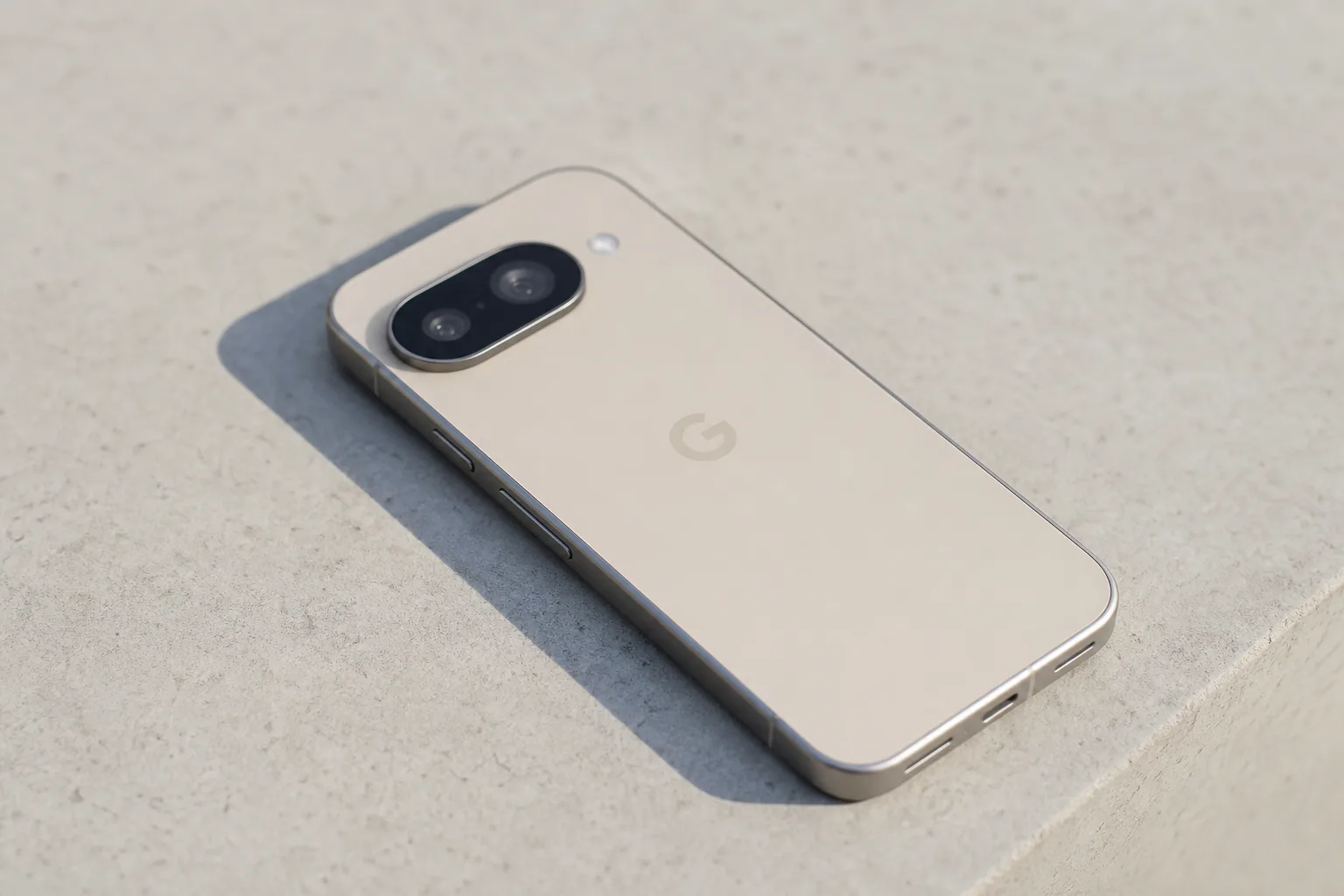
The Google Pixel 10a had a rough launch. Critics piled on because Google didn’t dramatically rework the hardware from the Pixel 9a, and some corners of the Android press treated that as a betrayal. But here’s the thing — Google held the line at $499 when every other major Android manufacturer was quietly hiking prices, and that decision is looking smarter by the month. Now, with Amazon Prime Day 2026 knocking $100 off the sticker, the Google Pixel 10a has gone from ‘uninspired mid-ranger’ to one of the most compelling Android purchases you can make right now.
- The Google Pixel 10a drops to $399 on Amazon Prime Day 2026, a full $100 off its $499 launch price.
- The Google Pixel 10a ships with seven years of software support and already runs Android 17 with App Bubbles.
- Critics dismissed the phone at launch for minimal spec upgrades, but rivals like Samsung and Motorola have since raised prices.
- Battery life stretches to two full days of mixed use, though charging speeds remain a known weak point for the lineup.
Table of Contents
Why the Google Pixel 10a Got a Bad Reputation It Didn’t Deserve
When Google unveiled the Google Pixel 10a earlier this year, the reaction was underwhelming at best. The Tensor G4 chip was carried over, RAM stayed at 8GB, and there was no dramatic camera hardware story to tell. In a product cycle culture obsessed with year-over-year spec leaps, the phone looked like a placeholder.
That framing was always a bit unfair. Google made a deliberate call to keep costs stable rather than padding a spec sheet. And the competitive context has since shifted significantly in Google’s favour. Samsung’s Galaxy A-series and Motorola’s edge lineup have both seen price increases in 2026, which makes the Pixel 10a’s $499 original price — and especially its current $399 Prime Day price — look sharp by comparison. The phone didn’t change. The market did.
Android 17 Is the Google Pixel 10a’s Strongest Selling Point
Forget the chip debate for a moment. The single biggest reason to buy a Pixel over competing midrange Android phones is software, and Android 17 makes that case more convincingly than any Pixel release in recent memory. The Google Pixel 10a is already running it, and the update is a meaningful step forward rather than a coat of paint.
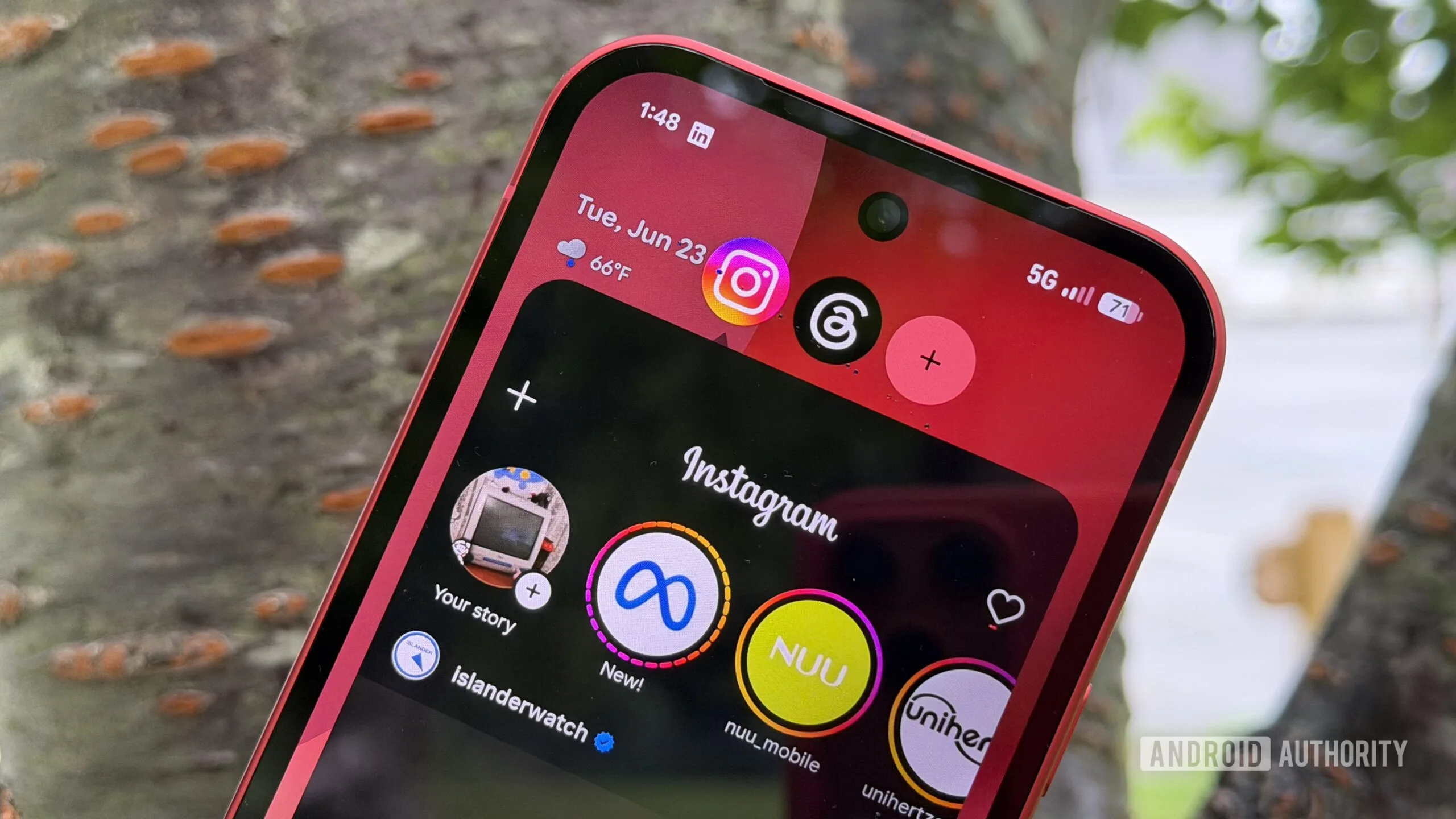
The headline feature is App Bubbles — a rethought approach to multitasking that lets you float active apps as persistent bubbles on screen, tap to switch between them, and pull up a recent-bubble tray with a single touch. It sounds like a small quality-of-life change, but it genuinely makes the phone feel more fluid to use day-to-day. Android multitasking has long been a frustration point for users switching from iOS, and this goes a real distance toward fixing that.
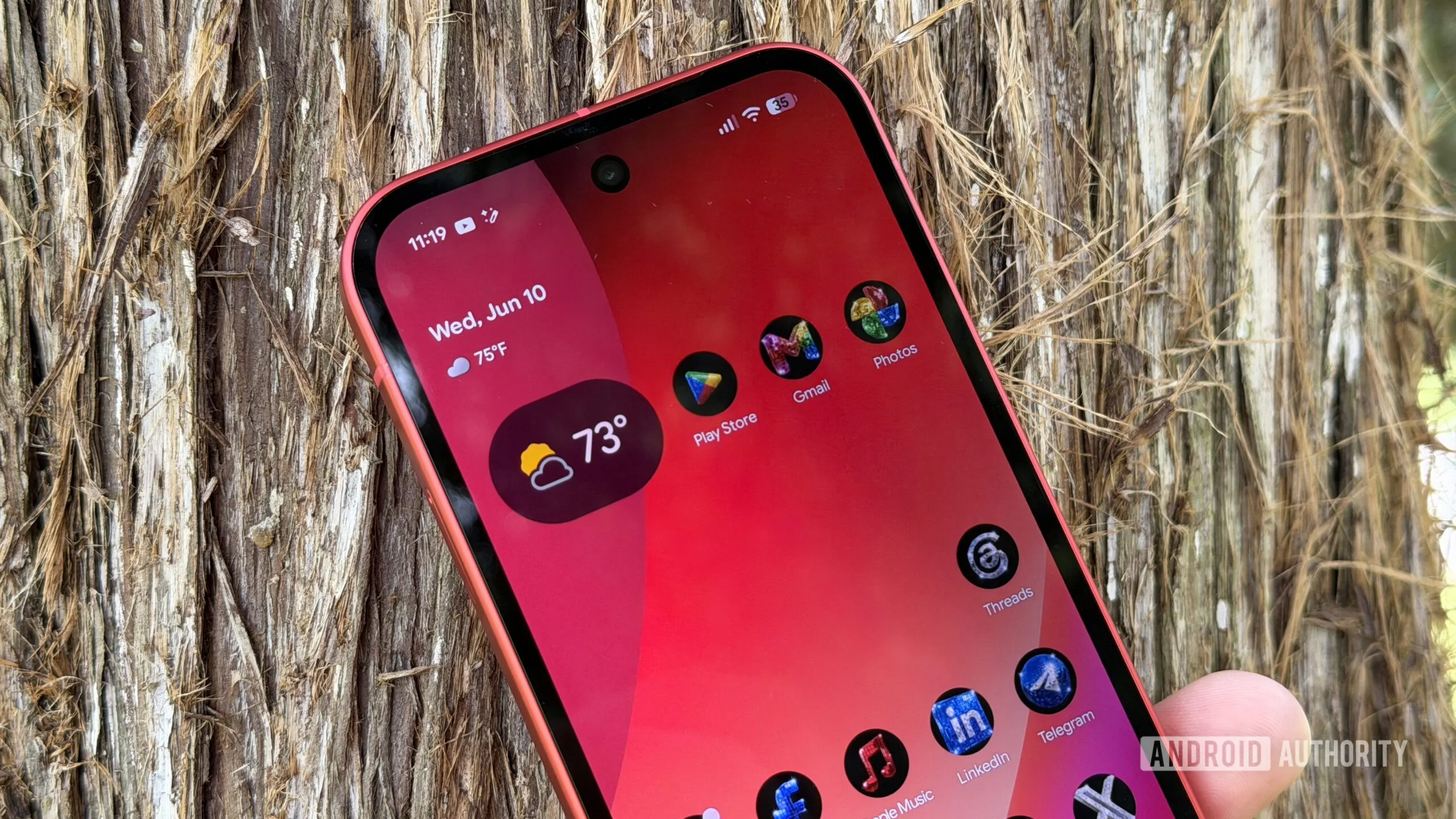
Google has also expanded customisation options in a big way. New icon packs, a broader dark mode that reaches deeper into third-party apps, and refinements to the Material 3 Expressive design language all add up to a home screen and system UI that finally feels intentional rather than assembled. Pixels used to trail Samsung’s One UI badly on personalisation. That gap has closed.
Then there’s the long-term software commitment. The Google Pixel 10a is rated for seven years of OS updates and security patches. In a product category where many $400 Android phones from other brands receive only limited software support before going dark, that’s a genuinely significant differentiator — especially if you plan to hold onto this phone for a while.
Tensor G4 Performance: Capable Enough, Especially at This Price
Google’s Tensor chips have always attracted controversy. The argument goes that Tensor prioritises on-device AI processing over raw CPU grunt, and that at flagship prices, that trade-off is hard to defend against a Snapdragon 8 Elite. That’s a reasonable debate. But at $399? It’s almost irrelevant.
The Tensor G4 in the Google Pixel 10a outperforms most of what you can buy at the lower end of the midrange phone market. Day-to-day tasks — browsing, streaming, social media, photography — feel snappy. The phone doesn’t stutter opening apps or lag when switching between heavy tasks. The 8GB of RAM does impose an upper ceiling on aggressive multitasking, and you’ll notice background apps getting culled if you’re running a lot simultaneously, but for most users’ actual habits, it won’t be a problem.
What is genuinely impressive is how little the AI feature trade-offs matter in practice. Some of the more advanced Gemini Intelligence capabilities are off the table due to RAM constraints, but Google hasn’t stripped the phone bare. Gemini Live, Auto Best Take, and the full suite of core AI-assisted tools are still present. You’re not buying a crippled device — you’re buying a device that makes sensible compromises to hit a price point.
Camera and Battery: The Pixel 10a Still Has an Edge Where It Counts
The camera story for the Google Pixel 10a is nuanced. Google’s computational photography lead over the broader Android midrange has narrowed — Motorola in particular has done impressive work in this segment over the past two years. If you prefer punchy, saturated colours and high-contrast shots, a recent Motorola moto g might actually appeal to you more on a colour science basis.
Where Pixel still wins, and wins clearly, is low-light photography. Google’s Night Sight processing remains the best in class below $499. The combination of Google’s imaging algorithms and the dedicated image signal processor in the Tensor G4 means that dark restaurant photos, evening street shots, and indoor low-light scenes come out with detail and clarity that phones at this price point can’t reliably match. At $399 with Prime Day pricing, the Google Pixel 10a delivers that capability for less than most competitors charge for phones that can’t come close to replicating it.
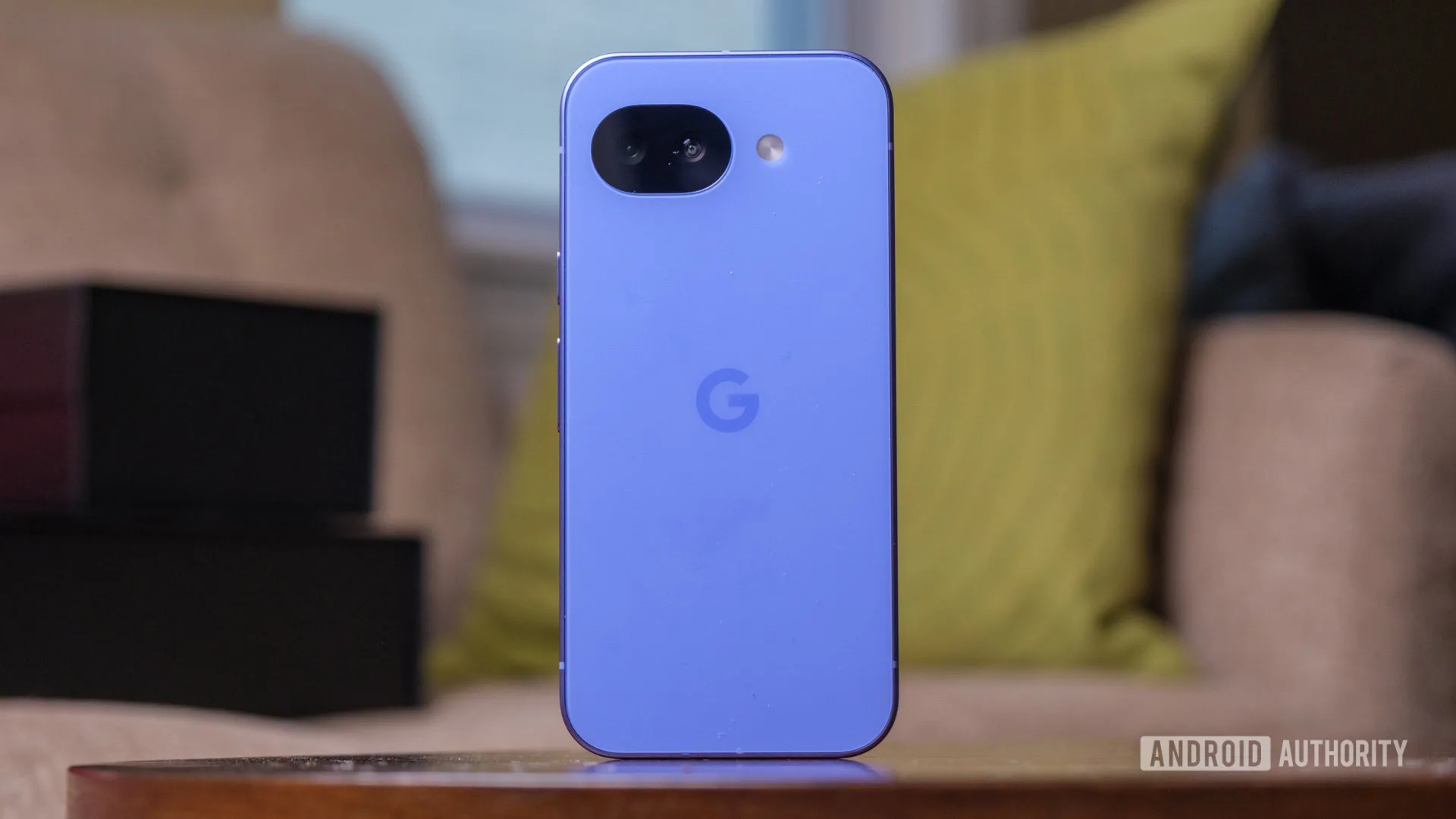
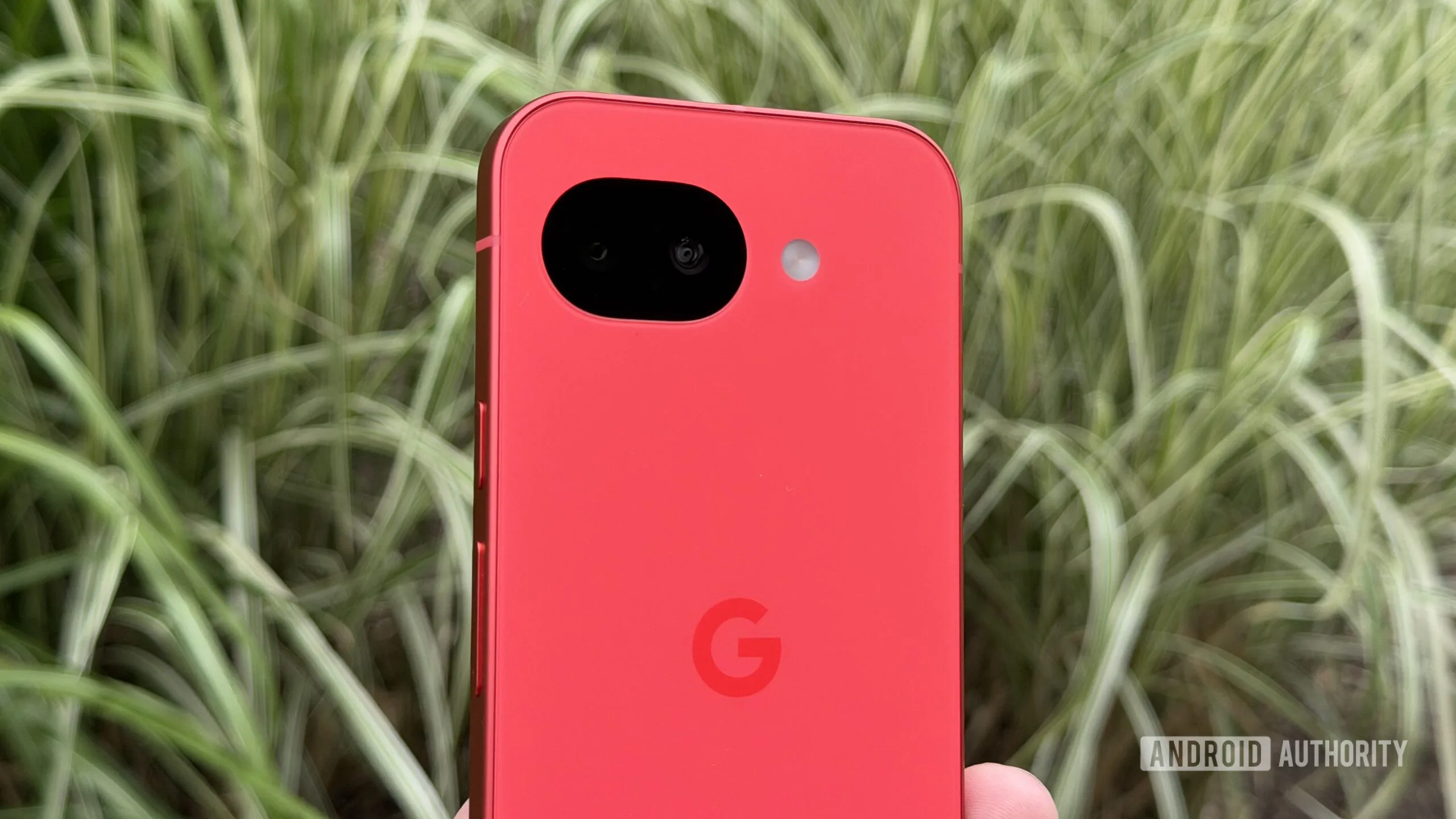
Hardware-wise, Google made one genuinely smart design choice that deserves more attention: the flat back camera glass. The Pixel 10a doesn’t have an aggressive camera bump. The lens array sits more flush than on virtually any comparable phone right now. It’s a small thing that makes a real difference when the phone is sitting on a table or tucked in a pocket.
Battery life is excellent — you can genuinely expect two full days of mixed use from the 5,100mAh cell. That said, if you’ve been following Pixel for a while, the charging speed situation will be familiar and frustrating. Pixel charging speeds are still embarrassing, and it’s the one area where the Pixel 10a asks you to accept a real trade-off.
At $399, the Window Is Open — But Won’t Stay That Way
Prime Day pricing is by nature temporary, and the Google Pixel 10a‘s $399 Amazon deal won’t last beyond the sale window. But the broader point is worth sitting with even after the discount expires: the Pixel 10a at its regular $499 is still a more competitive phone than it got credit for at launch, and the rivals it’s priced against have only gotten more expensive since.
If you’ve been waiting for the right moment to try a clean Android experience — no manufacturer bloatware, no delayed updates, no uncertainty about long-term support — this Prime Day deal is about as good an entry point as you’re likely to find. Seven years of updates, a genuinely capable camera system, and the latest version of Android already installed, for under $400. The critics were wrong about this one. And as Samsung and Motorola continue trending upmarket, the case for Google’s steady-price strategy is only going to get stronger.
Frequently Asked Questions
Is the Google Pixel 10a worth buying on Prime Day 2026?
At $399, the Google Pixel 10a offers strong value — seven years of software support, a capable Tensor G4 chip, excellent low-light photography, and Android 17 out of the box. The Prime Day discount closes most of the gap between it and more expensive midrange competitors.
What is new in Android 17 on the Pixel 10a?
Android 17 brings App Bubbles for easier multitasking, expanded dark mode support across apps, new icon packs, and builds on Google’s Material 3 Expressive design language.
How long does the Pixel 10a battery last?
The Pixel 10a carries a 5,100mAh battery that delivers roughly two days of mixed use on a single charge. Charging speeds remain slow compared to rivals, but the battery capacity largely compensates for that limitation in everyday use.
Does the Google Pixel 10a support Gemini AI features?
Some Gemini Intelligence features are limited or unavailable on the Pixel 10a, but core features like Gemini Live and Auto Best Take are still included. Day-to-day performance is unaffected by the absence of the more advanced Gemini capabilities.

