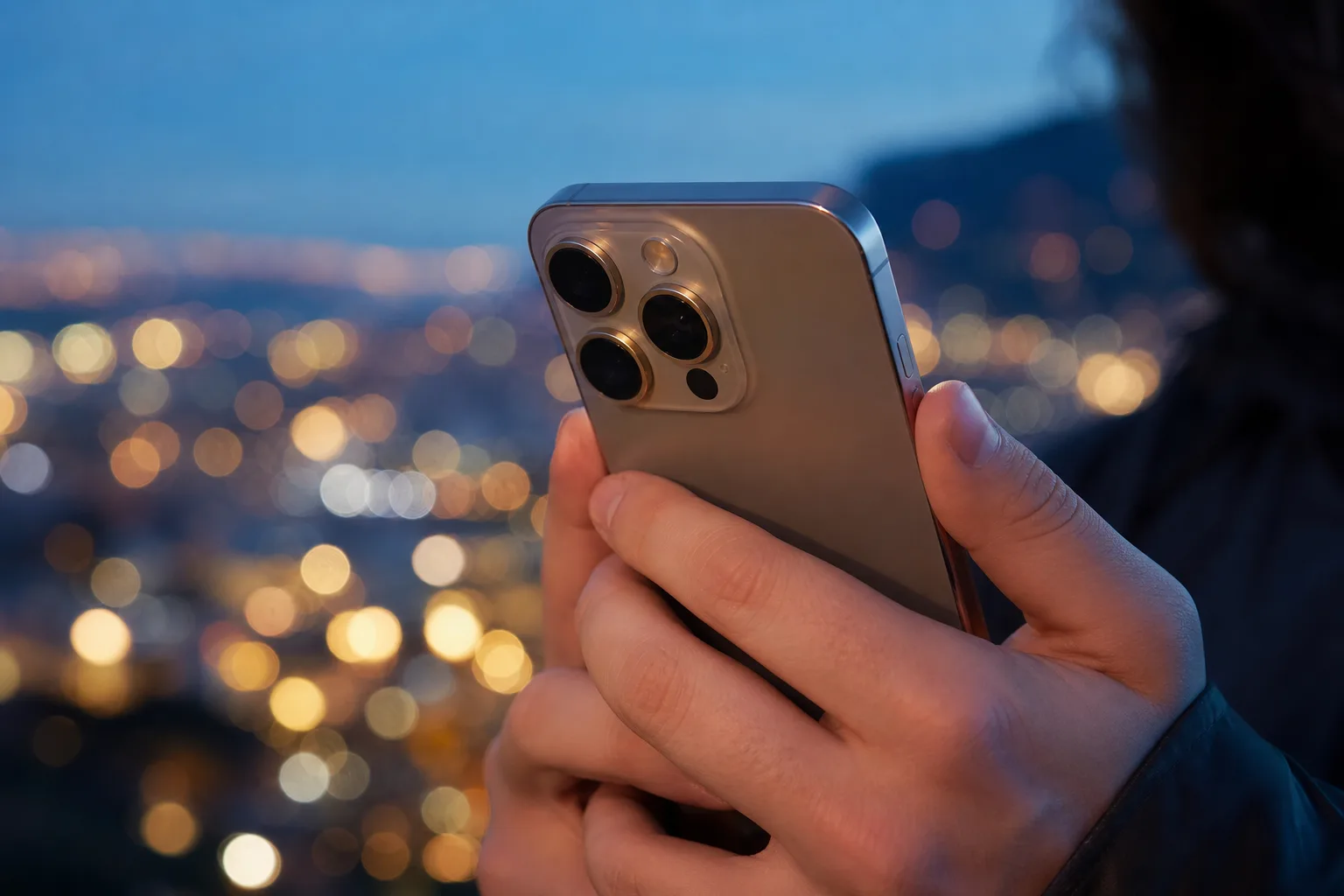
- The iPhone 18 Pro camera is rumored to add variable aperture hardware, giving photographers more direct control over depth and exposure.
- A brighter telephoto lens could make the iPhone 18 Pro camera noticeably more useful for zoomed shots after sunset.
- Apple reportedly plans pro-oriented software controls, though the company has not disclosed what those tools will look like.
- The real question is whether Apple puts advanced controls in reach of ordinary users rather than burying them behind complicated menus.
Table of Contents
The iPhone 18 Pro camera may finally get serious hardware control
For years, Apple has made the iPhone camera better through computational photography: stack a bunch of frames, let the chip make judgment calls, hand the user a polished image. It works remarkably well most of the time. But the rumored iPhone 18 Pro camera upgrades point toward something photographers have wanted for ages: less automation when they do not want it.
Reporting from Bloomberg’s Mark Gurman suggests Apple is preparing what he describes as its biggest camera-hardware jump in some time. The early picture centers on three changes: a variable-aperture main lens, a telephoto lens with a wider aperture, and software features aimed at more demanding camera users.
None of this is official, and Apple’s annual fall hardware cycle leaves plenty of room for details to change. The direction still matters. Apple has spent years turning the iPhone into an excellent point-and-shoot. The next move may be to make it a more deliberate photographic tool too.
Variable aperture could be the iPhone 18 Pro camera’s biggest change
Variable aperture sounds like camera-shop terminology, but the practical idea is simple. An aperture is the adjustable opening inside a lens that controls how much light reaches the sensor. Open it wider and you can collect more light while creating a shallower depth of field. Close it down and more of a scene stays in focus.
Traditional cameras have offered this control forever. On phones, though, the physical limits are brutal: lenses are tiny, sensors are small, and there is hardly any room behind a slab of glass and metal. Samsung has experimented with adjustable aperture mechanisms before, including on the Galaxy S9, but the feature never became a lasting smartphone standard. Apple attempting it now would be a notable bet that hardware still has a role to play alongside computational tricks.
For the iPhone 18 Pro camera, the useful outcomes depend entirely on implementation. A wider setting could help in dim restaurants, indoor events and night scenes without leaning quite so hard on multi-second processing. A narrower setting could preserve detail across a landscape or a group portrait. And yes, it might produce a more natural background blur than software-generated Portrait mode can manage around hair, glasses and fiddly objects.
That last part is the tantalizing one. Apple’s portrait processing has improved, but everyone has seen the occasional ugly edge cutout. Real optical blur does not have to guess where somebody’s shoulder ends. My read is that a variable aperture would be most valuable not as a manual-artistry gimmick, but as another source of cleaner data for Apple’s image pipeline.
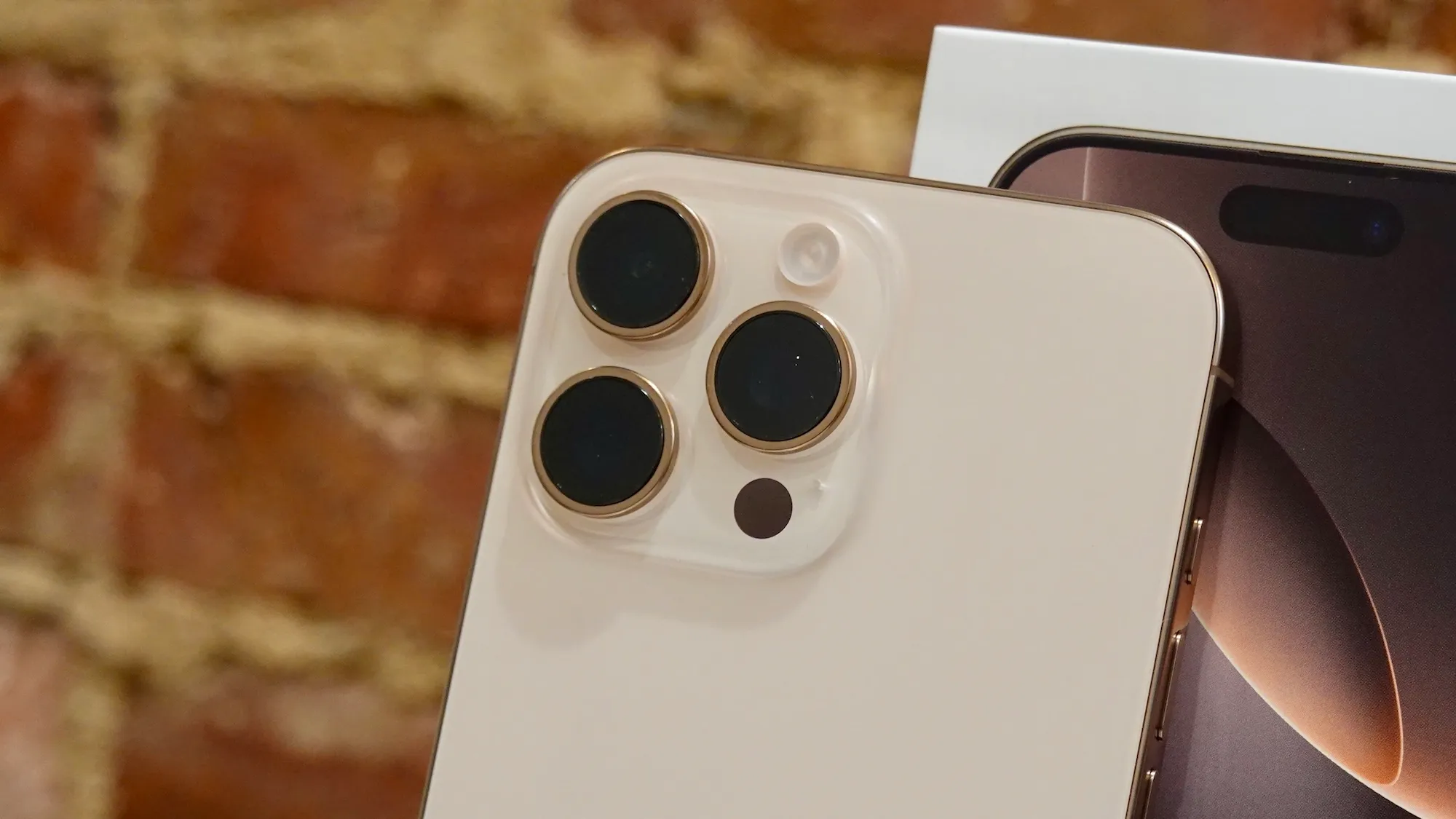
A brighter telephoto lens addresses a familiar weak spot
The second rumored improvement is more straightforward: a larger aperture for the telephoto lens. Telephoto cameras are often the weakest link in a phone’s rear camera array because zoom optics pass less light to the sensor. In bright daylight, modern flagships can produce crisp, punchy zoom images. At dusk, quality falls off a cliff and software often swaps to a crop from the main camera.
A brighter telephoto lens on the iPhone 18 Pro camera could reduce that compromise. Think of a child on a soccer field at sunset, a concert from halfway back in the crowd, or a city skyline after dark. Those are exactly the situations where optical reach is useful and phone cameras routinely disappoint.
Apple made a meaningful telephoto upgrade with the iPhone 17 Pro, according to the report’s framing, so this would be an attempt to build on that work rather than start over. It is also where Apple is under pressure. Google’s Pixel phones and Samsung’s Galaxy Ultra models have made zoom photography a major selling point, often with more visibly aggressive hardware choices. Apple has generally favored consistency over specification-sheet theatrics. Frankly, a brighter lens is the kind of boring-sounding change users will actually notice.
There are tradeoffs. Wider apertures make focusing more demanding, particularly on small mobile sensors, and lens design can grow more complicated. Apple will need to avoid exchanging low-light gains for unreliable focus or soft corners. If the company gets that balance right, the telephoto upgrade may prove more valuable than whatever flashy demo it uses on stage.
Pro software needs to avoid becoming a hidden menu
Software is the other half of the story. The Information previously reported that Apple intends to bring the camera capabilities of future Pro iPhones closer to professional cameras in certain advanced areas. That is a broad claim, and we do not yet know whether it means proper manual controls, expanded video settings, better color tools, or something more ambitious.
Apple’s existing Camera app remains almost comically simple for a device marketed to filmmakers and creators. It has basic exposure controls, but users who want shutter speed, focus peaking, waveform monitoring or more flexible white-balance controls often reach for third-party apps such as Blackmagic Camera or Halide. Apple has already shown it understands this audience: ProRes, Log video and the ability to record directly to external storage are not features built for casual snapshots.
The iPhone 18 Pro camera software could be where that split is resolved. Apple does not need to turn its default app into a cockpit full of knobs. It could offer an optional Pro interface, much as its Final Cut Camera app gives creators more control without confusing everyone else. The company’s own ProRAW documentation already makes clear that Apple sees the iPhone as a capture device for deeper editing, not merely a social-media camera.
There is also a rumored redesign for the Camera Control button. That hardware debuted as a clever but somewhat awkward attempt to make shooting feel more intentional. A revised control could matter if Apple uses it to quickly shift aperture, focus, exposure compensation or lens behavior. If it only gets a minor ergonomic tune-up, most people will forget it exists again within a week.
Apple’s camera strategy is moving beyond megapixels
The interesting part is how these reports fit together. Variable aperture, a brighter telephoto and deeper controls all point to an iPhone 18 Pro camera strategy centered on capture quality before processing. That is a subtle but meaningful shift.
Apple will still process the life out of images; that is the deal with modern phones. But better optics give computational photography a better starting point, like cooking with fresher ingredients rather than trying to rescue a mediocre meal with seasoning. The best smartphone cameras now win by combining both sides of that equation.
The real test will be what ships and whether Apple exposes the benefit without making users study a manual. The most compelling version of the iPhone 18 Pro camera is not one that merely matches a dedicated camera’s feature list. It is one that makes difficult photos easier to take, then gives serious photographers the confidence to take over when the algorithm gets it wrong.