

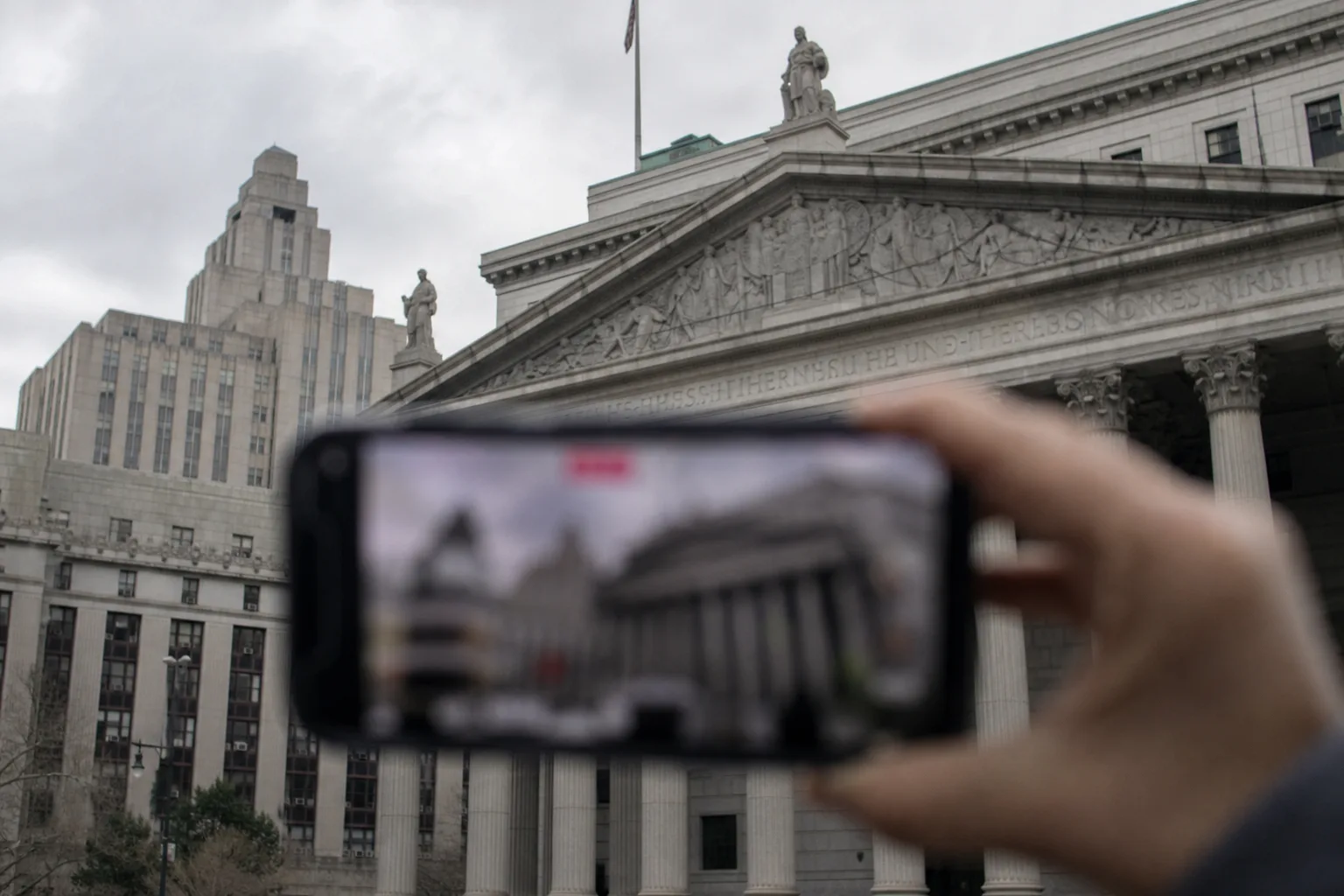
- The Martin Shkreli ban faces a contempt challenge after regulators alleged repeated trading in pharmaceutical company shares.
- Regulators say the Martin Shkreli ban also prohibited public statements capable of influencing drug companies’ business interests.
- The FTC and seven states want Shkreli to divest holdings, surrender trading gains, and face escalating penalties.
- The dispute tests whether lifetime corporate restrictions carry real consequences after a high-profile antitrust judgment.
Table of Contents
The Martin Shkreli ban is headed back to court
Martin Shkreli has spent years trying to turn notoriety into a kind of always-on internet performance. Now the Martin Shkreli ban may put that performance under a federal judge’s microscope. The Federal Trade Commission and attorneys general from seven states have asked a court to hold the former pharmaceutical executive in contempt, alleging he repeatedly ignored a lifetime prohibition on participating in the drug industry.
The accusation is unusually blunt. Regulators say the Martin Shkreli ban was ignored when Shkreli traded shares in dozens of pharmaceutical companies after being barred from doing so, and used social-media livestreams to discuss the sector in ways the order expressly prohibited. This is not a technical dispute over a forgotten filing date. The government’s claim is that a defendant subject to one of the toughest remedies in modern antitrust enforcement behaved as though the injunction were optional.

That’s a terrible look for Shkreli, obviously. But it is also a consequential enforcement test for the FTC. Lifetime bans sound muscular when they appear in a press release. Their real value depends on what happens when the person on the receiving end decides to test the boundaries in public.
Why the restrictions were so sweeping
The Martin Shkreli ban grew out of the Daraprim case, one of the defining pharmaceutical pricing scandals of the last decade. Daraprim is used to treat toxoplasmosis, a potentially life-threatening parasitic infection that can be particularly dangerous for people with weakened immune systems. Shkreli’s company raised its price from $17.50 to $750, an increase of more than 4,000 percent.
Price hikes alone are not automatically illegal, even when they are morally grotesque. The legal core of the FTC’s case was the alleged scheme to keep generic competitors out of the market. Shkreli and his company allegedly used tactics that blocked generic competitors from entering the market.
In 2022, a federal court imposed the lifetime industry ban. The court acknowledged the severity of shutting someone out of an entire business, but described his conduct as “egregious, deliberate, repetitive, long-running, and ultimately dangerous.” That language matters. Judges do not casually reach for a lifetime remedy; it was meant to prevent a repeat, not merely punish a past offense.
The order reportedly bars Shkreli from owning stock in pharmaceutical companies and from making public statements likely to influence a drug company’s business. The latter provision may strike readers as broad, especially in an era where finance commentary pours out of podcasts, YouTube channels, Discord servers, and livestreams every hour. But Shkreli was not being regulated as an ordinary retail investor with a hot take. He was a former drug-company executive found liable for anticompetitive conduct in a market where a single medicine can determine whether patients receive treatment.
What the FTC says Shkreli did
The new contempt request, filed jointly by the FTC and officials from New York, California, Illinois, North Carolina, Ohio, Pennsylvania, and Virginia, says the alleged violations began almost as soon as the injunction took effect. The states are the same coalition that joined the original 2020 action, which should tell you this is not a one-agency cleanup operation.
Regulators allege that Shkreli held and traded stock in numerous pharmaceutical companies, despite the Martin Shkreli ban forbidding those investments. They also point to livestreams in which he discussed pharmaceutical businesses. Public commentary can move markets, particularly when it comes from someone with a history in the industry and an audience eager to parse every provocation for a tradeable signal.
The filing contains allegations, not a new finding of fact. Shkreli will have the opportunity to challenge the government’s characterization and argue his side before the court. Still, the alleged conduct is striking because it is so visible. If the government can substantiate it, the case will look less like a sophisticated attempt to exploit ambiguity and more like someone livestreaming from inside the guardrails.
The requested remedies are practical: compel divestment from pharmaceutical holdings, require Shkreli to hand over profits from the disputed trades, and establish escalating sanctions for future violations. Those could include additional monetary penalties and incarceration. Contempt is one of the judiciary’s few direct tools for enforcing its own orders, and regulators are plainly asking the court to use it with some teeth.
A tougher question than one notorious defendant
The Martin Shkreli ban is a useful stress test for the post-social-media enforcement era. Court orders were written for a world of boardrooms, brokerage statements, press interviews, and formal corporate roles. Today, a person can build a market-facing persona from a bedroom studio, comment on individual companies in real time, and cultivate a community that treats investing like spectator sport.
That does not make restrictions impossible to enforce. It does make them harder to define and monitor. A ban on owning pharma stocks is comparatively clear: records can show what someone bought and sold. A restriction on statements that might influence a company is messier. Was a remark analysis, advocacy, promotion, a recommendation, or an attempt to move sentiment? Context matters, as does audience size and the speaker’s financial interest.
Frankly, regulators should welcome that difficulty rather than pretend it does not exist. The financial influencer economy has become a sprawling, lightly supervised zone where disclosures are inconsistent and performative certainty often beats actual expertise. The Securities and Exchange Commission has already brought cases involving undisclosed compensation and misleading social-media promotion. Pharmaceutical markets add another layer of public interest because the underlying companies affect drug access, clinical research, and healthcare spending.
The official case materials address the original action and the permanent restrictions. The agency’s argument now is straightforward: a lifetime ban that cannot stop direct ownership or conspicuous public involvement is not much of a ban at all.
The penalty will signal whether the order means anything
This could be dismissed as another chapter in the Martin Shkreli spectacle. He has always understood that attention can be converted into influence, and internet audiences are remarkably willing to reward people who confuse notoriety with insight. But the contempt motion has stakes beyond his personal brand.
If a judge finds that the Martin Shkreli ban was violated, a meaningful remedy would reinforce that antitrust injunctions are enforceable limits, not reputational accessories. A weak response, by contrast, would invite every sanctioned executive to treat corporate exclusions as a problem for clever lawyers and disposable accounts.
My read is that the court will focus less on Shkreli’s celebrity and more on the plain language of the 2022 order, the records behind the alleged trades, and the exact content of the broadcasts. That is how it should work. Yet the broader question will linger: when markets now run partly through personalities, can regulators write restrictions that are clear enough to enforce before the livestream ends?