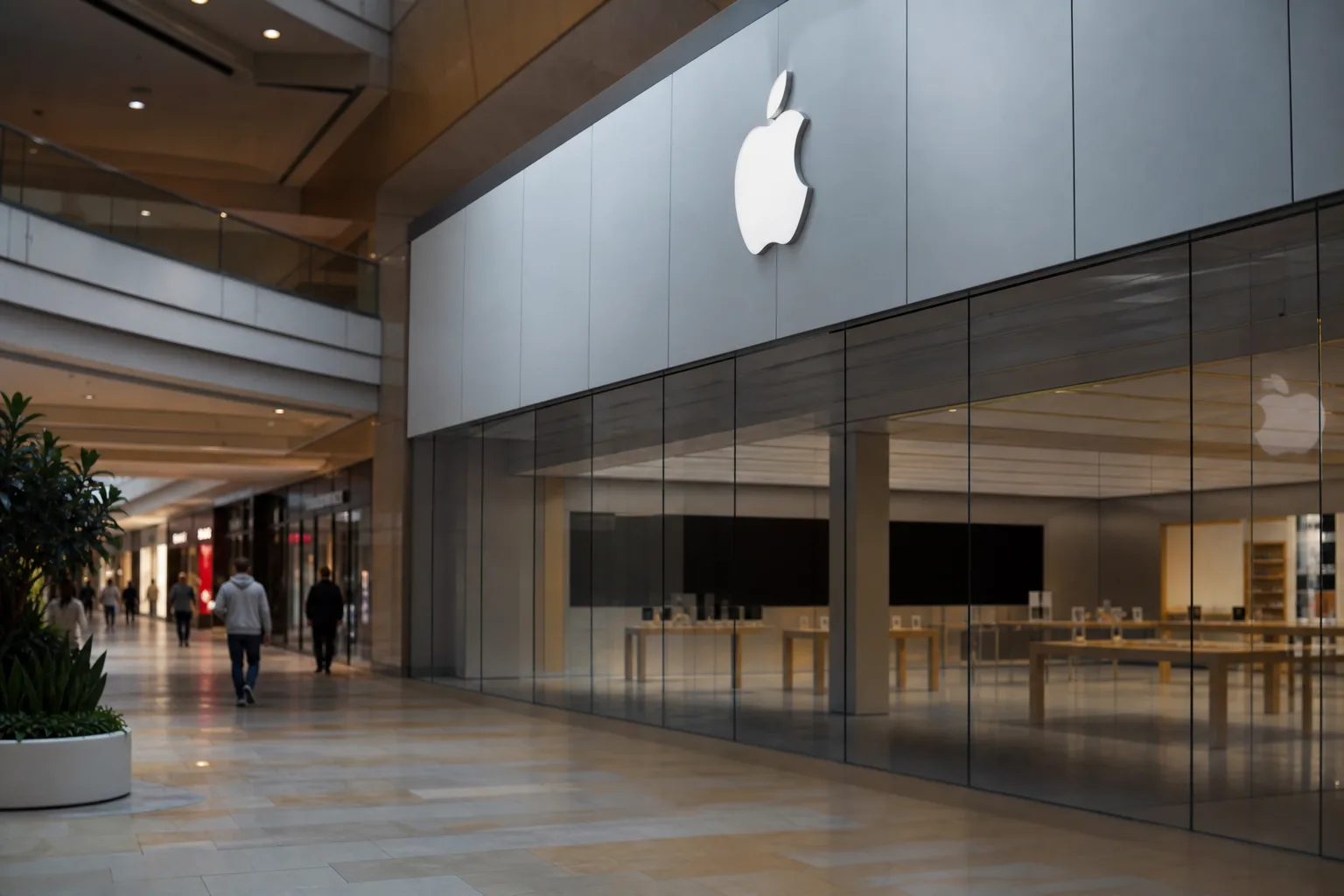
Three Apple Store closures became permanent on June 20, 2026, as locations in Maryland, California, and Connecticut switched off their lights for the last time. Apple first telegraphed this move back in April, and while the company’s official reasoning centers on struggling malls, one of these shutdowns has ignited a fierce labor dispute that’s drawn in union presidents and US lawmakers alike.
- Apple Store closures at three US locations in Maryland, California, and Connecticut took effect on June 20, 2026.
- Apple cited declining mall conditions for the Apple Store closures, pointing to retailer departures and loan defaults.
- The Towson closure is the most controversial — it was the first unionized Apple Store in the US.
- Union leaders and lawmakers accused Apple of punishing workers for organizing, which Apple has not publicly addressed.
Table of Contents
Which Apple Stores Are Closing — and When
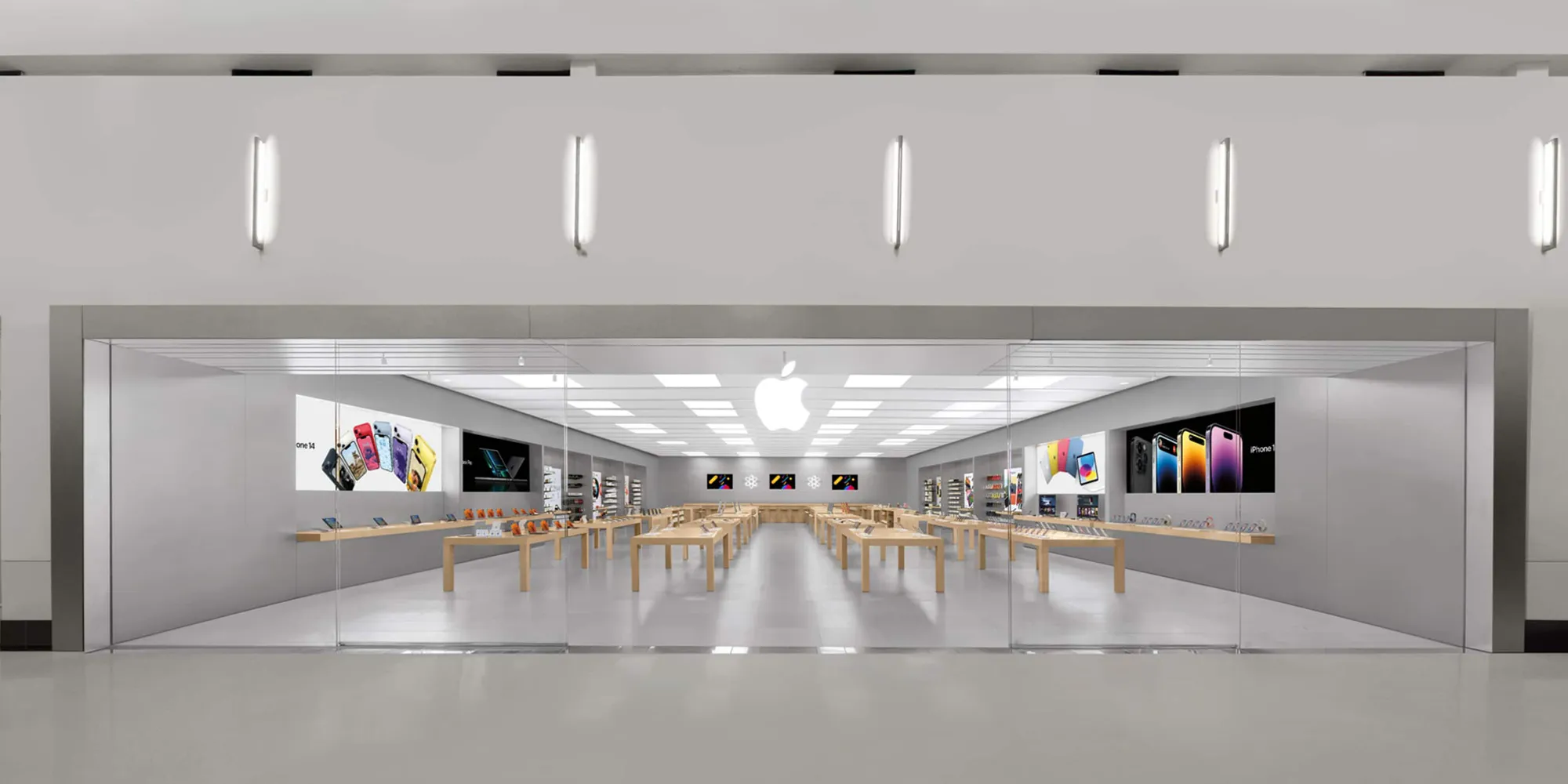
The three locations affected by the Apple Store closures are spread across the East and West Coasts. Apple Towson Town Center in Towson, Maryland closed at 8 p.m. local time. Apple North County in Escondido, California and Apple Trumbull in Trumbull, Connecticut both followed at 9 p.m. their respective time zones. All three stores have been operating inside traditional enclosed malls — a format that’s been under serious pressure for the better part of a decade.
Dying Malls Are the Stated Reason
Apple’s official statement doesn’t mince words about the condition of these properties. The company told reporters in April that it had made ‘the difficult decision to close our stores at these locations’ following ‘the departure of several retailers and declining conditions’ at Trumbull Mall, the Shops at North County, and Towson Town Center. These Apple Store closures were framed entirely as a real estate decision.
That framing is hard to argue with on a surface level. Trumbull Mall has defaulted on more than $150 million in loans — an eye-watering figure that signals deep structural trouble rather than a temporary rough patch. Towson Town Center, which sits just outside Baltimore, has shed a string of recognizable names so far this year: Tommy Bahama, Banana Republic, and Madewell have all walked out. When a mall loses those kinds of mid-market anchors, foot traffic doesn’t just dip — it collapses.
The broader mall crisis in the US isn’t new. Commercial real estate analysts at CoStar have tracked accelerating vacancy rates at enclosed malls for years, a trend that the pandemic turbocharged and that hasn’t meaningfully reversed. Apple has historically been selective about where it plants its stores — choosing premium locations with high foot traffic. When the surrounding retail ecosystem evaporates, it makes sense that Apple would reassess and that Apple Store closures would follow.
The Towson Closure Is a Different Story Entirely
Here’s where the Apple Store closures get genuinely complicated. Apple Towson Town Center wasn’t just any store — it was the first Apple Store in the United States to unionize, a milestone it reached in June 2022 when workers voted to join the International Association of Machinists and Aerospace Workers (IAM). That context makes everything about how Apple is handling this closure feel loaded.
At the Escondido and Trumbull stores, Apple has offered employees the ability to ‘continue their roles at nearby Apple Retail stores’ — a relatively clean transition. At Towson, the deal is structured differently: workers there can ‘apply for open roles at Apple in accordance with the collective bargaining agreement.’ That’s a meaningful distinction. Applying for a role is not the same as being transferred into one.
The union isn’t buying Apple’s mall-decline explanation as the full picture. IAM Union International President Brian Bryant issued a pointed statement in April: ‘This is about whether workers are treated fairly under the law or punished for exercising their rights. Apple is denying union-represented workers the same opportunities it is giving to others — and doing so because these workers chose to organize. That is discrimination, and it is exactly what federal labor law is designed to prevent.’
That’s a serious allegation. Bryant is essentially arguing that Apple is using the mall’s decline as cover to rid itself of its only unionized US store — a charge that, if substantiated, would expose Apple to significant legal liability under the National Labor Relations Act. Apple has not publicly responded to the discrimination framing in any detail. The Apple Store closures at Escondido and Trumbull have attracted far less scrutiny precisely because no union contract is involved.
What the Union Agreement Actually Requires
Apple has said the collective bargaining agreement at Towson contains a specific provision: if Apple opens a new store within 50 miles of the closed location, it must offer transfers to displaced workers within that same radius. As of now, Apple says it has no plans to open a store in the area — which, conveniently, means that transfer obligation never triggers.
Whether that’s strategic or simply a reflection of genuine business realities in the Baltimore market is something only Apple’s internal deliberations would reveal. But critics, including several US lawmakers who have weighed in on the closure, clearly believe it’s the former. When politicians start publicly questioning a tech company’s labor practices around Apple Store closures, you know the PR calculus has shifted.
Apple’s Retail Strategy Under a Microscope
Step back from the labor fight and the Apple Store closures still tell an interesting story about where Apple thinks physical retail is headed. The company has been on an aggressive expansion and renovation campaign globally — opening flagship stores in major metropolitan areas, investing heavily in the in-store experience, and positioning Apple Stores as premium brand destinations rather than just sales floors.
Closing three mid-tier mall stores while simultaneously expanding elsewhere isn’t a retreat from retail — it’s a refinement. Apple reportedly operates around 270 stores across the US, so three closures don’t move the needle operationally. What it signals is that Apple has little appetite for locations where the surrounding environment undermines the premium experience the brand depends on. A store next to empty storefronts and a shuttered Banana Republic isn’t projecting the image Apple wants.
That logic makes sense from a brand perspective. What’s harder to reconcile is why the transition terms for Towson employees differ so markedly from those at Escondido and Trumbull. If the Apple Store closures are purely a real estate decision, why would the labor structure around them look different at the one location with a union contract? Apple will need a better answer to that question if it wants to avoid a protracted legal battle — and a broader conversation about how it treats workers who choose to organize.
For now, three stores are dark. The mall closures story will keep writing itself — there are plenty of struggling properties left in the US. But the Towson chapter isn’t closed yet. Labor boards move slowly, but they do move, and the IAM has every incentive to push this as far as it can go.