

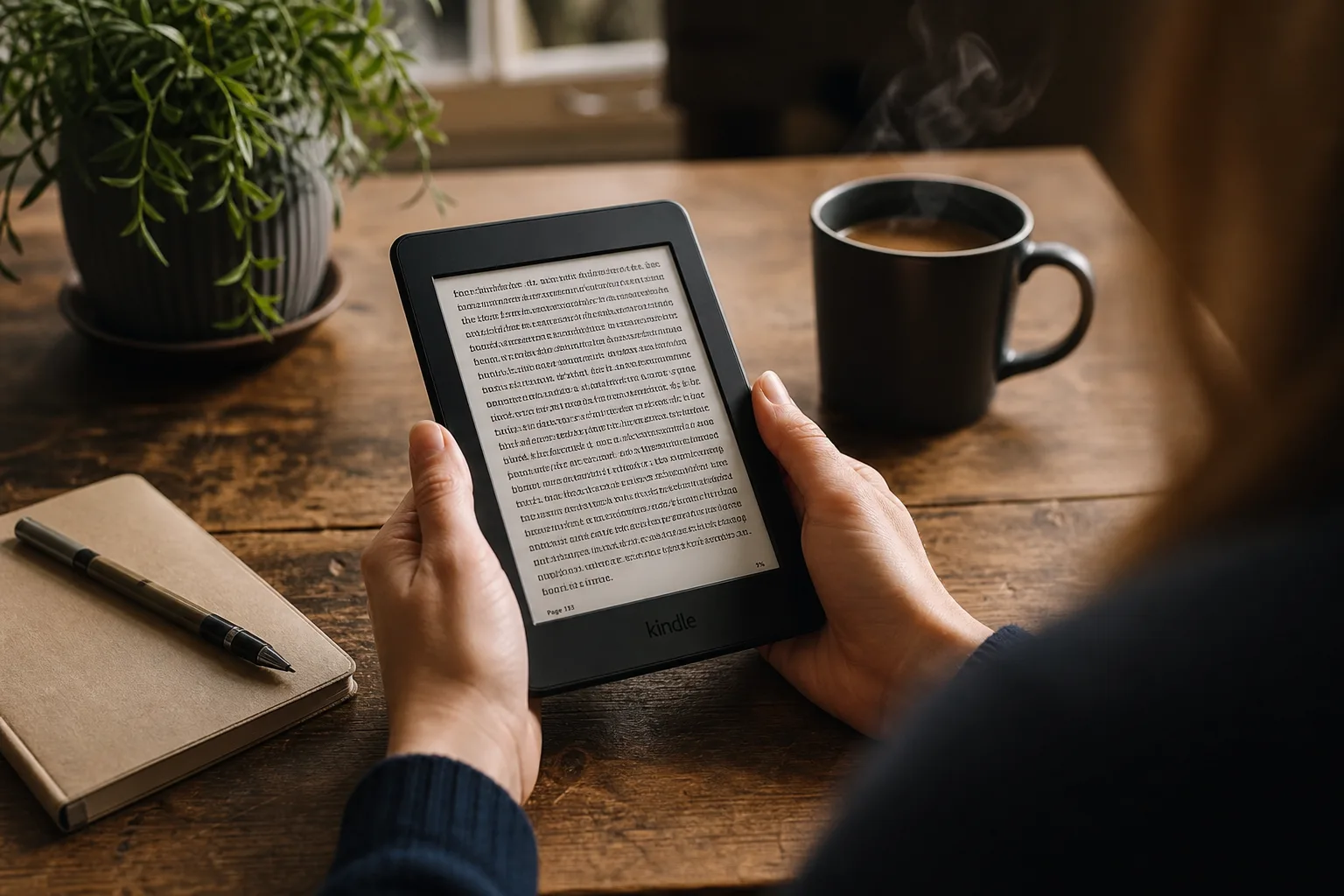
Your Kindle is quietly sitting on a library of free Kindle books that most people never find — over 60,000 titles available at any given moment on Amazon alone, before you even count what’s accessible through your local library or the open web. The problem isn’t supply. It’s discovery. Amazon has never made finding free titles particularly easy, which means most Kindle owners spend real money on books they didn’t have to, or default to a Kindle Unlimited subscription they may not actually need.
- Amazon offers over 60,000 free Kindle books at any given time, but finding them takes knowing where to look.
- Free Kindle books are available through Prime Reading, Libby, and Project Gutenberg’s 75,000-title library.
- Stuff Your Kindle Days are community events where indie authors temporarily make ebooks free to download.
- Using multiple library cards in the Libby app dramatically expands which free Kindle books you can borrow.
Table of Contents
Why Amazon Makes Finding Free Kindle Books Harder Than It Should Be
This is a bit of a quiet frustration among avid readers. Amazon does technically offer a ‘Free Kindle Books’ section, but it shows only a fraction of what’s actually available. The company has never published a complete, browsable list of free titles — which is a strange omission for a platform that prides itself on discoverability.
The workaround most people stumble onto — searching ‘Kindle free books’ in the store and sorting by price — technically works, but it’s an unwieldy process that buries useful results under a mountain of irrelevant listings. Genre filters help, but not enough.
The smarter move is to go directly to Amazon’s Top 100 Best Sellers lists, which are updated hourly and specifically track the most-downloaded free Kindle books at any given time. What fewer people realise is that these lists are filterable by genre using the sidebar — so if you read occult horror, horticulture, or anything in between, you can drill down without wading through titles that are irrelevant to you. It’s one of Amazon’s more useful hidden features, and it’s completely free to use.
Amazon Prime‘s Reading Perks Are Underused
If you’re already paying for Amazon Prime — and with well over 200 million subscribers globally, there’s a reasonable chance you are — you’re probably leaving free Kindle books on the table every single month.
Prime Reading lets members borrow up to 10 books simultaneously from a rotating catalog of more than 1,000 titles, including books, magazines, and comics. It’s not as broad as Kindle Unlimited’s library, but it has one meaningful advantage: there’s no firm return date. Prime Reading doesn’t restrict loans to fixed borrowing windows. For slower readers or people who are juggling several books at once, that’s actually a significant difference.
Amazon First Reads is another Prime benefit worth using. Each month, Amazon’s editors select two upcoming titles and give Prime subscribers early access — typically before the books officially publish. You get to pick one for free each month, which is a reasonable way to stay current with new releases without paying full price.
Some Prime Reading titles also include Audible narration, which is worth knowing if you switch between reading and listening depending on your commute or daily routine.
Stuff Your Kindle Days: Free Kindle Books From Indie Authors
If you’ve never heard of Stuff Your Kindle Days, you’re missing one of the more interesting grassroots phenomena in ebook publishing. What started as a promotional tactic in the romance genre has quietly spread across categories, turning into a community-driven event where independent authors make their ebooks temporarily free — often for just 24 to 48 hours.
These events are typically organised by groups like the Indie Author Collective and BookBub, and they tend to spotlight writers who aren’t already entrenched in Amazon’s recommendation algorithms. For readers, that’s genuinely useful. It’s a chance to discover free Kindle books from authors you’d never encounter through the usual ‘customers also bought’ loops, without spending a penny.
The catch is timing. These events move fast, and if you’re not watching for them, you’ll miss the window. Bookmarking sites like BookBelow and BookBub’s events calendar is the most reliable approach. Following genre-specific communities on BookTok or Reddit can also surface upcoming events early — often before they’re widely publicised.
Think of Stuff Your Kindle Days less like a sale and more like a literary pop-up. The best free Kindle books go quickly, and the readers who show up prepared are the ones who benefit most.
Your Library Card Is Worth More Than You Think
This is where a lot of readers leave significant value unclaimed. The Libby app, built by OverDrive, connects directly to your local public library system and lets you borrow free Kindle books and audiobooks completely free. All you need is a library card — which is itself free in virtually every public library system in the US and UK.
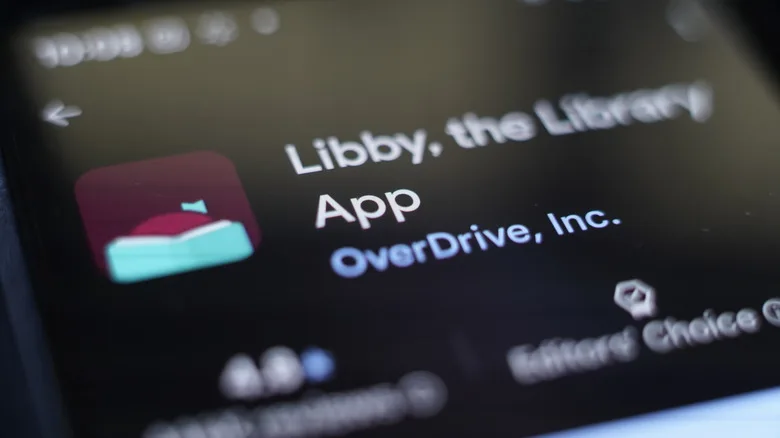
Libby functions like a proper digital library. You browse, borrow, and read entirely within the app, and the titles sync across devices including Kindle. The only real limitation is that borrows are time-limited — typically two to three weeks, depending on the library’s lending terms. That’s fine for most books, but if you’re planning to work through a genuinely long novel, it’s worth being realistic about your reading pace before you check it out.
Audiobook borrowing through Libby is also free, which is worth emphasising. Audible subscriptions carry a monthly cost in the US. If your library system has a solid audiobook catalog — and many do — Libby can meaningfully reduce or eliminate that cost.
One practical tip: Libby supports multiple library cards simultaneously. If you have cards from more than one library system — say, a city library and a university library, or cards from two different states — the app will search across all of them when you look for a title. This substantially increases the chance of finding something available immediately, rather than joining a waitlist.
Project Gutenberg: 75,000 Free Kindle Books, No Strings Attached
For anyone with a serious appetite for classics, Project Gutenberg deserves a permanent spot in your bookmarks. Founded by Michael Hart — widely credited as the inventor of the ebook — the project hosts over 75,000 free Kindle books, all of them free because their American copyrights have expired. The catalog was built by thousands of volunteers who digitised and proofread texts over decades.
The scope of what’s available is genuinely impressive. Dickens, Tolstoy, Austen, Hugo, Dostoevsky, Twain — virtually everything that’s survived long enough to enter the public domain is here, formatted for download directly to a Kindle. The site also lets you search by author, title, subject, and language, so navigating the library is less chaotic than you might expect given its size.
Project Gutenberg isn’t the right tool if you’re looking for new releases or contemporary fiction — that’s not what it’s for. But if your reading list skews toward work that’s already proven itself across generations, it’s one of the most useful free resources on the internet, full stop.

Building a Strategy That Actually Works
The readers who get the most out of their Kindles without spending heavily tend to combine these sources rather than relying on just one. Amazon’s Top 100 lists handle day-to-day discovery of free Kindle books. Prime Reading covers current titles for subscribers. Libby fills in the gaps with library catalog depth. Project Gutenberg handles the classics. And Stuff Your Kindle Days provide occasional windfalls of indie titles across genres.
None of this requires a Kindle Unlimited subscription. That’s not to say Kindle Unlimited is bad — for voracious readers who go through multiple books a week, it can absolutely be worth it. But it’s clearly not the only path, and for casual to moderate readers, the free routes outlined above will likely cover most of what they need.
The broader point is that the ebook ecosystem has more open space than Amazon’s interface suggests. The company’s incentive is obviously to steer you toward paid subscriptions and purchases. The tools to avoid that are real, they’re free, and they’ve been there the whole time — you just have to know where to look.
Frequently Asked Questions
How do I find free Kindle books on Amazon?
Amazon’s Top 100 Best Sellers lists — updated hourly — show the most downloaded free Kindle books at any moment. You can filter by genre using the sidebar. Alternatively, search ‘Kindle free books’ in the store and sort results by price, though that method is less reliable.
What is Prime Reading and how is it different from Kindle Unlimited?
Prime Reading is included with an Amazon Prime subscription and lets members borrow up to 10 books at a time from a rotating catalog of over 1,000 titles. Unlike Kindle Unlimited, which has a larger selection, Prime Reading loans are not restricted to 90-day chunks, so there is no firm return date.
What is the Libby app and do I need a library card to use it?
Libby is OverDrive’s app that connects to your local public library, letting you borrow ebooks and audiobooks for free. Yes, you need a library card to get started. Adding multiple library cards from different systems significantly expands the titles available to you.
What are Stuff Your Kindle Days?
Stuff Your Kindle Days are promotional events, often organized by groups like the Indie Author Collective and BookBub, where independent authors temporarily make their ebooks free. They started in the romance genre and have spread across many categories. Sites like BookBelow maintain calendars of upcoming events.
How many free ebooks does Project Gutenberg offer?
Project Gutenberg hosts over 75,000 ebooks, all of which are free because their American copyrights have expired. The project was founded by Michael Hart, widely credited as the inventor of the ebook, and its catalog was built by thousands of volunteers who digitized and proofread the texts.

