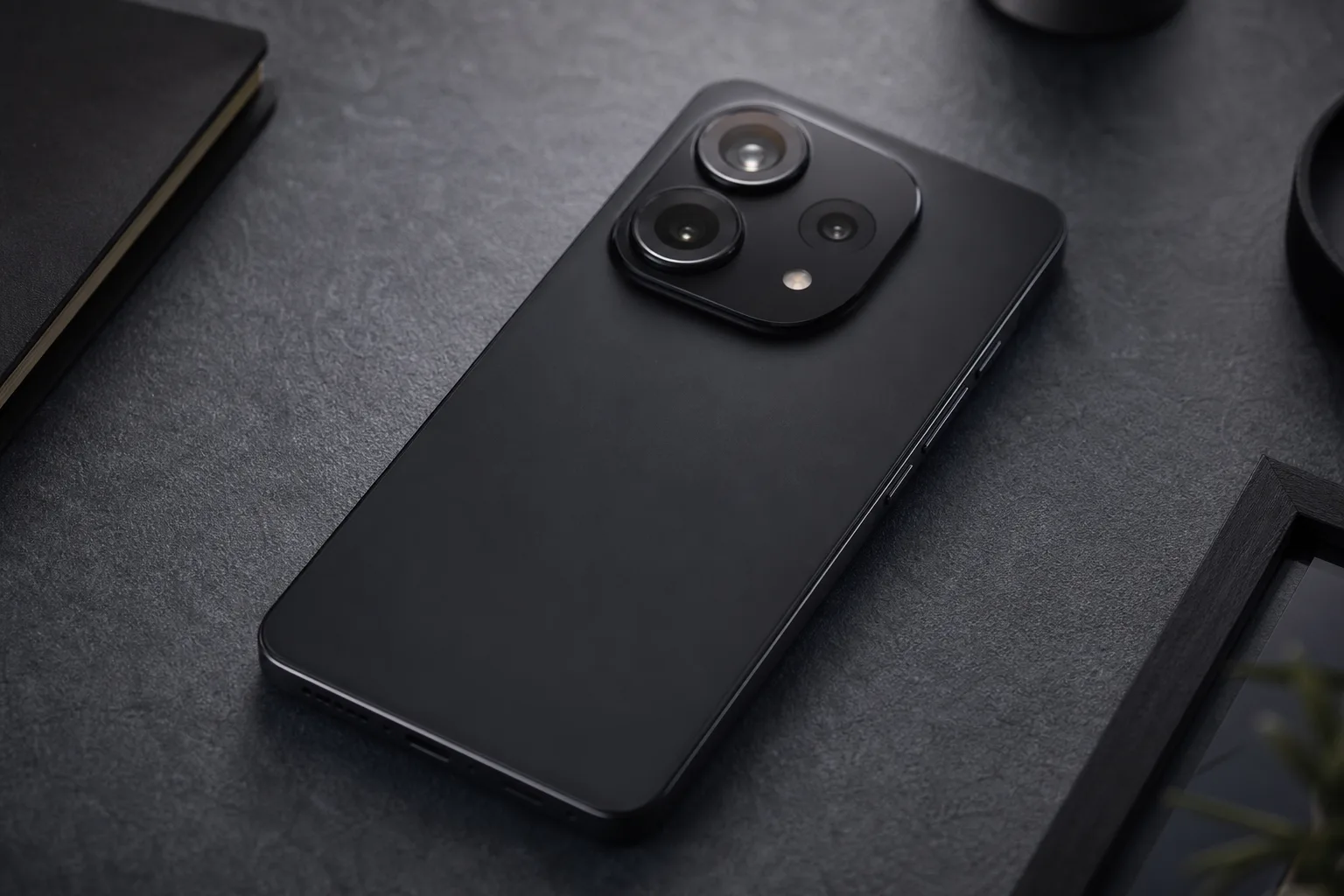
- Galaxy S27 Ultra CAD-based renders show a broad, asymmetric rear camera island replacing Samsung’s familiar standalone lens arrangement.
- The Galaxy S27 Ultra may remove its dedicated 3x telephoto camera, concentrating more of its zoom strategy around a periscope lens.
- Leaked dimensions suggest a slightly larger handset, though the dramatically thicker camera section would make existing cases impractical.
- Samsung appears to be positioning camera hardware, rather than minor styling tweaks, as the next Ultra model’s central upgrade.
Table of Contents
Galaxy S27 Ultra renders finally show a different Samsung
Samsung’s Ultra phones have spent years looking like they were designed by a committee that feared changing anything after lunch. The Galaxy S27 Ultra, if newly published CAD-based renders are close to the real thing, may finally break that pattern. Its defining feature is a large, offset rear camera island that abandons the individual floating-lens look Samsung has used across recent flagships.
That matters more than it may sound. Smartphone design is now largely a game of millimeters, matte finishes, and camera rings. Samsung has been especially conservative, while Apple, Google, Xiaomi, and HONOR have all been willing to make the camera housing the visual anchor of the phone. The apparent S27 Ultra design takes Samsung in that same direction, and frankly, it was overdue.
The images, created from leaked CAD measurements and published in collaboration with leaker Steve Hemmerstoffer, are not official product material. CAD files are often supplied to accessory makers before launch, which makes them useful but imperfect: dimensions can shift, sensor layouts can change, and colors are generally educated guesswork. Still, they tend to get the broad physical form right.
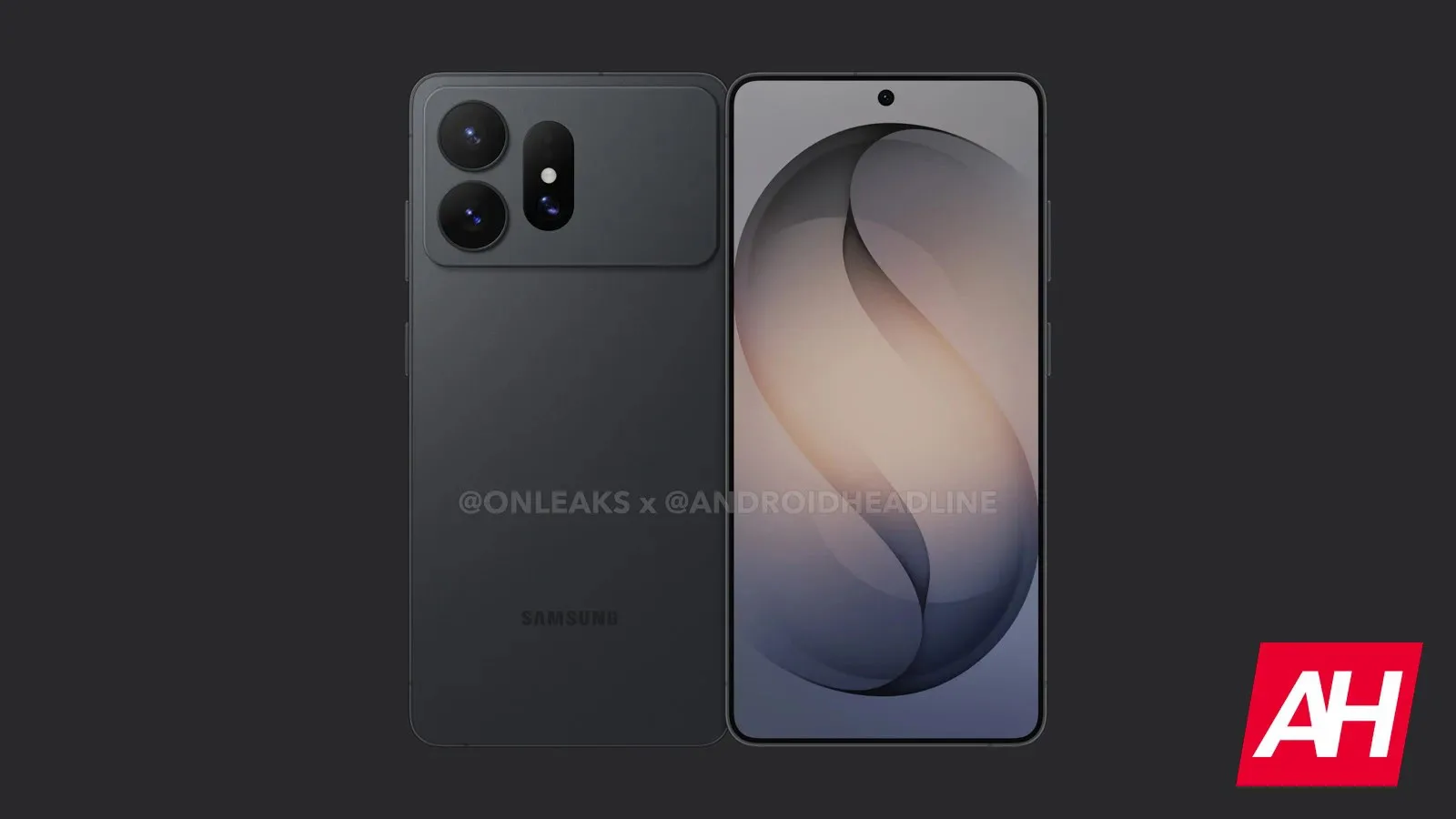
On this evidence, the Galaxy S27 Ultra would retain its familiar rectangular silhouette, integrated S Pen slot, and flat-looking sides. But turn it around and it could be a very different device. The rear hardware is gathered into a prominent lopsided plate, with the main cameras extending from that surface rather than sitting as separate circles directly on the glass.
The Galaxy S27 Ultra camera bump is the whole story
The reported measurements put the phone at roughly 163.76mm tall, 78.25mm wide, and 7.97mm thick. Those numbers would make it only marginally bigger than Samsung’s current Ultra-class hardware. The more revealing figure is the camera assembly, said to reach 12.53mm in thickness. That is not subtle. Put it on a table and this phone will likely have the posture of a paperback book with a set of keys underneath it.
There’s a practical reason manufacturers keep accepting these bumps: physics does not care about product-marketing slogans. Larger camera sensors, more sophisticated stabilization systems, and long optical zoom assemblies need actual depth. Samsung has often tried to disguise that reality with individual rings. The rumored Galaxy S27 Ultra looks as though it may be done pretending.
The new camera structure also has a more awkward implication for buyers: don’t expect old cases to transfer. A difference of a fraction of a millimeter around the frame can sometimes be survivable, but a completely reshaped camera cutout is not. Case makers may get early dimensions; consumers, as usual, will get another pile of accessories that became obsolete overnight.
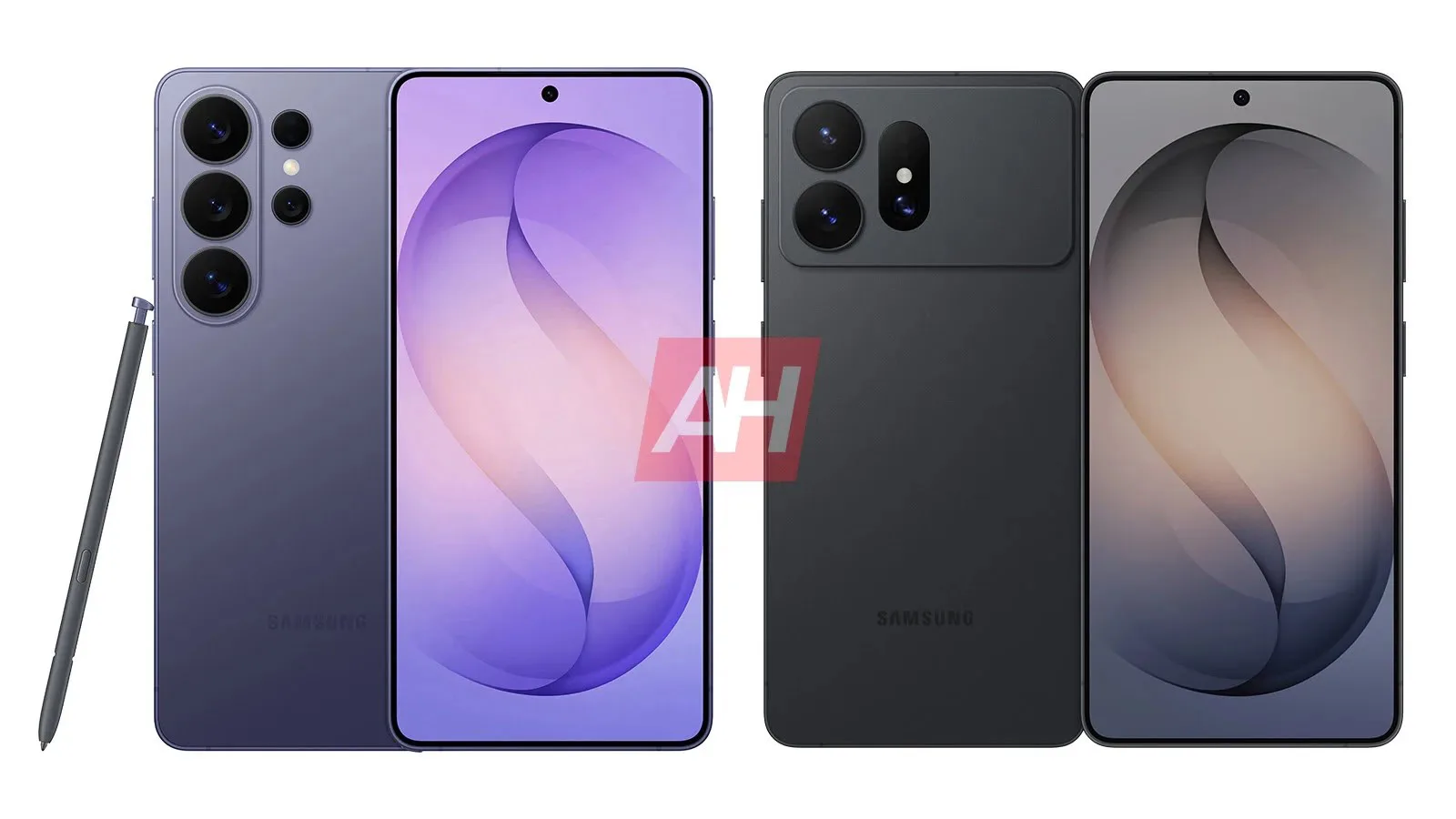
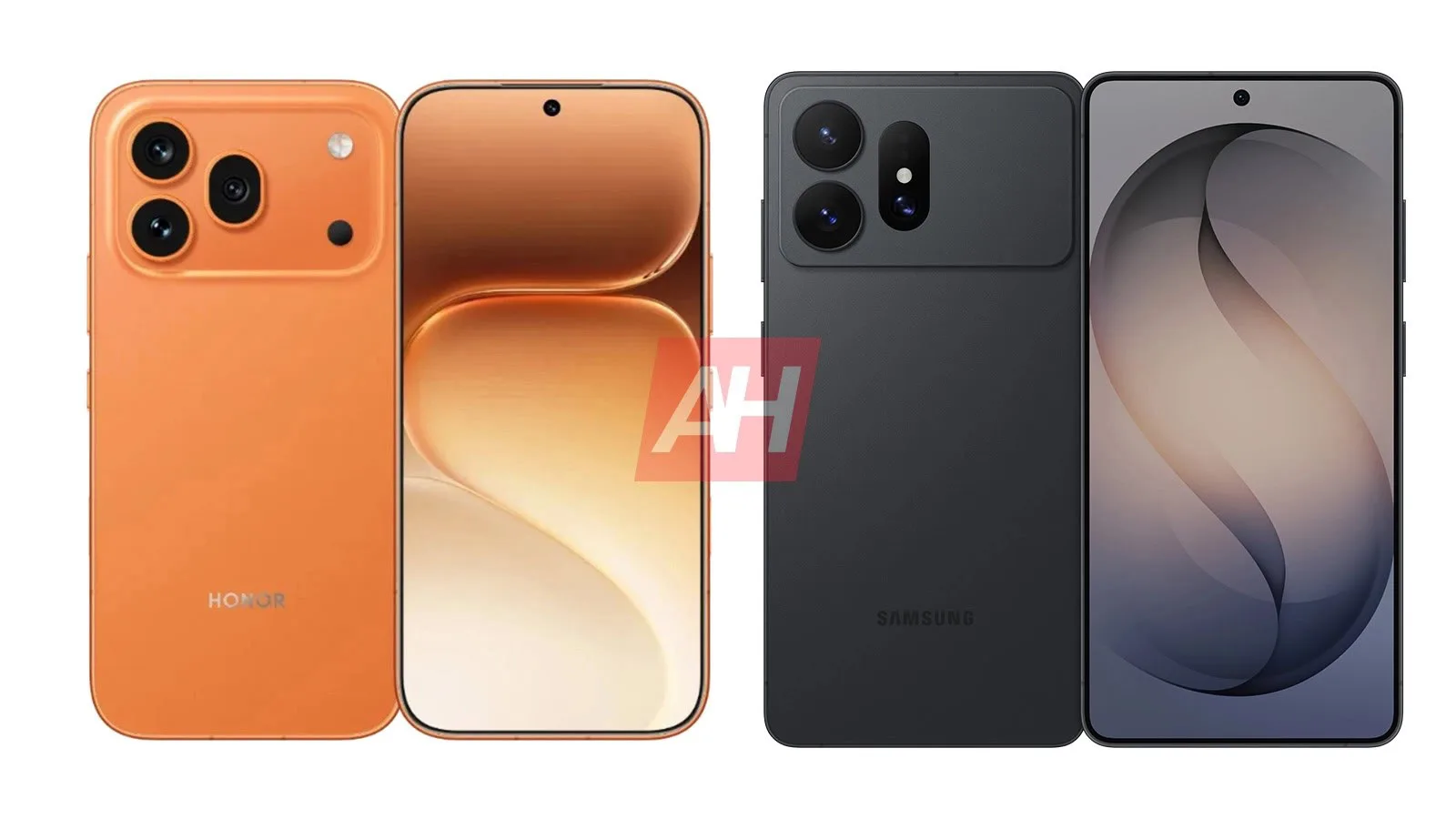
Visually, the approach recalls the broad camera bars and islands already seen on some HONOR and Chinese flagship models, though Samsung’s version appears more asymmetrical. Apple has also gradually made its camera hardware an obvious design feature rather than something to minimize. Samsung may dislike following anyone’s lead, but the company has been losing the visual conversation by standing still.
A possible zoom trade-off deserves scrutiny
The bigger news may be what the renders imply about the camera count. Current reporting suggests Samsung could drop the dedicated 3x telephoto lens and rely more heavily on its periscope zoom system. If that happens, the Galaxy S27 Ultra would be making a real photography decision, not merely rearranging hardware for the annual launch event.
Consolidation makes sense on paper. Modern high-resolution sensors can crop effectively at intermediate zoom levels, and a capable long-range periscope module can handle distant subjects. Fewer cameras can also mean fewer compromises around space, cost, tuning, and image consistency. Google has leaned into computational photography for exactly this reason: the number printed next to a lens is not the same thing as the quality of the photo it takes.
But a dedicated 3x camera has value. It is often the most useful focal length for portraits, pets, food, and everyday travel shots—the sort of photos people actually take, rather than the moon pictures used in launch presentations. Cropping from a main sensor may work brilliantly in bright light, then fall apart once a restaurant gets dim or a child starts moving. Samsung would need to show that its image processing can cover that gap without turning faces into oil paintings.
We also do not yet know the final sensor configuration. Rumors have pointed to Samsung’s ISOCELL HIP6 and Sony’s IMX855, but component speculation this far out should be treated as a weather forecast, not a contract. Samsung has a detailed public history with its ISOCELL image sensor technology, yet sensor choice is only one part of the result. Lens quality, stabilization, processing, and color science decide whether a phone camera feels dependable on a Tuesday night.
Samsung needs more than a new shape
The Galaxy S27 Ultra is also expected to arrive with silicon-carbon battery technology similar to that introduced in Samsung’s newer foldables, alongside a next-generation Snapdragon or Exynos platform depending on market. Those are plausible upgrades, but they are table stakes now. Faster chips are useful; battery gains are welcome. Neither automatically gives someone a reason to replace a recent Ultra phone.
That is why the camera redesign carries so much weight. Samsung’s last several flagship cycles have felt technically polished but emotionally cautious. The company sells enormous numbers of phones because its displays, software support, retail reach, and Android ecosystem are hard to dismiss. Yet its Ultra line needs a stronger identity than “the expensive Samsung with every feature switched on.”
If these renders represent the production hardware, the Galaxy S27 Ultra could give Samsung one. A conspicuous camera island will annoy people who prefer the clean, minimal look of older Galaxy devices. I’d argue that is a fair price for a product with a point of view. After years of tiny refinements, Samsung may finally be willing to let its flagship look like it has something to prove.
The real test will come at launch, likely in early 2027: can Samsung turn that bulk into meaningfully better portraits, cleaner zoom, and more reliable low-light shots? If it can, the new camera bump will look purposeful. If it cannot, it will be a remarkably expensive reminder that hardware drama is easy; photographic progress is not.