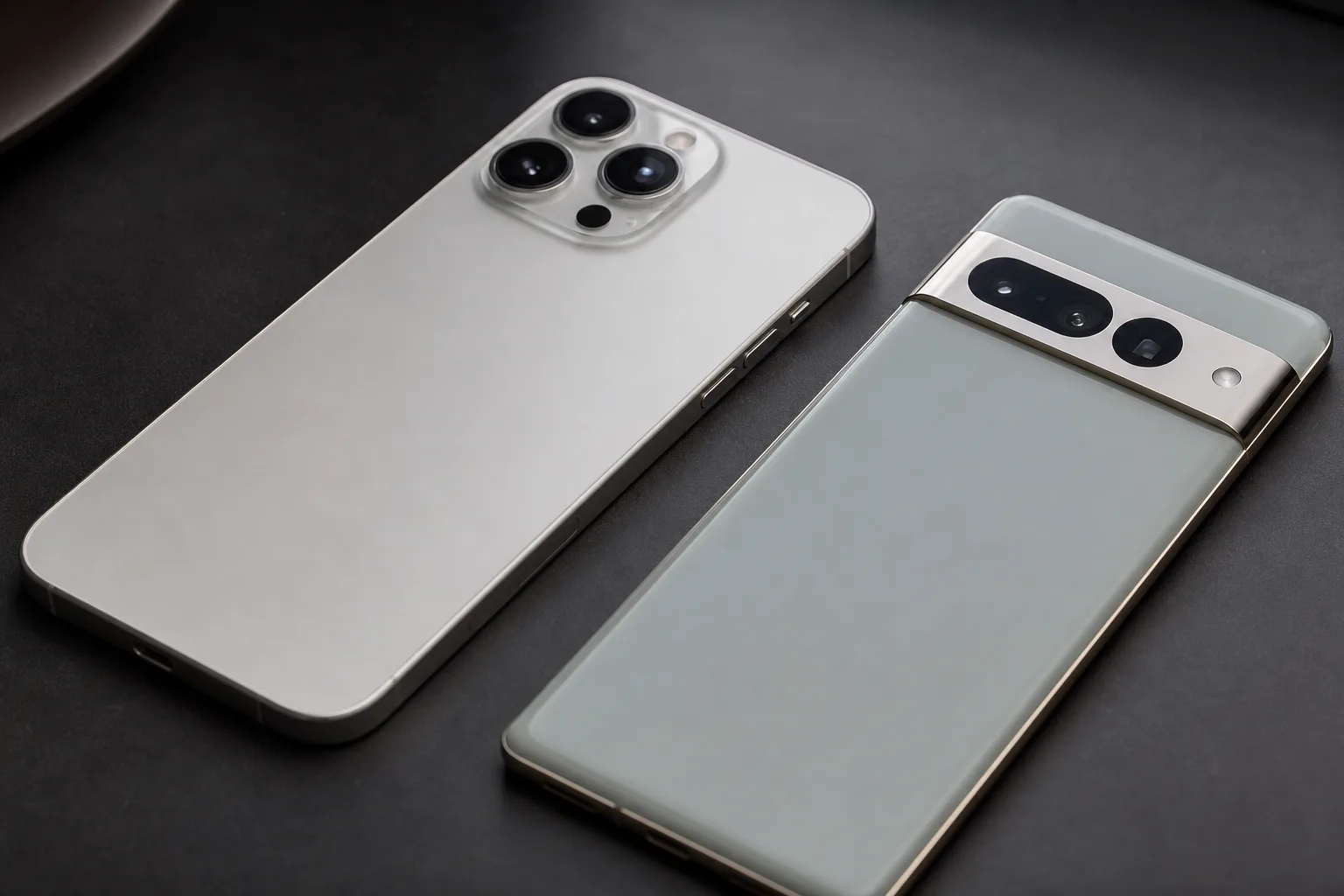
- The rumored Galaxy S27 Ultra makes Samsung Apple strategy increasingly visible, from its camera bar to magnetic accessory support.
- Samsung Apple strategy could solve practical Qi2 problems, but borrowing Apple’s visual language may make Galaxy phones harder to recognize.
- Samsung once pushed the industry toward larger screens and foldables, yet its mainstream hardware decisions now look more reactive.
- The Galaxy S27 Ultra remains unannounced, so leaked renders should be treated as a credible signal rather than settled fact.
Table of Contents
Samsung Apple strategy has become hard to ignore
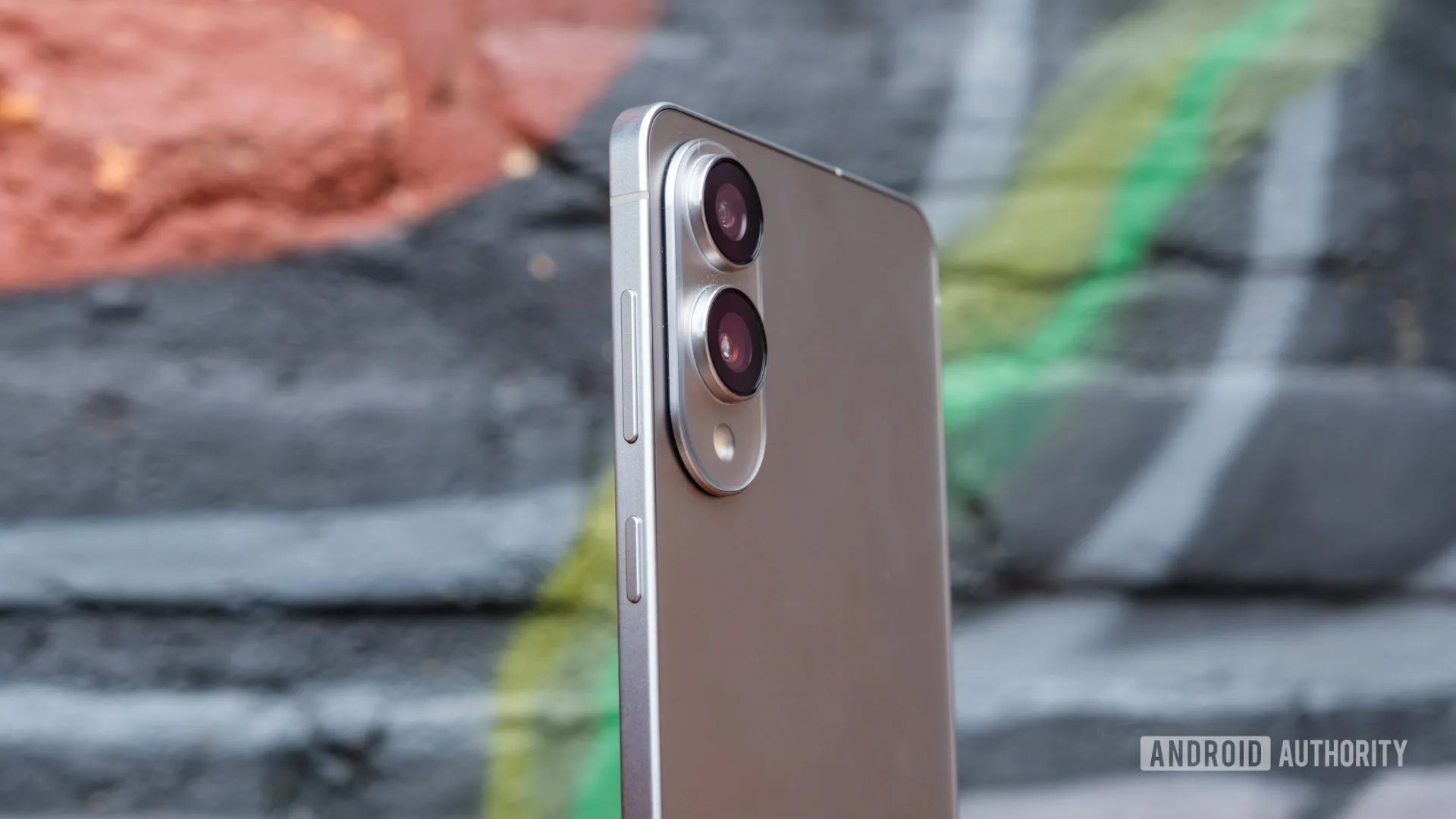
Samsung has spent years making Galaxy Ultra phones look almost aggressively plain from the back: separate camera circles, lots of empty surface, little visual fuss. That could change with the Galaxy S27 Ultra. Leaked renders point to a wide horizontal camera bar, and the problem isn’t merely that it’s different. The emerging Samsung Apple strategy looks like Samsung has decided Apple’s design homework is good enough to hand in under its own name.
That sounds harsher than the situation may deserve. The Galaxy S27 Ultra has not been announced, and renders can miss details or reflect early prototypes. Still, Samsung leaks have a pretty solid track record by the time a device is close to launch. If this is the phone that arrives, it will be a striking departure from the floating-lens treatment Samsung has refined across several Ultra generations.
A broad camera plateau doesn’t automatically belong to Apple. Plenty of phones have used bars, islands, circles and slabs to house cameras. But context matters. Put the rumored S27 Ultra beside recent iPhone Pro hardware and the resemblance feels less like parallel evolution and more like a company following familiar footprints through fresh snow.
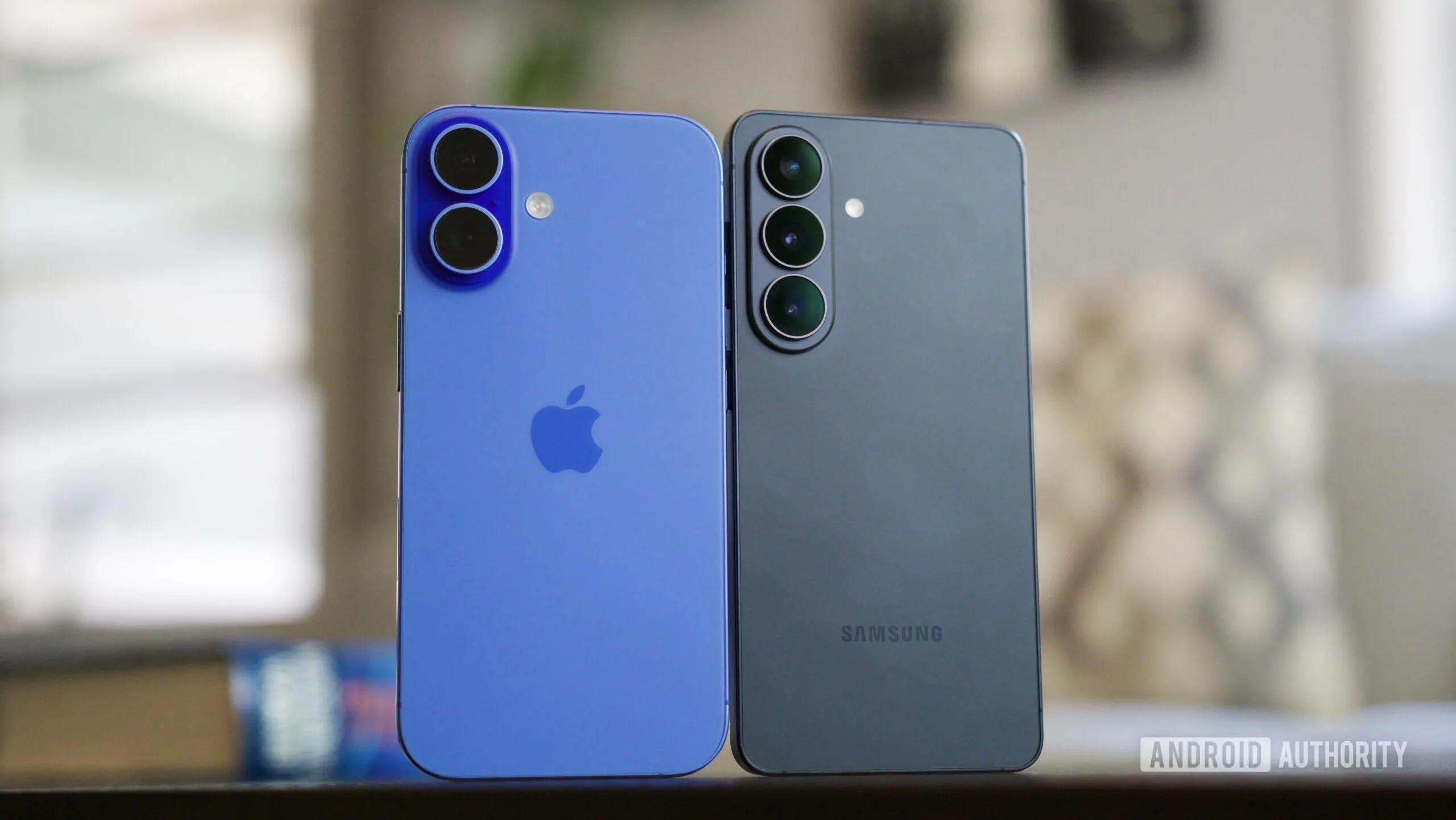
Design identity can sound like the kind of concern that only occupies people who own too many phone cases. It matters in the real market, though. From a few feet away, an iPhone is recognizable. So is a Pixel, largely because Google committed to its camera visor. Samsung’s separate-lens arrangement had become similarly legible, even if nobody would call it thrilling. Abandoning it means the company is gambling a recognizable signature for a look that risks reading as derivative.
The Galaxy S27 Ultra has a real engineering excuse
There is a practical reason Samsung may be rethinking the rear panel, and it’s better than simply chasing a trend. The Galaxy S26 Ultra’s raised individual camera rings reportedly interfered with magnetic chargers, wallets and other snap-on accessories. A case with an integrated magnetic ring could work around that limitation, but a premium phone shouldn’t require extra plastic to use an increasingly common accessory standard properly.
Qi2 is the obvious pressure point. The Qi2 standard could improve alignment between a charger and a device. Alignment sounds mundane until you’ve woken up to a phone that spent the night technically on a charging puck but gained 4% battery. Magnets make that less likely.
The technical case for the Samsung Apple strategy is straightforward. Camera rings and a centered magnetic coil compete for the same physical territory on a thin glass-and-metal slab. A redesigned housing could clear space and let Samsung offer native magnetic attachment rather than asking customers to buy cases that do the job for it. In that respect, the Samsung Apple strategy addresses a real usability problem.
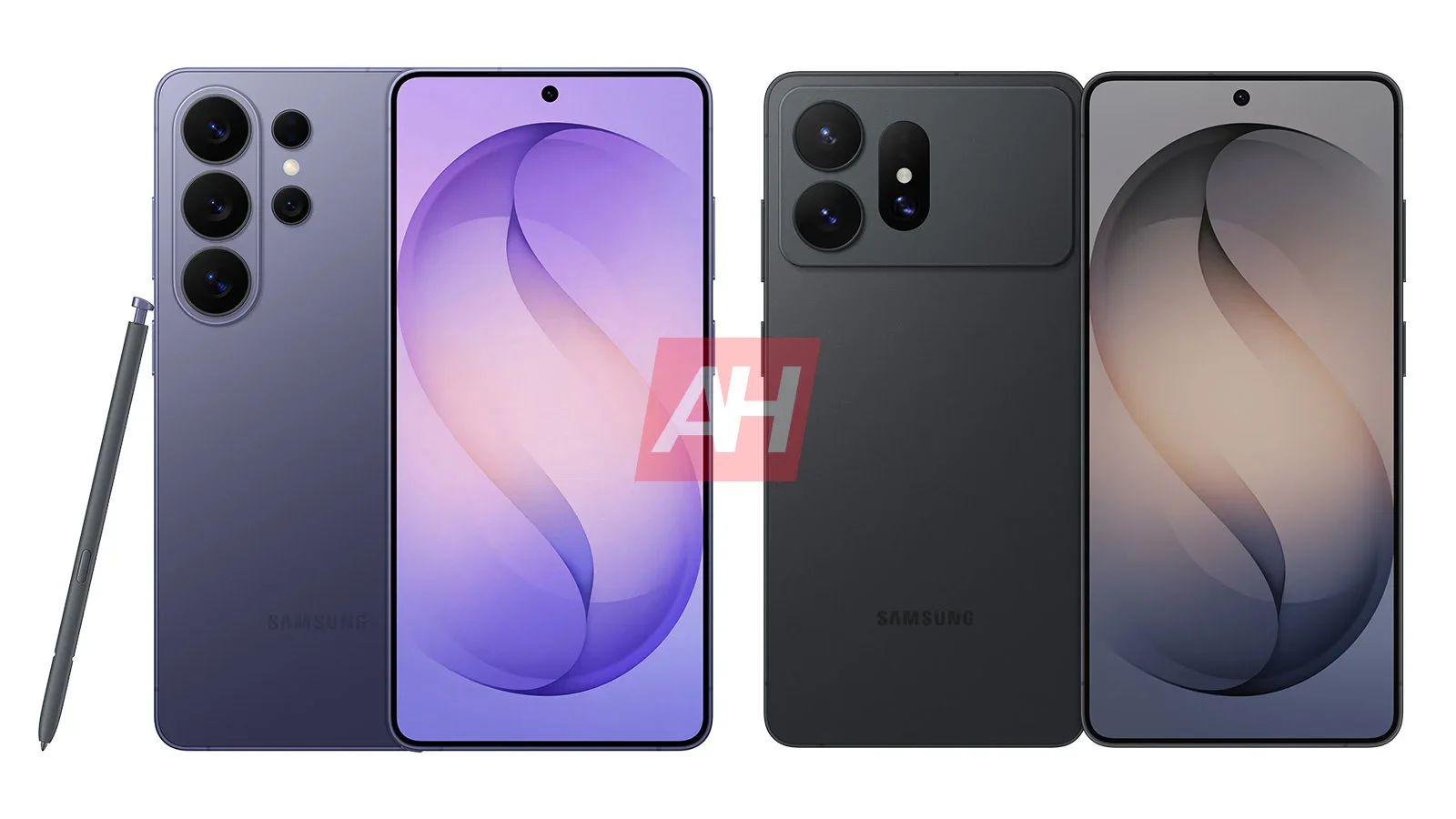
But functional necessity doesn’t dictate one specific aesthetic. Google’s Pixel line has shown that a horizontal camera treatment can still have its own personality, while other Android makers have found ways to accommodate large camera hardware without turning their phones into iPhone impressions. Samsung could have designed a magnetic-friendly back without landing so close to Cupertino’s current playbook. That’s the frustrating part: the engineering argument is sound, while the apparent visual decision still feels lazy.
Samsung Apple strategy goes beyond one camera bar
One rumor would be easy to dismiss. The broader pattern is what makes this worth watching. Samsung released the thin Galaxy S25 Edge into a market suddenly obsessed with ultra-slim phones, at much the same time Apple’s own slim iPhone ambitions became a persistent topic. The timing may be coincidence, or it may be Samsung getting ahead of an expected Apple move. Either way, it doesn’t project the swagger Samsung once had.
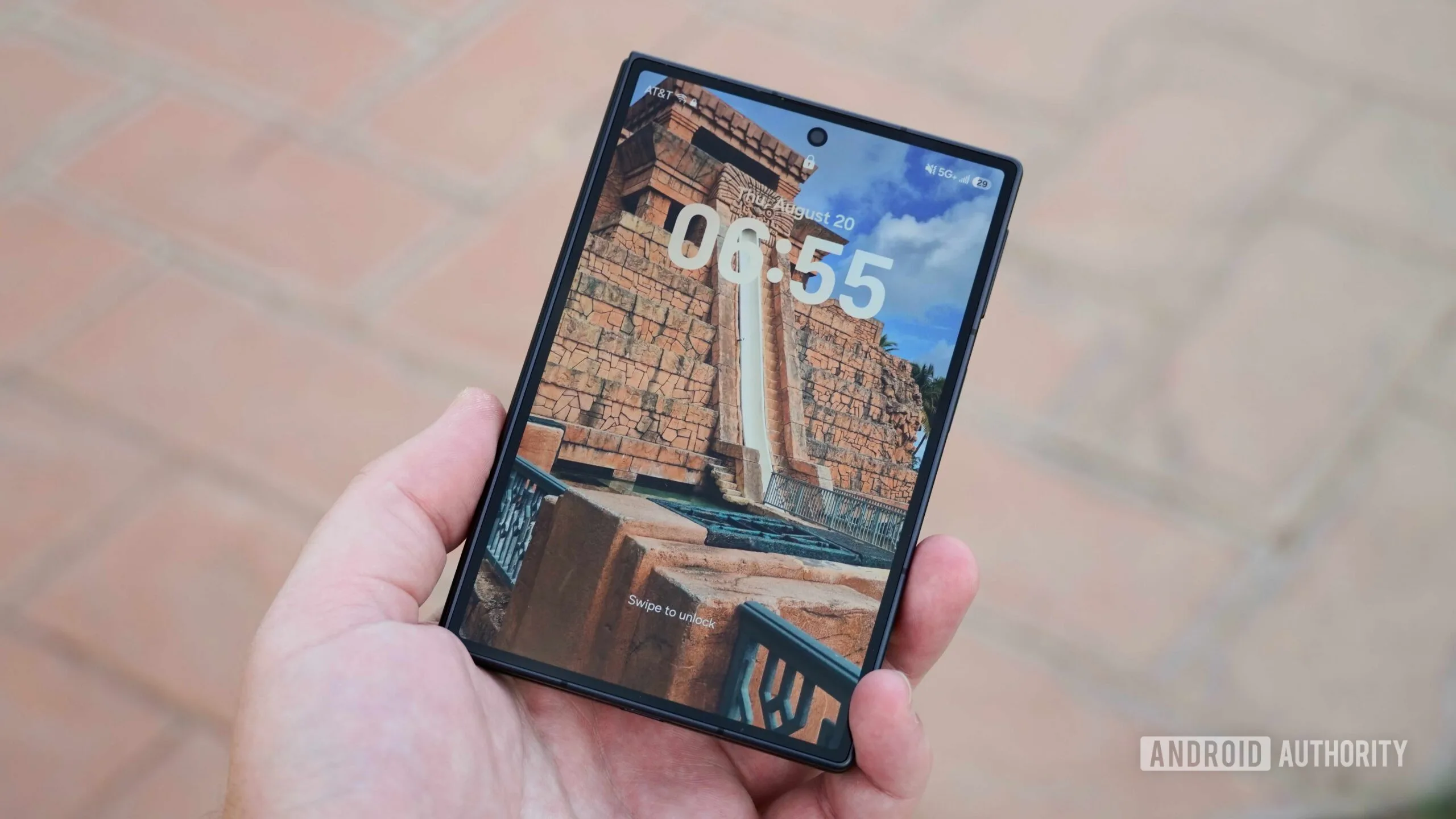
The same question hangs over the Galaxy Z Fold 8 and its wider cover display. A wider front screen is a sensible response to years of complaints that book-style foldables can feel awkward when closed. Nobody needs a conspiracy board with red string to see that. Yet Apple’s reported interest in a wider foldable format has made Samsung’s move feel conspicuously timed, particularly because Samsung is already the company with the deepest foldable experience.
That’s the oddity of the current Samsung Apple strategy: Samsung often has the expertise to lead, but increasingly behaves as if it needs Apple to validate the category first. Remember when the original Galaxy Note made giant phones look ridiculous to a lot of people? Samsung kept going, Apple followed with the iPhone 6 Plus, and suddenly the phablet was normal. Samsung’s early foldables were messy, expensive and fragile, but they also forced the rest of the industry to take the category seriously.
Now the company appears more cautious. Frankly, that’s understandable. Flagship phone prices are climbing, upgrade cycles are stretching, and foldables remain a small slice of worldwide handset sales. Taking a big hardware risk is less appealing when consumers are holding onto their existing phones for three, four or five years. But caution can curdle into imitation, and the Samsung Apple strategy risks doing exactly that.
Android’s sameness problem is bigger than Samsung
Samsung isn’t alone in looking toward Apple. Across Android, manufacturers have spent years smoothing away the oddities that once differentiated their phones and software. Some of that was overdue. Bad skins, unreliable updates, duplicate apps and strange gestures were not expressions of character; they were annoyances. Nobody should mourn them.
Yet a lot of Android brands now seem convinced that winning iPhone switchers means making products that feel iPhone-adjacent. The result is a market where camera islands blur together, interface animations mimic iOS, and hardware teams repeatedly treat Apple’s choices as consumer research they didn’t have to fund.
The Samsung Apple strategy is particularly significant because Samsung is not a smaller brand trying to borrow legitimacy. It is one of the few phone makers with the scale, component supply chain and marketing budget to make a distinct idea mainstream. It sells displays to rivals, makes its own chips and memories, and has a distribution operation most Android companies would envy. If Samsung decides the safest move is to follow, the rest of the Android field gets an even stronger signal to do the same.
What Samsung should copy, and what it should leave alone
Samsung should absolutely copy good ideas when they are good ideas. Native magnetic charging is useful. Better accessory compatibility is useful. A thinner phone can be appealing if Samsung avoids cutting battery life or thermal headroom to reach a marketing number. Nobody earns points for reinventing a wheel just because Apple has one.
But copying a practical standard is different from surrendering a product identity. The best version of the Samsung Apple strategy would be selective: adopt Qi2, build better magnets, improve fit and finish, then make the resulting phone unmistakably Samsung. The worst version is a Galaxy S27 Ultra that looks like it was designed to reassure iPhone owners rather than excite Galaxy buyers. That distinction should define the Samsung Apple strategy from here.
My read is that Samsung still has the talent to avoid that outcome. The company’s hardware division has proved it repeatedly, from the Note to DeX to the Fold line. What it needs is the nerve to treat Apple as a competitor, not as a design committee. If the S27 Ultra leaks hold, we’ll learn whether Samsung is solving a genuine accessory problem with its own answer—or quietly accepting that the iPhone has become the template for everything.