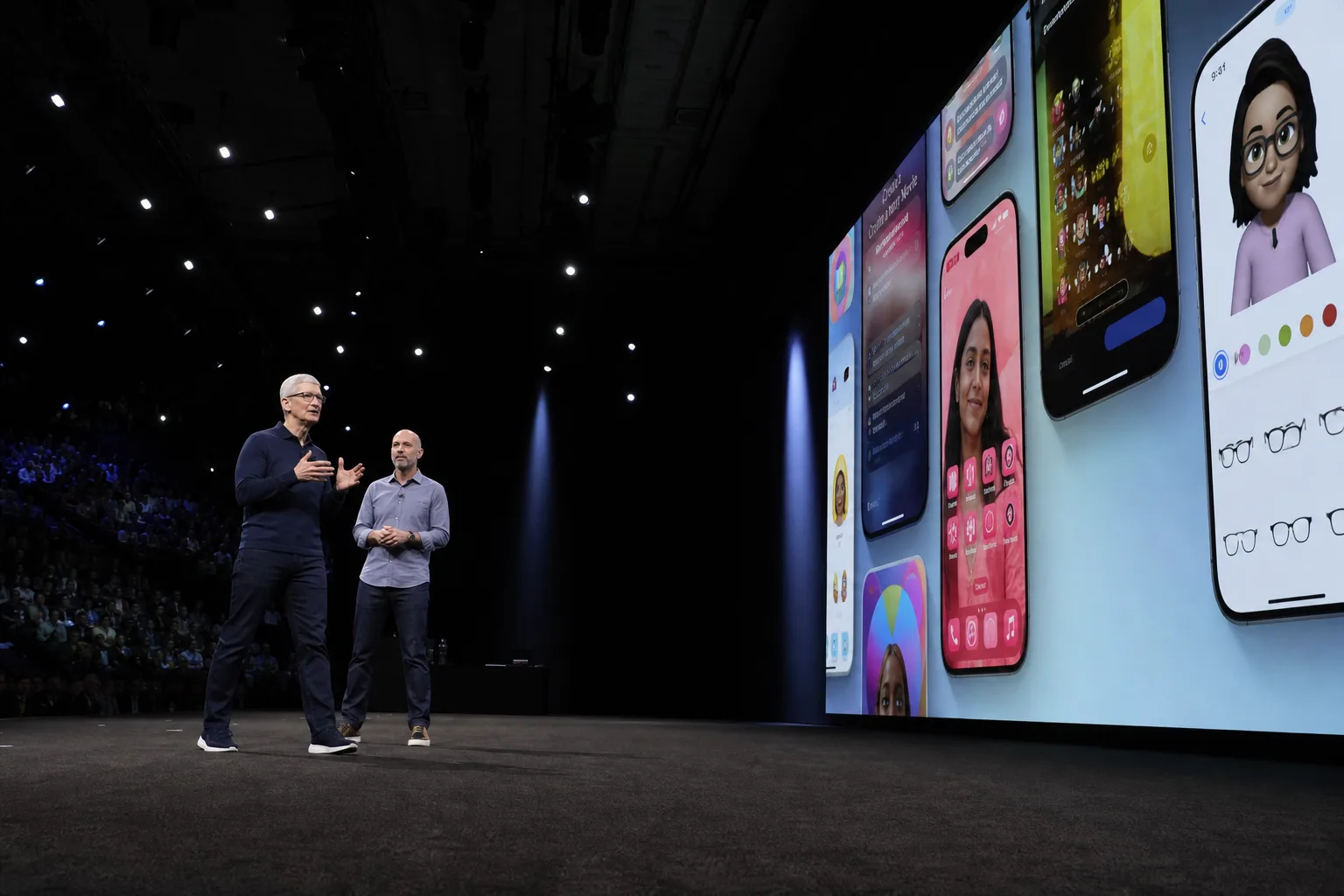
- iOS 27 arrives at WWDC 2026 alongside updates to every major Apple platform, all expected to ship this fall.
- iOS 27 brings deeper Apple Intelligence integration, letting Siri handle complex tasks through natural language commands.
- Three new AI photo editing tools — Extend, Enhance, and Reframe — are tipped to rival Google Photos and Adobe features.
- VisionOS 27 adds notable accessibility features, including wheelchair control via eye-tracking on the Vision Pro headset.
Table of Contents
iOS 27 Headlines a Massive WWDC Software Push
Apple’s Worldwide Developers Conference is back, and iOS 27 is the headline act. This year’s event isn’t just a routine software refresh — it’s shaping up to be one of the most AI-forward WWDCs Apple has ever staged, with updates rolling out across every platform the company ships: iOS 27, iPadOS 27, macOS 27, tvOS 27, watchOS 27, and visionOS 27. That’s a synchronized overhaul of the entire Apple ecosystem, all expected to land on devices this coming fall.
The bulk of what we know comes from Mark Gurman, whose track record on Apple predictions is about as reliable as any source in the industry. His reporting paints a picture of Apple doubling down on its Apple Intelligence platform — the AI framework it introduced in 2024 — and making it dramatically more useful in everyday situations. That’s a direct response to criticism that the first generation of Apple Intelligence features felt half-baked and slow to arrive. Apple clearly heard the feedback.
Siri Finally Gets Smarter — Here’s What That Actually Means
The biggest story threading through iOS 27 is what’s happening to Siri. For years, Apple’s voice assistant has lagged behind Google Assistant and Amazon Alexa on contextual awareness, and it’s fallen even further behind ChatGPT and Gemini as large language models redefined what AI assistants can do. WWDC 2026 looks like the moment Apple tries to close that gap in a meaningful way.
According to Gurman’s reporting, natural language updates will allow users to describe what they want in plain, conversational terms — and Siri will figure out how to make it happen. One example of where this could apply is creating Shortcuts, which today requires navigating a fairly clunky interface. Being able to describe a shortcut that texts your partner when you leave work and have iOS 27 handle the rest would be a genuinely useful upgrade, not just a demo-stage party trick.
This kind of agentic behaviour — where an AI assistant takes a goal and executes a sequence of steps to achieve it — is exactly what OpenAI, Google, and Microsoft have been racing toward. Apple’s approach, if Gurman is right, seems to be threading this capability through the existing Siri and Shortcuts infrastructure rather than launching a standalone app. That’s smart from an adoption standpoint. Most iPhone users already use Siri at least occasionally; making it dramatically more capable without requiring them to download anything new is the path of least resistance.
iOS 27 Photo Editing: Three New AI Tools That Could Shake Up the Camera App
Beyond Siri, one of the most tangible sets of iOS 27 features is a trio of AI-powered photo editing tools reportedly called Extend, Enhance, and Reframe. Each targets a different frustration that smartphone photographers run into constantly.
Extend is Apple’s answer to generative fill — a feature that Google, Adobe, and Samsung have already shipped in various forms. It lets you expand an image beyond its original borders, with AI inventing plausible content to fill the gap. Done well, it’s magic. Done poorly, it produces the kind of uncanny backgrounds that make photos look like they were generated by a confused algorithm. Apple will be judged on execution here, not ambition.
Enhance is described as working similarly to the AI adjustment tools inside Google Photos — correcting colour, exposure, and lighting with a single tap rather than requiring manual slider adjustments. Apple’s Photos app already has solid auto-adjustment tools, so Enhance sounds like a smarter, model-driven evolution of what’s already there.
Reframe is the most technically interesting of the three. Using 3D spatial data — likely drawing on the depth-sensing hardware Apple has shipped in iPhones for years — it can change the apparent perspective of a photo after it’s been taken. That’s not cropping. That’s a fundamentally different kind of image manipulation, and it goes well beyond anything Google Photos or Samsung’s Gallery app currently offers. If it works as described, Reframe alone could become a genuine selling point for the iPhone 17 upgrade cycle.
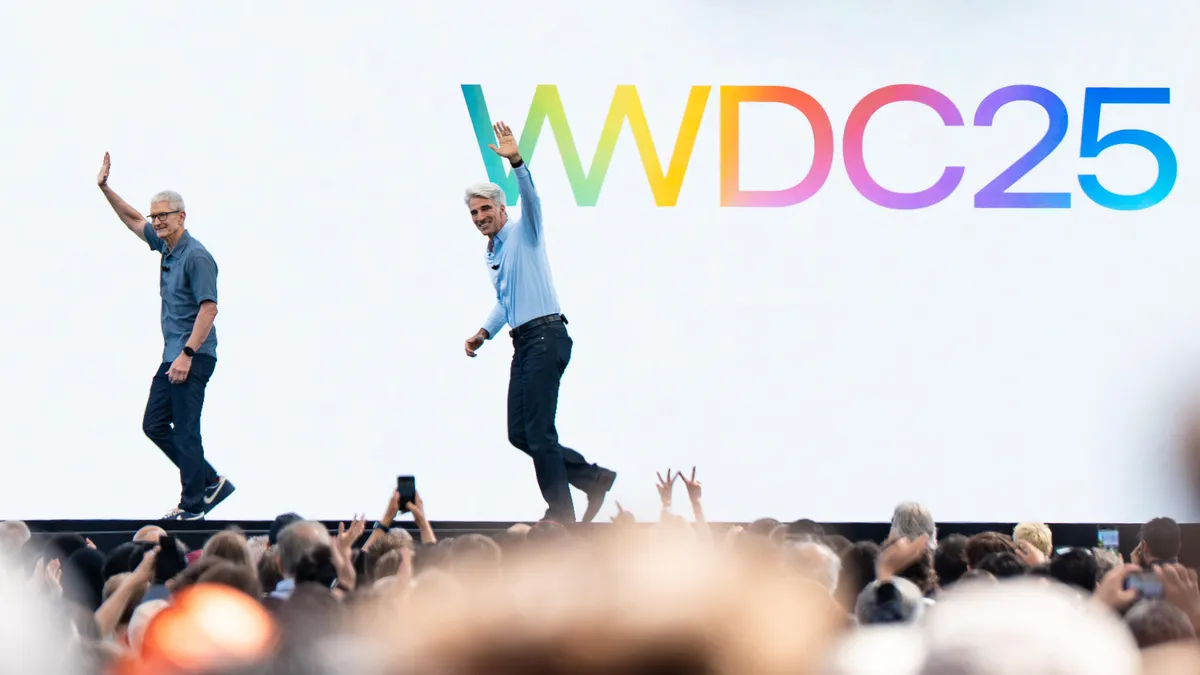
watchOS 27 and the Quiet Design Refresh
The Apple Watch update is more evolutionary than anything else on the list, but Gurman flags one notable design detail: a sleeker, simpler watch face coming specifically to the Apple Watch Ultra. The Ultra has always targeted serious athletes and outdoor users who want maximum information density on their wrist. A cleaner face suggests Apple may be thinking about making the Ultra more approachable — or at least, more aesthetically at home in a boardroom as well as on a mountain trail. It’s a small change with potentially real commercial implications as Apple tries to push the Ultra into broader markets.
visionOS 27: Accessibility Takes Centre Stage While New Hardware Waits
The Vision Pro is still Apple’s most divisive product — a spatial computer that wowed critics and then struggled to find a mass market. WWDC 2026 won’t bring new hardware to fix that problem. Gurman’s reporting is clear that Apple is waiting at least another year before refreshing the device itself.
What visionOS 27 does bring is a set of accessibility features that Apple actually previewed in May. The headline capability is wheelchair control via eye movement — the Vision Pro’s eye-tracking hardware, already its most impressive input method, repurposed to let users control a powered wheelchair just by looking. That’s not a niche feature. That’s the kind of capability that can genuinely change someone’s daily life, and it’s a reminder that Apple’s accessibility engineering is quietly among the best in the industry.
It also signals something strategic: while Apple figures out how to make the Vision Pro desirable to mainstream consumers, it’s building out a case for the device in healthcare, accessibility, and enterprise contexts where the price tag is less of an obstacle. That’s a playbook Apple has used before with other products, and it tends to work.
What WWDC 2026 Tells Us About Apple’s AI Strategy
Step back and the picture that emerges from iOS 27 and its platform siblings is of a company that spent 2024 and 2025 planting seeds and is now trying to show it can actually harvest them. Apple Intelligence launched with considerable fanfare and considerable frustration — features arrived late, Siri’s personality overhaul was delayed, and competitors kept shipping. WWDC 2026 is Apple’s chance to reset that narrative.
The features Gurman describes — a more capable Siri, generative photo tools, deeper system-level AI integration — aren’t far ahead of what Android and Windows already offer. But Apple’s advantage has never purely been about being first. It’s been about integrating features into a coherent, trustworthy experience that works reliably for hundreds of millions of people. If iOS 27 delivers on even half of what’s being reported, the gap between Apple Intelligence and the competition starts to look a lot narrower by the end of 2026.
Frequently Asked Questions
When will iOS 27 be released to the public?
iOS 27 is expected to be announced at Apple’s WWDC, with a public release following in the fall, consistent with Apple’s usual release schedule for major operating system updates.
What new AI features are coming in iOS 27?
iOS 27 is expected to bring enhanced Apple Intelligence features, including a more capable Siri that can interpret natural language to run complex tasks and create shortcuts automatically. Three new AI photo editing tools — Extend, Enhance, and Reframe — are also expected.
What does the Reframe photo tool do in iOS 27?
Reframe is a new AI photo editing feature tipped for iOS 27 that uses 3D spatial data to change the perspective of an image.
Is new Vision Pro hardware coming at WWDC 2026?
Almost certainly not. Current reporting suggests Apple will hold off on new Vision Pro hardware for at least another year. WWDC is expected to focus on VisionOS 27 software improvements, including accessibility features such as controlling wheelchairs with eye movement.