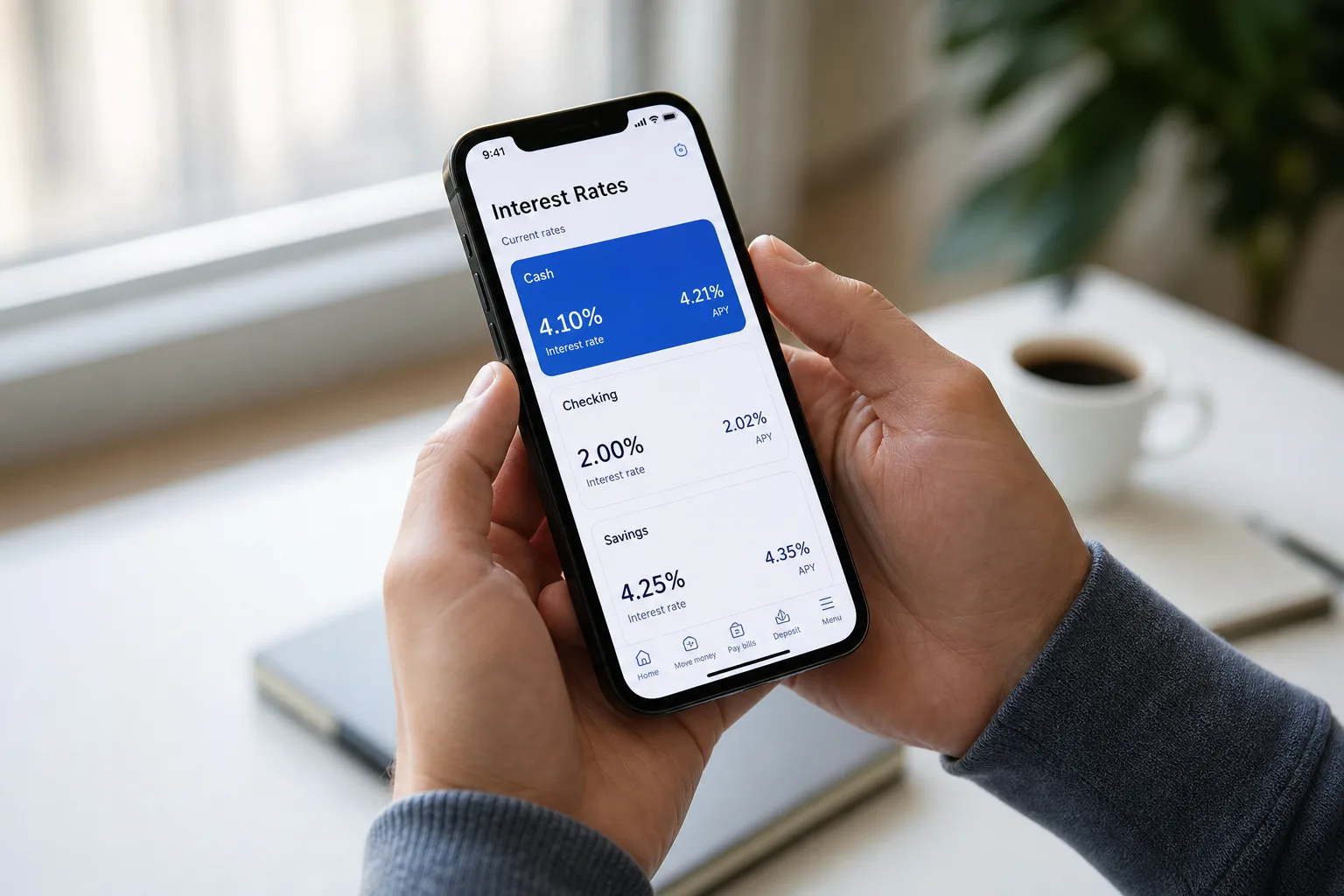
- The Apple Card savings rate has dropped to 3.4%, its second cut in 2026 after falling from 3.65% in April.
- Apple Card savings rate holders are being notified through the Apple Wallet app and push notifications.
- The real concern isn’t this cut — it’s what happens when Chase takes over the partnership, likely in 2028.
- Chase’s own savings accounts are known for low yields, raising fears of a much bigger rate drop ahead.
Table of Contents
Apple Card Savings Rate Drops Again — The Trend Is Not Your Friend
The Apple Card savings rate has been cut again, now sitting at 3.4% — and if you’re watching the direction of travel, it’s hard to feel great about where this is heading. Apple notified savings account holders of the change via the Wallet app this week, making this the second reduction in a matter of months. Back at the start of 2026, the rate was 3.65%. It moved to 3.5% in April. Now it’s 3.4%. That’s a 25 basis point slide in under six months.
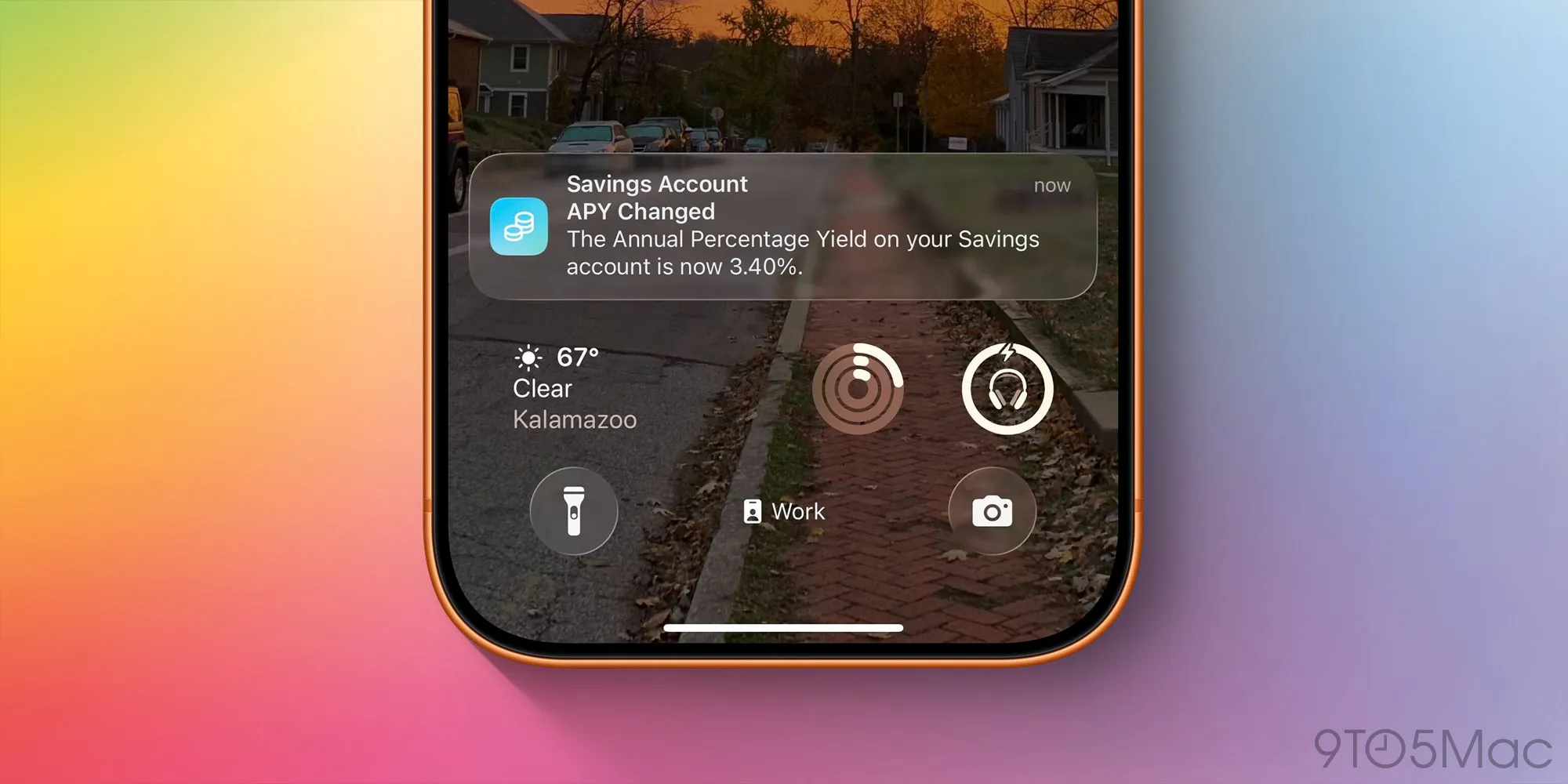
To be clear, rate adjustments on savings products aren’t unusual. The Apple Card’s partnership with Goldman Sachs has always included periodic rate tweaks tied to broader market conditions. The Federal Reserve’s interest rate decisions ripple through every savings account in the country, and Apple is not exempt from that reality. But the timing and frequency of these cuts — combined with what we know is coming down the road — make this more than a routine adjustment.
Why This Apple Card Savings Rate Cut Is Different
The bigger story isn’t the 10 basis points lost today. It’s the context surrounding the Apple Card’s entire banking infrastructure. Goldman Sachs, Apple’s current partner, has been trying to exit its consumer banking ambitions for some time now. The Apple Card partnership reportedly never turned a profit for Goldman — an extraordinary admission from one of Wall Street’s most storied institutions. Apple, for its part, apparently struggled to find a willing replacement. That’s not a great look for a financial product that Apple has long held up as a flagship offering.
Eventually, JPMorgan Chase stepped in. The deal was announced in early January 2026, with the full transition expected to take roughly two years — putting the switchover somewhere around 2028. That gives current Apple Card holders a window of relative stability, but it also puts a ticking clock on the current rate structure.
The Chase Problem: What History Tells Us
Here’s where Apple Card savings rate watchers have genuine reason to worry. Chase is not known for offering competitive yields on its savings products. The bank’s standard savings account has historically paid rates that are embarrassingly low compared to the high-yield alternatives available from online banks like Marcus (ironically, Goldman’s own consumer product), Ally, or SoFi. We’re talking about rates that have hovered well below 1% even during periods when the Fed funds rate made higher yields entirely achievable.
The question isn’t whether Apple will negotiate hard for a better deal. It’s whether Chase will be willing to offer terms that make the Apple Card savings product genuinely competitive. Goldman was apparently willing to absorb losses to maintain the partnership and its tech-forward credibility. Chase is a very different institution — one that plays the long game on balance sheet efficiency and has less to prove in the prestige tech-partnership space.
If Chase brings its typical savings account mentality to the Apple Card product, users who have been treating the Wallet app as a meaningful savings tool could find themselves looking at rates that feel far more like traditional big-bank offerings. That would be a significant downgrade from the product Apple launched in 2019 with considerable fanfare about putting the customer first.
What Apple Card Savings Rate Users Should Do Right Now
For existing users, there’s no immediate emergency. A 3.4% APY is still meaningfully above what most traditional banks offer on standard savings accounts, and it’s holding up reasonably well against the national average. But if you’ve been parking significant cash in the Apple Card savings account purely for yield, it’s worth keeping an eye on alternatives.
The best high-yield savings accounts from online-first banks have been routinely offering rates north of 4% over the past year, though those are also trending down in response to rate cuts. The gap between Apple’s offering and the best available rates is widening, and that gap is only likely to grow as we approach the Chase transition. Staying informed is the only real play here — the product isn’t broken yet, but the competitive case for it is getting harder to make with each successive cut.
You can check your current Apple Card savings rate by opening the Wallet app, selecting your Apple Card, and navigating to the Savings Account section. Some users have already received a push notification — if you haven’t, don’t take that as a sign the change doesn’t apply to you. It does.
The Bigger Picture: Apple’s Financial Services Ambition Under Pressure
Zoom out, and this whole situation raises uncomfortable questions about Apple’s long-term financial services strategy. The company has been steadily expanding into financial products — Apple Pay, Apple Card, Buy Now Pay Later (which it quietly wound down in 2024), and the savings account. The vision was clearly to make the iPhone the center of your financial life, not just your digital one.
But building a sticky financial ecosystem requires trust, and trust in financial products lives or dies on competitive terms. A savings account that keeps cutting its rate while users know a less generous banking partner is waiting in the wings is not a great recruitment pitch. Apple is going to need Chase to come to the table with something compelling if it wants to preserve what goodwill it’s built on the financial side of its business.
The transition to Chase in 2028 is still two years away. A lot can change — interest rate environments shift, negotiations evolve, and Apple has more than enough leverage as a distribution platform to demand favorable terms. But if the Apple Card savings rate keeps sliding between now and then, some users won’t wait around to see how the Chase era plays out. They’ll have already moved their money somewhere else.