Google’s monthly system changelog doesn’t usually make headlines, but the Android June 2026 updates carry a handful of genuinely user-facing changes worth paying attention to — from a long-overdue shift in how WhatsApp backups work to an AI-powered search layer landing inside the Play Store. Across three weeks and multiple Play services drops, there’s more substance here than the usual diet of bug fixes and maintenance changes.
- Android June 2026 updates let you manage WhatsApp backups directly from your Android device settings for the first time.
- The Android June 2026 updates introduce an ‘Ask Play’ AI search button inside the Play Store’s search bar for conversational queries.
- Google Password Manager now supports importing and exporting credentials between third-party managers using the Credential Exchange standard.
- Play Store reviews can now earn a ‘Trusted’ badge through Google’s new opt-in Trusted Contributor programme.
Table of Contents
Android June 2026 Updates: WhatsApp Backups Move Into Device Settings
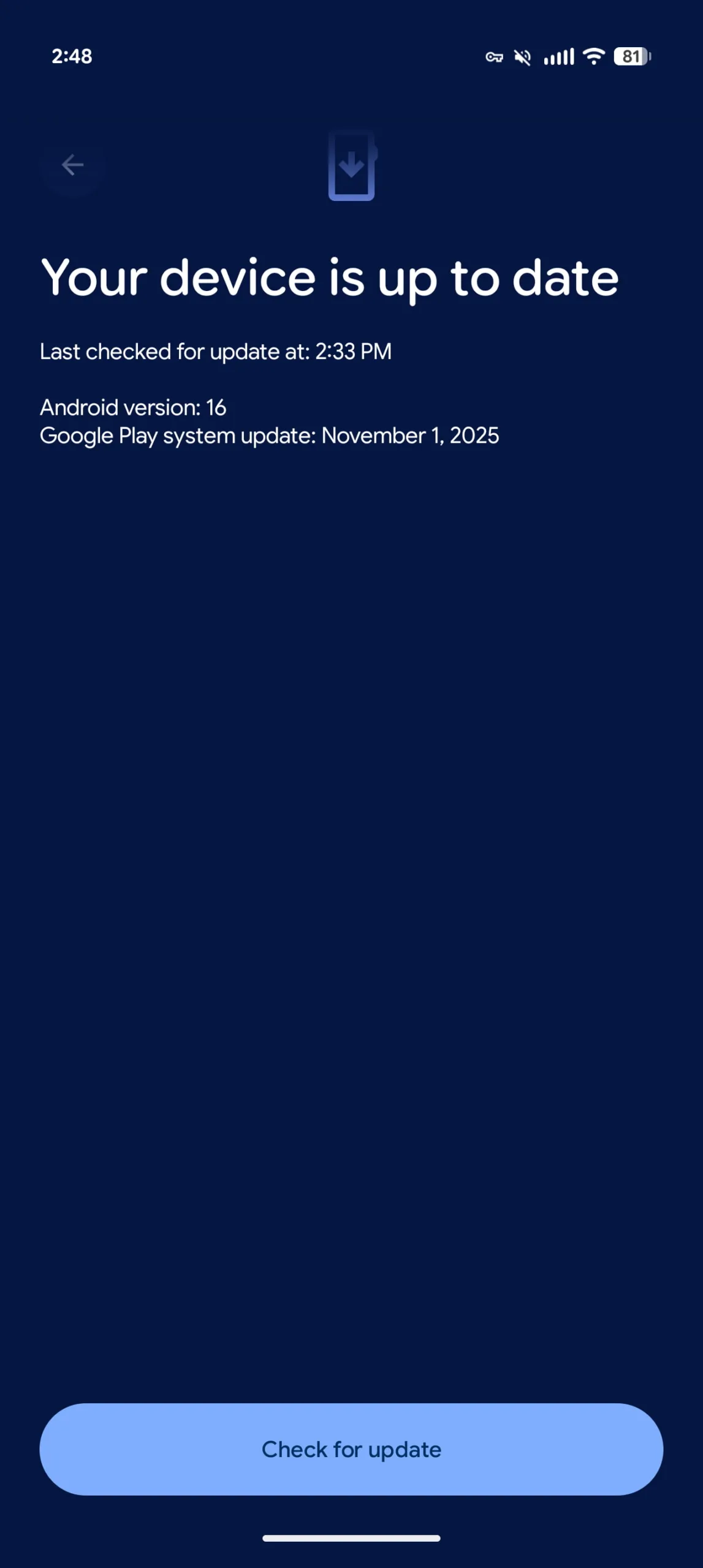
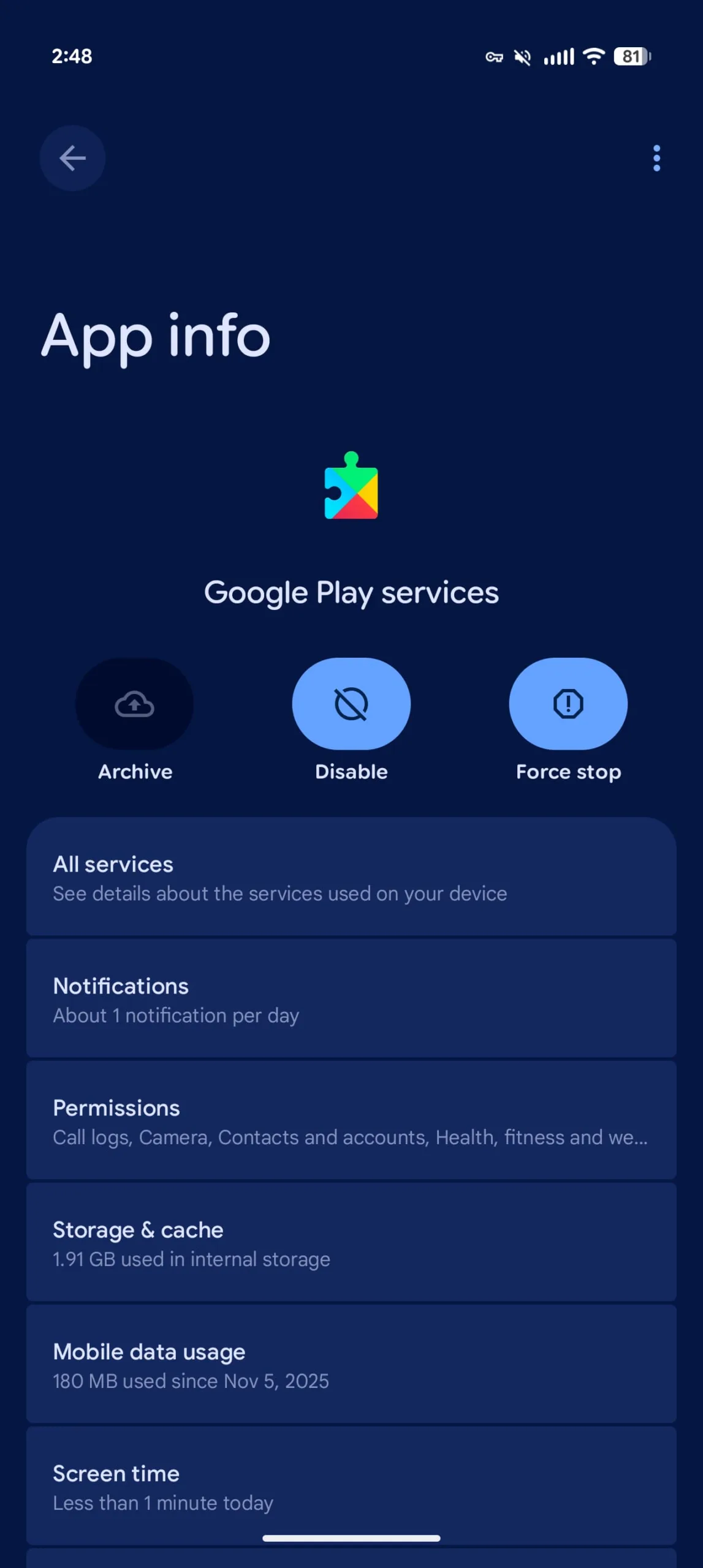
The headline item this month is subtle but significant. With Google Play services v26.23, released on 15 June, Android users can now manage their WhatsApp backups directly from their device’s system settings — rather than having to dig through WhatsApp’s own in-app menus. It’s the kind of quality-of-life improvement that sounds minor until you’ve spent ten minutes hunting for that setting before switching phones.
This is actually a meaningful architectural shift. Moving backup control into the OS settings layer means Android can treat WhatsApp backups more like any other Google account data, giving users a single, consistent place to manage their cloud storage footprint. It also fits neatly into Google’s broader push to consolidate account and privacy controls in one location — something the company has been steadily building toward with features like its unified Privacy & Security settings hub on Pixel devices. The Android June 2026 updates make this the first time that level of OS-level integration extends to a third-party messaging app’s backup controls.
WhatsApp, of course, stores its Android backups in Google Drive, so the integration makes technical sense. Whether Meta signed off enthusiastically or simply had to comply with Google’s platform capabilities is another question entirely. Either way, users benefit.
The Play Store Gets an AI Search Layer
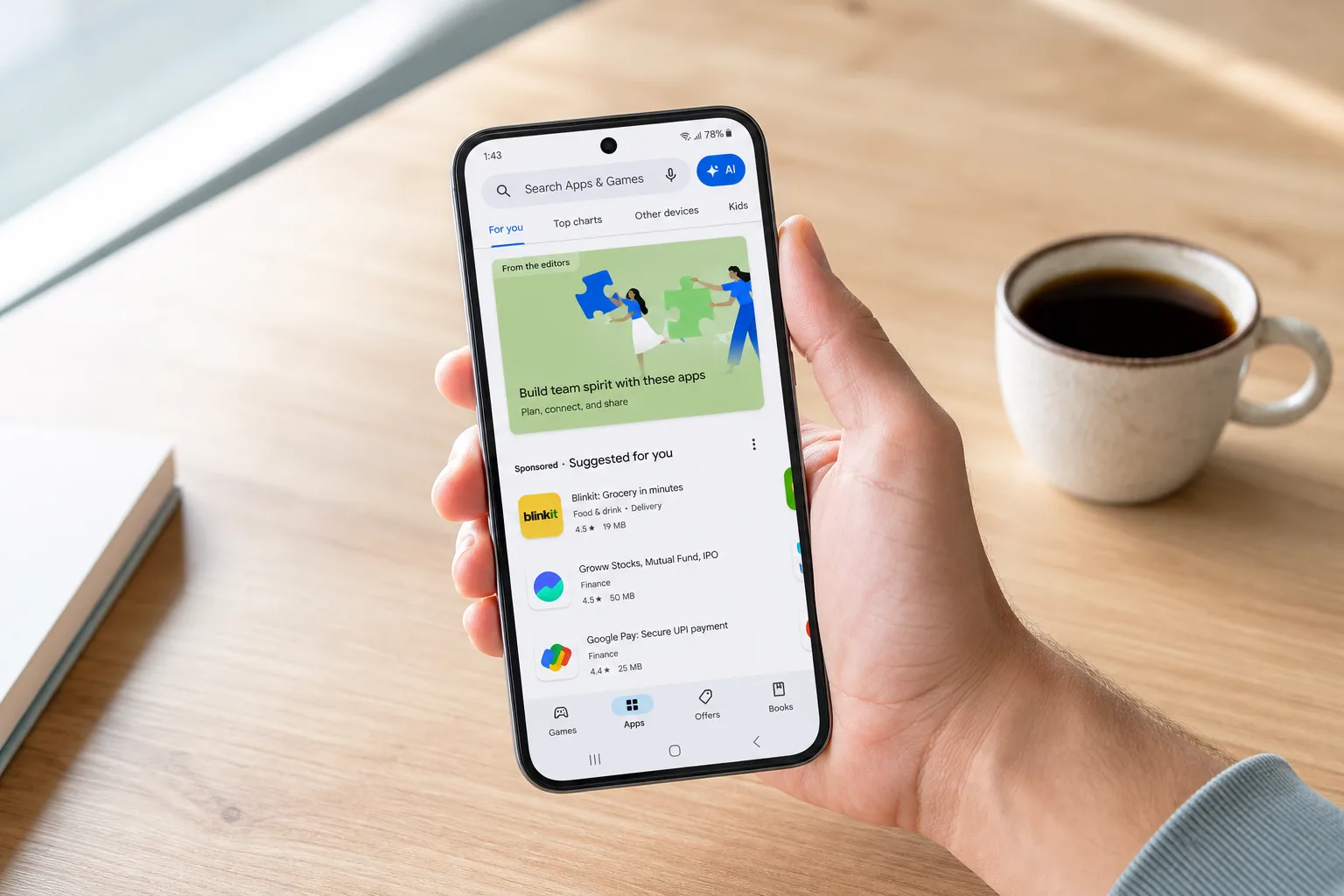
The Android June 2026 updates also brought a notable change to how you search the Play Store. With Play Store v51.8 (8 June), Google added an ‘Ask Play’ button directly into the search suggestion bar alongside ‘Ask Play Highlights.’ Tapping it opens what Google describes as a ‘full-screen conversational AI search experience’ — essentially letting you describe what you want in plain language rather than guessing the right keyword for an app you don’t know the name of. ‘Ask Play Highlights’ adds real-time streaming responses and more flexible answer formats to search results pages. Think of it as Google’s answer to the growing habit of just asking ChatGPT what app to download instead of browsing the Store manually.
It’s a smart defensive move. App discovery has always been one of the Play Store’s weakest points — the store has hundreds of millions of apps and a search experience that hasn’t kept pace with how people actually look for things in 2026. Google’s Android Developers Blog has previously highlighted discovery as a key area of investment, and an AI-native search interface is the logical next step.
The Play Store also picked up a ‘Play Labs’ tab this month — a dedicated space where users can try experimental features and submit feedback before they reach wider rollout. That kind of structured opt-in testing programme mirrors what Apple has done with TestFlight for developers, though Play Labs appears aimed at general consumers rather than developers specifically. It’s another example of how the Android June 2026 updates are reshaping the Play Store experience from the ground up.
Password Portability Gets a Real Standard
Buried in the 1 June drop of Google Play services v26.21 is something that deserves more attention: support for the Credential Exchange standard, which allows passwords and passkeys to be imported and exported between Google Password Manager and third-party managers.
This matters. Password manager lock-in has been a genuine frustration for users who want to switch from, say, 1Password or Bitwarden to Google’s built-in tool — or vice versa. The Credential Exchange protocol is an industry-backed open standard designed to make credential portability as straightforward as exporting a CSV, but without the security nightmares a plaintext export creates. The Android June 2026 updates mark the first time this standard lands in Google’s production environment for Android users.
It’s also worth flagging in the context of ongoing regulatory pressure around data portability in both the EU’s Digital Markets Act and various US state-level proposals. Google getting ahead of that curve — at least in password management — doesn’t hurt.
Play Store Trust, Parental Controls, and Smaller Quality Improvements
The Android June 2026 updates rounded out the month with a cluster of smaller but useful changes across the Play Store.
- Trusted Contributor badges: Play Store reviewers who qualify for the Trusted Contributor programme and opt in will now see a ‘Trusted’ badge on their reviews. Google hasn’t been fully transparent about the eligibility criteria, but the intent is clearly to surface credible reviews and reduce the chronic problem of fake or incentivised ratings that have plagued app stores for years.
- Parental Controls via PIN: Parents can now manage content restrictions on Google Play using their Android Parental Controls PIN — tying together two systems that previously required separate management. It’s a small but practical consolidation.
- Clearer sale pricing: Play Store v51.7 updated how sale prices and discount details are displayed, making offer dates and discounted amounts more visible. A minor UX fix, but one that should reduce the confusion around in-app purchases and paid app promotions.
- Quick Share contact cards: With Play services v26.22, receiving a contact card via Quick Share now shows the full contact card information inline — you’re no longer just getting a raw file to import blind.
- Find Hub setup integration: Find Hub — Google’s device-tracking platform — is now configured during initial phone setup rather than requiring a separate post-setup step. Small friction reduction, but meaningful for the average user who never digs into settings after first boot.
What These Updates Say About Google’s Platform Direction
Taken individually, none of these changes is earth-shattering. But as a set, the Android June 2026 updates reveal a few clear priorities at Google right now.
First, there’s a deliberate push to centralise control of third-party app data — WhatsApp backups being the most visible example. Google wants Android’s settings to be the single source of truth for everything stored on your device, not a patchwork of individual app settings screens. That’s good for users, but it also quietly deepens Android’s stickiness as a platform.
Second, AI is being woven into existing surfaces rather than launched as standalone products. ‘Ask Play’ didn’t arrive as a new app — it showed up as a button in the search bar you already use. That’s a more mature deployment strategy than Google has historically managed, and it suggests the company has learned something from the disjointed rollout of earlier AI features across its product lineup.
Third, there’s genuine movement on open standards — Credential Exchange being the clearest example. Whether that’s driven by genuine principle, regulatory hedging, or both, the practical outcome for users is the same: more choice and less lock-in. That trend is likely to accelerate as platform regulators in Europe and elsewhere push harder for interoperability across the tech stack.
As always, the caveat applies: appearing in Google’s monthly changelog and actually showing up on your phone are two different things. Some of these features from the Android June 2026 updates will take weeks or months to reach all devices. But the direction of travel is clear — and for the most part, it’s a sensible one.
Frequently Asked Questions
What do the Android June 2026 updates change about WhatsApp backups?
The Android June 2026 updates add a new option inside Android device settings that lets you manage your WhatsApp backups directly. This arrives as part of Google Play services v26.23, released on 15 June 2026.
What is the ‘Ask Play’ feature in the Google Play Store?
Ask Play is a conversational AI search experience accessible from the Play Store’s search bar. Tapping the ‘Ask Play’ button opens a full-screen interface, and Ask Play Highlights on search results offer faster, real-time streaming and more flexible response formats.
How does the new Google Password Manager Credential Exchange standard work?
The Credential Exchange standard allows passwords and passkeys stored in Google Password Manager to be imported and exported to and from third-party password managers. It arrived with Google Play services v26.21 on 1 June 2026.
Do all features in Google’s monthly system update notes roll out immediately?
Not necessarily. Google explicitly notes that a feature appearing in its monthly release changelog doesn’t mean it’s broadly available yet. Some capabilities can take months to fully launch.