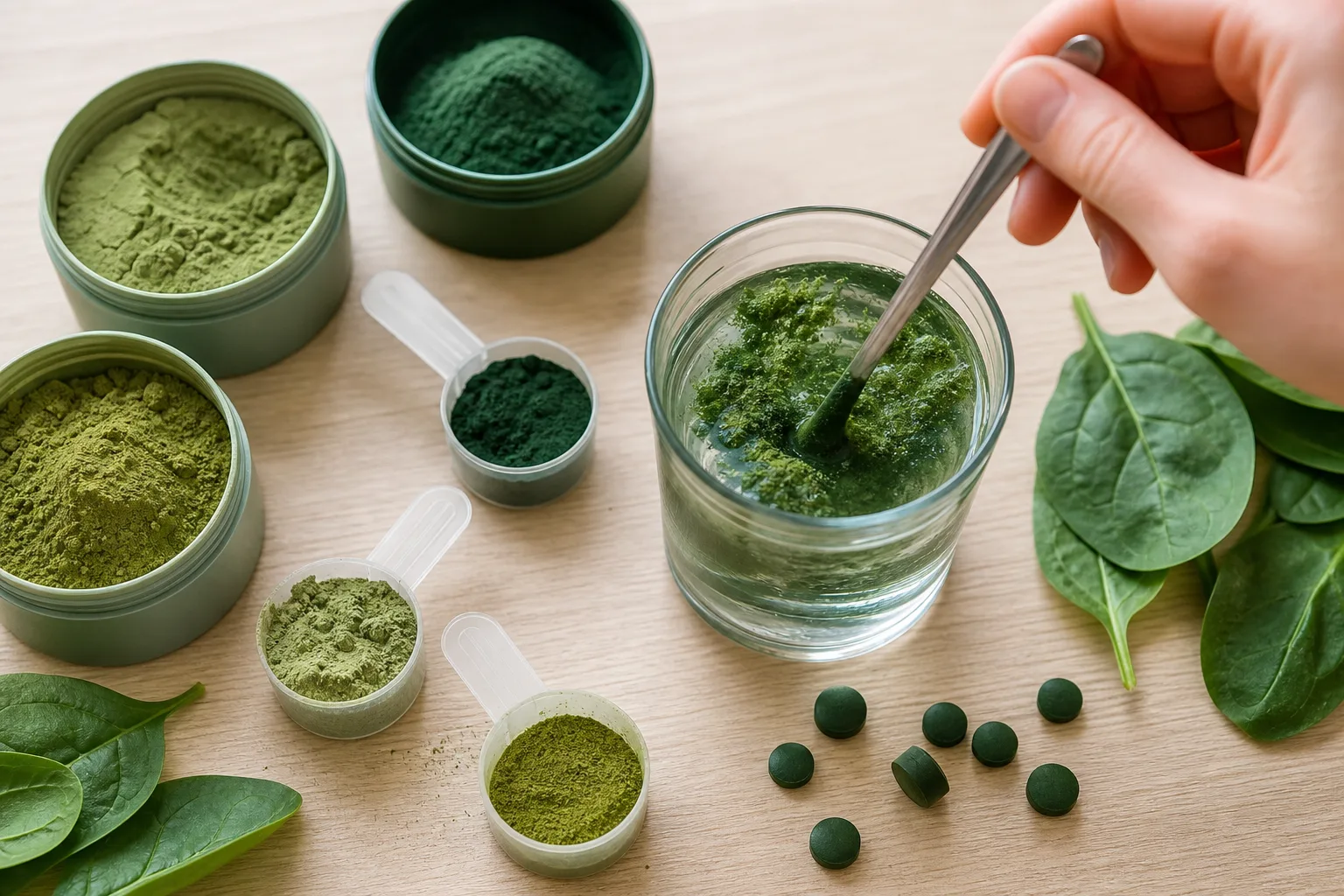
The best greens powders promise a lot — better energy, improved digestion, a kind of nutritional insurance policy against the days you’re surviving on coffee and convenience food. The global dietary supplements market is now worth well over $180 billion annually, and greens powders sit right at its buzzy centre. But with virtually no federal oversight and marketing claims that routinely outpace the science, figuring out which products actually deliver is harder than it looks.
- The best greens powders can help fill nutritional gaps but won’t replace a balanced diet rich in whole fruits and vegetables.
- Choosing the best greens powders is tricky because the supplement industry remains largely unregulated under a 1994 FDA ruling.
- Dietitians recommend consulting your doctor before starting any greens powder to identify specific nutrient deficiencies first.
- New 2026 additions from AG1, Daily Elements, and Nuzest expand the market’s already crowded field of options.
Table of Contents
Why the Best Greens Powders Are So Hard to Evaluate
Here’s the uncomfortable backdrop to this entire category: thanks to a 1994 FDA ruling, dietary supplements are classified as food rather than medicine. That means companies selling the best greens powders don’t need to prove their products work before putting them on shelves. Labels may not accurately reflect what’s inside the container. Some products contain ingredients that aren’t listed at all. It’s a buyer-beware market at a scale that should make anyone pause before handing over $80 a month.
That regulatory vacuum hasn’t slowed consumer appetite, though. If anything, the pandemic-era wellness boom supercharged it. Brands like AG1 (formerly Athletic Greens) have built nine-figure businesses on the back of podcast sponsorships and influencer deals, creating a cultural moment where blending a scoop of dark green powder into your morning water feels like a serious health commitment.
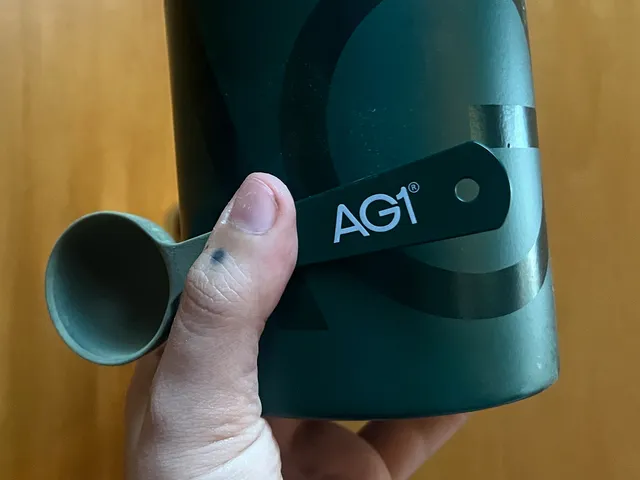
But is it? That depends enormously on who’s buying, why, and what they’re actually getting in the canister. After months of tasting, testing, and speaking with registered dietitians, the picture that emerges is more complicated — and more interesting — than either the marketing copy or the sceptics suggest. Identifying the best greens powders for your specific needs requires cutting through a remarkable amount of noise.
What Dietitians Actually Say About Greens Powders
Shelley Balls, a registered dietitian nutritionist at Consumer Health Digest, puts it plainly: the best greens powders might offer some benefit when used alongside a healthy diet, but they consistently fall short on dietary fibre — one of the most critical and most commonly deficient nutrients in the modern diet. Her advice? Spend the money on whole foods first. She notes that frozen, canned, and pre-washed/chopped options can be helpful to boost veggie intake, before reaching for a supplement.
That’s not a fringe position. Every dietitian worth consulting will tell you that no powder, however cleverly formulated, replicates the complex nutritional matrix of eating an actual varied diet. The fibre alone is a dealbreaker for many — and fibre is precisely what most greens powders skimp on, because it’s difficult to pack meaningful quantities into a single daily scoop.
Where dietitians and nutritionists show more flexibility is in the ‘bridge the gap’ scenario. If someone genuinely isn’t eating enough fruits and vegetables — and statistically, most Americans aren’t — a quality greens powder might help shore up specific deficiencies. The key phrase is ‘specific deficiencies.’ Before starting any supplement, a doctor can order blood work to identify where you’re actually falling short, making the supplement choice targeted rather than speculative.
The Key Ingredients Behind the Best Greens Powders
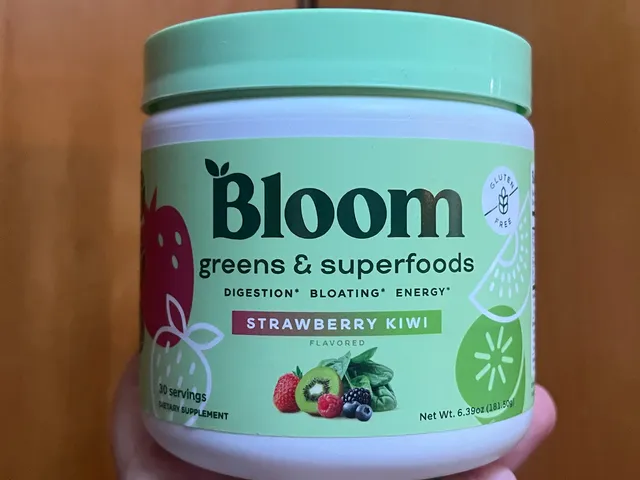
Greens powders typically combine several ingredient categories, each carrying its own body of evidence — some stronger than others. Understanding what’s actually in the mix helps cut through the ‘superfoods’ marketing language that dominates the category. Even among the best greens powders, ingredient quality and dosing vary enormously from brand to brand.
- Algae (spirulina and chlorella): Spirulina is one of the more substantively studied ingredients in this space — it’s dense in protein, amino acids, fatty acids, and antioxidants, and some research suggests it can help lower blood pressure and ease hay fever symptoms. Chlorella is rich in vitamins, folate, and iron, and there’s emerging evidence it may help with blood sugar management.
- Cereal grasses (wheatgrass, barley grass): These are among the most visible ingredients in greens powders and come loaded with vitamins and minerals that are relatively bioavailable. Some studies point to potential anti-cancer properties in wheatgrass and cholesterol management benefits from barley, though the research base here still needs deepening.
- Leafy greens, fruits, and vegetables: Kale, spinach, broccoli — the usual suspects appear in concentrated, dried form. They bring vitamins, minerals, and antioxidants, though the fibre content in powdered form is generally well below what you’d get from eating the whole vegetable.
- Prebiotics and probiotics: These are increasingly common additions and among the more evidence-backed inclusions. A healthy gut microbiome has downstream effects on immunity, inflammation, and nutrient absorption — areas where a decent prebiotic/probiotic blend can genuinely move the needle.
- Mushrooms: Lion’s mane, reishi, chaga — functional mushrooms have become a category unto themselves. Some studies indicate potential cancer-risk reduction and immune-boosting effects, though the ‘functional mushroom’ space is arguably even more marketing-heavy than greens powders generally.
- Digestive enzymes: Lactase, amylase, protease, cellulase, lipase — these enzymes help break down nutrients and improve absorption. For anyone with digestive sensitivities, their presence can make a real difference to how well the rest of the formula performs.
How to Actually Test Greens Powders (Without Being Fooled)
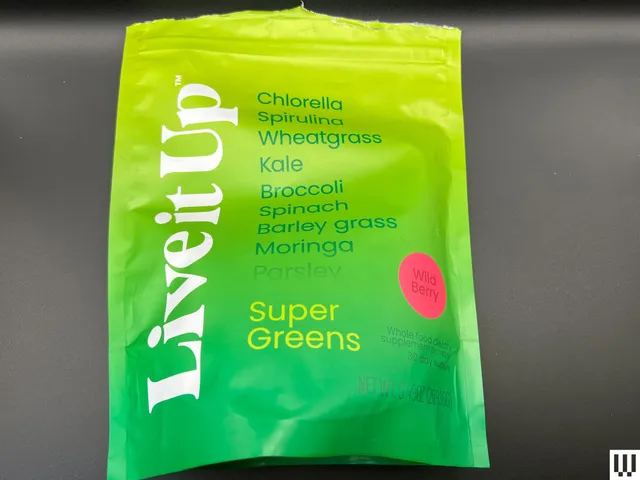
Testing the best greens powders properly requires consistency. The approach used in months of evaluation: each powder consumed at least three times, first thing in the morning on an empty stomach, mixed with 10 to 12 ounces of cold water at the recommended serving size. One powder at a time, with a gap of at least a few days between switches. No food for at least two hours after consumption, with close attention paid to digestion, energy levels, focus, and any lingering flavour notes.
That last element — taste — matters more than the supplement industry likes to admit. The best greens powders in the world are worthless if you can’t get them down. Some products in this space taste genuinely fine, even pleasant. Others taste exactly like what they are: a concentrated blend of dried grass and algae. Getting independent taste feedback from other people helps filter out personal bias, and the gap between ‘I can tolerate this’ and ‘I’d actually choose to drink this’ turns out to be significant when you’re committing to a daily habit.
After months of testing, the effects reported by consistent users tend to cluster around three areas: smoother digestion, more stable energy levels through the morning, and a generalised sense of doing something good for yourself — which, honestly, shouldn’t be dismissed. Behavioural effects are real effects. If a greens powder makes someone more mindful about their overall diet, that has value beyond the micronutrients in the scoop.
What’s New in 2026: AG1, Daily Elements, and Nuzest
The 2026 updated rankings bring three notable additions into the conversation. AG1 continues to iterate — the brand has become something of a benchmark when evaluating the best greens powders, not necessarily because it tops the charts on pure formulation merits, but because it’s the most scrutinised. Its subscription model, ingredient transparency efforts, and third-party testing documentation set a standard that newer entrants have to reckon with.
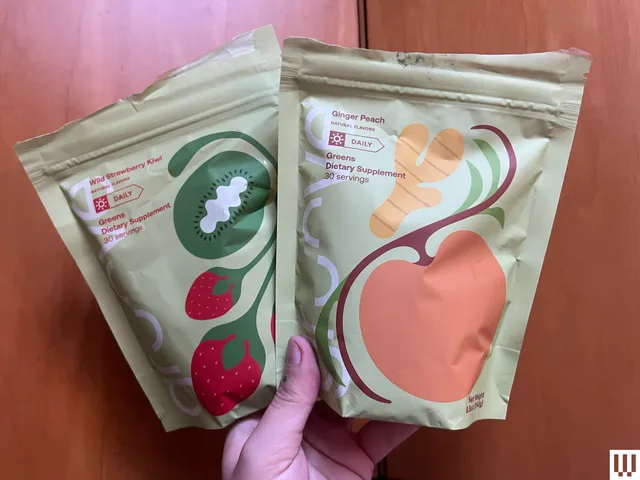
Daily Elements is a newer name attracting attention for a cleaner label approach and more focused ingredient list — a deliberate contrast to the ‘throw everything in’ formulation philosophy that dominates many legacy products. Nuzest, meanwhile, brings a strong positioning around clean-sourcing credentials, appealing to buyers who want to know where exactly their spirulina came from.
The proliferation of credible new entrants is a sign that the market is maturing, even if the regulatory environment hasn’t caught up. Consumers are becoming more sophisticated, asking harder questions about third-party testing, proprietary blends (which mask individual ingredient doses), and the actual evidence behind specific health claims. Among the best greens powders now emerging, brands that can answer those questions clearly are pulling ahead. The ones relying purely on aesthetics and influencer reach are finding that harder to sustain.
The real pressure on this industry over the next few years won’t come from a single standout product — it’ll come from mounting consumer demand for the kind of transparency that only independent lab verification can provide. Until the FDA updates its 1994 framework, that voluntary accountability is the only thing standing between a well-formulated greens powder and expensive green-tinted water.
Frequently Asked Questions
Are the best greens powders actually worth the money?
They can be, but only as a supplement to an already decent diet — not a replacement for one. Registered dietitian Shelley Balls recommends spending money on whole foods first. If your diet has genuine gaps, a well-chosen greens powder may help, but always check with your doctor.
What ingredients should I look for in a greens powder?
Key ingredients include spirulina and chlorella for protein and antioxidants, wheatgrass and barley grass for vitamins and minerals, prebiotics and probiotics for gut health, and digestive enzymes like amylase and lipase to improve nutrient absorption.
Are greens powders regulated by the FDA?
No. A 1994 FDA ruling classifies supplements as food rather than medicine, so greens powders face minimal regulatory oversight. Labels may be inaccurate, and products can contain unlabeled ingredients, which is why third-party testing and trusted brands matter.
How do greens powders differ from just eating vegetables?
Whole vegetables provide dietary fiber that many greens powders lack. Powders can help fill nutritional gaps but are best thought of as a nutritional backstop, not a swap for actual produce on your plate.