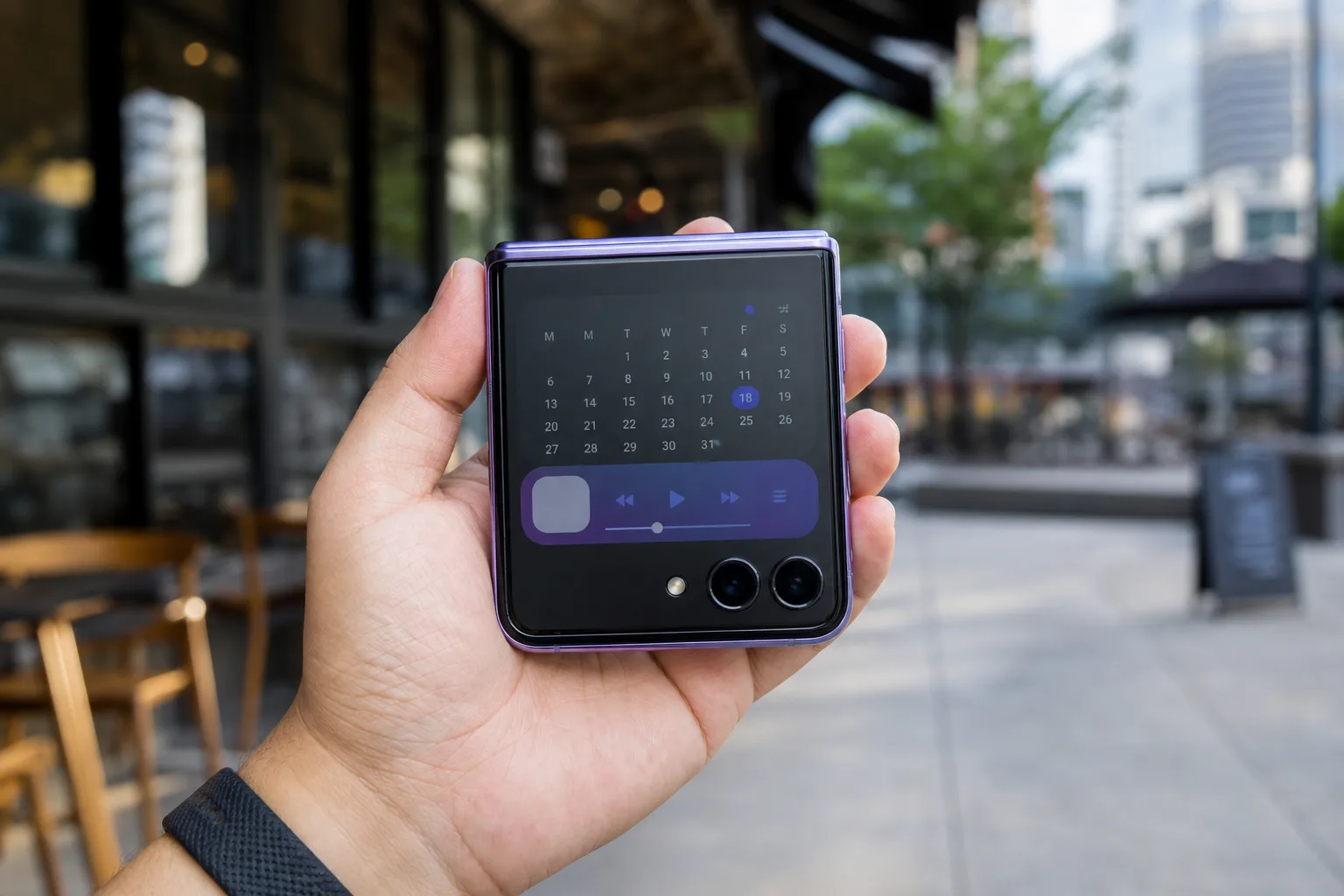
- The Galaxy Z Flip 7 delivers flagship-grade build quality and support, yet its experience feels too much like an ordinary Samsung phone.
- Samsung’s Galaxy Z Flip 7 cover screen remains unnecessarily restricted, while Motorola has made the outer display the Razr’s defining advantage.
- More processing power will not solve the clamshell category’s central problem: buyers need a reason to accept battery and camera compromises.
- A roughly $650 sale price makes the phone far easier to recommend, even if its original $1,100 positioning remains difficult to defend.
Table of Contents
The Galaxy Z Flip 7 has a purpose problem
The Galaxy Z Flip 7 is the sort of phone that makes a spec sheet look more persuasive than real life. Samsung has the ingredients: a modern Exynos 2500 processor, 12GB of RAM, a 4,300mAh battery, a refined hinge, premium materials, and software support that most Android rivals still struggle to match. Spend time with it, though, and the lingering question is brutally simple: why fold it at all?
The catch is that clamshell foldables ask buyers to pay for compromise. At its original roughly $1,100 price, the Galaxy Z Flip 7 costs flagship money while delivering a smaller battery than many conventional premium phones, cameras that are rarely class-leading, and an inner display that still invites understandable durability anxiety. The phone must therefore create a feeling that a normal slab cannot. It has to be delightful, useful, or at least distinctive enough to justify the hassle.
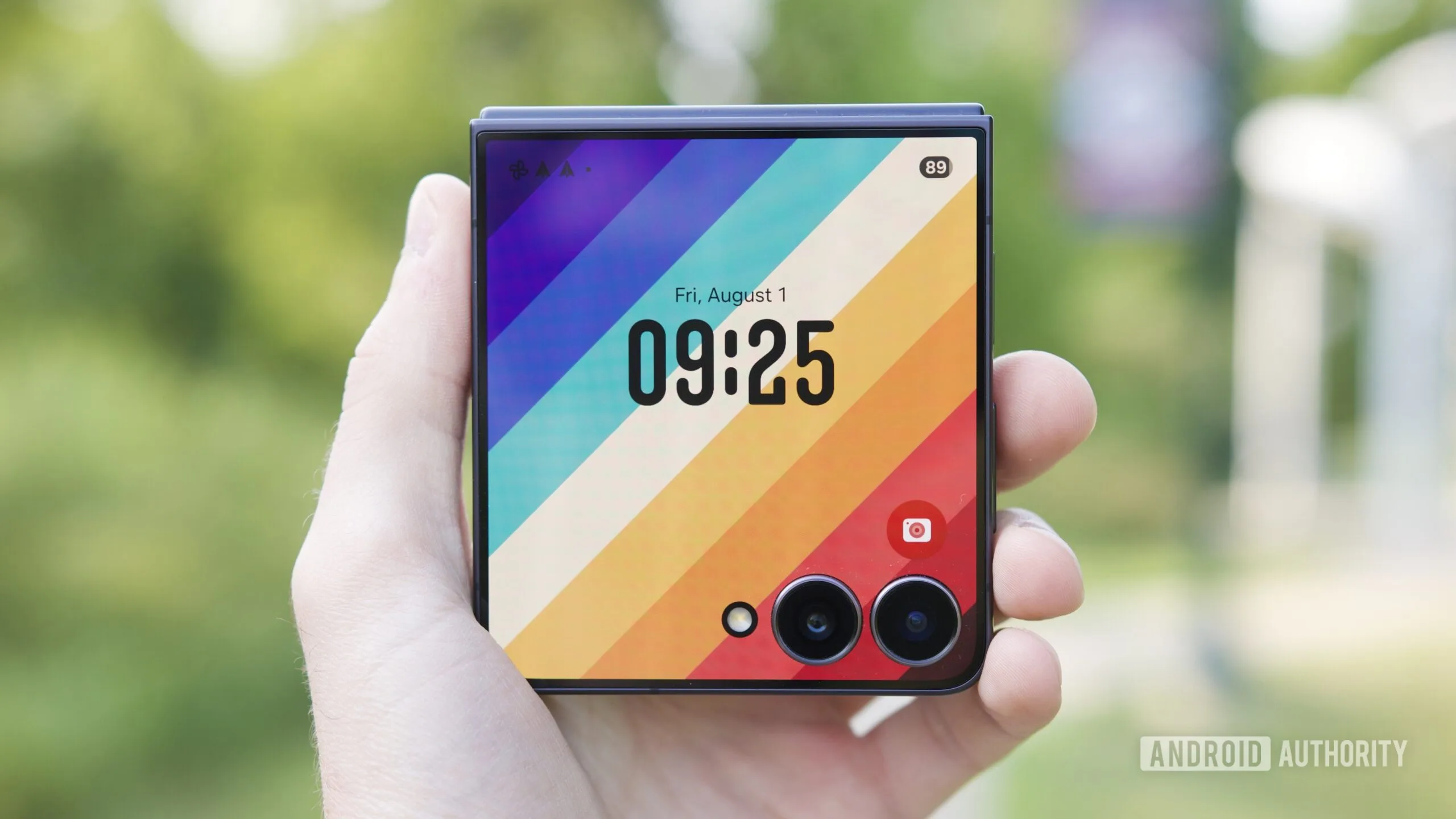
Samsung has made a very competent device. That’s almost the criticism. The Flip feels like a familiar Galaxy flagship that happens to bend in half, rather than a product designed around the new behaviors a folding shape permits. It’s polished, dependable, and a little joyless. For a phone category built on the satisfying physical snap of ending a call, that’s a strange miss.
My read is that Samsung has approached the clamshell market with the instincts of an engineering-led company: make the hinge tougher, improve the panel, add performance, extend updates. None of those choices is wrong. But Motorola has understood that a Razr is partly an accessory, partly a tiny personal computer, and only then a flagship handset. That distinction has become increasingly visible.
Galaxy Z Flip 7 cover screen software is the real gap
The biggest hardware change on recent Flip models has been the larger exterior display. On paper, that should be Samsung’s opportunity to make the Galaxy Z Flip 7 feel fundamentally different from a Galaxy S-series phone. Instead, the company still makes users work too hard to unlock its potential.
Yes, Samsung offers widgets, notifications, quick settings, and selected cover-screen functions. But running the apps people actually want often means entering the Good Lock ecosystem and configuring MultiStar. Enthusiasts can manage that. The wider audience for a compact flip phone should not have to hunt through an optional customization suite simply to use Maps, music, messaging, or a smart-home app on the display already sitting in front of them.
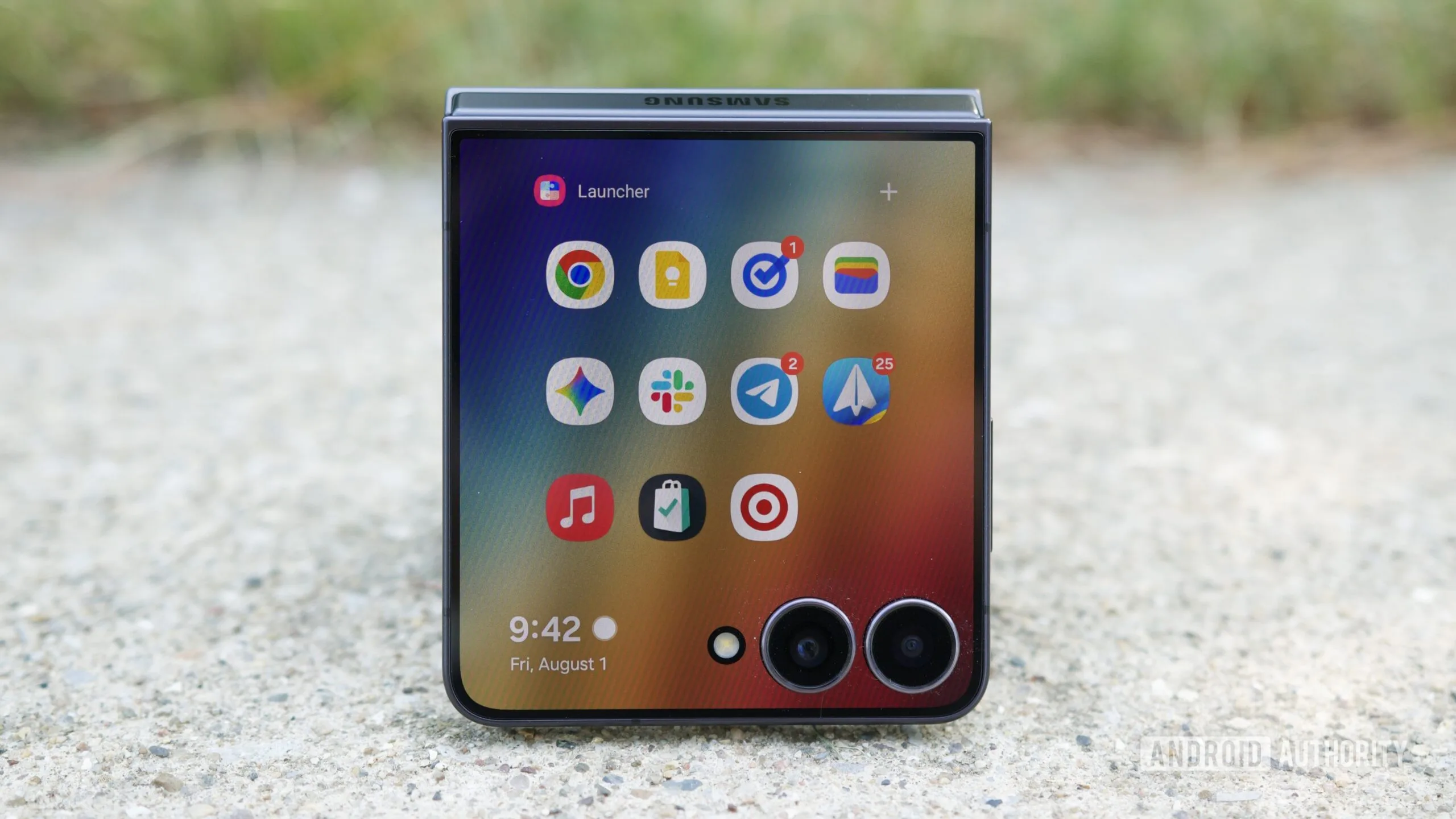
That friction is where Motorola has been sharper. The Razr line has generally made its large outer screen feel like a destination, with broad app access and playful customization that encourage users to leave the phone shut for small tasks. That may sound trivial until you actually use one. Checking a calendar event, skipping a podcast, replying to a message, or scanning directions without opening the device changes the rhythm of the day. It saves a few seconds here and there, like keeping your keys on a hook by the door instead of somewhere in a coat pocket.
Samsung has already built much of the technical machinery. Good Lock proves it. The issue is product judgment: features intended for regular people should not feel like a weekend project for Android forums. A future One UI release could bring a curated app launcher and sensible permissions directly to the cover screen, preserving Samsung’s security guardrails while ending the current workaround culture.
The Galaxy Z Flip product page is part of that conversation. Fair enough. But marketing copy about a feature and making that feature central to daily use are different jobs. The Galaxy Z Flip 7 hasn’t fully completed the second one.
Samsung keeps improving the less urgent parts
Rumors around the next model suggest Samsung may again prioritize a top-end processor, incremental refinement, and fresh colors. Colors are welcome; foldables should be fun, frankly. But more horsepower is not the obvious missing ingredient. Nobody is buying a clamshell foldable because they need the highest possible benchmark score while their phone is closed.
The Galaxy Z Flip 7 already feels quick in ordinary use, and Samsung’s software update policy is a genuine advantage. Long support makes an expensive device easier to live with, particularly in a category where buyers want confidence that the hardware will not feel abandoned after two years. The hinge also appears built for the long haul. These are strengths worth defending.
Yet the company’s priorities can look oddly backwards. If battery capacity stays constrained, camera hardware remains merely adequate, and the cover display remains half-open by design, a faster chipset becomes the smartphone equivalent of adding horsepower to a car whose back seat is still unusable. Nice to have. Not the reason the buyer walked away.
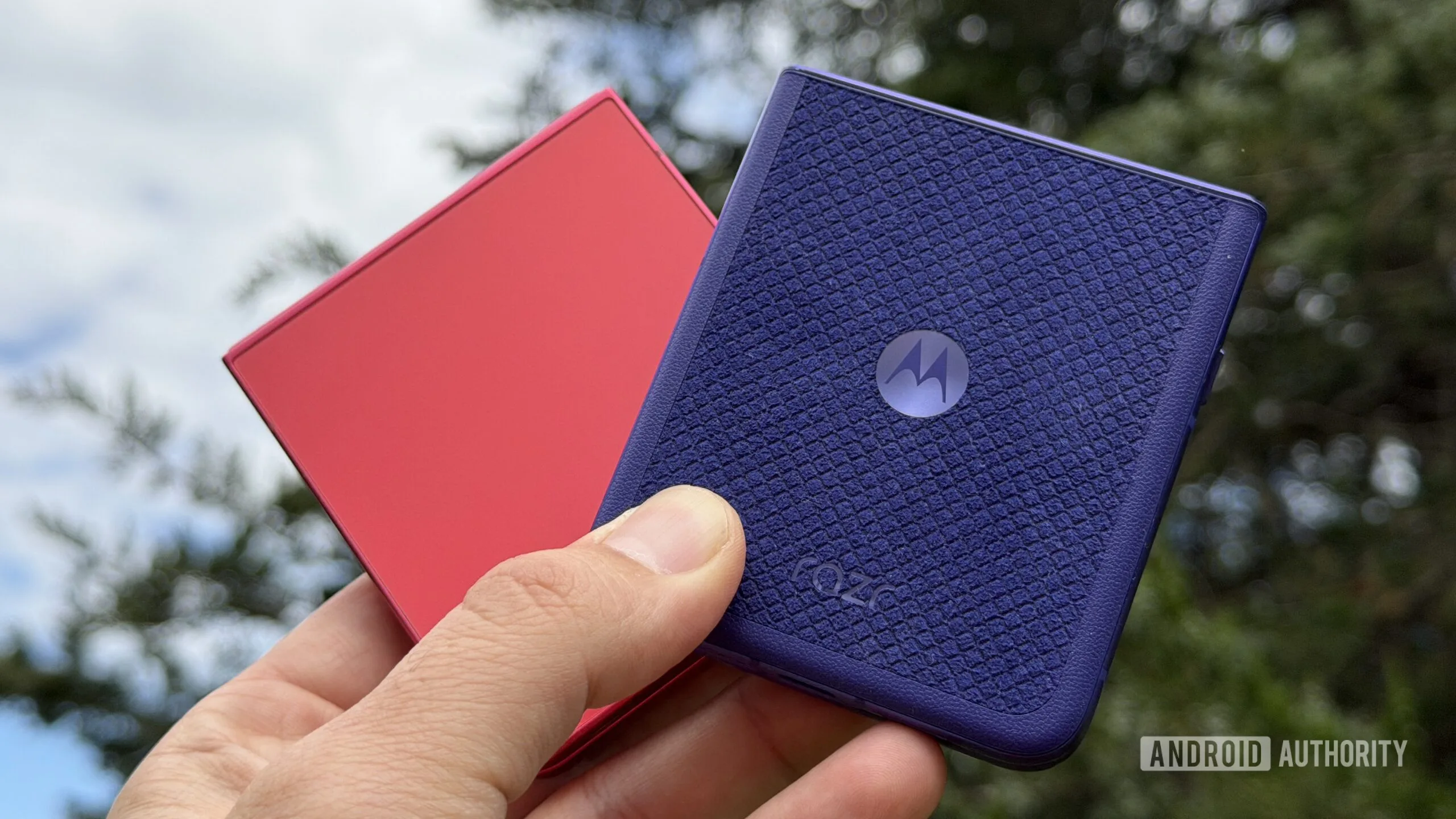
The contrast with Samsung’s larger Fold strategy is revealing. Book-style foldables have a clear, workmanlike pitch: open them for more screen space, multitasking, reading, and media. Samsung has also reportedly seen stronger commercial momentum with that format. A clamshell’s pitch is more emotional. It needs to feel smaller, lighter, more expressive, and less demanding than a standard phone. The Galaxy Z Flip 7 gets the compact part. It has not nailed the rest.
A lower price changes the calculation, not the diagnosis
The catch is price. Street prices matter more than launch prices, and the Galaxy Z Flip 7 reportedly falls to about $650 through sales and promotions. At that number, the whole argument softens. A well-built foldable with Samsung’s support record for mid-range money is a legitimate deal, even if it lacks the magic expected at $1,100.
That may be the practical advice for buyers: do not rush to pay full freight simply because a new Flip is arriving. Last year’s phone is plenty fast, it folds reliably, and its compromises become reasonable when hundreds of dollars come off the sticker. The problem is that discounting also exposes the weakness in Samsung’s premium proposition. If a product only feels right once it is priced like a conventional mid-ranger, the original positioning was doing too much work.
As for talk that the Galaxy Z Flip 8 could be Samsung’s last clamshell foldable, it remains just talk until Samsung says otherwise. Companies do not typically abandon a form factor after years of investment without a hard look at demand, margins, and competitive pressure. Still, the rumor is believable because the Galaxy Z Flip 7 illustrates a genuine strategic fork: Samsung can keep refining the device it already knows how to build, or it can decide that Motorola has won the cultural argument around flip phones.
I’d argue Samsung should give the category one more serious swing, but with a different brief. Make the cover screen open by default, not restricted by default. Give buyers better endurance or lower the price. Build software around the pleasure of keeping the phone closed. If Samsung simply installs another faster chip and calls that progress, the company may discover that a sturdy hinge is no substitute for a reason to use it.
Frequently Asked Questions
Is the Galaxy Z Flip 7 worth buying at a discount?
At around $650, the Galaxy Z Flip 7 becomes a much more persuasive purchase. Buyers still accept the usual foldable trade-offs in camera flexibility, battery capacity, and screen durability, but Samsung’s long software support and premium construction carry far more weight at a mid-range price.
Why is Motorola’s Razr cover screen considered better?
Motorola has nailed the cover-screen experience. Samsung’s larger cover screen has potential, but the source argues that Samsung has not fully utilized it and should make it the centerpiece of the device with more useful customization and app support.
Will a faster chip make Samsung’s next Flip more appealing?
Probably not on its own. The source argues that few clamshell foldable buyers need extra horsepower, especially if battery size remains unchanged. Better battery life, broader cover-screen app support, and software that keeps users from needing to unfold the phone would better address the category’s weaknesses.