Apple’s summer developer beta season is rarely quiet, but this particular stretch has been unusually eventful. iOS 27 beta 2 has landed with a handful of meaningful changes — most notably the debut of Write with Siri — while simultaneously, Apple has blindsided customers with significant price increases across its Mac and iPad lineups. Throw in a divisive watchOS 27 compatibility decision and a report about Apple’s next CEO reshaping the company’s design culture, and you’ve got one of the more consequential weeks in Apple’s recent history.
- iOS 27 beta 2 introduces Write with Siri, a revamped Apple Intelligence writing tool available across the system.
- iOS 27 beta 2 supports every iPhone capable of running iOS 26, making the upgrade path unusually broad.
- Apple has announced significant price increases for MacBooks and iPads, citing ongoing component shortages.
- watchOS 27 drops support for five Apple Watch models, raising questions about Apple’s approach to device longevity.
Table of Contents
iOS 27 Beta 2: What’s Actually New
The headline addition in iOS 27 beta 2 is Write with Siri, which represents a significant rethink of Apple’s Apple Intelligence writing tools. Rather than the more passive text-suggestion approach introduced back in iOS 18, Write with Siri positions the assistant as a more active collaborator — helping users draft, rewrite, and polish text directly inside apps. It’s the kind of feature that sounds incremental on paper but, if the execution holds up, could meaningfully change how people interact with their iPhones day-to-day.
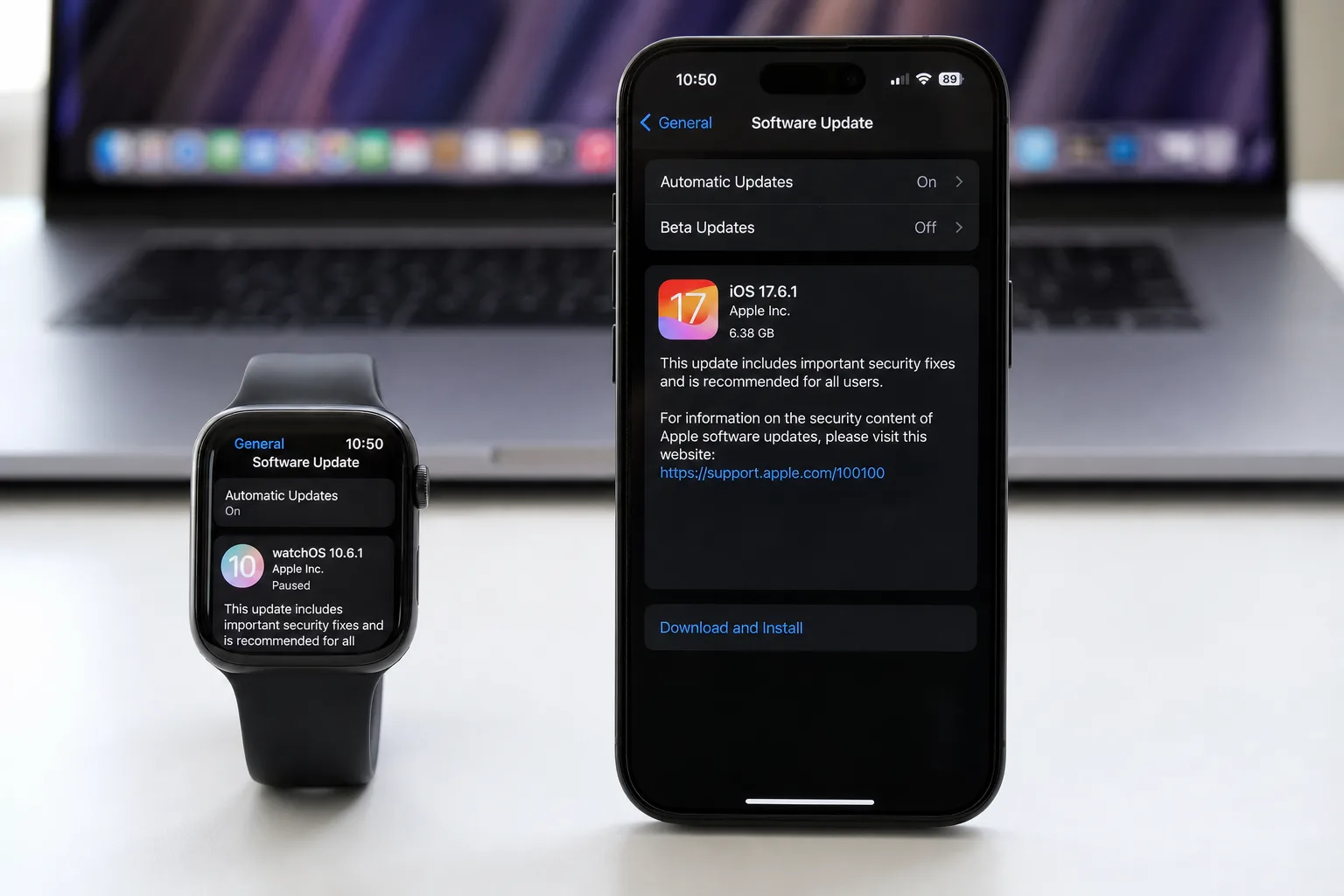
Beyond that, iOS 27 beta 2 makes it easier to update Apple TV software directly from an iPhone — a small but genuinely useful quality-of-life fix for anyone who’s ever tried to navigate tvOS settings with the Siri Remote. These kinds of utility improvements are easy to overlook in a beta cycle dominated by splashier announcements, but they’re often what users appreciate most once a final release ships.
One thing worth highlighting about iOS 27 beta 2‘s overall compatibility: it runs on every iPhone capable of running iOS 26. That’s a broader device net than many observers expected, and it stands in sharp contrast to what’s happening on the watch side of Apple’s ecosystem — more on that shortly.
Apple Price Increases: What Got More Expensive and Why
If iOS 27 beta 2 is the carrot, Apple’s latest pricing moves are very much the stick. The company has announced significant price increases across MacBooks, iPads, and other products — hikes that caught many customers and analysts off guard given Apple’s historically tight control over its retail pricing strategy.
Apple’s official line is that it’s dealing with a component shortage, and the company has said it is ‘working tirelessly’ to find solutions. That framing deserves a bit of scrutiny. Component shortages are real — the semiconductor industry has cycled through supply crunches repeatedly since 2020 — but Apple is also one of the most financially powerful buyers in the global supply chain. When Apple says it can’t absorb costs, it usually means it’s choosing not to, at least not entirely.
The increases hit MacBooks and iPads hardest, which matters because those are the product lines Apple has been most aggressively pushing into enterprise and education markets. Raising prices there isn’t just a consumer issue — it complicates Apple’s pitch to institutional buyers who plan purchases months or years in advance. Apple’s current Mac pricing reflects the new structure, and the changes are already live at retail.
For context, this isn’t entirely without precedent. Apple raised prices on the iPhone 14 Pro lineup in several international markets in 2022 in response to currency fluctuations, and Mac pricing has crept upward with each processor generation. But a broad, across-the-board hike tied explicitly to component costs feels different — and more disruptive.
watchOS 27 Drops Five Apple Watch Models — Is That Fair?
The compatibility question is where things get genuinely thorny. watchOS 27 drops support for five Apple Watch models, leaving a meaningful chunk of Apple Watch owners unable to upgrade. That number becomes more pointed when you set it alongside iOS 27 beta 2‘s broad device support: every iPhone that runs iOS 26 can also run iOS 27. Apple apparently decided the iPhone installed base deserved continuity in a way the Apple Watch installed base does not.
There are technical arguments for why this happens. The Apple Watch’s chips age less gracefully than the A-series silicon in iPhones, and newer watchOS features — particularly those tied to health sensors and always-on processing — genuinely require more capable hardware. Apple isn’t being arbitrary here. But the optics aren’t great, especially when customers have paid $400 or more for a device that’s now being cut off.
The broader issue is Apple Watch’s product lifecycle positioning. Apple has consistently marketed the watch as a long-term health companion, something you wear every day for years. Dropping five models in a single watchOS generation sits awkwardly alongside that messaging. If you bought an Apple Watch SE or an older Series model in the last few years with the expectation of multi-year software support, this week’s news is a reminder that Apple’s commitments in that area are less explicit than they appear.
John Ternus and the Return of Design-Led Thinking at Apple
Separate from the software and pricing news, a notable report has emerged about Apple’s leadership transition. John Ternus — widely expected to succeed Tim Cook as CEO — is reportedly planning to re-establish Apple’s design team at the center of the company’s decision-making process.
That framing carries enormous historical weight. Under Steve Jobs and Jony Ive, Apple’s design function wasn’t just a department — it was a power center. Major product decisions flowed through design before they reached engineering or finance. That influence eroded after Ive’s departure in 2019, with Apple’s design team becoming more of an execution group than a strategic driver.
Ternus, who leads Apple’s hardware engineering, has a reputation for deeply understanding the relationship between design intent and engineering reality. If the reports are accurate, his apparent plan to restore design’s influence suggests he sees that balance as something Apple has lost ground on — and wants to correct it before the next major product cycle.
It’s an interesting signal heading into what’s expected to be a pivotal period for Apple hardware. With spatial computing, foldable devices, and the next generation of Apple silicon all on the horizon, having a CEO who prioritises design thinking at the product strategy level could meaningfully shape what Apple builds — and how it builds it — through the rest of this decade.
The Bigger Picture
Taken together, this week’s Apple news sketches a company navigating real tensions. iOS 27 beta 2 shows Apple’s software teams executing well — Write with Siri is exactly the kind of practical AI feature that justifies the Apple Intelligence branding in a way that early features sometimes didn’t. The changes arriving in iOS 27 beta 2 also demonstrate how iterative beta releases can deliver genuinely meaningful improvements rather than just bug fixes. But the price increases and the watchOS compatibility cuts are reminders that Apple’s hardware business operates under the same supply-chain and margin pressures that affect every consumer electronics company, regardless of how premium the brand positioning is.
The Ternus design story is the one to watch longest-term. Beta software updates and quarterly pricing adjustments are temporary. Leadership philosophy shapes products for a decade. If Apple does move back toward a model where design drives strategy rather than just executes it, the effects won’t show up in iOS 27 — they’ll show up in whatever Apple is building right now that the rest of us haven’t seen yet.
Frequently Asked Questions
Which iPhones are compatible with iOS 27 beta 2?
iOS 27 beta 2 is available for every iPhone model that supports iOS 26, making it one of Apple’s most broadly compatible major OS updates in recent memory. Apple has not cut any devices from the iOS 27 upgrade path at this stage.
Which Apple Watch models lose support in watchOS 27?
watchOS 27 drops support for five Apple Watch models. Apple has not detailed exactly which five in its public communications, but the cuts are notable given that iOS 27 simultaneously maintains support for a wider range of older devices.
Why has Apple raised prices on Macs and iPads?
Apple has attributed the price increases to component shortages, saying it is working tirelessly to find solutions. The hikes affect MacBooks, iPads, and other products, and come at a time when supply chain pressures continue to affect the broader consumer electronics industry.
What is Write with Siri in iOS 27 beta 2?
Write with Siri is an updated version of Apple Intelligence’s writing tools, introduced in iOS 27 beta 2. It represents a meaningful upgrade to the AI writing assistance available on Apple devices.