

- Uber’s lost and found index for 2026 reveals riders forgot everything from dentures to a full 75-gallon fish tank.
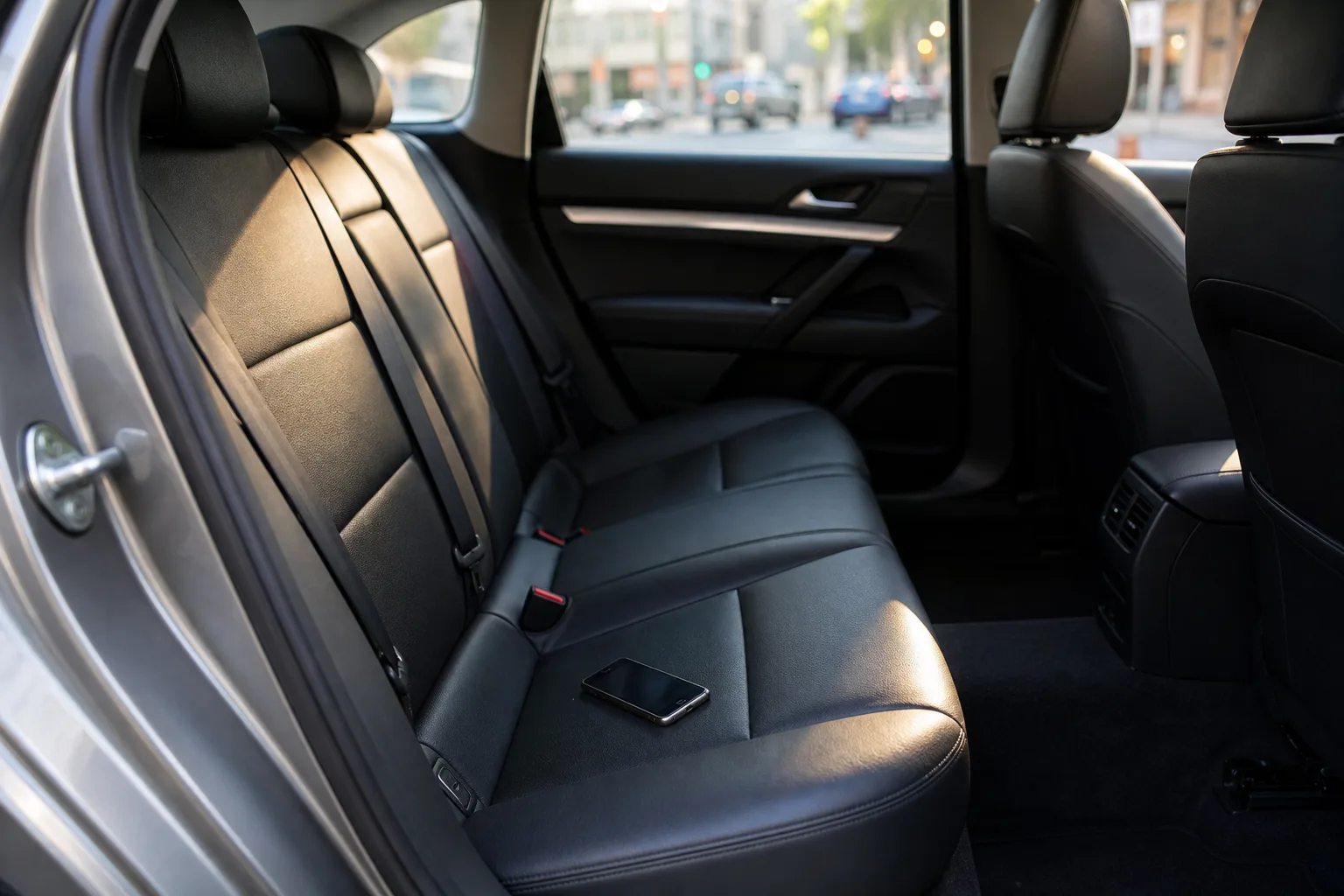
- The Uber lost and found data shows phones remain the single most-forgotten item, with over a million reported lost.
- New York City claimed the top spot as America’s most forgetful city for another consecutive year.
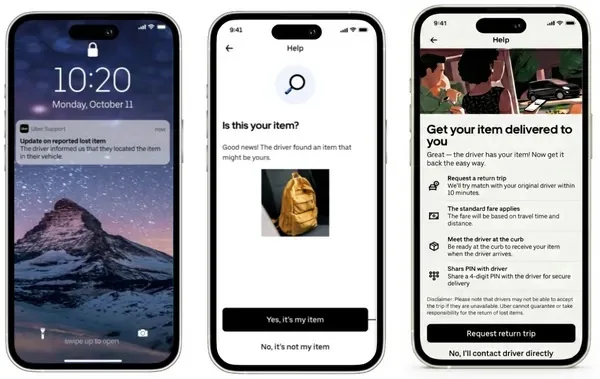
- Uber is rolling out a new in-app feature letting riders request a return trip to recover forgotten belongings.
Table of Contents
The Uber Lost and Found Index Is Back — And It’s Stranger Than Ever
Each year, the Uber lost and found index does something no quarterly earnings report can: it reminds you that humanity is beautifully, hopelessly chaotic. The 2026 edition — the 10th annual installment — is the most entertaining yet, and buried beneath the laughs is a genuinely interesting snapshot of consumer culture, rider behavior, and where Uber is heading as a platform.
The headline items are predictably unhinged. Someone left a 75-gallon fish tank in an Uber. Not a small decorative bowl. A 75-gallon tank. Someone else left behind a dishwasher, which raises questions that no amount of investigation can fully answer. A single red-bottom Louboutin heel — just one — was recovered, presumably waiting somewhere in a lost-and-found bin for its partner to show up. And then there’s the package of live butterflies, which, if you think about it too hard, becomes either poetic or deeply distressing.
But this isn’t just a listicle of weird stuff. The Uber lost and found data, compiled from millions of rides across the US, tells a broader story about who’s riding Uber, what they’re carrying, and yes, how often they’re walking away without it.
What People Are Forgetting — And What That Says About Us
The full roster of lost items in this year’s Uber lost and found report includes some legitimately baffling entries. Alongside the fish tank and dishwasher, riders forgot pelvis implants, 20 pounds of duck sausage, two wedding gowns, a mannequin, breast milk, human hair, and live fish. Dentures with just two teeth remaining also made the cut. Whether that’s funny or slightly sad probably depends on your mood.
Then there’s the cultural layer. Uber specifically flagged Labubu dolls — the collectible vinyl figures from Pop Mart that went viral in 2024 and haven’t slowed down since — as among the most commonly forgotten novelty items this year. That’s a neat little data point. It confirms what social media already told us: Labubu is everywhere, including the back seats of Ubers, and apparently people are attached enough to buy them but not attached enough to remember them when the ride ends.
The wellness angle is equally telling. Forgotten items included sea moss, protein powder, peptides, and Ozempic. That list reads like a 2025 wellness influencer’s grocery haul, and it reflects how deeply these products have penetrated mainstream consumer culture. People aren’t just buying Ozempic — they’re carrying it around, which means it’s now showing up in Uber lost and found bins alongside umbrellas and AirPods.
Dental items, meanwhile, continue to be a surprisingly persistent category in Uber lost and found reports. Drivers are regularly recovering veneers, gold grills, and full denture sets. Whether this reflects something about the demographics of Uber’s rider base or just the inconvenient portability of dental accessories is unclear, but it’s become a recurring theme in these annual reports.
Phones Still Dominate — And New York Still Can’t Keep Track of Anything
For all the spectacle of dishwashers and butterfly packages, the most-forgotten item in the Uber lost and found index is, predictably, the smartphone. Uber says more than a million phones have been reported lost across its platform over the years. That number is staggering, and it makes a certain kind of sense — phones are small, often tucked into jacket pockets or bags, and tend to slide into seat crevices the moment you stop paying attention.
What’s interesting is that this Uber lost and found figure hasn’t meaningfully improved despite the proliferation of features designed to help. Apple’s Find My network, Google’s Find My Device, AirTags sewn into bags — none of it has meaningfully moved the needle on people simply leaving their phones in cars. The problem isn’t technology. It’s that getting out of a car at the end of a trip is a moment of transition, and transitions are when attention lapses.
Geographically, New York City retained its title as America’s most forgetful city — a crown it seemingly cannot relinquish. That probably has less to do with New Yorkers being uniquely absent-minded and more to do with the city’s sheer ride volume. When you’re taking multiple Ubers daily across a dense urban grid, the statistical probability of leaving something behind goes up considerably. Still, New York claiming the top spot year after year suggests something structural rather than coincidental.
Timing matters too. Uber identified July 17 as the single most forgetful day of 2025, and Sundays as the most consistently high-loss day of the week. Sundays make intuitive sense — people are heading home from nights out, early morning trips after late evenings, travel days — all situations where fatigue and distraction peak. July 17 specifically is harder to explain without knowing what fell on that date regionally, but it landed mid-summer, which is peak travel and social-event season across most of the US.
Uber’s New In-App Feature Wants to Fix the Chaos
The Uber lost and found experience has historically been frustrating. If you’ve ever tried to retrieve something left in an Uber, you know the drill: find the trip in the app, navigate through a few menus, call the driver directly and hope they pick up, negotiate a return, and then figure out the logistics and payment on your own. It works, but it’s clunky in a way that feels out of step with how polished the rest of the Uber experience has become.
Uber is now overhauling that process. The company is rolling out a revamped Uber lost and found workflow that lets riders report missing items directly in the app and, in select markets, request a return trip from the original driver with just a few taps. The driver heads back, the item gets returned, and the whole thing is handled natively inside Uber’s ecosystem — no awkward phone calls, no ambiguous payment arrangements.
The feature is already live in several US states and Uber says it expects to expand nationwide before the end of 2025. It’s a sensible addition, and the timing — alongside the release of the Lost & Found Index — is clearly deliberate. Publishing a report full of absurd forgotten items and then announcing a better way to recover them is a solid bit of product marketing. The story writes itself.
From a broader platform perspective, this kind of feature matters more than it might initially appear. Uber’s investor materials have consistently emphasized retention and rider satisfaction as core metrics. A smoother Uber lost and found experience removes a point of friction that, while it affects a small percentage of rides, tends to generate disproportionate frustration when it happens. Getting your bag back easily? You probably tell someone. Spending an hour trying to reach a driver and failing? You definitely tell someone.
Reading the Cultural Tea Leaves
There’s a temptation to treat the Uber lost and found index as pure entertainment — and honestly, that’s mostly what it is. But taken seriously, it’s a surprisingly useful cultural artifact. The items people forget reveal what they’re buying, what they’re carrying, where they’re going, and how they’re living.
The Ozempic and peptides tell you something about health trends. The Labubu dolls tell you something about pop culture. The wedding gowns and pelvis implants tell you something about the range of human experience that passes through Uber’s back seats on any given day. Uber isn’t just a transport company — it’s infrastructure, and the things people leave behind in infrastructure reveal more about a society than most surveys do.
As rideshare platforms grow and mature, expect these indexes to get more sophisticated. Uber has a dataset here that, even anonymized and aggregated, is genuinely rich. The day-of-week patterns, the seasonal spikes, the geographic clustering — all of that has operational value beyond the press release. And as the platform expands into delivery, freight, and other logistics verticals, the Uber lost and found question gets more complex in ways that make a slick in-app recovery feature look less like a nice-to-have and more like a foundational product investment.

